



Vintage Porcelain Vessel
A vintage porcelain vessel brings weight and historic colour to a room, ranging from Japanese Imari bowls to English cabinet pieces.
Vintage Porcelain Vessel
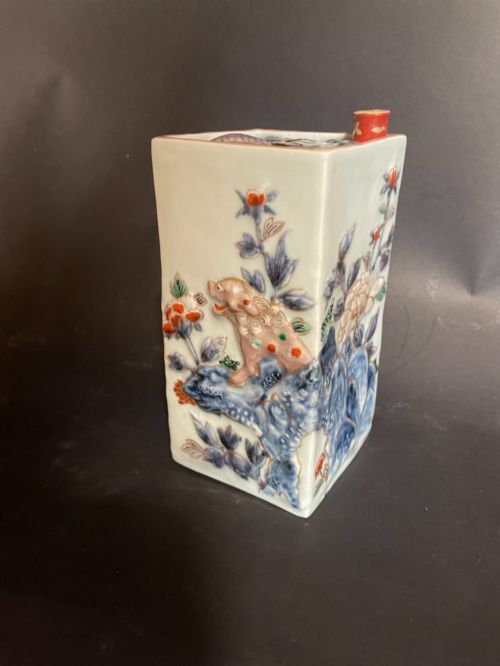
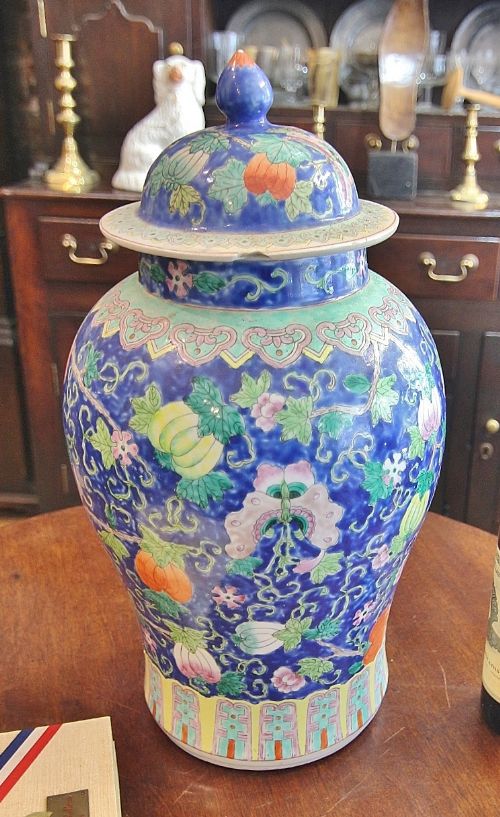
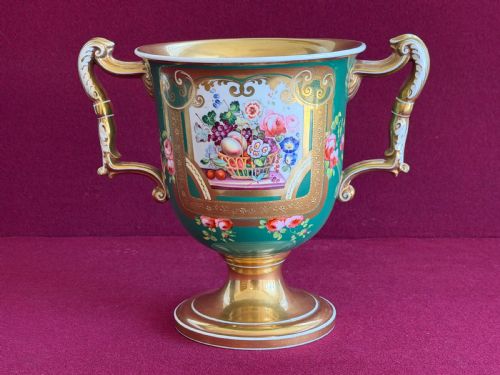
A vintage porcelain vessel encompasses utilitarian and decorative containers shaped as vases, ginger jars, tea caddies, bowls, and footbaths. These items emerge from diverse production centres across England, continental Europe, and East Asia.
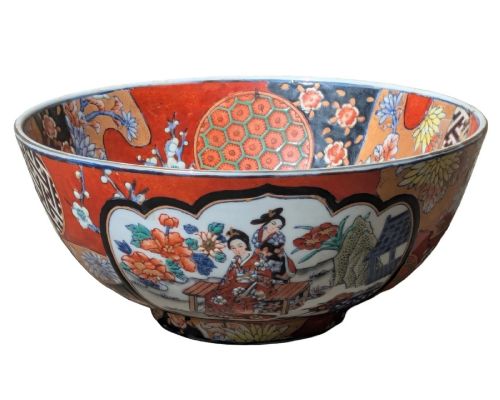
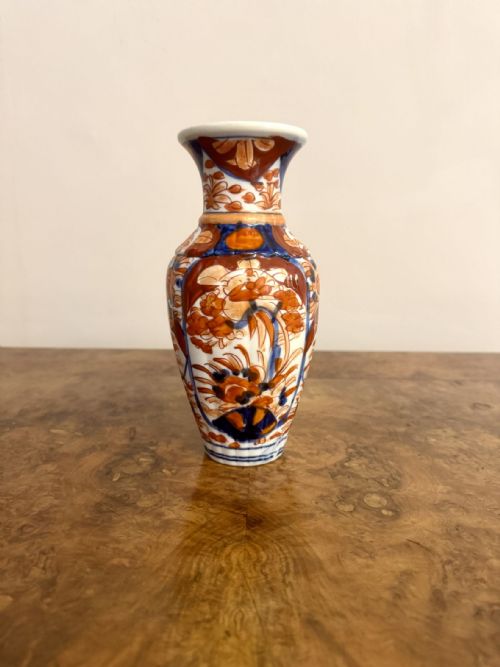
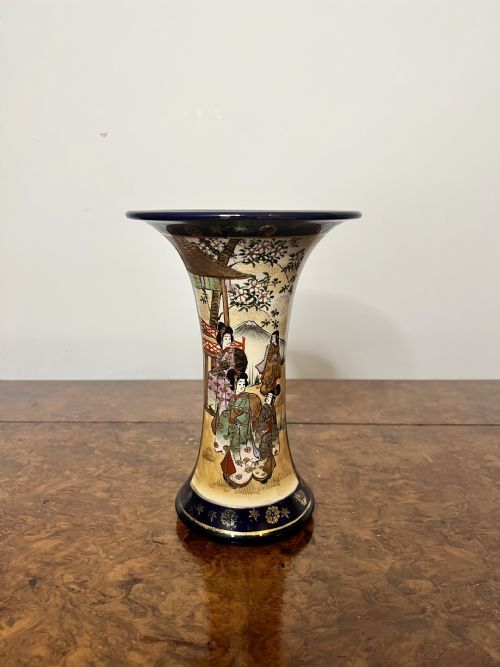
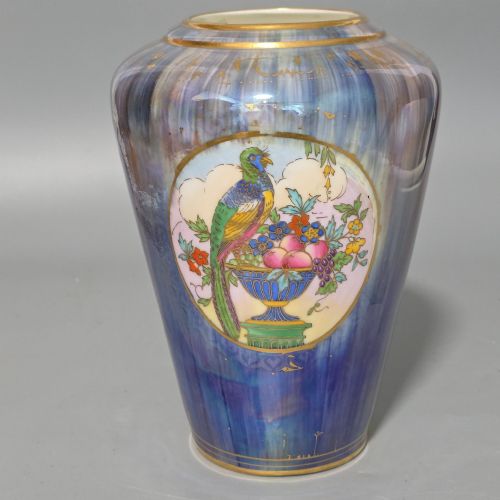
The selection on this page relies heavily on Japanese Imari and Satsuma wares alongside English makers like Royal Worcester, spanning centuries from the eighteenth onward. Buyers frequently encounter nineteenth-century decorative urns and twentieth-century lustre vessels within the current listings.
Forms serve both decorative display and practical storage, shifting from massive monumental vases down to miniature cabinet pieces. Each vessel reflects the distinct ceramic traditions of its period of origin.
Materials and Technique
Makers shaped these vessels from refined ceramic bodies including porcelain, felspar porcelain, and earthenware, often sealing the porous substrate beneath smooth vitreous glaze. Kiln firing fixed the form before artisans applied surface decoration.
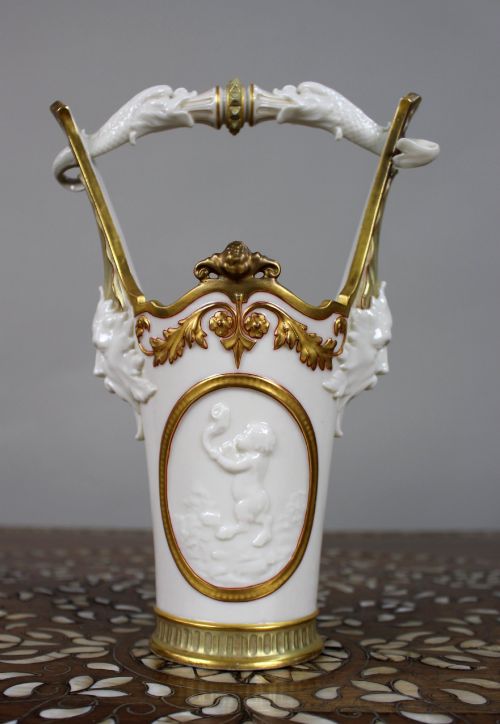
Surface schemes combine hand-painted enamel, cobalt glaze, and intricate gold leaf or gilding. Certain workshops utilised transfer printing for blue and white patterns, while others relied entirely upon meticulous brushwork by named artists.
One cheerful eighteenth-century tea caddy stands ready to dispense leaves, proving that historical storage containers still enjoy a hardworking retirement.
Assessing Merit
Quality rests in the precision of the hand-painted brushwork and the complexity of the surface programme, distinguishing masterwork gilding and enamelling from routine factory output. The crispness of detail in figural scenes and floral motifs indicates the hand of a skilled artist.
Condition and completeness govern the standing of a vessel, particularly regarding the preservation of delicate gold leaf and the integrity of applied handles or covers. Exceptional scale and documented manufacture elevate certain vases and bowls above standard domestic wares.
Royal Worcester·Wedgwood·Minton·H & R Daniel·Royal Doulton·Kinkozan·Tokyo Taizan
The Vintage Porcelain Vessel Glossary
- Imari
- A style of Japanese porcelain featuring a distinct palette of underglaze blue, iron red, and gilt detailing. These wares gained immense popularity across European interiors during the nineteenth century.
- Satsuma
- An earthenware pottery type originating from Japan with a crackle-glaze finish, usually decorated with elaborate polychrome and raised gold figural scenes. Pieces often bear workshop signatures on the underside.
- Lustre
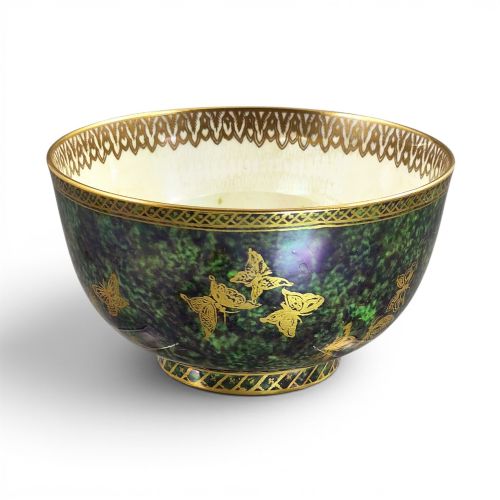
- A type of ceramic glaze that imparts a metallic, iridescent sheen through the reduction of metallic oxides during firing. Wedgwood and Minton utilised this technique on decorative art pottery.
- Famille Rose
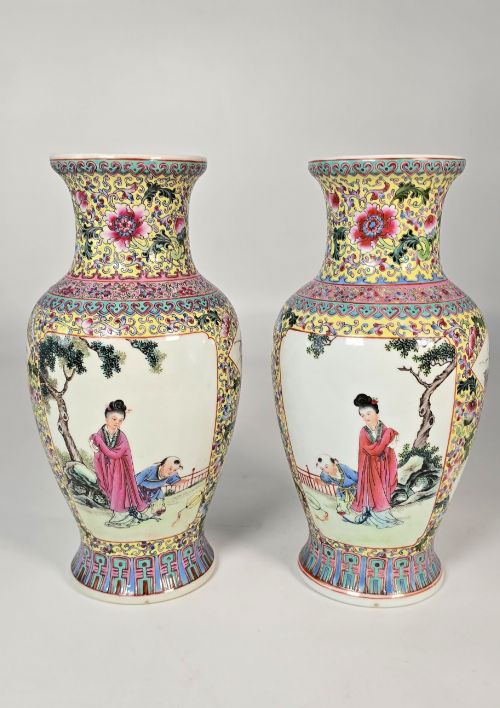
- A palette of Chinese porcelain decoration dominated by opaque pink enamel introduced during the Qing dynasty. The style encompasses elaborate floral and figural compositions.
- Sucrier
- A small lidded vessel designed specifically for holding table sugar during tea service. These ceramic pieces frequently match broader tea sets from the English Regency and Victorian periods.
Vintage Porcelain Vessel: Frequently Asked Questions
How do I clean a vintage porcelain vessel?
Wash the ceramic gently in lukewarm water using mild soap, avoiding harsh scrubbing that might damage delicate enamel or gold leaf.
Dry the piece immediately with a soft cloth to protect vulnerable surfaces and historic glazes.
Can these vessels hold water for fresh flowers?
Many vases and jardinières were built to hold water, though antique pieces with delicate internal cracks or porous earthenware bodies require caution.
Utilising a small glass insert protects the historic interior from moisture damage during floral display.
How do I identify the period of an Imari bowl?
Examine the weight of the ceramic body, the brightness of the cobalt blue, and the quality of the iron red and gold enamel applications.
Japanese pieces from the Meiji period typically display dense, precise brushwork distinct from later twentieth-century production.
What distinguishes Satsuma ware from standard porcelain?
Satsuma pieces consist of earthenware rather than true porcelain, possessing a characteristic ivory-coloured body covered in a fine network of crackle glaze.
Artisans then applied detailed enamel and raised gold decoration over this absorbent surface.