

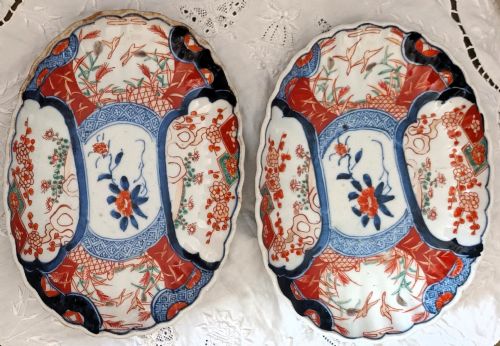


Vintage Porcelain Serving Plate
A vintage porcelain serving plate brings colour and presence to a table, combining practical service with hand-painted artistry.
Vintage Porcelain Serving Plate
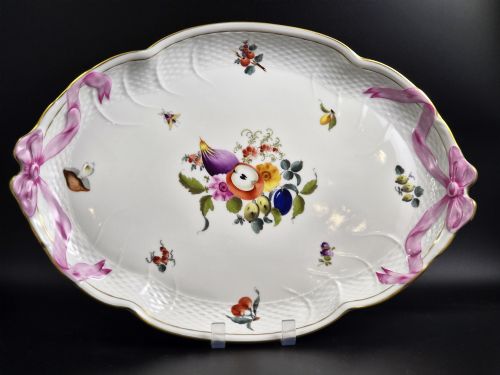
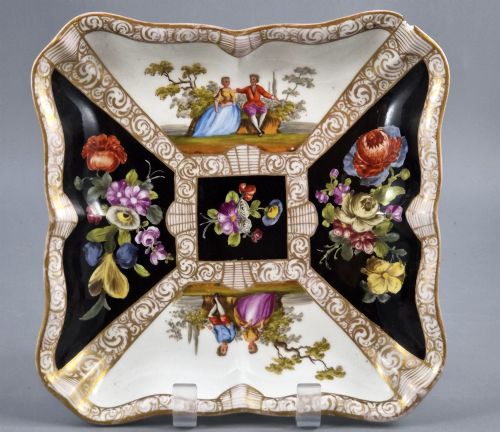
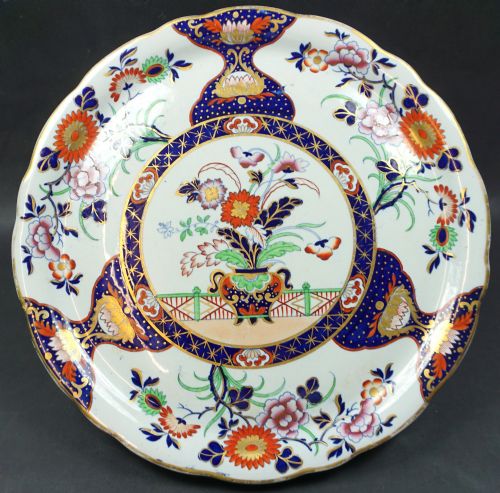
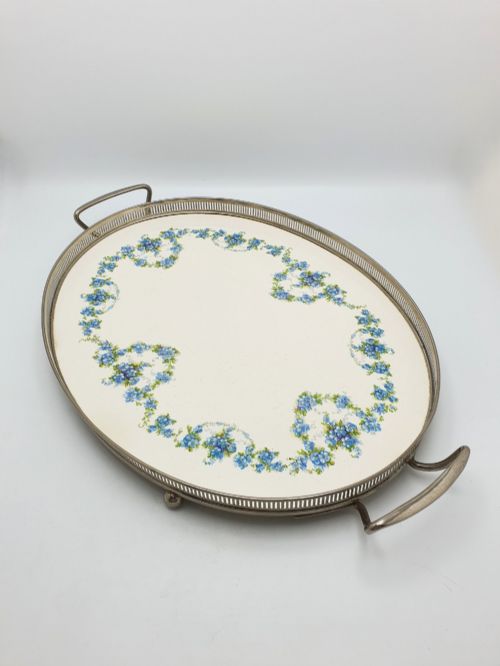
When you search for a vintage porcelain serving plate, you encounter a varied selection of large dishes, platters, chargers and shaped dessert dishes spanning the eighteenth century to the twentieth century. These items were made to present food at the table or to display cabinet collections in domestic interiors.
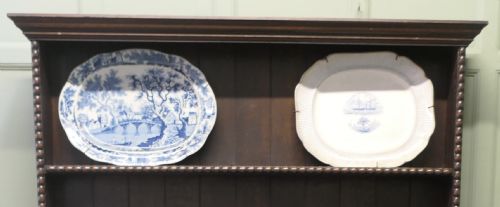
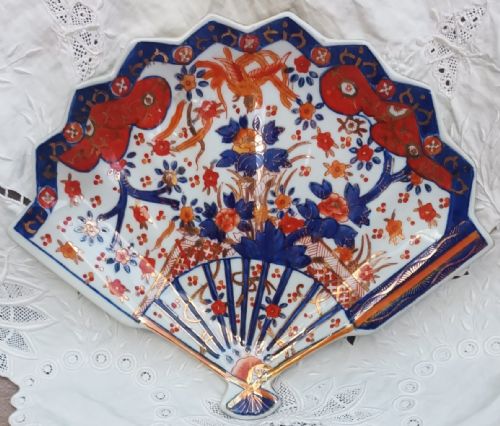
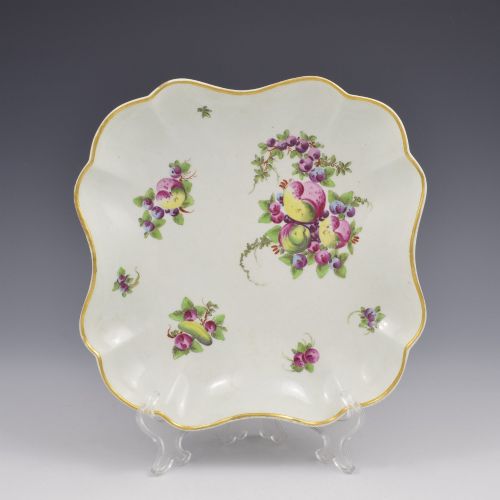
The assortment relies heavily on Japanese Imari wares from the Meiji period alongside English porcelain and ironstone factories from the Georgian, Regency and Victorian eras. You will regularly find square plates, oval trays and lobed dessert dishes decorated with hand-painted scenes, floral motifs and blue and white patterns.
Continental pieces from factories in Germany and France also appear alongside Staffordshire earthenware and specialised cabinet dishes. Each object reflects the decorative tastes of its period, from Dutch Baroque influences to Edwardian floral painting.
How they were made
Potters shaped these serving vessels using porcelain, ironstone and earthenware bodies, which were then fired and coated with a smooth glaze. Many pieces received hand-coloured or hand-painted decoration using vibrant enamel pigments applied directly onto the surface.
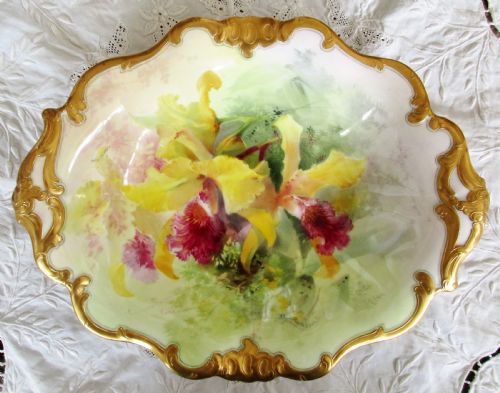
Makers often highlighted borders and motifs using gold leaf, gilt and rich gilding applied over the glaze or fired into the porcelain body. Specialist techniques such as blue and white underglaze transfer printing and hand-painted botanical or figural scenes define the finer examples.
German porcelain factories from Bavaria and Meissen appear alongside fine English cabinet plates painted with detailed botanical studies of orchids.
What varies in quality
Quality in these serving pieces rests upon the crispness of the porcelain body and the skill evident in the hand-painted brushwork. Superior items exhibit detailed figurative scenes, precise botanical studies and well-preserved gilding that shows minimal wear from historic use.
The complexity of the form and the reputation of the manufacturing potter also separate standard utilitarian wares from exceptional cabinet dishes and chargers. Pieces bearing artist signatures or originating from celebrated factories display a distinct refinement in weight, balance and decoration.
Meissen Porcelain·Hicks and Meigh·Royal Doulton·Dr Wall Worcester·Paul Müller Selb·Royal Worcester·Wedgwood
The Vintage Porcelain Serving Plate Glossary
- Charger
- A large decorative plate or dish, often used historically as a base plate or for serving central dishes at a banquet.
- Imari
- A style of Japanese porcelain decorated in underglaze blue and contrasting enamel colours like iron red and gold leaf.
- Ironstone
- A durable type of heavy earthenware patented in the nineteenth century to rival true porcelain in domestic service.
- Lobed
- A curved, scalloped edge or sectional shape dividing the rim of a dish into distinct segments.
- Cabinet dish
- A decorative plate intended primarily for display in a cabinet rather than for regular dining table use.
Vintage Porcelain Serving Plate: Frequently Asked Questions
How do I date an Imari plate?
Examine the weight of the porcelain body, the brightness of the enamel colours and the characteristics of the foot rim at the base. Meiji period Japanese pieces often display specific iron-red and underglaze blue tones that differ from later European copies.
Look closely at the hand-painted details and any marks underneath the glaze. Older items frequently show signs of honest wear on the base from resting on wooden surfaces over generations.
Can I use these plates for serving food?
Most vintage porcelain and ironstone serving dishes remain structurally sound for presenting dry foods, bread or fruit at the table. Historic pieces with delicate enamel work or fragile gilding require careful handling and gentle hand washing.
Avoid exposing antique gilded plates to modern dishwashers or harsh detergents, which can damage the historic glaze and wear away the gold leaf. Displaying them on stands or using them for light dining preserves their condition.
What is the difference between a charger and a platter?
A charger is typically a broad, shallow circular dish designed historically to sit beneath smaller dinner plates or to serve large joints of meat. Platters tend to be oval or oblong in shape and feature a slightly recessed centre specifically for holding roasted meats and vegetables.
Both forms functioned as impressive table centrepieces in grand dining rooms. Their substantial size allowed ceramic artists to paint expansive floral, landscape or figural compositions across the surface.
How do I identify transfer printed blue and white?
Inspect the blue design under a magnifying glass to check for the tiny dotted patterns or continuous lines characteristic of copperplate transfer printing. Hand-painted lines will show subtle brush strokes and variations in pigment density where the artist applied the blue colour.
Many nineteenth-century Staffordshire and English ironstone plates utilised transfer printing to produce complex botanical and architectural scenes efficiently. Combining printed outlines with touches of hand-coloured enamel was a common practice in many factories.