


Vintage Porcelain Serving Bowl
A vintage porcelain serving bowl brings centuries of artistry to the table, offering utility alongside hand-painted scenes and delicate gilding.
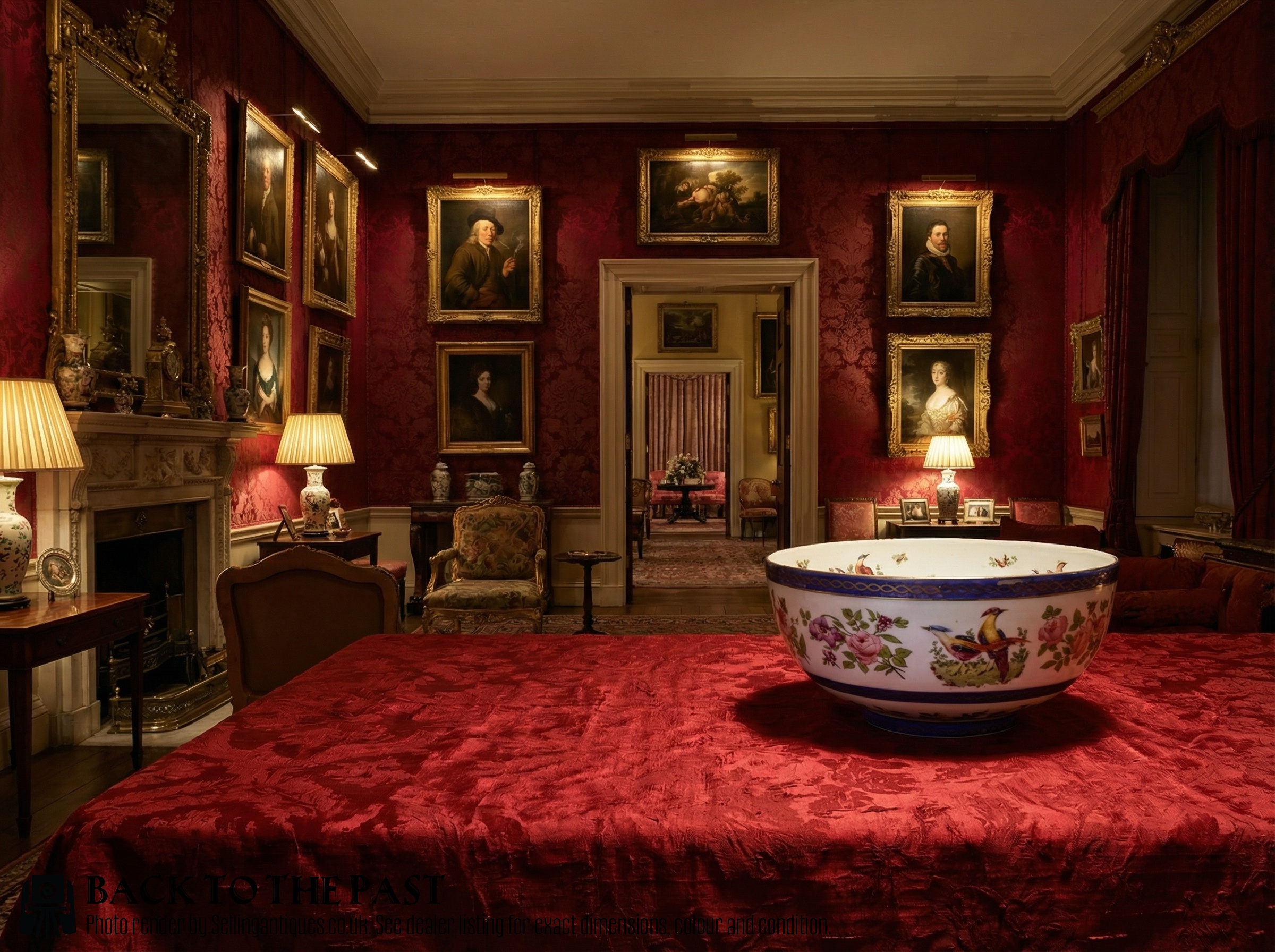
Vintage Porcelain Serving Bowl
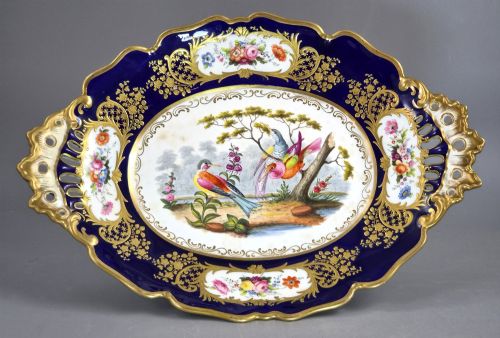
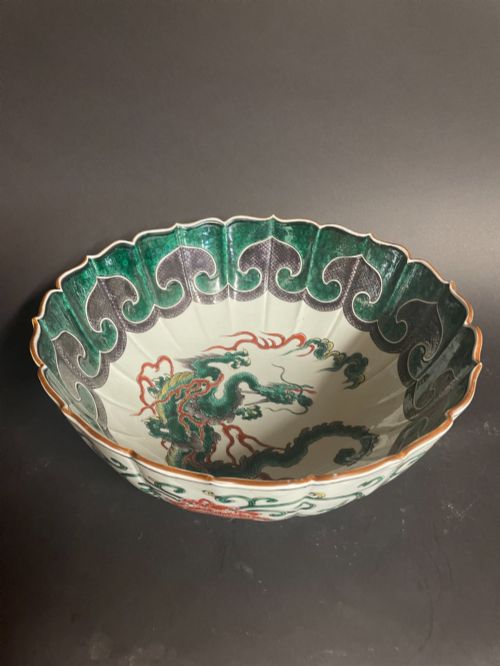
A vintage porcelain serving bowl encompasses everything from Japanese Imari dishes and Chinese export punch bowls to English cabinet pieces and continental European tablewares. When searching for a vintage porcelain serving bowl, collectors encounter hard-paste and soft-paste compositions spanning the eighteenth, nineteenth, and early twentieth centuries.
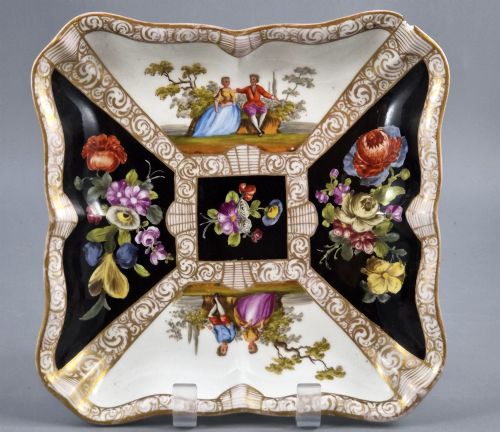
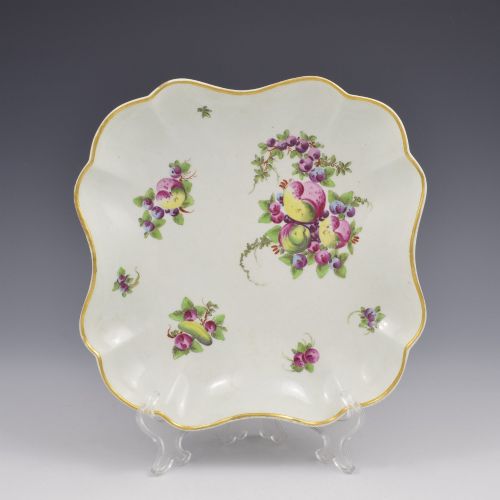
The objects take diverse forms, including deep punch bowls, scallop-edged vessels, boat-shaped dishes, and square lobed dessert services. Pieces originate from traditional English potteries, German manufactories such as Meissen and Paul Müller Selb, and Asian kilns.
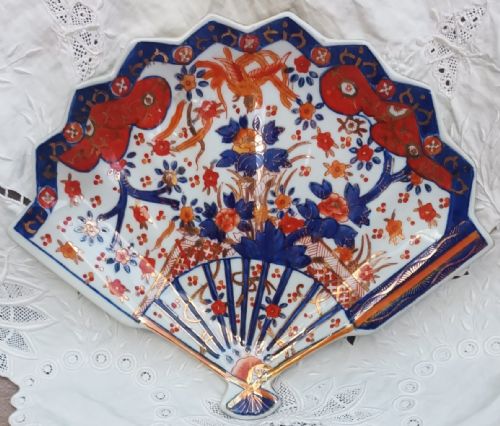
Meiji period Japanese Imari and Chinese blue and white motifs appear frequently alongside Victorian Rococo revival designs and hand-painted botanical studies. Buyers find both utilitarian serving vessels and purely decorative cabinet dishes sharing these historical characteristics.
Evaluating the standard
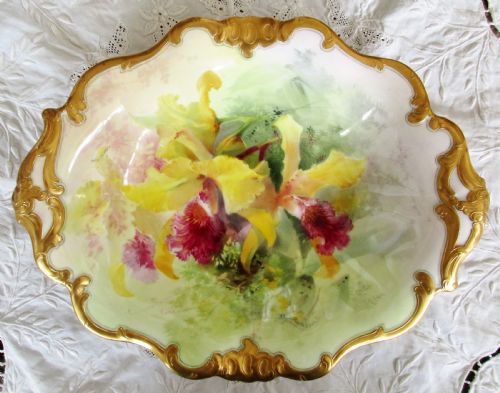
Quality rests upon the crispness of the hand-painted brushwork, the depth of cobalt blue pigments, and the precision of enamel application. Superior items display meticulous detail in figurative scenes, botanical studies such as orchids, and complex bird motifs.
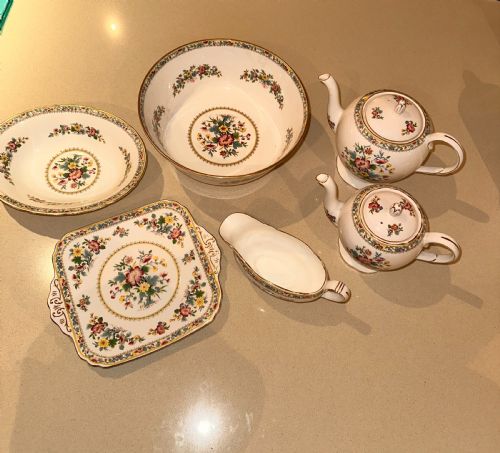
The refinement of the porcelain body, whether hard-paste or soft-paste, together with the preservation of gold leaf and gilt highlights, dictates the standing of each piece. Maker attribution, such as work attributed to Coalport, Meissen, or David Dewsberry for Royal Doulton, further elevates an object.
Fancy birds peer across eighteenth-century English surfaces while American eagles make unexpected appearances on Edwardian punch bowls.
Coalport·Meissen·Royal Doulton·David Dewsberry·Paul Müller Selb·R.Wehsner·Samson
The Vintage Porcelain Serving Bowl Glossary
- Hard-paste porcelain
- A durable ceramic material composed of kaolin and petuntse, fired at very high temperatures. It forms a dense, vitreous body resistant to scratching.
- Soft-paste porcelain
- An earlier European ceramic composition using glass frit and white clay, fired at lower temperatures than hard-paste. It possesses a warmer tone and a softer glaze.
- Imari
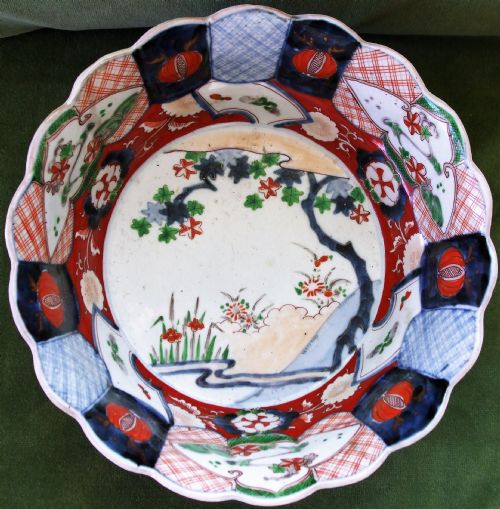
- A style of Japanese export porcelain characterised by underglaze blue and overglaze iron red, complemented by gold. These pieces were widely produced during the Edo and Meiji periods.
- Gilding
- The application of gold leaf or powdered gold onto the porcelain surface to accent rims, handles, and painted designs. It adds a reflective quality to the finished vessel.
- Gallery
- A pierced or openwork border surrounding the rim of a dish or bowl. This decorative feature is sometimes half-pierced for visual effect.
- Cobalt blue
- A stable mineral pigment used under the glaze to produce deep blue motifs and scenes. It remains one of the most enduring colours in ceramic history.
Vintage Porcelain Serving Bowl: Frequently Asked Questions
How do I identify a Meissen bowl?
Meissen pieces often feature distinctive Watteau scenes, black grounds, or robust proportions originating from nineteenth-century German production.
Examining the painting quality and porcelain body helps distinguish these European works from contemporary English or Asian wares.
What is Japanese Imari porcelain?
Japanese Imari porcelain is defined by its characteristic palette of underglaze blue, iron red, and gold leaf highlights. These items often feature intricate scallop-edged designs.
Produced extensively during the Meiji period, they served both domestic and export markets with vibrant decorative motifs.
Were punch bowls used for dining?
Large punch bowls and tureens functioned primarily as central serving vessels for communal drinks and dining during the eighteenth and nineteenth centuries.
Over time, many transitioned into cabinet pieces displayed for their intricate cobalt blue motifs and American eagle designs.
How do I care for antique porcelain?
Antique porcelain requires gentle hand washing with mild soap and warm water, avoiding abrasive sponges that might damage delicate gilding or enamel. Storing pieces safely away from edge hazards preserves fragile rims and scallop-shaped edges.
Regular careful handling ensures the hand-painted surfaces and gold leaf remain intact for future generations.