







Vintage Porcelain Sculpture
These vintage porcelain sculpture pieces bring character and form from the nineteenth and early twentieth centuries into a room.
Vintage Porcelain Sculpture
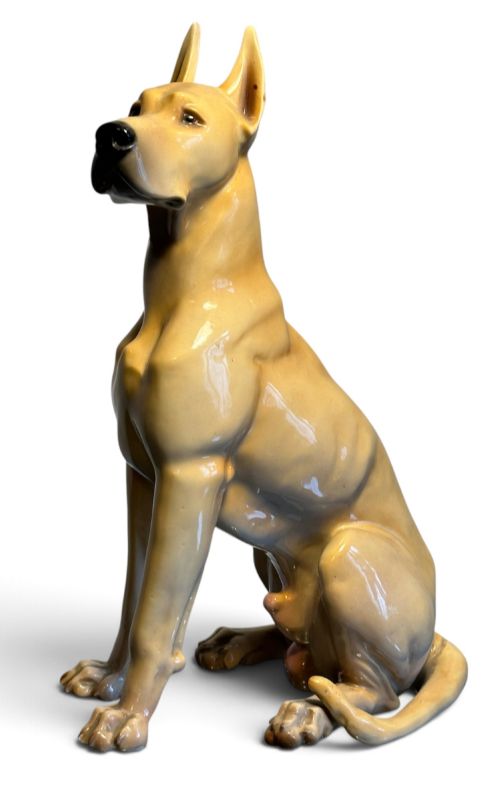
When you search for vintage porcelain sculpture, you encounter figures, groups, animals and lamps originating from diverse European and Asian traditions. The selection spans utilitarian ornaments, table lamps and decorative figures shaped across the nineteenth and twentieth centuries.
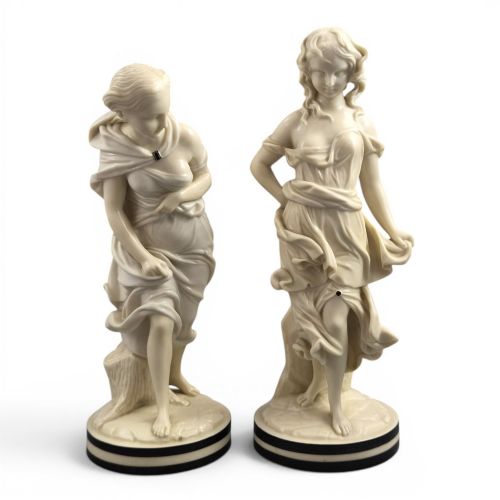
You meet works shaped in the Victorian and Edwardian eras alongside pieces bearing the distinct geometric lines of Art Deco and the flowing curves of Art Nouveau. Figures range from small animal studies to monumental maiden models produced by major European factories and workshops.
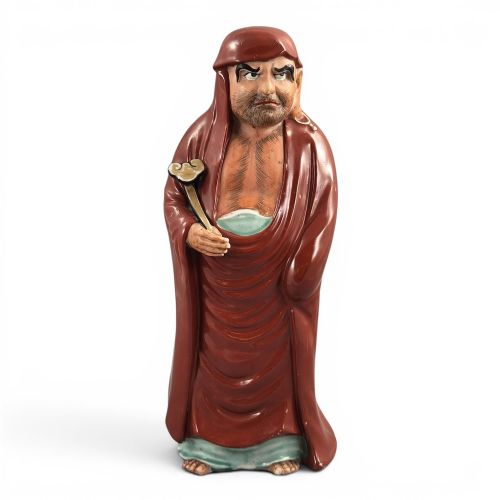
Eastern traditions appear through Japanese Kutani and Hirado pieces alongside Chinese Foo dogs and immortals. European works represent German, French and English production, covering subjects from mythological figures to everyday labourers and dancers.
How they were made
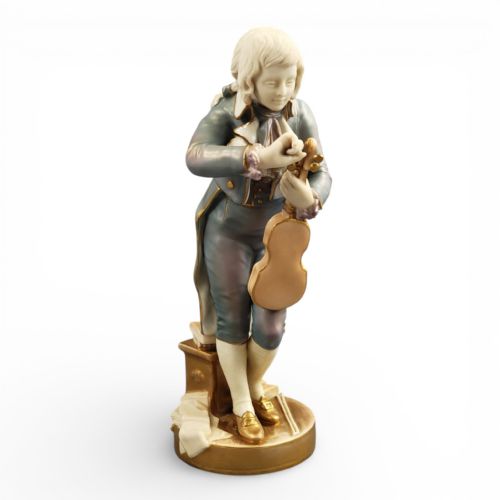
The objects utilise hard-paste and soft-paste porcelain, ceramic and bisque, finished with enamel, glaze and gilding. Artisans applied gold leaf and surface enamels to accent robes, bases and facial details.
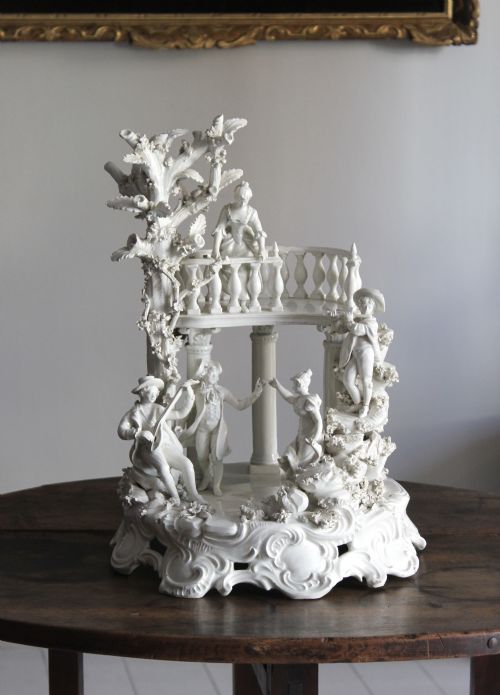
Complex groupings often incorporated lace elements, applied foliage like bocage, or intricate hand-painted polychrome decoration. Moulds captured fine gestures and drapery before high-temperature firing and subsequent detailed painting.
Vintage Porcelain Sculpture Retail Price Guide 2026
Typical asking prices for vintage porcelain sculpture among the pieces listed under this phrase on Sellingantiques today, from the lower quarter to the upper quarter. They describe what is for sale here now, not the wider market.
The selection includes works from Meissen, Royal Dux, Royal Worcester, and Japanese Kutani workshops.
What varies in quality
The application of glaze and enamel decoration marks a division in execution. Subtle hand-painted polychrome shading and controlled use of gold leaf or gilding distinguish the top tier of pieces from simpler monochromatic applications.
Nymphenburg·Meissen·Royal Dux Bohemia·Royal Worcester·C G Schierholz·Ernst Bohne Soehne·Helena Wolfsohn·Ernst Wahliss
The Vintage Porcelain Sculpture Glossary
- Bisque
- Unglazed ceramic or porcelain fired once, leaving a matte, porous surface resembling marble. This finish was widely utilised for nineteenth-century figures and animal groups.
- Bocage
- Applied background foliage made of porcelain leaves and flowers surrounding a central figure or animal group. It appears frequently on eighteenth-century and nineteenth-century English and continental pieces.
- Gilding
- The application of gold or gold leaf to ceramic surfaces to highlight details, trims and bases. Artisans often burnished the metal after firing to create a bright metallic sheen.
- Okimono
- A Japanese decorative sculpture designed for display on a shelf or in a traditional alcove. These figures portray animals, deities and historical subjects.
- Veilleuse
- A French nightlight or porcelain perfume lamp comprising a small heat source beneath a sculptural cover. They were produced extensively during the Art Deco period.
Vintage Porcelain Sculpture: Frequently Asked Questions
How do I identify Art Deco porcelain figures?
Art Deco pieces typically display stylized geometric forms, modern dress, and dramatic poses influenced by the aesthetic shifts of the 1920s and 1930s. Artists working in this mode prioritized sleek silhouettes and clean decorative planes over traditional ornamentation.
Look for figures depicting dancers, modern women, or animals executed with sharp, sweeping lines. German and French workshops produced many characteristic examples during this era.
What is the difference between hard-paste and soft-paste porcelain?
Hard-paste porcelain uses kaolin and petuntse fired at very high temperatures, producing a dense, vitreous body that resists scratching. European factories adopted this formulation widely from the eighteenth century onward.
Soft-paste porcelain incorporates glass frits and clay, requiring lower firing temperatures and resulting in a warmer, softer glaze appearance. French workshops utilised soft-paste extensively for early decorative figures.
How were nineteenth-century animal figures made?
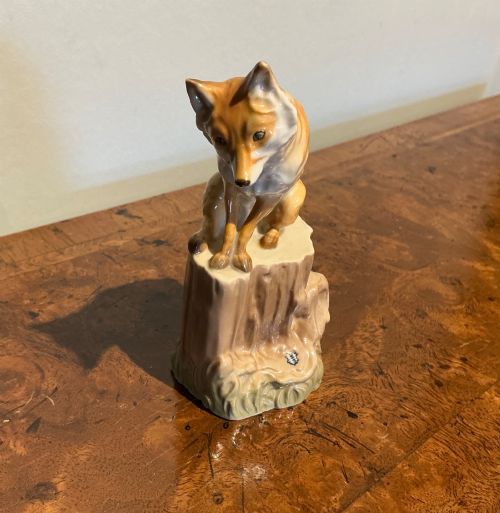
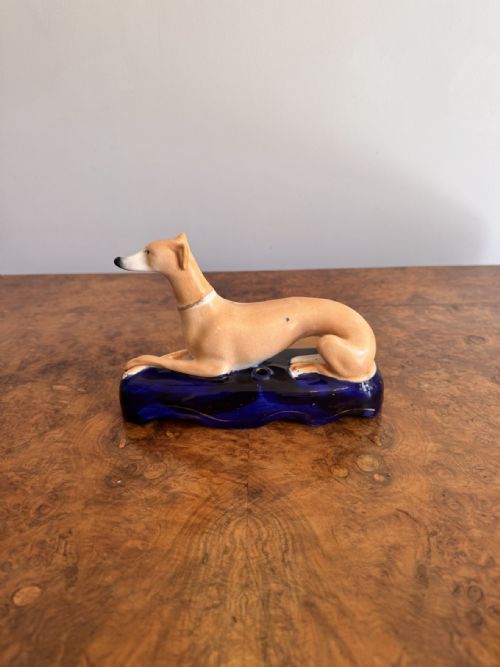
Sculptors modelled animals from life or tradition, utilising moulds to shape the primary porcelain or ceramic body. Artisans then refined details by hand before firing and glazing.
Some figures incorporated delicate elements like applied lace or naturalistic settings such as bocage foliage. Painters added enamel colours by hand prior to final firing.
Where were Royal Dux figures produced?
Royal Dux pieces originated in Bohemia, situated in what is now the Czech Republic. The factory achieved renown for monumental figures, maidens and Art Nouveau compositions.
Items from this maker often feature distinct applied pink triangle stamps and impressed model numbers. Their output spans the late nineteenth century into the twentieth century.
What subjects are common in Japanese Kutani porcelain?
Kutani figures frequently portray deities, immortals and mythical animals such as Foo dogs and Kannon. These works reflect traditional iconography rendered in porcelain.
Artisans applied rich enamel palettes, often combining red and gold tones. Such pieces formed part of export wares reaching Europe during the Edwardian era.