

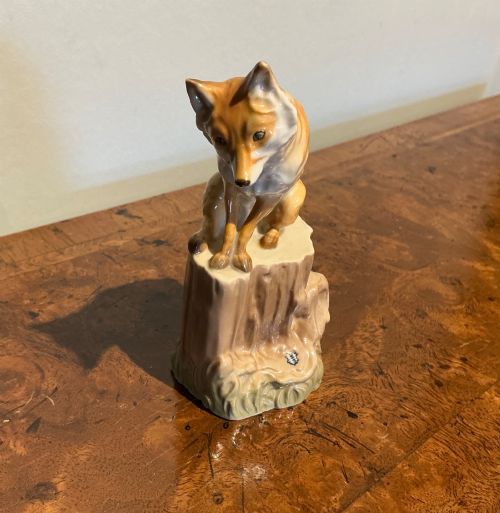
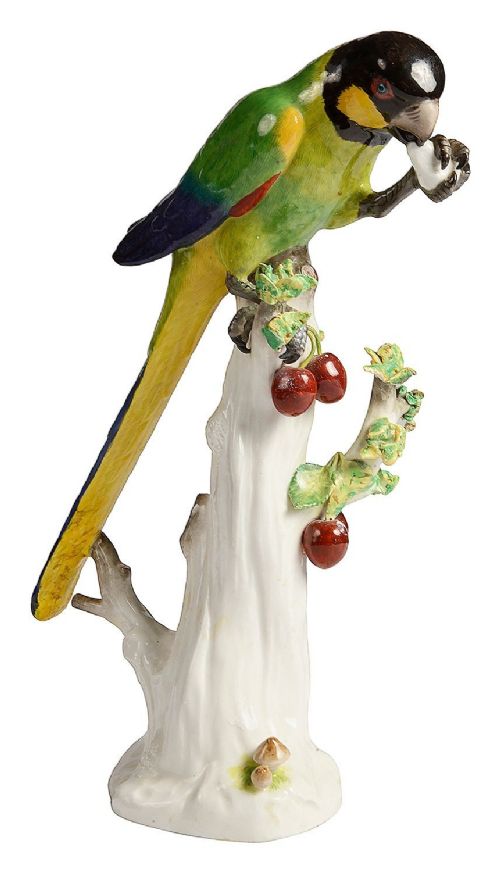


Painted Porcelain Animal Figurine
These painted porcelain animal figurine pieces bring character and colour to a room, ranging from small continental dog figures to large Meissen predators.
Painted Porcelain Animal Figurine
A painted porcelain animal figurine represents creatures from domestic dogs to exotic elephants and parrots, shaped through centuries of European and Chinese ceramic tradition. When you search for this phrase, you encounter forms that span Georgian models with bocage work, late Victorian figures, and twentieth-century modernist expressions.
The pieces on this page include Chinese export examples in Ming style with sancai glaze alongside European works from factories like Meissen, Derby, and Nymphenburg. These objects served primarily as decorative table ornaments and mantel displays for collectors who appreciated both naturalistic rendering and stylised historical subjects.
You are most likely to meet figures of birds, dogs, stags, and big cats produced during the nineteenth and early twentieth centuries, though eighteenth-century examples also appear. Each piece demonstrates the specific modelling techniques and glaze palettes favoured by its respective period and kiln.
How they were made
Potters shaped these figures using soft-paste or hard-paste porcelain clay, often building up complex forms around tree trunks or naturalistic bases. Artisans then applied enamel colours and glazes by hand before firing the pieces in kilns to vitrify the ceramic body.
Detailing frequently involved applied elements such as bocage foliage or intricate hand-painting enhanced with gilt highlights. The combination of underglaze blue and overglaze enamel pigments allowed makers to achieve varied colouration across feathers, fur, and skin.
Painted Porcelain Animal Figurine Retail Price Guide 2026
Typical asking prices for painted porcelain animal figurine among the pieces listed under this phrase on Sellingantiques today, from the lower quarter to the upper quarter. They describe what is for sale here now, not the wider market.
Alexander the Great's historic campaigns find an unexpected ceramic echo in a pair of porcelain elephants.
What varies in quality
The finesse of the modelling dictates much of the distinction between standard production and superior examples, particularly in the rendering of anatomy and expression. Naturalistic posture and crisp definition in the moulding of fur, feathers, and surrounding foliage demonstrate the skill of the original modeller.
Painted decoration also drives differentiation, as finely brushed enamel work and controlled gilding demand steady hands and artistic precision. The richness of the glaze and the preservation of hand-painted details over centuries mark the distinction between ordinary and exceptional specimens.
Nymphenburg·Meissen·Derby·Carl Thieme Dresden
The Painted Porcelain Animal Figurine Glossary
- Bocage
- Background foliage or floral work made of porcelain, frequently surrounding eighteenth-century figures. This delicate leafy arbour provides a decorative backdrop for animals and human subjects alike.
- Hard-paste porcelain
- A dense, vitrified ceramic compound composed of kaolin and petuntse fired at high temperatures. It resists scratching and provides a bright white ground for enamel painting.
- Sancai glaze
- A low-firing three-colour lead glaze tradition originating in China, typically utilising green, amber, and cream tones. It appears on export figures imitating earlier styles.
- Soft-paste porcelain
- An artificial porcelain body developed in Europe before the discovery of true hard-paste formula. It possesses a softer appearance and a warmer, slightly creamy glaze surface.
Painted Porcelain Animal Figurine: Frequently Asked Questions
How do I identify a period piece?
Examine the base for factory marks, paste consistency, and the style of enamel painting applied by the decorator. Earlier pieces often display underglaze blue sword marks or incised numbers characteristic of specific kilns.
Compare the modelling style and glaze characteristics against documented examples from the same era. Weight, translucency of the porcelain body, and wear patterns on the underside offer further clues to age.
Were these figurines meant to be displayed?
These decorative objects served as mantel ornaments, cabinet display pieces, and table centrepieces in prosperous homes. Wealthy owners arranged them in elaborate tableaus during formal dinners.
Their primary function was aesthetic rather than utilitarian, showcasing the wealth and refined taste of the household through imported or domestic ceramic art.
What does bocage signify on figures?
Bocage represents leafy woodland or garden foliage, providing a scenic backdrop that anchors the animal figure within a natural setting. It adds structural context to hunting or pastoral scenes.
This decorative feature requires careful handling because the thin porcelain leaves are susceptible to chipping during transport or cleaning.