


Vintage Pitch Pine Furniture
Vintage pitch pine furniture brings robust, resinous timber into domestic spaces through practical forms shaped by Victorian, Edwardian, and institutional utility.
Vintage Pitch Pine Furniture
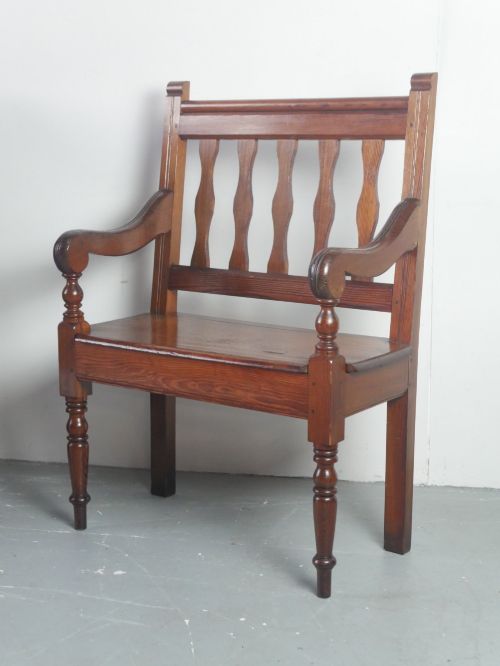
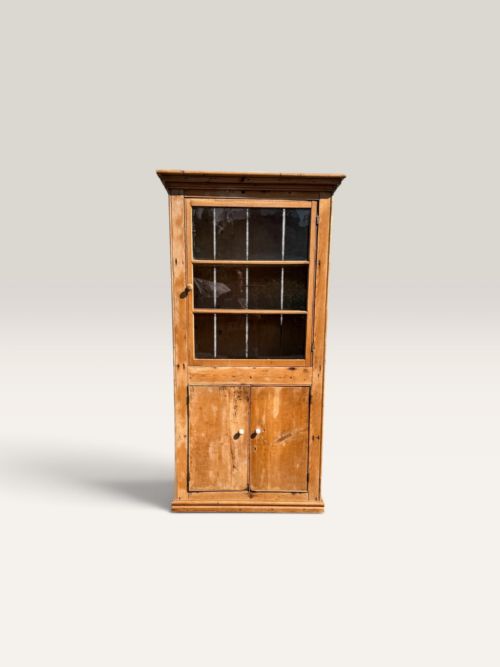
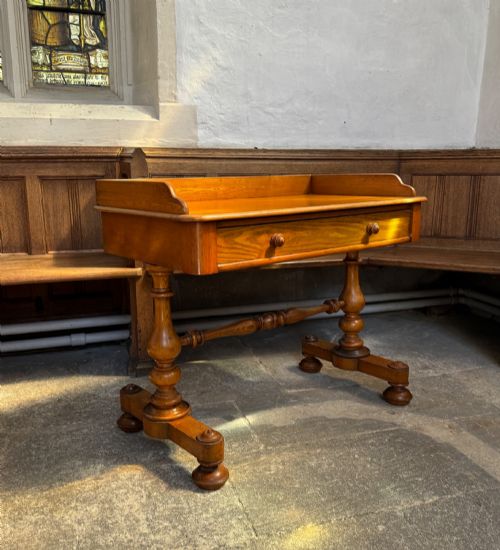
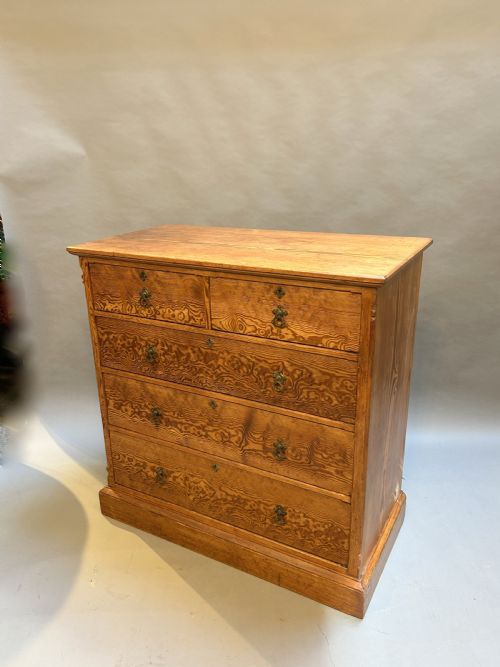
Vintage pitch pine furniture encompasses working forms like benches, desks, cupboards, and chests of drawers rooted in utilitarian and institutional origins. These pieces range from Victorian church pews and school cupboards to maritime writing tables and campaign chests.
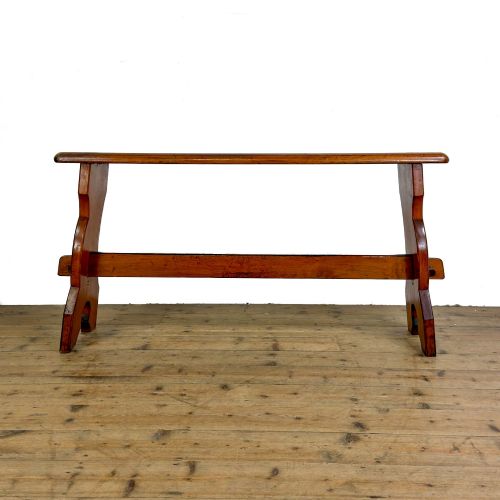
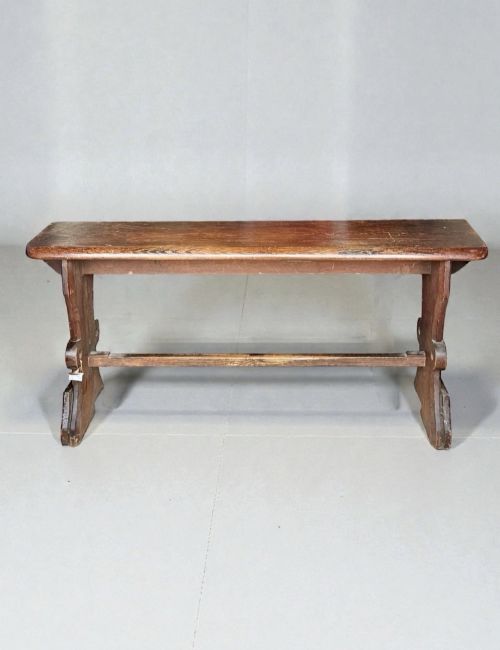
Buyers are most likely to meet seating and storage variations on this page, notably hall benches, railway benches, and pedestals. The dating spans the nineteenth century through to the 1930s, capturing eras of heavy public and domestic service.
Origins stretch across ecclesiastical, maritime, and educational settings, bringing distinct functional histories into the home. Pieces often carry specific provenance, such as school names or ship associations, marking their former working lives.
Assessing quality and character
Quality rests in the grain density and resin content of the pitch pine itself, alongside the integrity of the original construction. Pieces with denser growth rings offer greater resilience and a deeper amber tone over time.
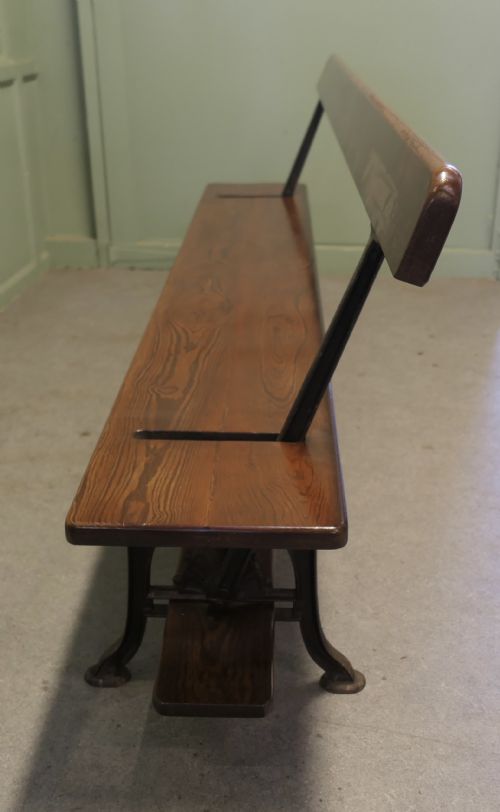
Functional complexity also separates utilitarian items, such as reversible tram benches with iron hardware versus simpler fixed seating. Original hardware, such as brass campaign handles or cast iron brackets, elevates a piece's integrity.
Several benches on offer spent their earlier working lives on reversible tram and trolley bus routes.
The Vintage Pitch Pine Furniture Glossary
- Pitch pine
- A resinous North American pine species prized for its durability, dense grain, and warm colour. It was widely imported into Britain during the nineteenth century for heavy structural and furniture use.
- Campaign chest
- A chest of drawers built in sections with recessed brass handles for ease of transport by military officers or travellers. These items utilise sturdy timbers to withstand rough journeys.
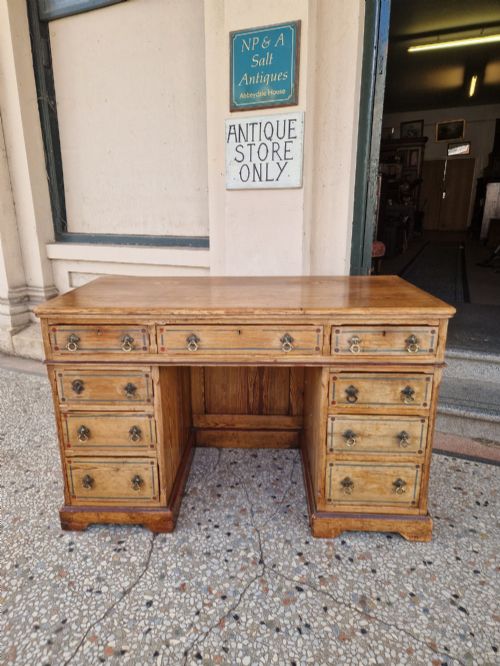
- Kneehole desk
- A writing desk featuring a recessed central space for the legs, flanked by pedestals of drawers. This form provides substantial storage while maintaining a compact footprint.
- Ecclesiastical furniture
- Items made for churches and chapels, including pews, organ benches, and vestry cupboards. They are typically constructed from robust woods like pine to endure heavy public use.
- Demi-lune
- A half-moon or semicircular shape applied to tables and cabinets designed to sit flat against a wall. This profile saves floor space in narrow hallways and passages.
Vintage Pitch Pine Furniture: Frequently Asked Questions
How do I clean pitch pine furniture?
Dust surfaces regularly with a soft, dry cloth to prevent dirt build-up in the grain. Avoid excessive water or harsh chemical cleaners that can strip the natural resinous finish.
Apply a traditional beeswax polish occasionally to nourish the timber and maintain its natural lustre. Buff gently after application to bring up a soft sheen without creating a sticky residue.
Are these pieces suitable for everyday home use?
These items were originally built for rigorous institutional, maritime, or school environments, making them exceptionally durable for modern living. Their solid construction easily withstands the demands of daily family life.
Benches, desks, and cupboards offer practical storage and seating solutions that integrate well into contemporary hallways, kitchens, and studies.
How can I tell the age of pitch pine furniture?
Dating relies on examining construction methods, hardware materials, and historical design styles. Victorian and Edwardian pieces often feature hand-cut joints or early machine-sawn timber marks.
Associated hardware, such as cast iron brackets on railway benches or brass pulls on campaign chests, helps narrow down the manufacturing decade.