

Vintage Pink Wool Rug
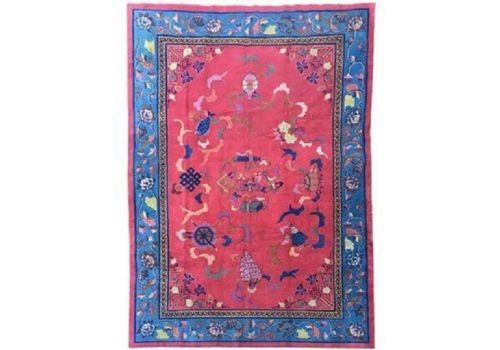
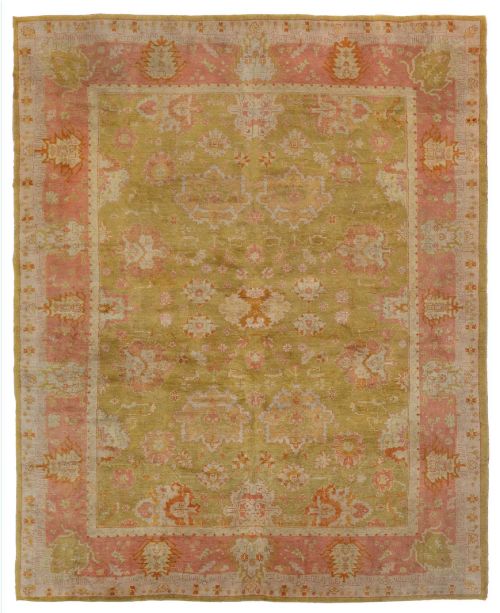
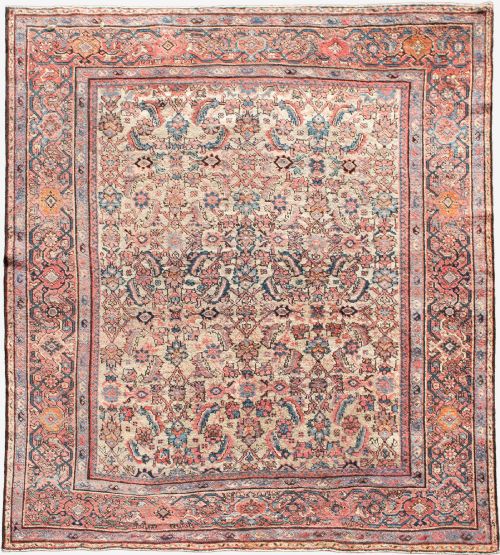
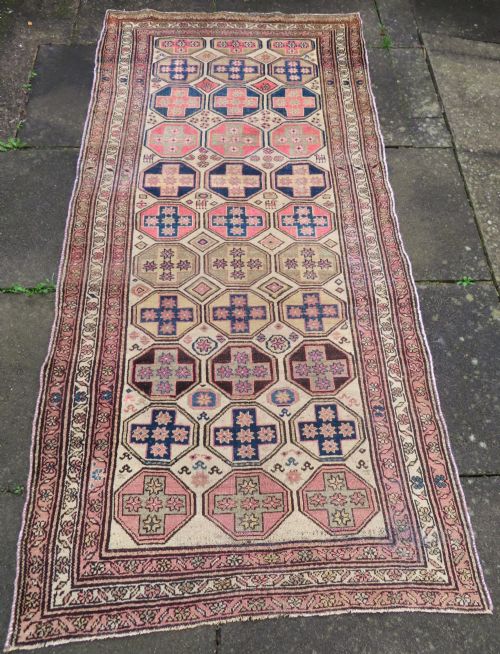
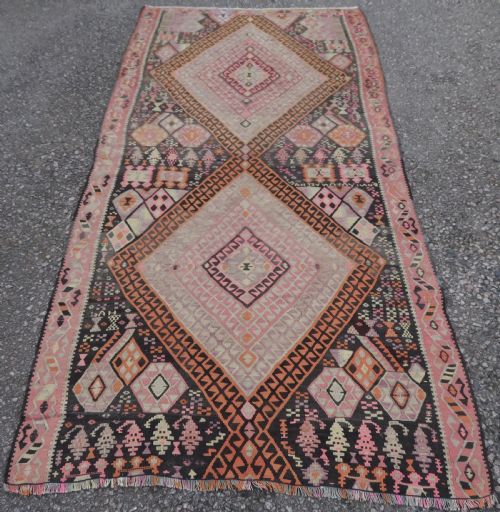
These pieces give a vintage pink wool rug distinction through faded dyes and traditional weaves spanning from the late nineteenth century into the 1930s.
Vintage Pink Wool Rug
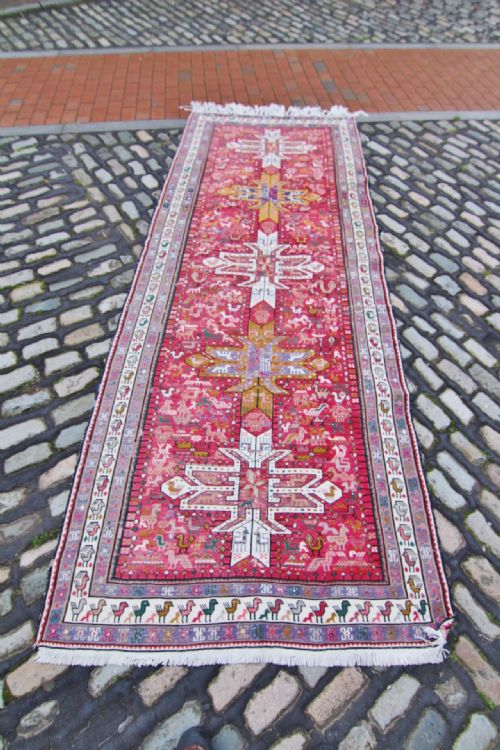
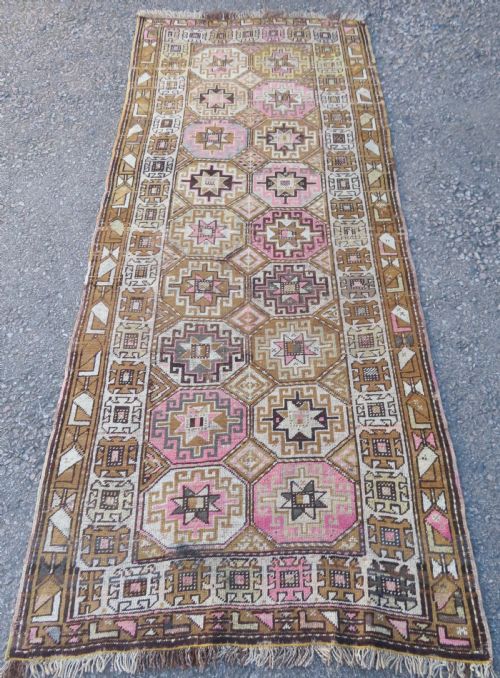
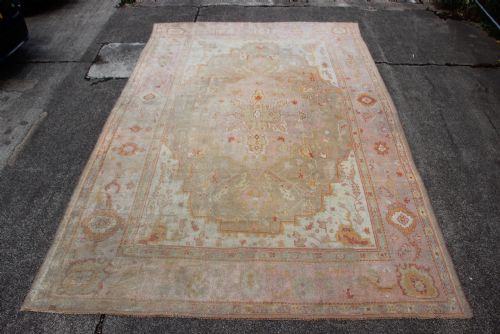
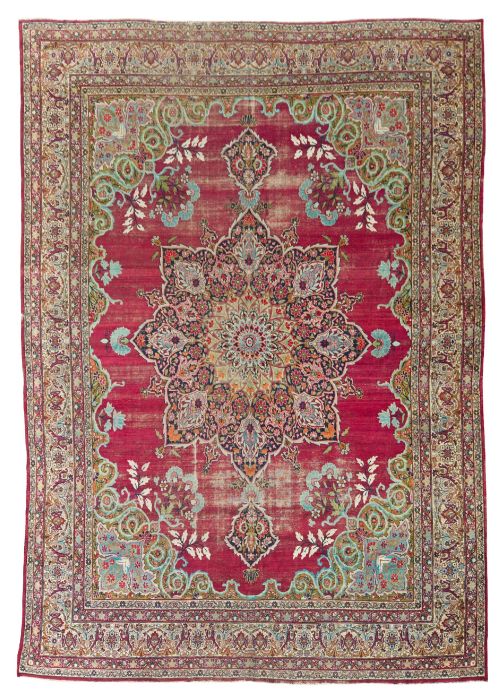
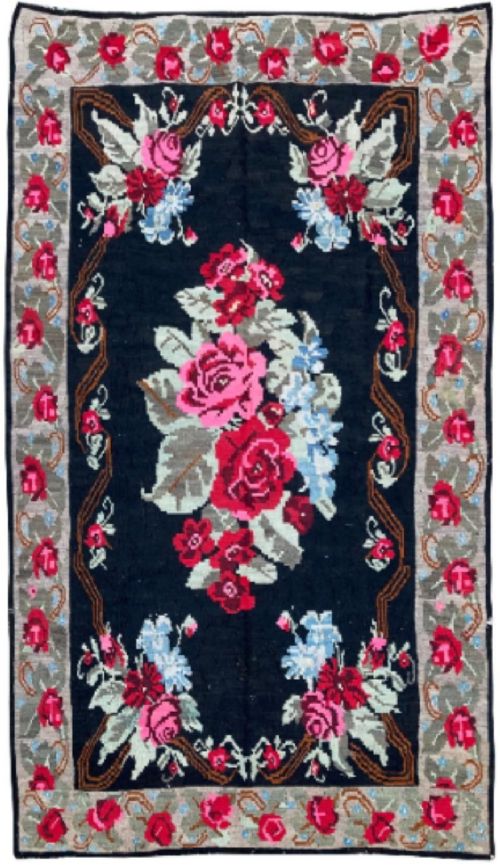
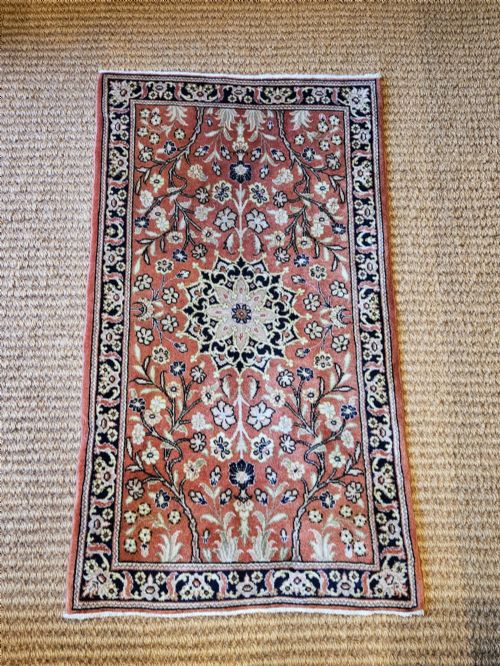
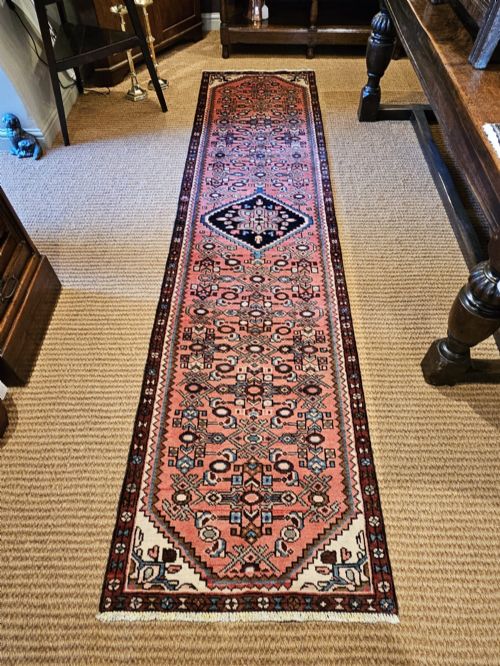
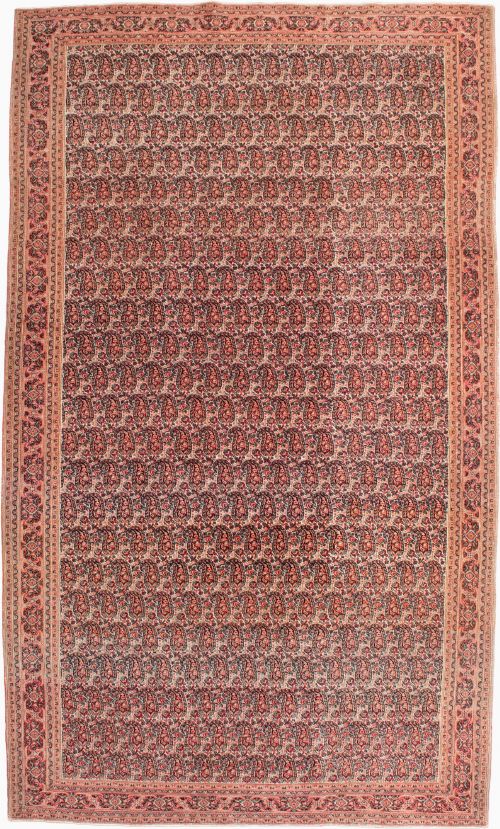
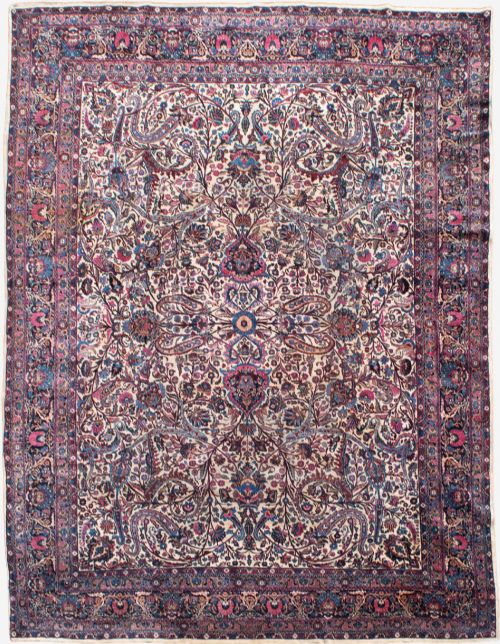
A vintage pink wool rug brings together regional carpet-weaving traditions from Persia, Turkey, and the Caucasus, dating primarily from the 1870s up through the 1930s. Buyers searching this phrase encounter room-sized carpets, runners, hearth mats, and tribal bags woven in varied formats.
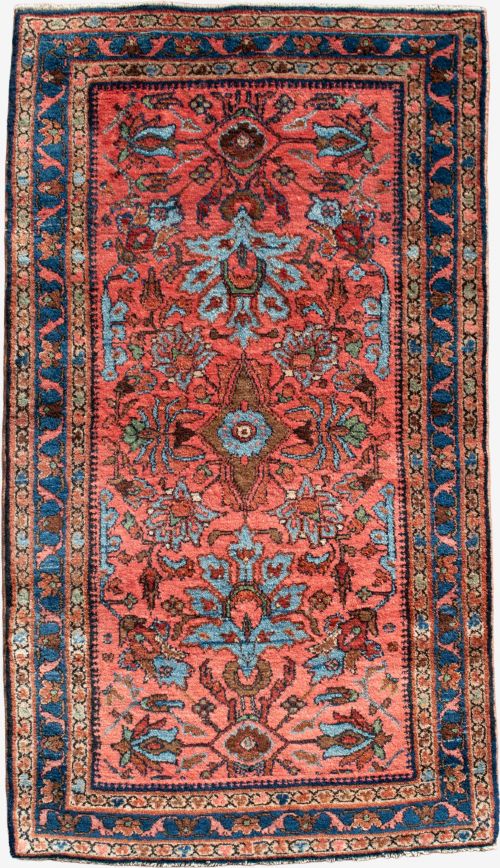
The prevalent examples on this page stem from historic production centres like Ushak, Kirman, Hamadan, and Kurdish or Qashqai village workshops. These pieces show regional motifs worked in softer wool pile or flatweave structures, often aged to muted tones.
Materials and construction
The pieces rely primarily on pure wool for the pile and foundation structure, sometimes paired with cotton warps and wefts, alongside Tibetan wool variations and natural dyes. Hand-weaving techniques unite these disparate origins, whether executed as piled carpets or flatwoven kilims.
Nomadic and village weavers utilised local fleece spun by hand and dyed using traditional organic sources. The resulting textiles show the density and resilience characteristic of wool floor coverings built for utilitarian service.
Vintage Pink Wool Rug Retail Price Guide 2026
Typical asking prices for vintage pink wool rug among the pieces listed under this phrase on Sellingantiques today, from the lower quarter to the upper quarter. They describe what is for sale here now, not the wider market.
Several nomadic weavers included tiny intentional irregularities in their borders to ward off the evil eye.
Evaluating the standard
Quality rests upon the fineness of the knotting and the integrity of the structural foundation, which dictate how well a woven textile maintains its form over generations. Superior examples exhibit balanced proportions and harmonious secondary colours within the field.
The handling of the wool and the chemistry of the natural dyes create the depth of patina observed in better specimens. Wear patterns and historical restoration also influence how an individual rug sits within its period.
The Vintage Pink Wool Rug Glossary
- Pile
- The upright yarn loops or tufts that form the usable surface of a rug. This dense layer absorbs foot traffic and displays the woven design.
- Kilim
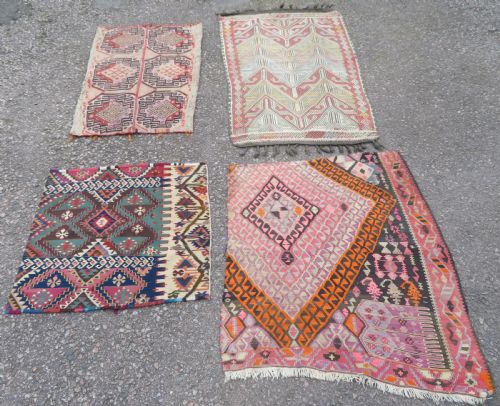
- A flatwoven carpet or rug produced without a pile by tightly interlacing warp and weft strands. These textiles often serve as tribal floor coverings or decorative wall hangings.
- Warp
- The stationary vertical threads stretched lengthwise on a loom before weaving commences. Wefts are passed across these foundation threads to secure the knots.
- Patina
- The surface sheen and softening of colour developed through age, light exposure, and natural wear. Collectors value this visual depth as evidence of history.
Vintage Pink Wool Rug: Frequently Asked Questions
How do I clean an old wool rug?
Gentle surface brushing and professional specialist dusting preserve the natural lanolin within the wool fibres. Avoid harsh chemical immersion or abrasive scrubbing.
Regular light vacuuming without a rotating power head prevents dust accumulation in the pile without stressing the fragile foundation threads.
Where were these woven?
The pieces originate from traditional workshops, nomadic encampments, and village communities across Persia, Turkey, the Caucasus, and Tibet. Each region developed distinct palettes and geometric or floral motifs.
Local access to specific sheep breeds and native dye plants shaped the distinct character of carpets from centres like Ushak or Kirman.
Can I use runners in hallways?
Long narrow formats suit corridors and stairways when paired with a breathable underlay to prevent sliding and reduce friction against the floorboards. The durable wool construction handles standard household foot traffic.
Rotating the runner periodically distributes wear evenly across the length of the pile.
How do I date a carpet?
Stylistic markers, dye chemistry, and structural conventions help position a textile within a specific decade or century. Comparing knot density and regional motifs against documented examples provides a reliable chronology.
Written dates, where present in the weave or inscriptions, offer direct confirmation of the year of creation.