

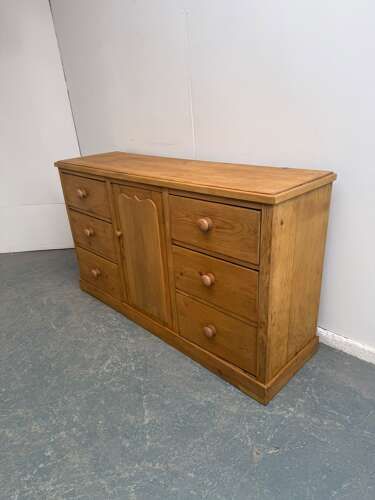
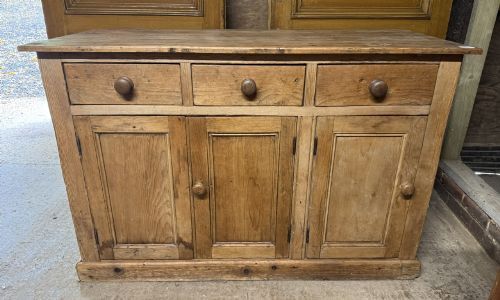
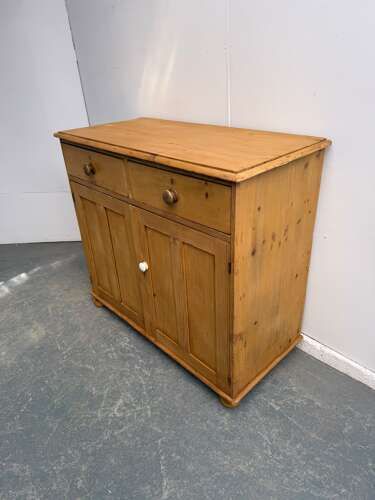

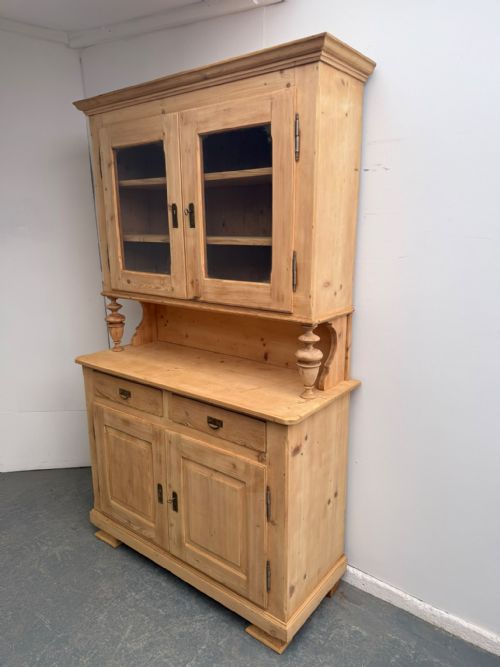
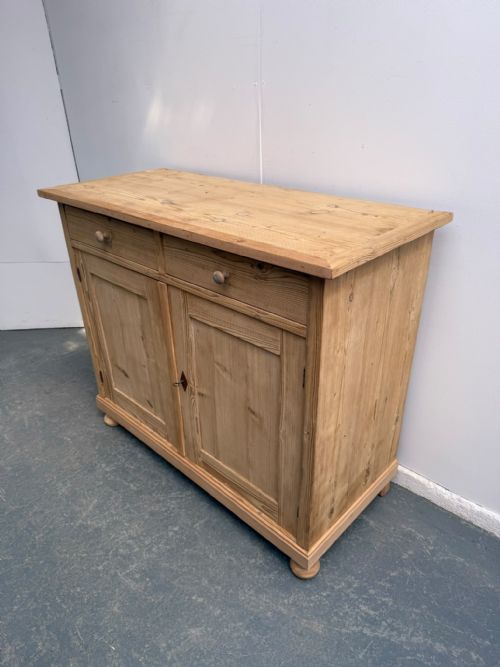

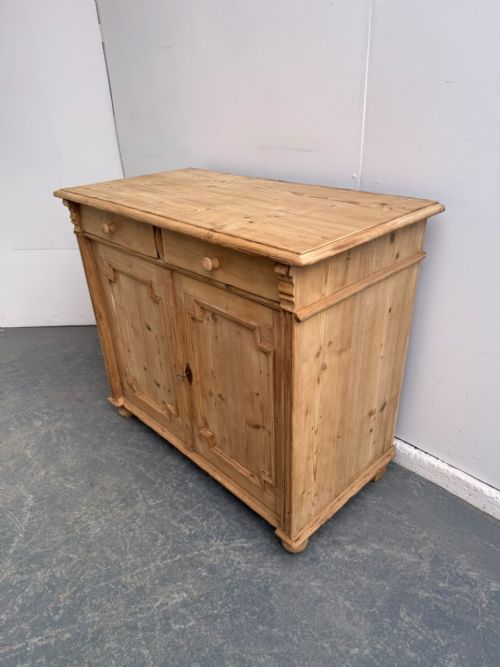
Vintage Pine Buffet
A vintage pine buffet brings utilitarian warmth to a room, offering practical storage through time-worn timber surfaces.
Vintage Pine Buffet
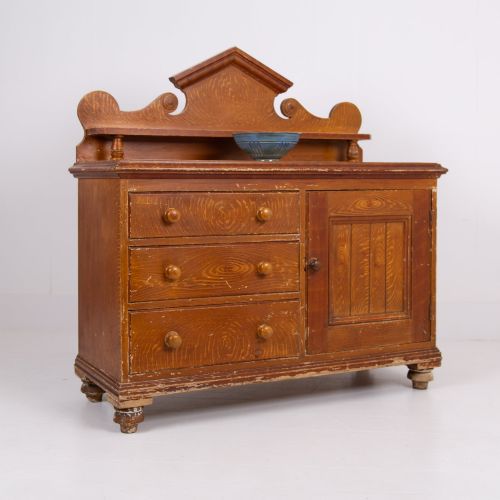
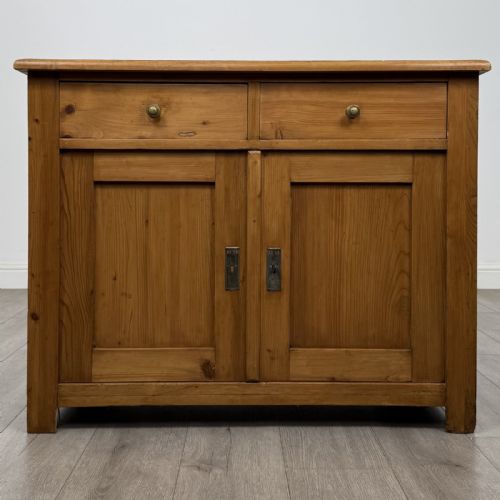
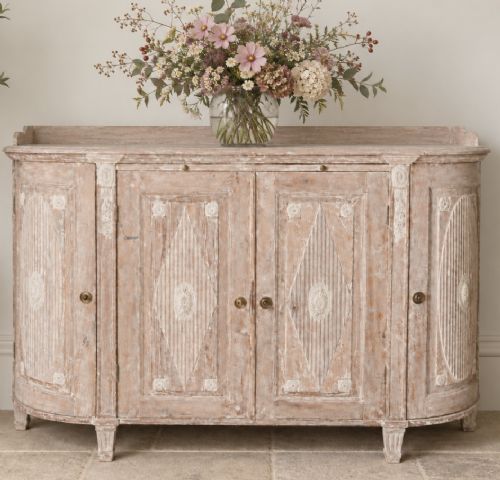
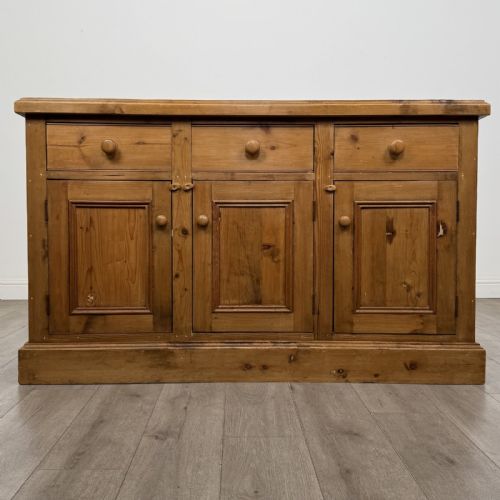
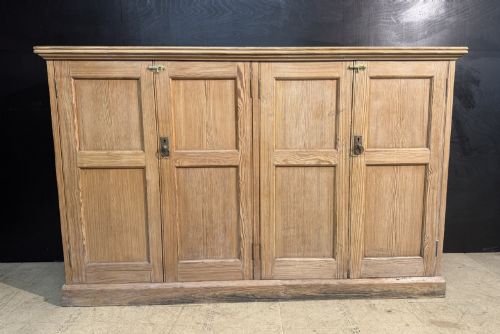
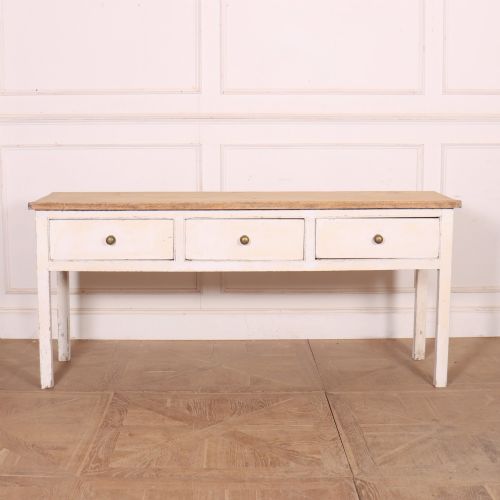
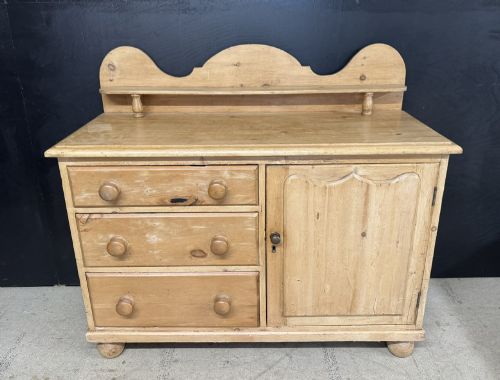
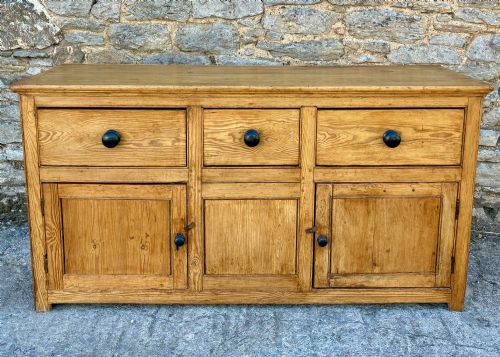
When searching for a vintage pine buffet, buyers encounter robust storage furniture spanning the eighteenth, nineteenth, and early twentieth centuries. These practical items include dresser bases, sideboards, kitchen cupboards, and chiffoniers originating from English, Scottish, Welsh, and Scandinavian workshops.
The selection ranges from large painted school cupboards and lengthy farmhouse sideboards to smaller country dressers and shallow storage units. Pieces appear either in original paint finishes, such as Swedish ragwork, or prepared for waxing and painting according to domestic preference.
Assessing Quality and Character
Quality rests in the integrity of the timber, the retention of original surface finishes like old paint or rich wax patination, and the proportion of the piece. Untouched examples with honest signs of age command attention over heavily altered or stripped items.
Structural proportion and regional cabinet-making characteristics also distinguish simpler utility cupboards from more considered country house or provincial pieces.
Vintage Pine Buffet Retail Price Guide 2026
Typical asking prices for vintage pine buffet among the pieces listed under this phrase on Sellingantiques today, from the lower quarter to the upper quarter. They describe what is for sale here now, not the wider market.
Swedish cupboards frequently surprise admirers with hidden interior compartments designed long ago for secret linens.
The Vintage Pine Buffet Glossary
- Dresser base
- A lower sideboard unit typically containing drawers and cupboards beneath a flat top, historically used for food preparation and storage.
- Chiffonier
- A compact sideboard or low cupboard featuring a combination of drawers and lower doors, popular during the nineteenth century.
- Potboard
- An open lower shelf fitted beneath a dresser base, originally designed to hold heavy pots and culinary utensils.
- Ragwork paint
- A decorative paint technique utilising cloths to create mottled or textured patterns on nineteenth-century Scandinavian and European furniture.
- Waxed pine
- Timber finished with protective natural wax to nourish the grain and develop a deep lustre over decades of handling.
Vintage Pine Buffet: Frequently Asked Questions
How do I care for a waxed pine buffet?
Maintain the wood by applying a quality beeswax periodically to nourish the dry timber and protect against everyday moisture.
Avoid placing the piece near direct heat sources or strong sunlight, which can cause the softwood to dry out and split.
Are these buffets suitable for modern kitchens?
These practical cupboards provide substantial storage for tableware, linens, and dry goods while introducing rustic texture to contemporary spaces.
Their varied dimensions, from shallow bases to long farmhouse sideboards, allow them to function effectively as serveries or media units.
What is the difference between painted and stripped pine?
Original painted surfaces preserve historical decoration and the specific aesthetic choices of regional European and British workshops.
Stripped or waxed examples expose the natural grain of the pine, showcasing knots and the warmth accumulated over centuries of use.
How can I tell a Victorian buffet from an earlier piece?
Eighteenth-century and Georgian examples often display distinct hand-cut joinery and proportions distinct from mass-produced nineteenth-century factory or school furniture.
Examination of hardware, drawer construction, and nail types helps clarify the era in which the cabinet was assembled.