

Vintage Pine Bedroom Storage
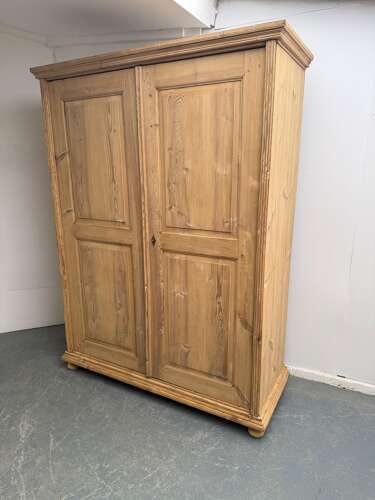
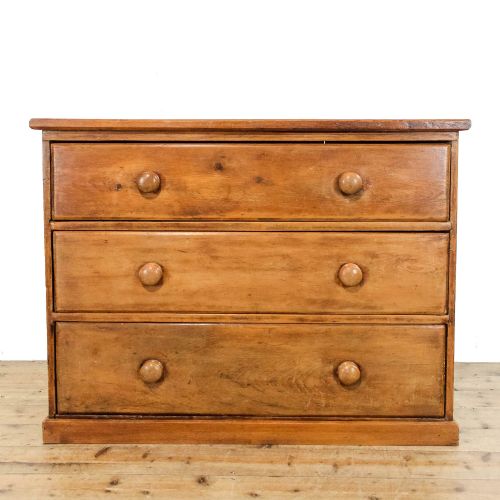
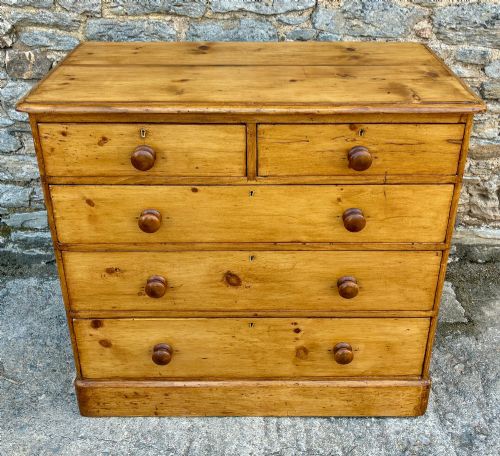
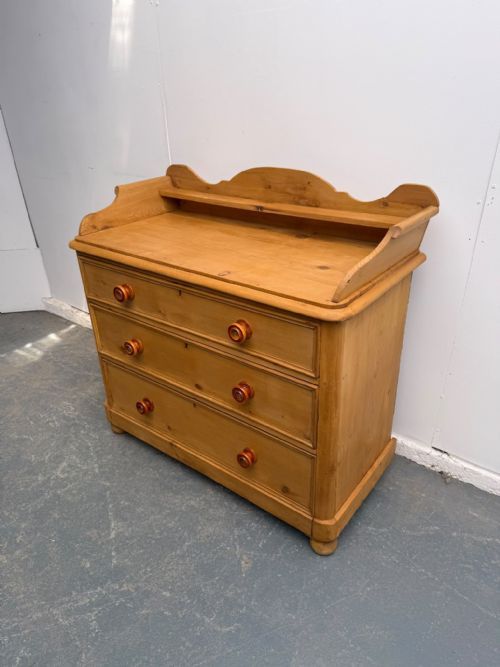
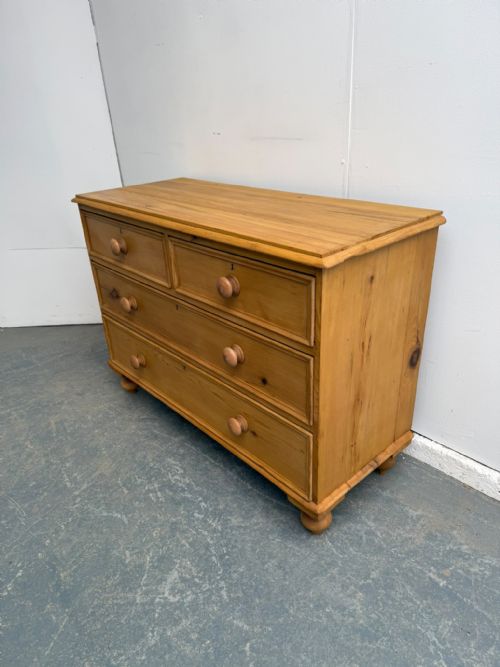
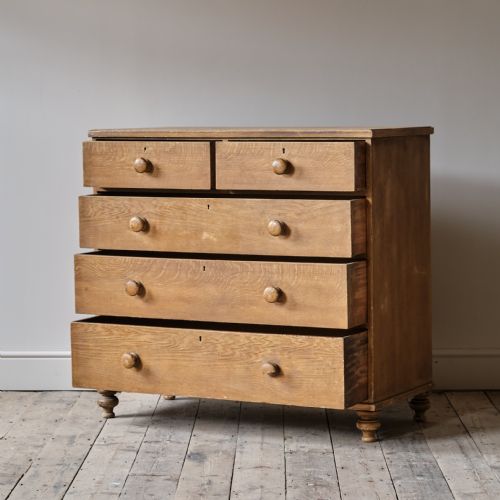
Vintage pine bedroom storage pieces provide practical utility through chests of drawers, wardrobes, and cupboards originating from the Georgian, Victorian, and Edwardian periods.
Vintage Pine Bedroom Storage
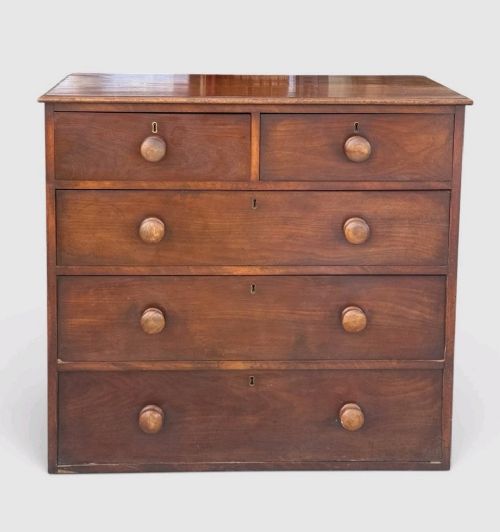
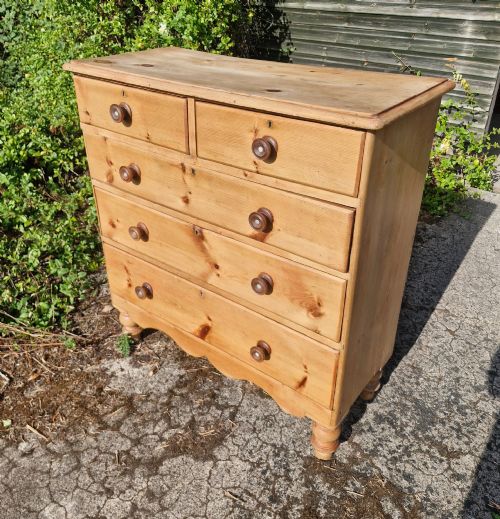
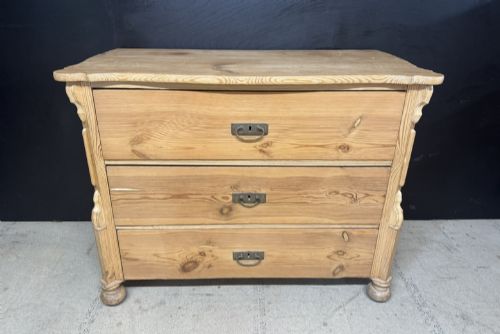
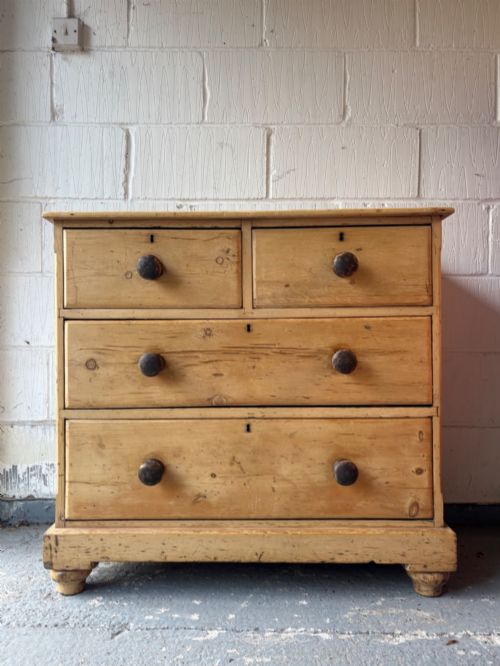
Vintage pine bedroom storage centres on traditional furniture built to hold garments and household linens in domestic settings. Chests of drawers dominate the selection, accompanied by large wardrobes, armoires, and dressing tables.
The pieces on this page span the Georgian, Victorian, and Edwardian eras, reaching into the early twentieth century. Common regional types include English country pieces alongside Hungarian, French Gustavian, and Italian examples.
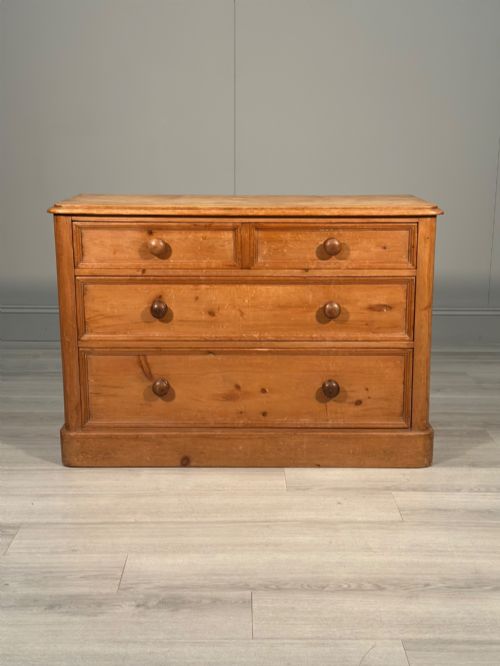
Buyers encounter forms ranging from low, wide four-drawer chests to massive knockdown wardrobes and chifferobes. These items deliver honest utility while displaying the honest grain or decorative paintwork typical of their period of origin.
Materials and construction methods
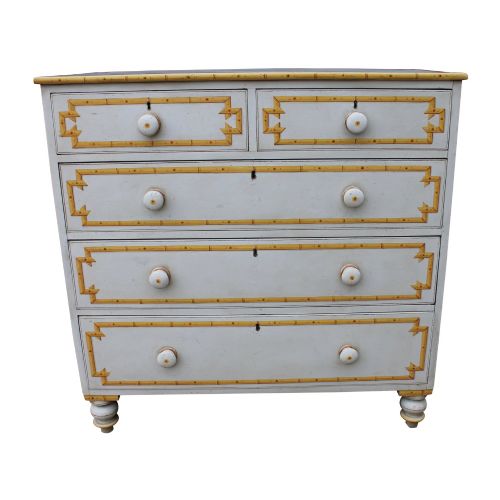
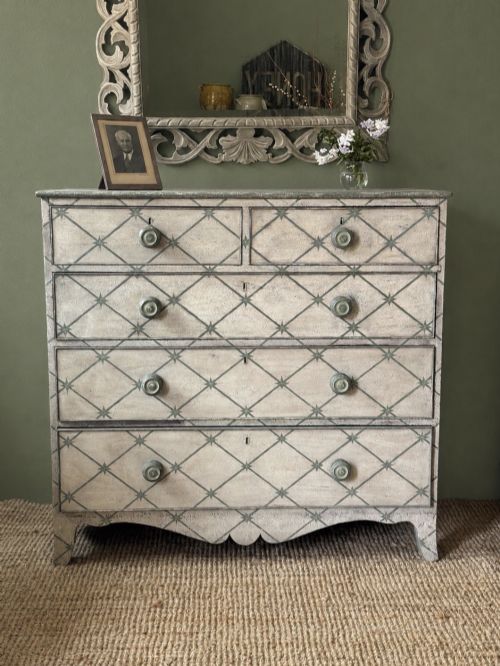
Makers utilised solid pine timber for the primary structure of these bedroom storage pieces, often pairing the wood with brass, iron, or metal handles and hinges. Certain examples feature original paint finishes or decorative polychrome surface treatments.
Construction relies on traditional joinery techniques appropriate for utilitarian furniture intended for daily domestic service. Knockdown wardrobes allowed large carcasses to be dismantled for transport and reassembled in upstairs chambers.
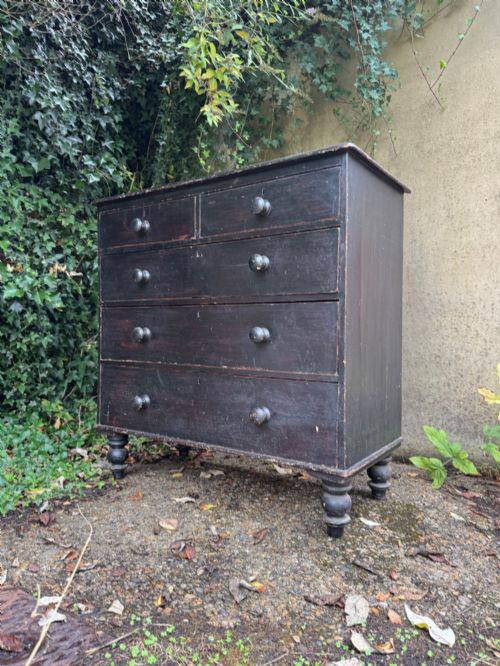
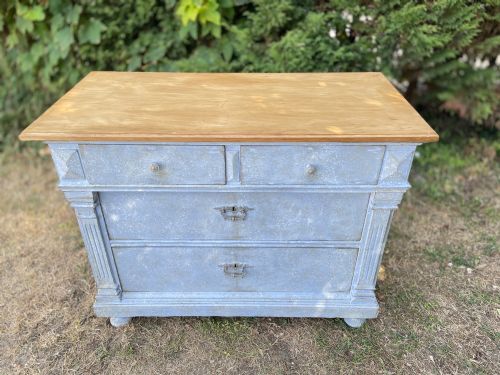
A Hungarian chest of drawers hides its rustic secrets behind solid pine and old black paint, ready for another century of storing socks.
Distinctions in quality and finish
Quality varies according to the integrity of the original timber, the subtlety of proportion, and the survival of early surface treatments such as historic wax or original paint. Pieces retaining their unstripped patination command greater interest from collectors.
Construction details such as dovetailed drawer boxes, well-fitted panel doors, and original hardware elevate certain examples above standard utilitarian items. The presence of shaped bases or decorative carved elements adds further distinction.
The Vintage Pine Bedroom Storage Glossary
- Knockdown wardrobe
- A large wardrobe designed with pegged or bolted joints so the carcass can be disassembled for moving. This clever construction method made transport up narrow staircases straightforward.
- Chifferobe
- A hybrid piece combining the hanging space of a wardrobe with the drawer storage of a tall chest. It offers versatile bedroom organisation within a single compact footprint.
- Commode
- A low chest of drawers, often of continental European origin, used originally for bedside storage or general linen organisation. French and Italian examples frequently display refined painted decoration.
- Scrubbed pine
- Timber surfaces that have been repeatedly washed or scrubbed clean of old finishes to reveal the pale natural grain beneath. This finish is characteristic of rustic country furniture.
- Polychrome
- Painted in several distinct colours, often found on decorative continental wardrobes and cupboards. This treatment adds vibrant visual character to the pine substrate.
Vintage Pine Bedroom Storage: Frequently Asked Questions
How do I care for waxed pine furniture?
Maintain waxed pine surfaces by applying a natural beeswax polish sparingly and buffing with a soft cloth to nourish the timber. Avoid placing these pieces near direct heat sources or in damp conditions to prevent the wood from warping.
Regular dusting with a dry cloth protects the wax finish from abrasive particles. Reapply wax only when the wood appears dry or dull.
What is a knockdown wardrobe?
A knockdown wardrobe is a large storage piece constructed with interlocking joints and pegs rather than permanent glue. This ingenious design allowed owners to dismantle the entire cabinet for moving between rooms or properties.
When purchasing one, check that all original wooden pegs or bolts remain present to ensure structural stability upon reassembly.
Are painted pine pieces original?
Many pine pieces retain their original historic paint or decorative polychrome finishes applied during the nineteenth or early twentieth centuries. Continental examples from Hungary and Italy frequently showcase vibrant painted surfaces as part of their regional tradition.
Inspect the paint for craquelure, wear patterns, and underlying layers to determine whether the finish is period-authentic or a later addition.