

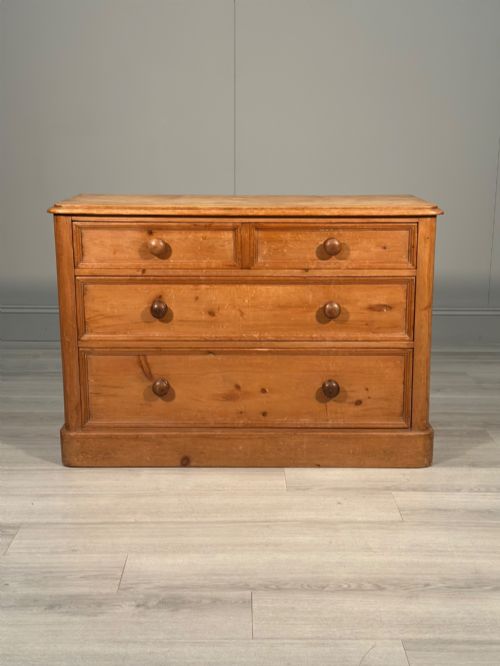
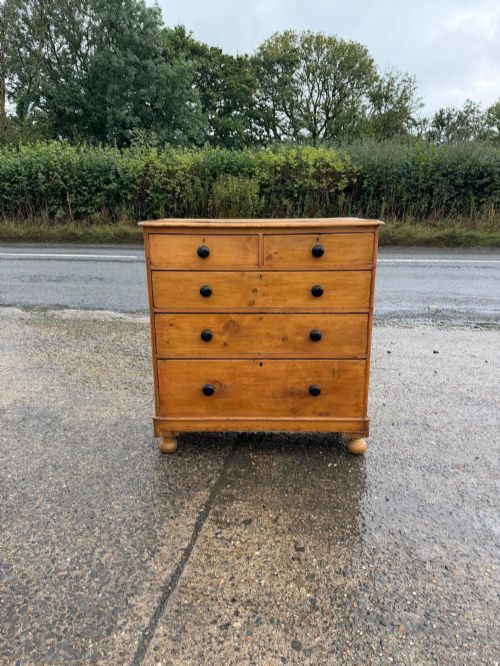
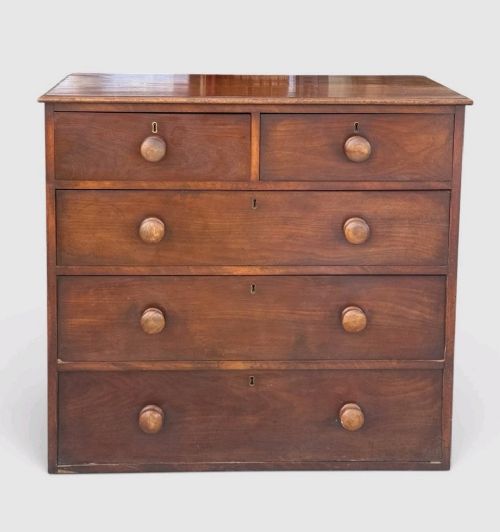
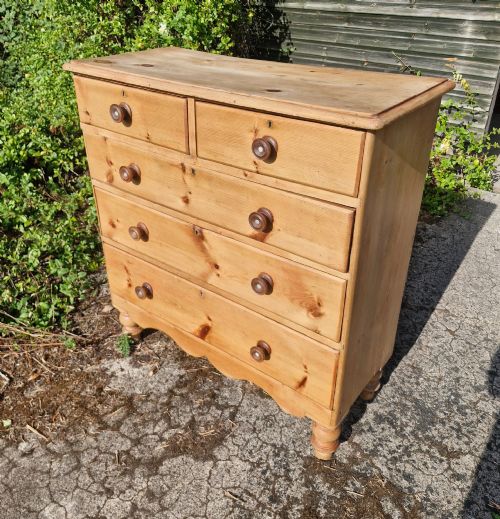
Traditional Pine Dresser Drawers
Traditional pine dresser drawers offer sturdy storage and surface space, bringing practical utility and rustic charm into domestic rooms.
Traditional Pine Dresser Drawers
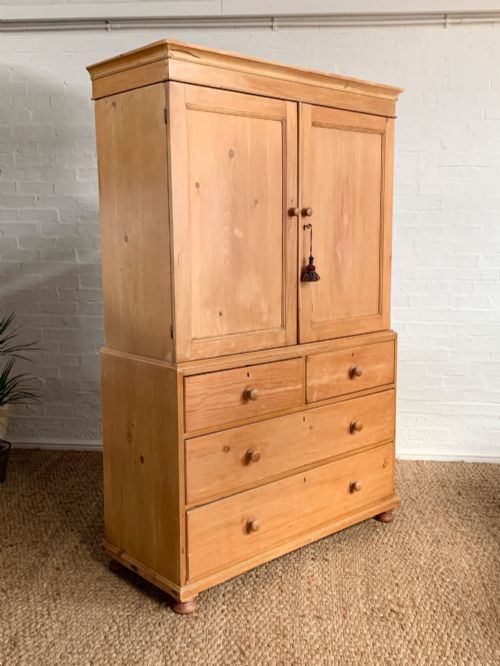
Traditional pine dresser drawers encompass functional storage furniture designed for domestic use, predominantly appearing as chests of drawers and kitchen dresser bases. These items emerge chiefly from Victorian and Georgian periods, along with Edwardian examples, capturing centuries of practical craftsmanship.
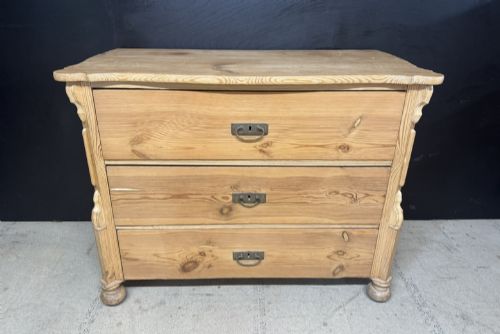
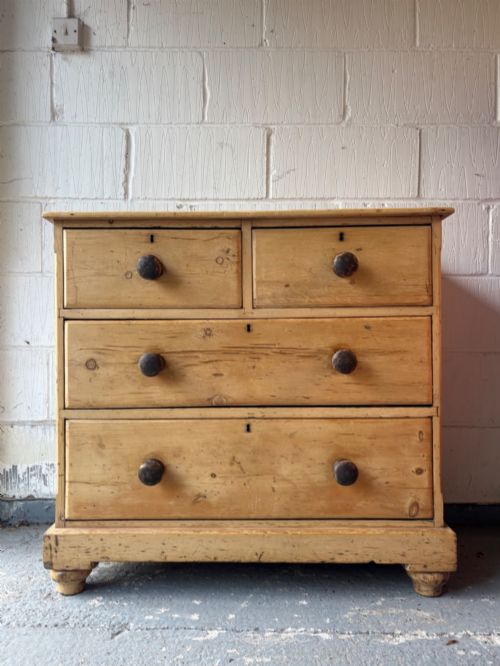
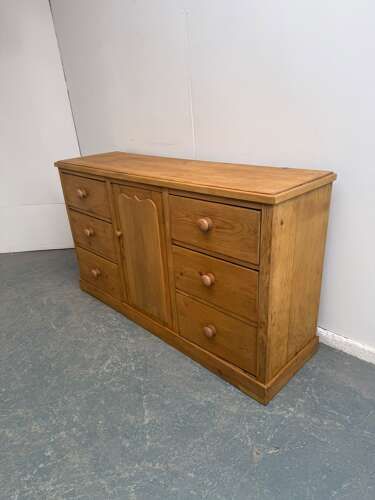
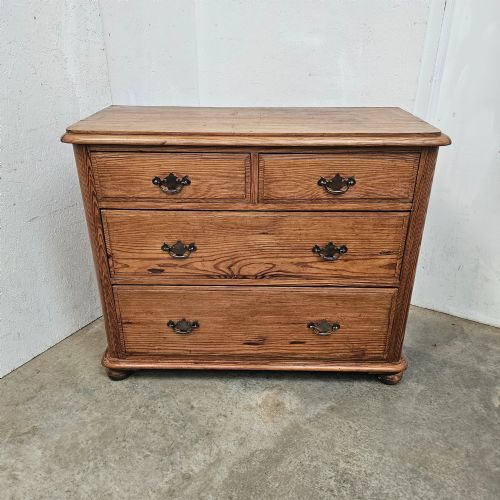
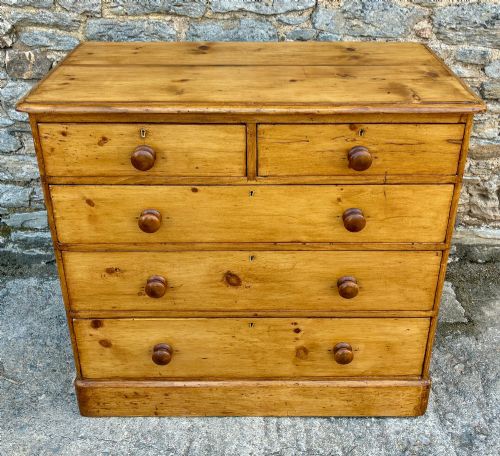
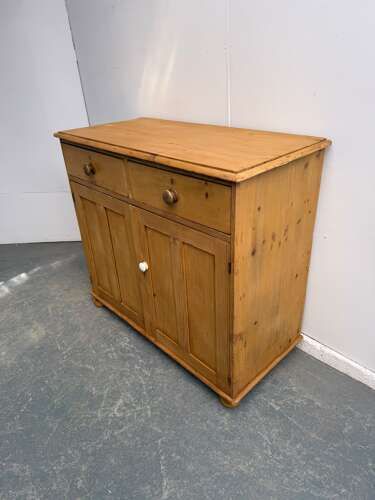
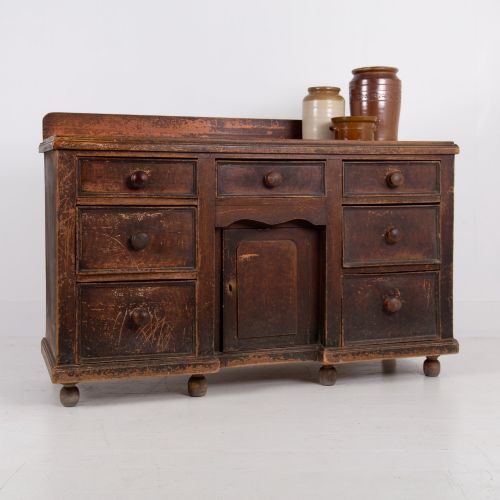
The buyer meets configurations ranging from standard two-over-three drawer layouts to wide dresser bases with multiple doors and drawers. Pieces originate from English, Welsh, Irish, and Hungarian contexts, displaying regional vernacular styles like rustic country and folk art.
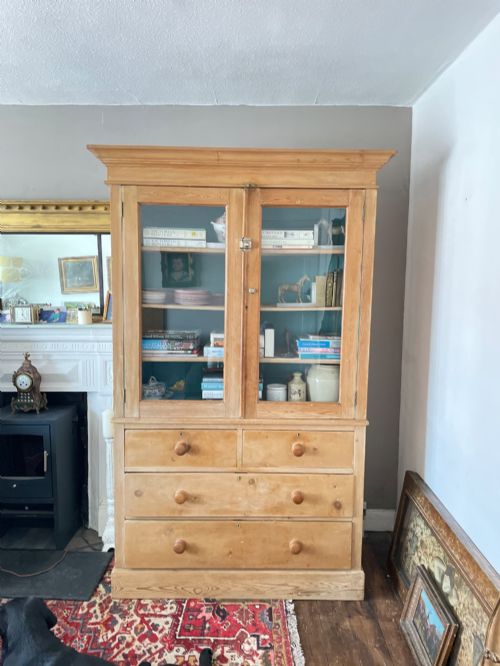
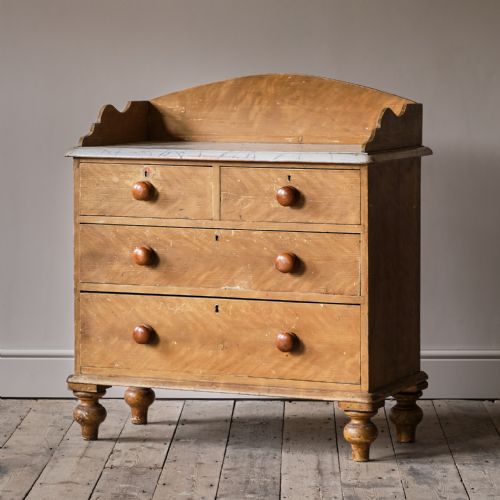
Forms extend beyond simple chests to include washstands, potboard bases, and glazed bookcase cabinets. Pine serves as the fundamental structural timber, frequently finished in wax or retaining early paint surfaces.
How they were made
Makers utilised pine as the primary timber, occasionally incorporating pitch pine or Oregon pine alongside iron, brass, and metal hardware. Construction relied on solid wood joinery suited to daily utility in kitchens and bedrooms.
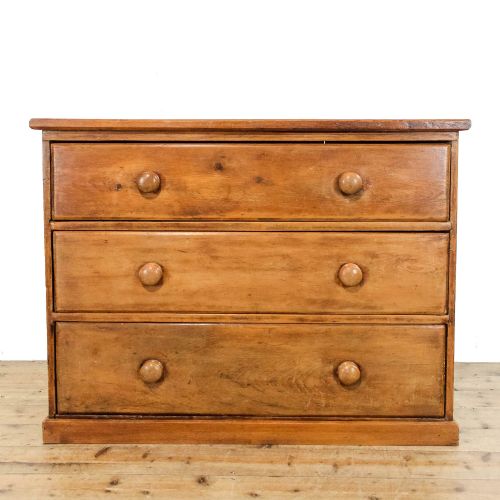
Surfaces received finishes such as traditional wax polish or original paint coatings, including painted black and green variants. Bun handles and functional metal pulls provided the necessary operational grips for frequent opening and closing.
Object forms on this page span chests of drawers, kitchen dresser bases, washstands, and glazed bookcase cabinets.
What varies in quality
Quality differences reside in the preservation of original surfaces, such as untouched early paint or deep historic wax patination versus modern stripping. The integrity of the structural timber and the retention of original brass, iron, or bun handles heavily influence the standing of a piece.
Proportion and scale distinguish standard regional output from exceptional examples, such as very large Hungarian cupboards or wide English dresser bases. Refined drawer construction and balanced proportions elevate certain items above simpler domestic utility furniture.
The Traditional Pine Dresser Drawers Glossary
- Pine
- A softwood timber utilised extensively for domestic furniture due to its workability and abundance. It takes wax polish and paint finishes readily.
- Dresser Base
- The lower section of a kitchen dresser, featuring cupboards and drawers beneath a flat top surface. It served as a primary workspace and storage unit in traditional homes.
- Washstand
- A specialised piece of furniture designed to hold a wash basin and pitcher, often incorporating drawers or a marble top. These items became common in Victorian bedrooms.
- Potboard
- An open slatted lower shelf fitted beneath a dresser base, traditionally used for storing pots and pans. This structural element is characteristic of English country furniture.
- Bun Handle
- A rounded, protruding wooden knob attached to drawer fronts for pulling. They appear frequently on Victorian chests of drawers.
Traditional Pine Dresser Drawers: Frequently Asked Questions
How are traditional pine dressers cleaned?
Maintenance involves dusting with a soft cloth and applying traditional wax polish periodically to nourish the pine timber.
Water and harsh chemical cleaners are avoided to protect the historic waxed or painted surface finishes.
Where were these pieces used originally?
These items functioned primarily in kitchens, sculleries, and bedrooms for storing linens, tableware, and personal goods.
Dresser bases provided counter space for food preparation while chests of drawers organised clothing.
How do I identify a Victorian pine chest?
Victorian examples frequently display characteristic drawer configurations like two small drawers over three large ones, often fitted with bun handles.
Construction details include solid pine sides and backboards showing the tool marks of nineteenth-century joinery.
What is the difference between painted and waxed pine?
Waxed pine displays the natural grain and warm golden tones of the wood developed through historic polishing.
Painted pieces retain early or original decorative coatings in colours such as green or black, reflecting folk art traditions.