

Vintage Pin Dish
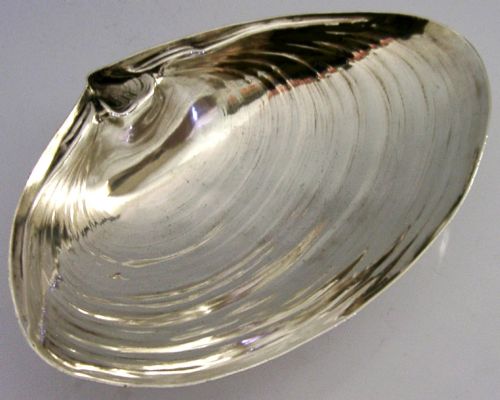
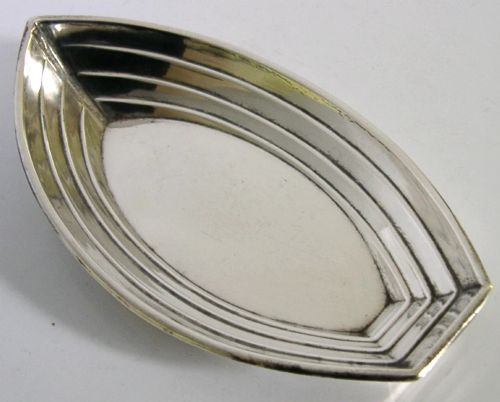
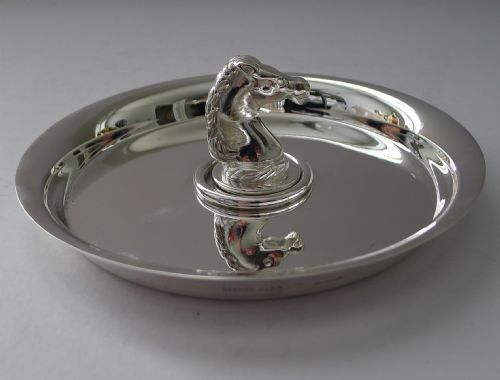
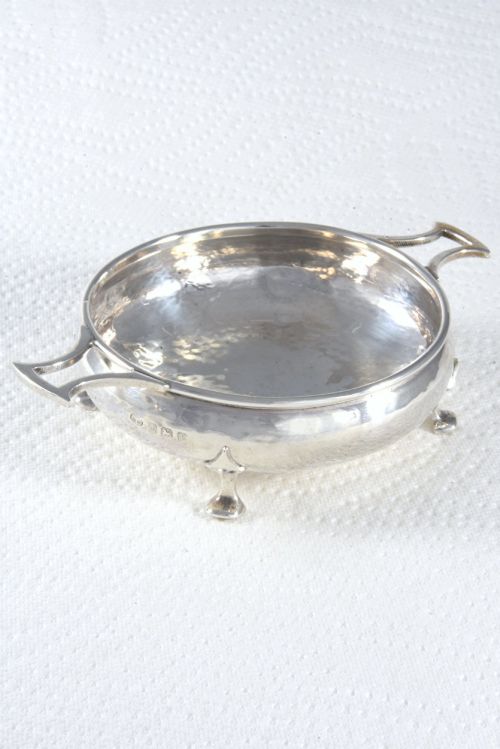
A vintage pin dish sits on a dressing table or desk, offering a shallow resting place for small personal items.
Vintage Pin Dish
A vintage pin dish is a small, shallow vessel designed to hold pins, coins, and small trinkets, appearing in materials ranging from porcelain to solid silver. On this page, these items span periods from the Georgian era through the Edwardian years and into the mid-twentieth century.
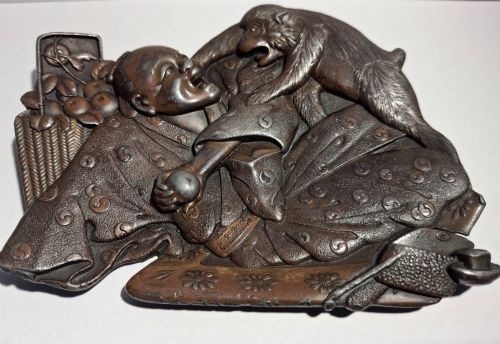
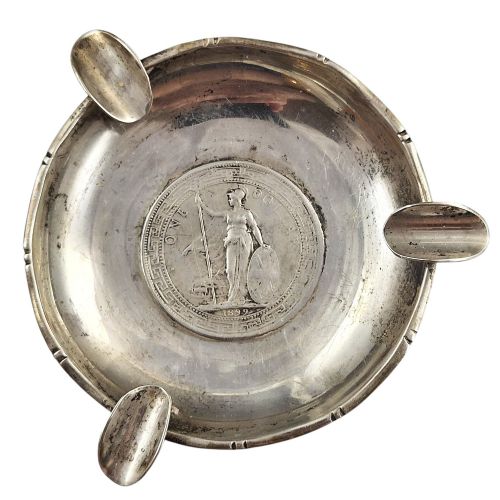
The forms vary widely, encompassing traditional circular dishes alongside shaped trays, ashtrays utilised for display, and French vide-poche vessels. Makers applied diverse stylistic influences, including Art Nouveau curves, Art Deco geometry, and traditional Chinese export or Meiji period motifs.
How They Were Made
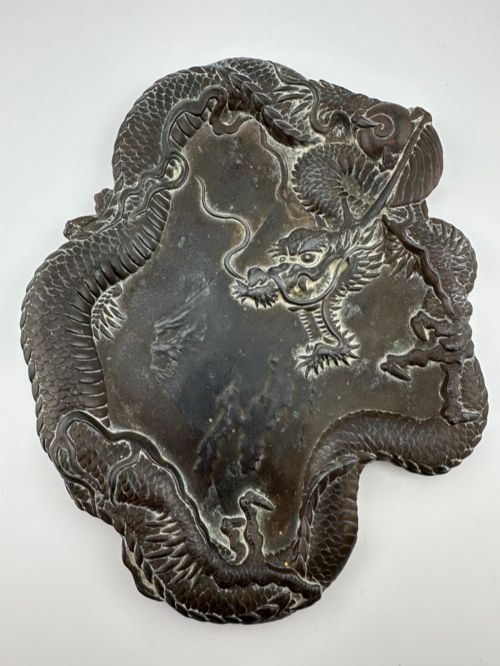
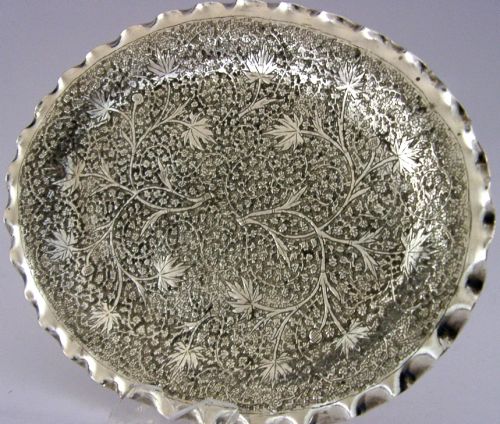
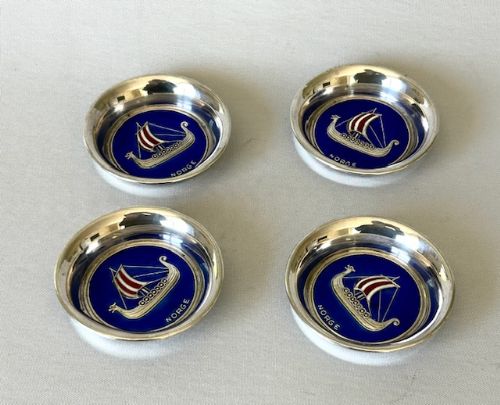
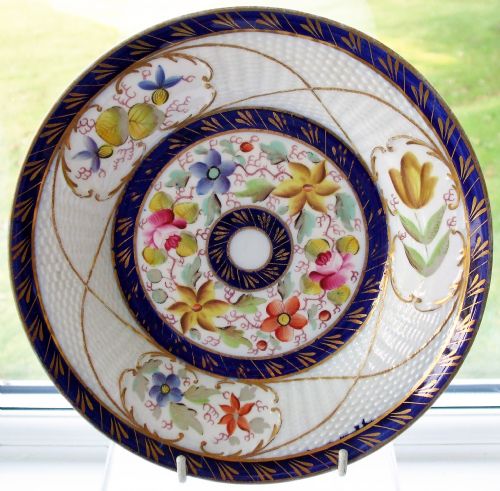
Silversmiths and metalworkers shaped sterling silver, bronze, pewter, and copper through casting, hammering, and repoussé work, frequently adding patination or applied elements such as gold leaf and enamel. Ceramic pieces relied on porcelain, bone china, and earthenware bodies finished with hand-painted glazes, transfer printing, or pierced details.
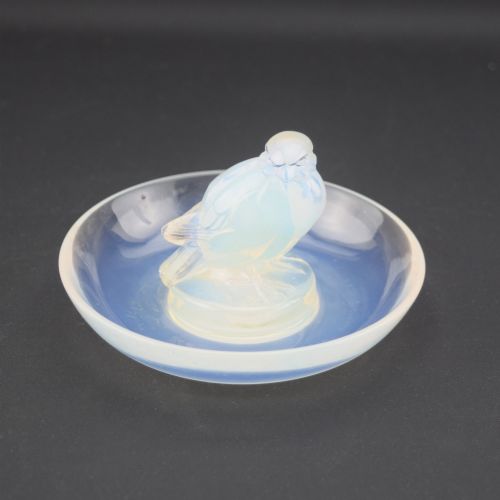
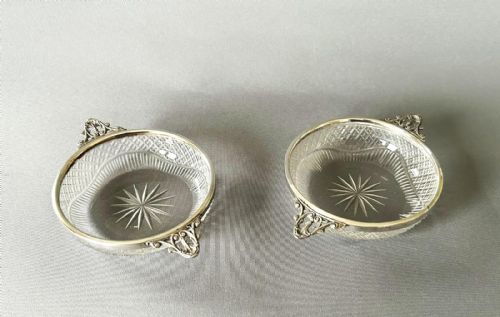
Glassmakers utilised pressing and moulding techniques, particularly visible in opalescent pieces, while cabinetmakers constructed small wooden trays from timbers like mahogany.
Vintage Pin Dish Retail Price Guide 2026
Typical asking prices for vintage pin dish among the pieces listed under this phrase on Sellingantiques today, from the lower quarter to the upper quarter. They describe what is for sale here now, not the wider market.
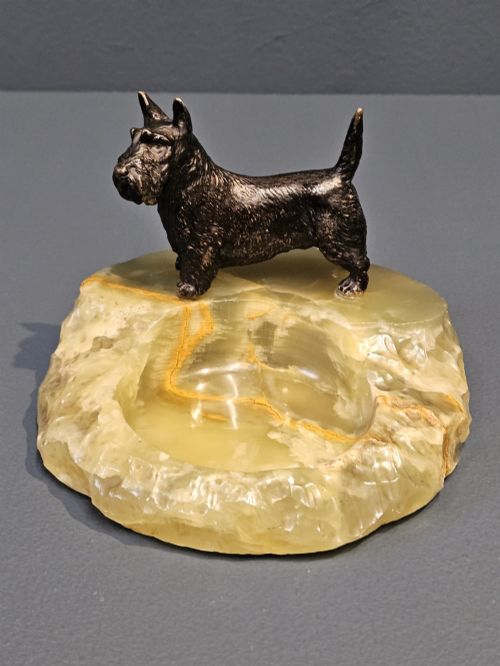
Among the items, a solid silver rowing boat dish pays literal homage to sport, while a cold-painted bronze mallard duck keeps watch from an onyx plinth.
What Varies in Quality
The standard of a piece rests upon the crispness of the casting in metalwork and the precision of the brushwork on painted porcelain or enamel. Hand-applied details, such as intricate silver appliqués or delicate hand-painted fruit and floral scenes by known artists, separate standard domestic wares from superior examples.
Weight and structural solidity also dictate calibre, where heavier gauge silver or substantial bronze plates display greater substance than lighter plated alternatives.
William Neale·Wallace·John Grinsell And Sons·René Lalique·Maria Pergay·Lee Yee Hing·Wedgwood·Royal Crown Derby·Royal Worcester·Moorcroft·New Hall·WMF
The Vintage Pin Dish Glossary
- Vide-poche
- A small shallow tray or dish used for emptying pockets upon entering a room. It translates from French as empty-pocket.
- Imari
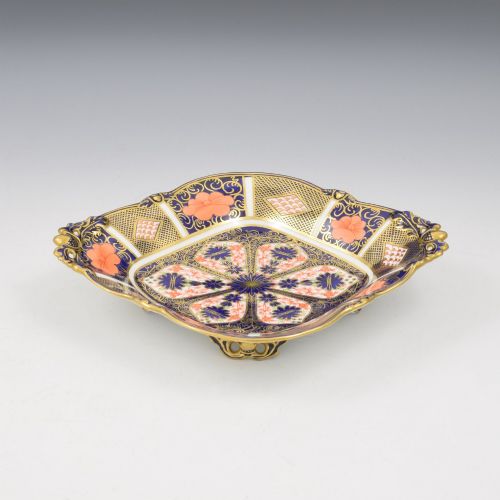
- A style of Japanese porcelain decorated in underglaze blue, iron red, and gold, which heavily influenced European factories. It is known for busy, colourful patterns.
- Opalescent glass
- Glass that diffuses light and displays milky or iridescent highlights, famously utilised by makers such as René Lalique. It shifts in appearance depending on the angle of illumination.
- Cloisonné
- An ancient technique for decorating metalwork objects with colourful materials held in place by thin metal strips soldered to the base. The surface is subsequently ground smooth and polished.
- Pewter
- A malleable metal alloy consisting primarily of tin, often combined with copper and antimony. It was frequently cast into trays and decorative vessels during the Art Nouveau period.
Vintage Pin Dish: Frequently Asked Questions
What were vintage pin dishes used for?
These vessels were originally placed on dressing tables, sideboards, or hall stands to hold loose pins, cufflinks, coins, and small pocket items. They kept loose articles organised and prevented them from rolling off flat surfaces.
Over time, many of these small trays transitioned into purely decorative display pieces, prized for their artistic craftsmanship and variety of materials.
How can I tell the period of a silver pin dish?
Silver pieces often feature hallmarks stamped directly into the metal, which indicate the assay office, the year of creation, and the maker's mark. Reference books or online hallmark registers help decode these tiny symbols.
Stylistic cues also point to a specific era, such as the flowing organic lines of Art Nouveau or the sharp geometric angles typical of Art Deco designs.
Are porcelain pin dishes fragile?
Porcelain and bone china dishes require careful handling because ceramic materials can chip or crack if dropped or knocked against hard surfaces. Normal daily use on a desk or dressing table poses little risk.
Cleaning should be done by hand using warm water and mild soap, avoiding harsh abrasive scourers that might scratch hand-painted glazes or gilding.
What is the difference between a pin dish and an ashtray?
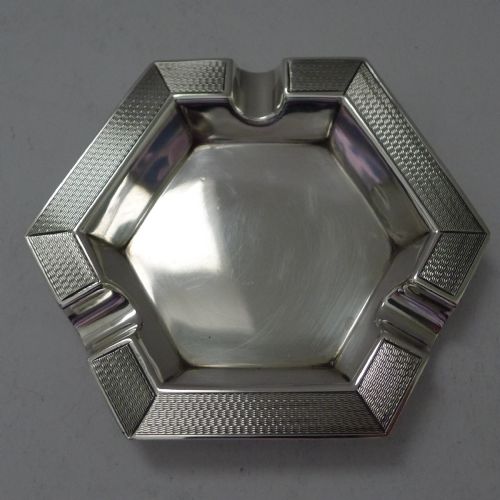
Pin dishes and small trays often feature flat, uninterrupted rims designed purely to contain small objects. Ashtrays typically incorporate distinct notches or rests around the perimeter to hold a cigarette or cigar.
Despite these original design differences, many collectors utilise vintage ashtrays as pin dishes or decorative vide-poche trays today.