

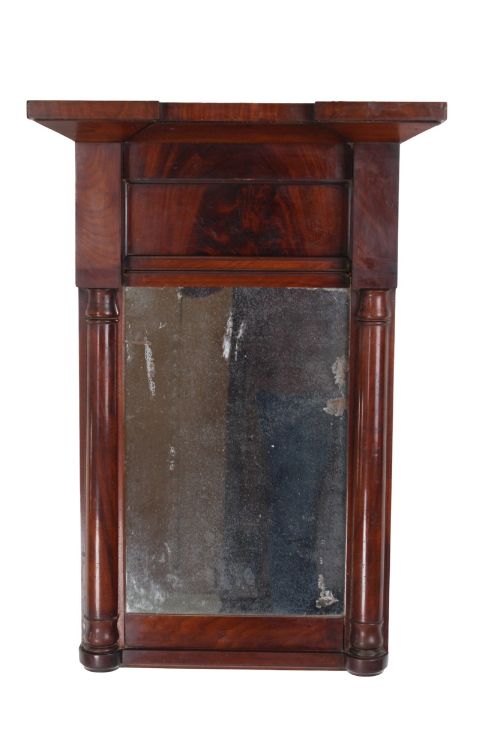
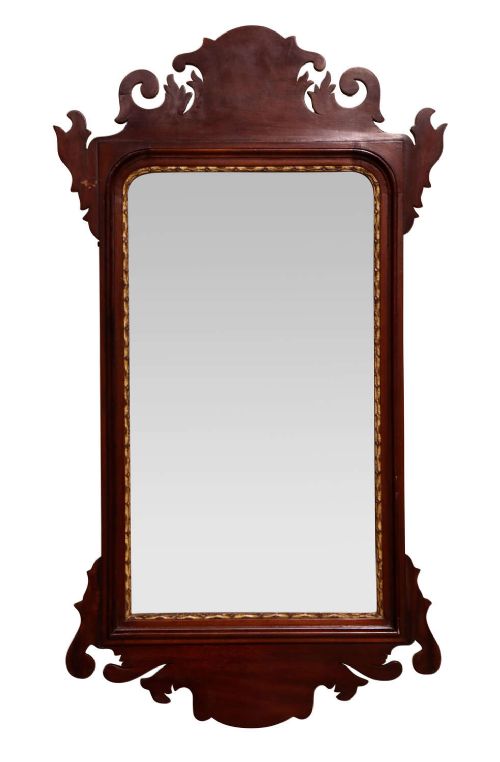
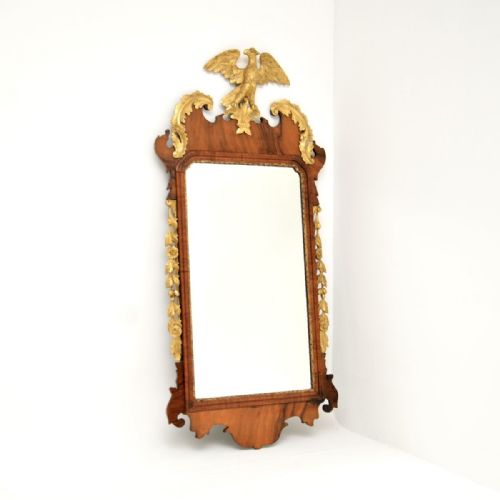
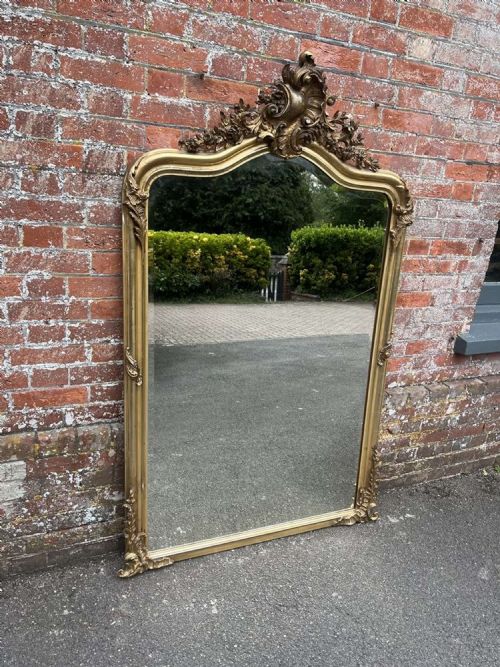

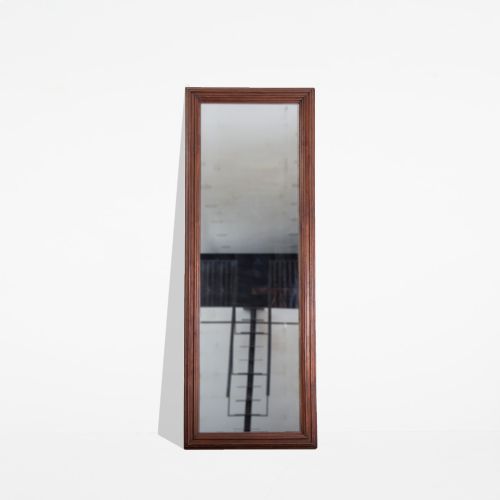
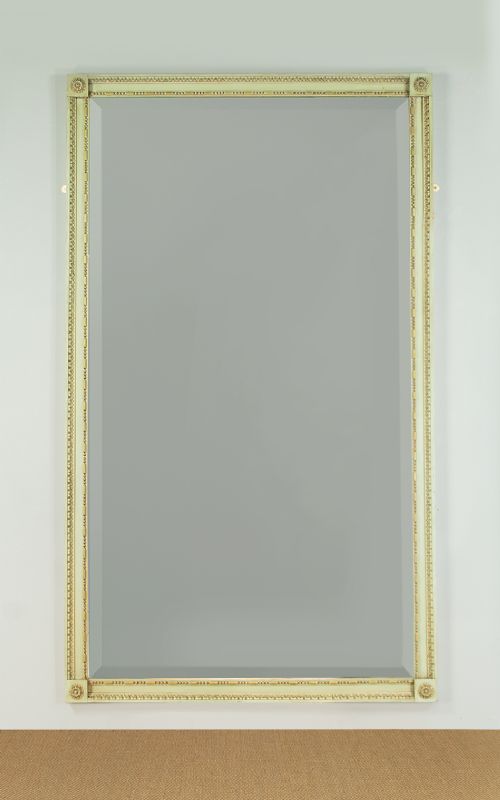
Vintage Pier Mirror
A vintage pier mirror brings vertical presence to a room, designed originally to hang on the narrow wall space between windows.
Vintage Pier Mirror
A vintage pier mirror functions as a tall vertical glass panel intended to reflect light into darker interior spaces between windows. These pieces emerge in various historical iterations spanning the eighteenth century through the Edwardian period, often reflecting regional French or English design aesthetics.
The format draws heavily on classical proportions, matching the height of adjacent architectural windows. Buyers frequently encounter nineteenth century examples rendered in giltwood, painted wood, or figured timbers like mahogany and walnut.
Makers historically tailored these vertical glasses to sit above console tables or low side cabinets. Surviving pieces range from restrained Regency frames to ornate Rococo Revival and trumeau designs.
Materials and construction
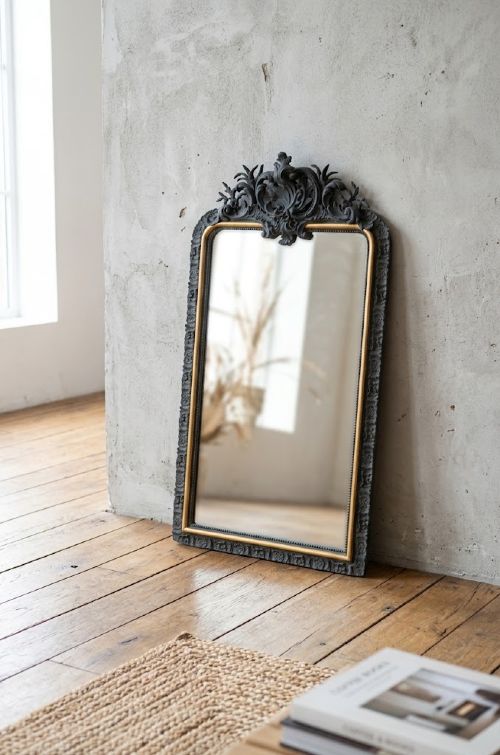
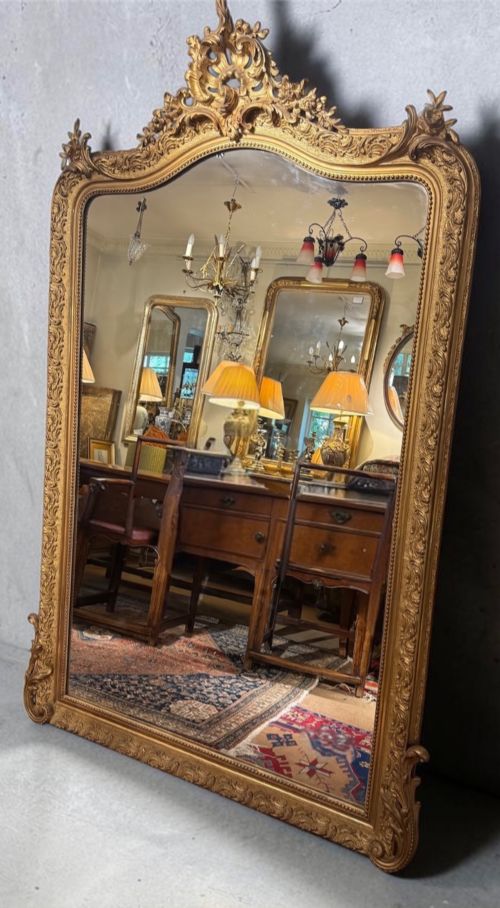
Carved timber foundations utilise hardwoods such as mahogany, walnut, and sycamore, alongside softer woods prepared for gilding. Frames frequently combine carved wooden structures with applied gesso to build up intricate relief ornamentation.
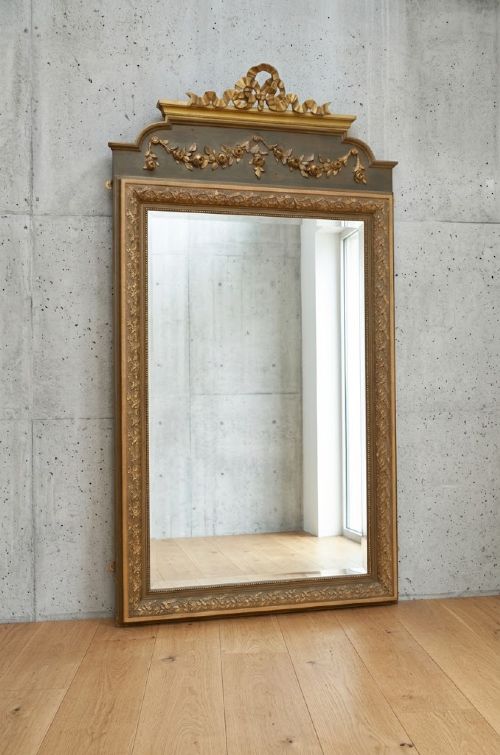
Gilding techniques involve applying thin gold leaf over prepared gesso grounds, sometimes paired with painted or ebonized surfaces. Parcel-gilt details accent grain patterns in walnut and mahogany frames.
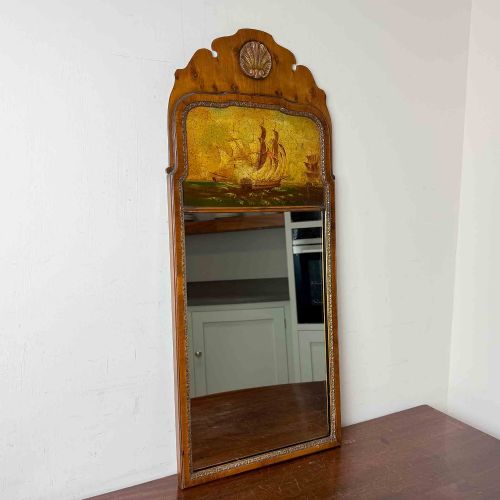
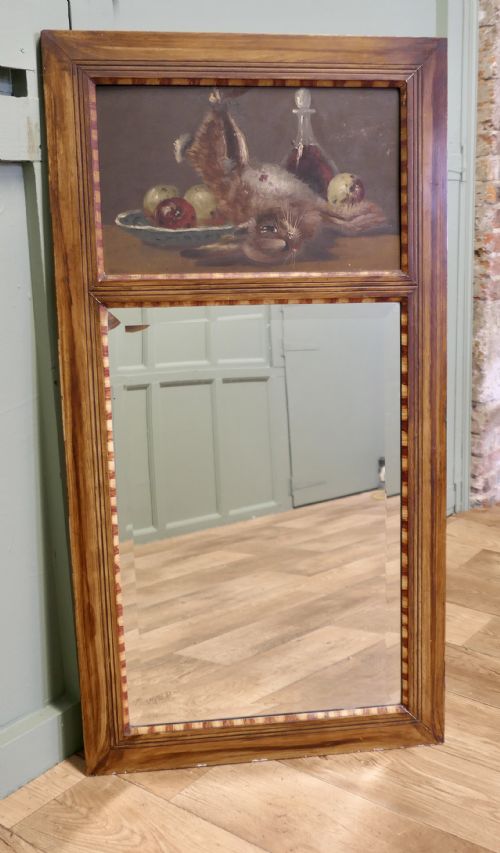
Reflecting plates consist of historic mirror glass set securely within rebate joints behind protective backing boards. Trumeau variants incorporate painted wooden panels or oil canvases directly above the glass plate.
Marriage mirrors celebrated unions by incorporating specific motifs into their crests, offering a romantic reflection for newlywed households.
Assessing craftsmanship
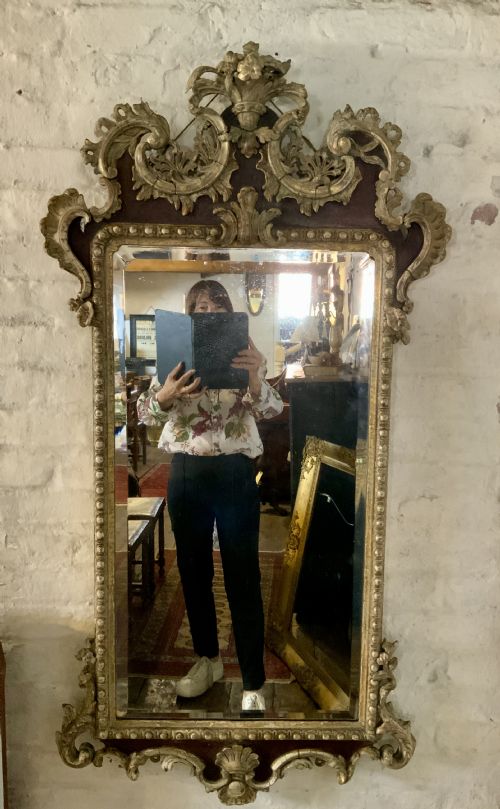
The depth and crispness of hand-carved gesso and wood ornamentation distinguish finer workshops from simpler commercial production. Superior examples display sharp relief work where floral motifs, scrolls, and ribbon crests retain distinct edges.
The quality of the gilding and the preservation of original surfaces dictate visual impact. Intact gold leaf with natural ageing and minimal restoration holds greater integrity than later repainted or heavily stripped finishes.
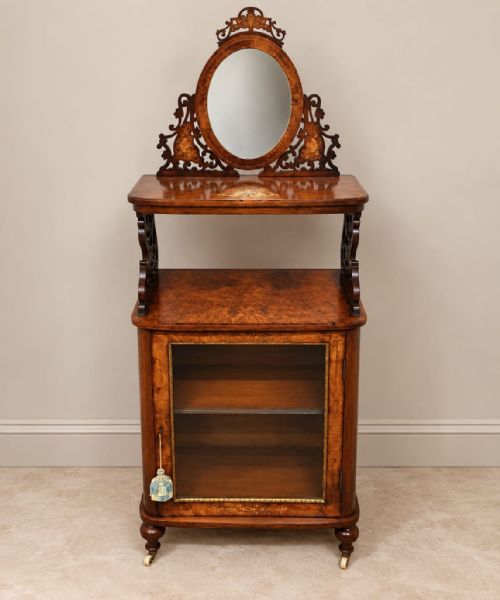
Timber selection and joinery precision reveal the underlying standard of manufacture. Well-chosen burr walnut or figured mahogany veneers demonstrate careful book-matching and structural stability across the frame.
The Vintage Pier Mirror Glossary
- Pier mirror
- A tall vertical looking glass designed specifically for the wall space between two windows. These items often incorporate console tables or side cabinets beneath them.
- Giltwood
- Timber that has been coated with a very thin layer of gold leaf. This technique was widely utilised across eighteenth and nineteenth century decorative frames.
- Gesso
- A plaster-like mixture applied to wooden frames as a smooth base for gilding or painting. Artisans carved intricate decorative details directly into this dried compound.
- Trumeau
- A decorative wall mirror featuring an upper painted panel or inserted canvas above the glass plate. These French pieces frequently integrate into panelled interior rooms.
- Parcel-gilt
- Woodwork that is partially gilded while other areas show the natural or painted grain. This method highlights specific carved details against a contrasting background.
- Fretwork
- Thin wood panels cut with intricate geometric or floral openwork patterns using a scroll saw. This technique defines many Georgian and Victorian style frames.
Vintage Pier Mirror: Frequently Asked Questions
Where should I hang a pier mirror?
These tall vertical glasses suit narrow wall spaces, hallways, or narrow expanses between architectural openings.
Positioning them opposite a light source maximises illumination within smaller reception rooms.
How do I date a mirror frame?
Examine the timber species, joinery methods, and the style of carved ornamentation present on the frame. Secondary woods at the reverse and the construction of the rebate provide clues regarding age.
Historic mirror glass often reveals slight distortions, bubbles, or minor oxidation consistent with older manufacturing methods.
What is a trumeau mirror?
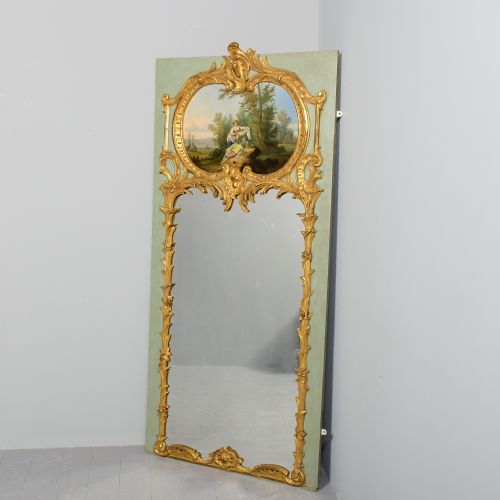
A trumeau incorporates a painted wooden panel or artwork directly above the main glass plate. Originating in French interiors, these pieces combine wall decoration with a functional looking glass.
They frequently display pastoral scenes, floral motifs, or decorative urns within the upper section.