



Vintage Pendulum Mantel Clock
A vintage pendulum mantel clock brings mechanical precision and period presence to a room, driven by a swinging pendulum.
Vintage Pendulum Mantel Clock
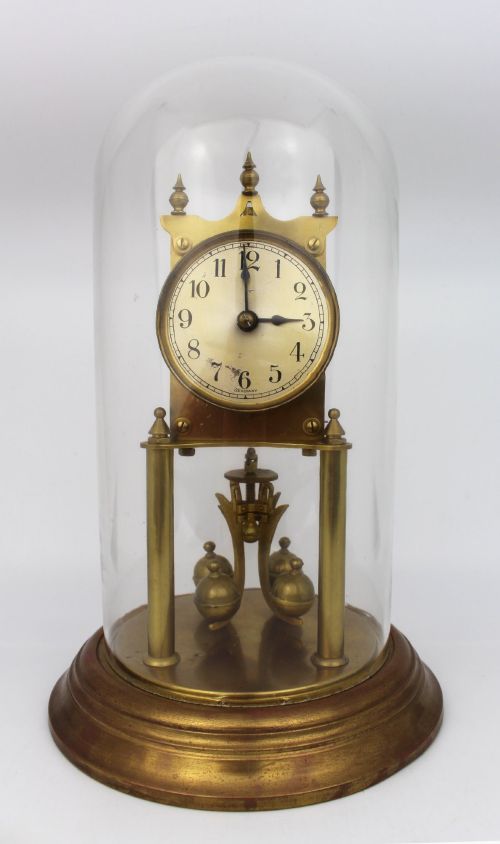
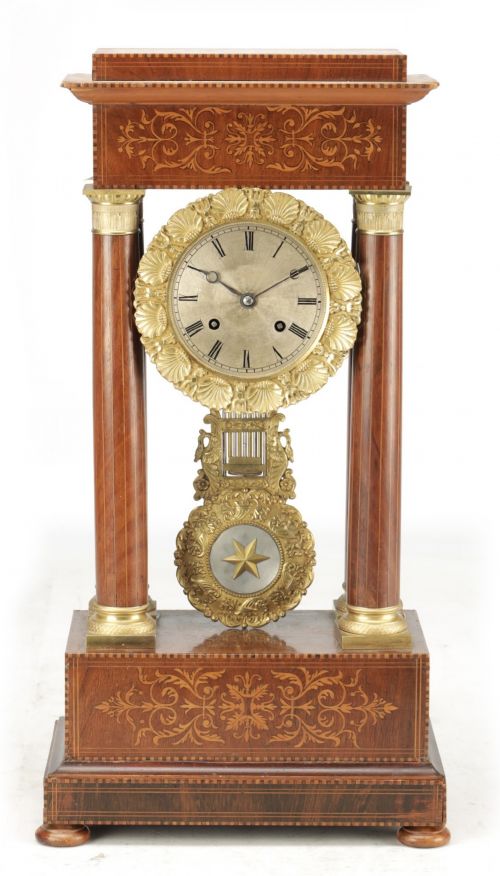
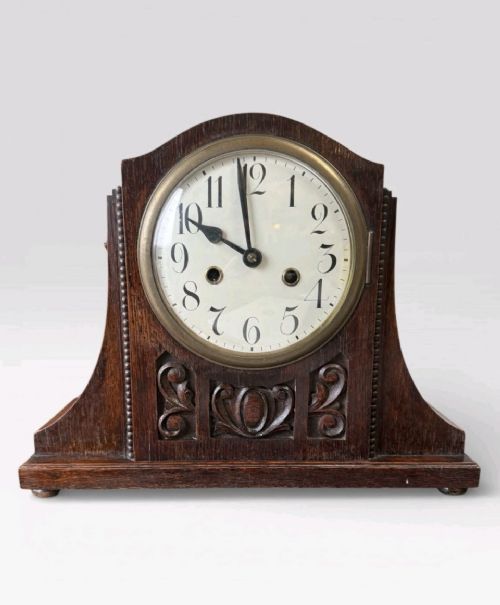
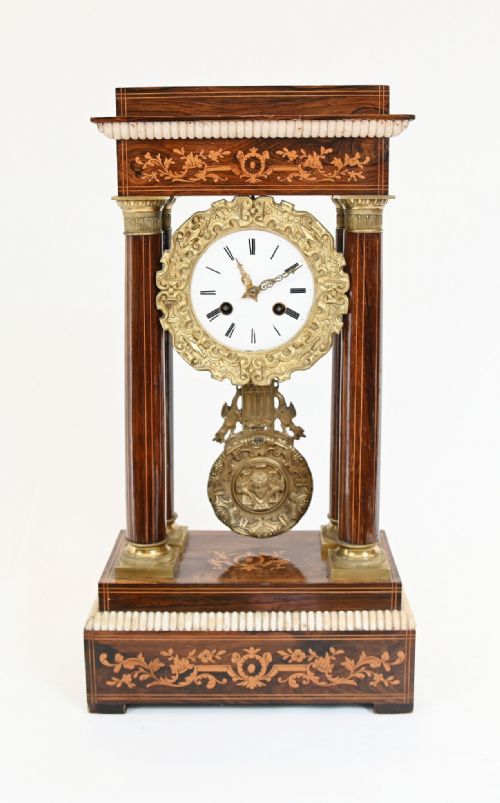
A vintage pendulum mantel clock sits on a shelf or fireplace surround, keeping time through the steady swing of an internal pendulum. These pieces span the nineteenth century and the early decades of the twentieth, encompassing styles from Victorian and Edwardian to French Louis XVI and Art Nouveau.
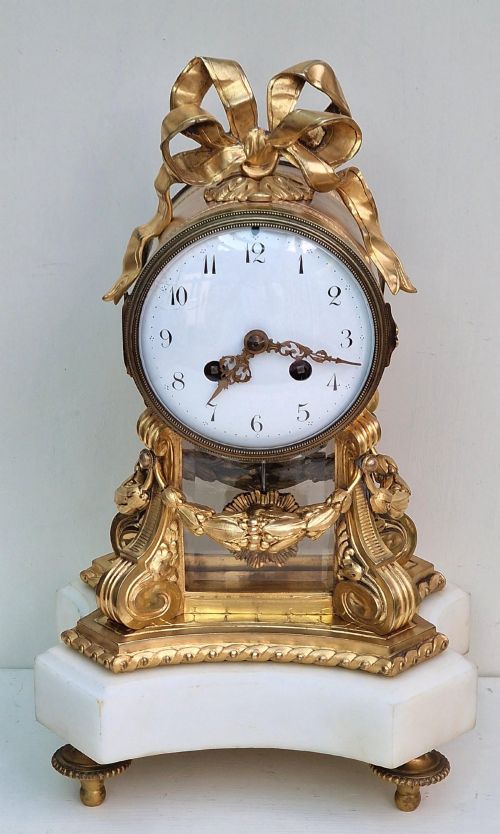
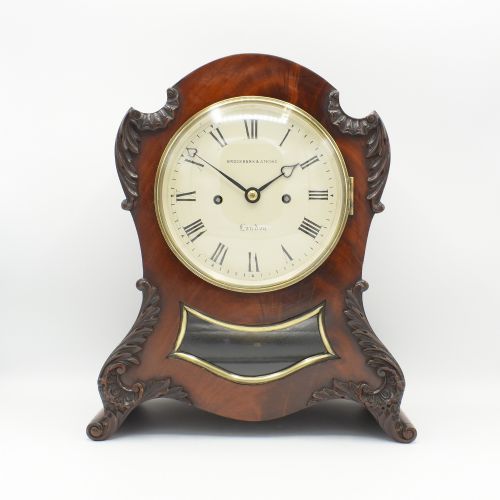
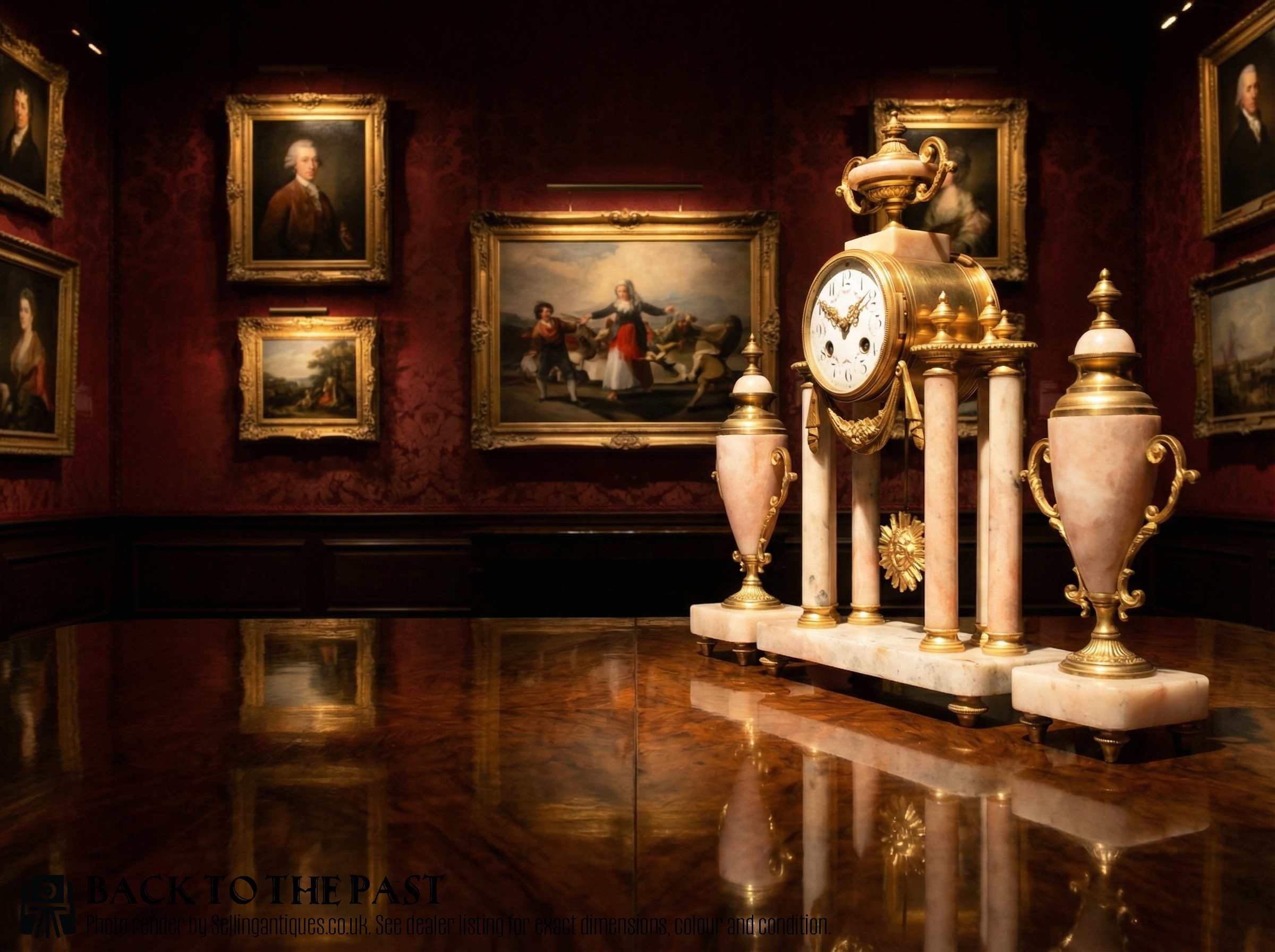
Most examples you encounter here take the form of upright wooden cases in mahogany, walnut, or oak, alongside heavy architectural housings in marble, gilt bronze, and ormolu. Four-glass designs and striking bracket clocks appear frequently among the listings, showing the diverse production of British, French, and German makers.
Materials and construction
Casework relies on dense hardwoods like mahogany and walnut, often polished to a deep lustre, or fashioned from solid marble and cast ormolu. Metal elements include gilt bronze, brass, and silver plating, providing structural mounts and decorative bezels around enamelled dials.
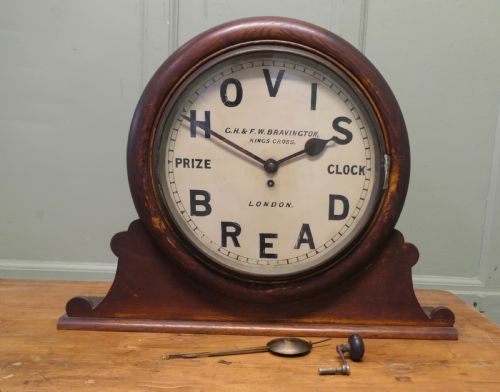
Some clocks come with ships' wheels and mystery dials, proving that nineteenth-century horologists liked to keep time with a sense of theatre.
Assessing quality and finish
Quality rests in the crispness of the cast ormolu mounts, the depth of the timber grain, and the weight of the marble housing. Finer examples display hand-chiselled detailing on bronze surfaces and carefully painted enamel dials with well-proportioned numerals.
The sophistication of the internal movement dictates the tier of the piece, distinguishing standard striking mechanisms from fusee-driven movements or complicated French four-glass designs. Original matching components and signed dial plates elevate the standing of an individual clock.
Brockbanks & Atkins·Barwise London·Thomas Moss·Samuel Marti et Cie·Jaeger-LeCoultre
The Vintage Pendulum Mantel Clock Glossary
- Pendulum
- A suspended weight that swings back and forth to regulate the movement of a clock. It provides the rhythmic tick characteristic of traditional mechanical timepieces.
- Ormolu
- Gilt bronze produced by applying a finely ground high-carat gold-mercury amalgam to a bronze object. This technique creates a rich golden finish seen on nineteenth-century French mantel clocks.
- Fusee
- A conical pulley used in spring-driven clocks to maintain an even tension on the gear train as the mainspring unwinds. It ensures consistent timekeeping throughout the duration of the wind.
- Four glass clock
- A timepiece encased in glass on all four sides, supported by a brass or gilt frame. This design allows light to pass through and reveals the pendulum and gear train from multiple angles.
Vintage Pendulum Mantel Clock: Frequently Asked Questions
How do I wind a mechanical mantel clock?
Most mechanical clocks require a key inserted into winding holes on the dial face to tension the internal springs. Turn the key gently until you feel resistance, taking care not to over-wind the movement.
Keep the winding key in a secure place near the clock so it remains available for weekly or bi-weekly maintenance. Ensure you match the correct key size to avoid damaging the winding square.
Where should I place a pendulum clock?
Position your clock on a sturdy, level surface such as a mantelpiece, sideboard, or bracket shelf. A stable foundation prevents vibrations from interfering with the delicate swing of the pendulum.
Avoid placing the clock in areas subject to direct sunlight, damp conditions, or major temperature fluctuations. Changes in climate can affect the wooden case and the expansion of metal components.
How do I identify the period of a clock?
Examine the stylistic cues of the case, such as the carved mahogany of an Edwardian piece or the heavy bronze mounts of a French Victorian design. Dials, numerals, and wood finishes offer strong clues to the decade of manufacture.
Look for maker signatures or movement stamps on the backplate, which often point to specific workshops or patent dates. Comparing construction methods against documented periods helps confirm the age.