
Vintage Pedestal Table
These vintage pedestal table designs unite sturdy central supports with timber tops, offering practical surface space for dining, writing and bedside use.
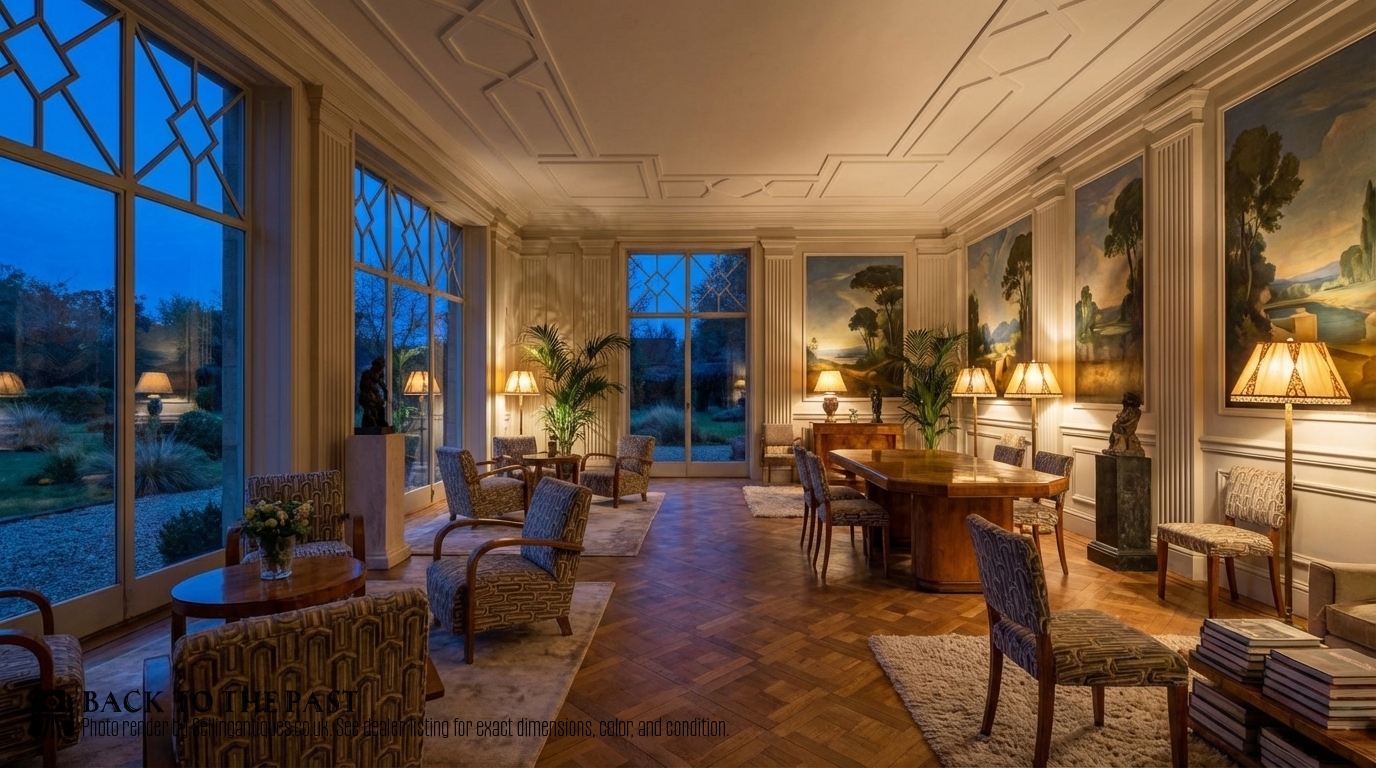
Vintage Pedestal Table
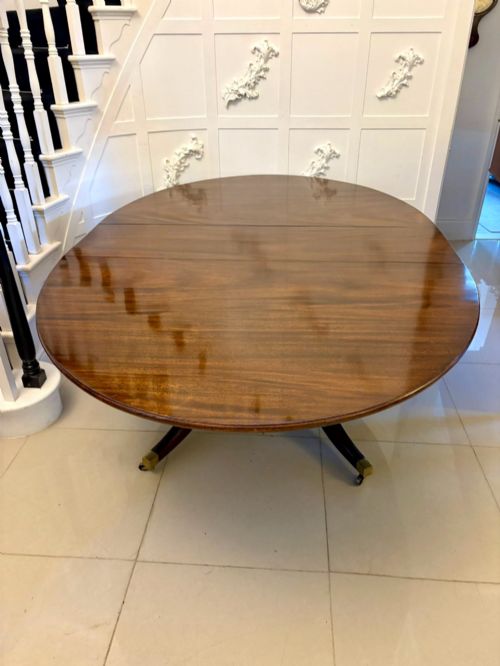
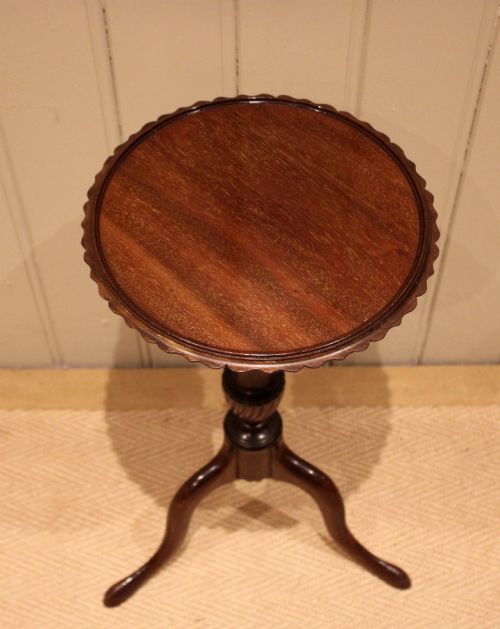
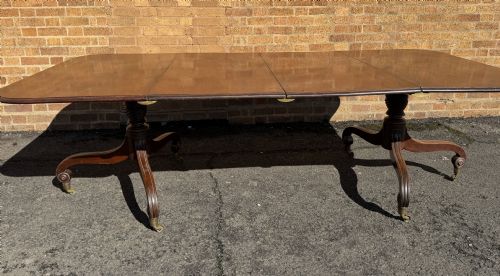
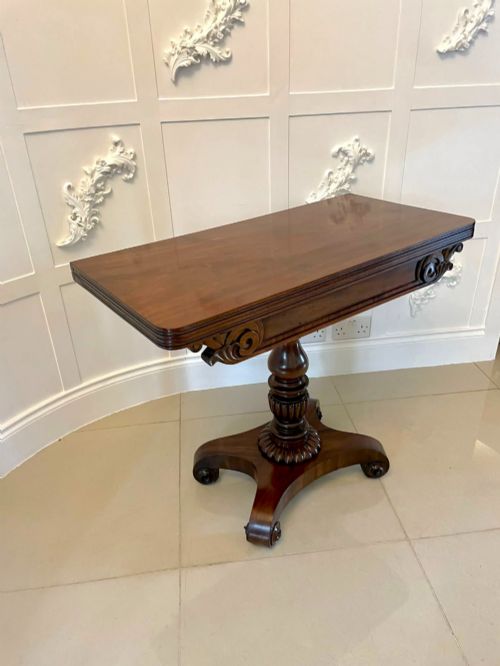
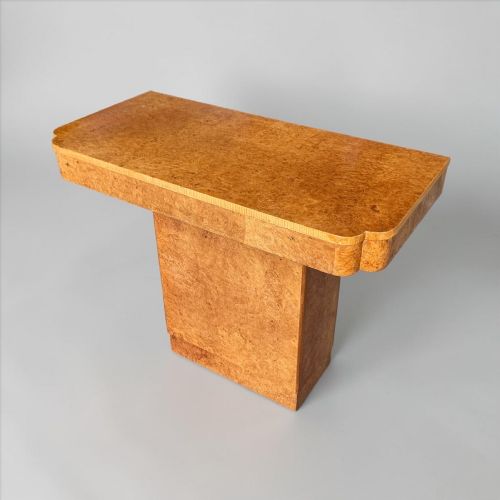
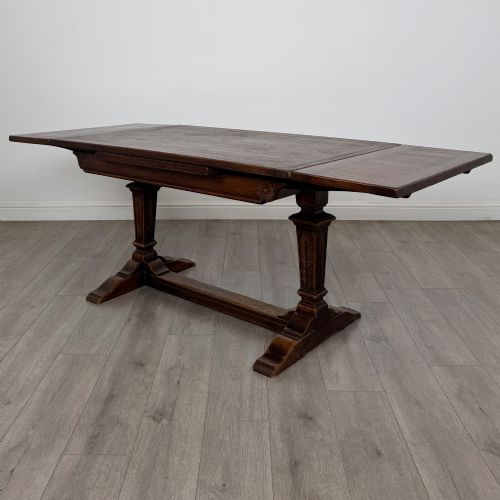
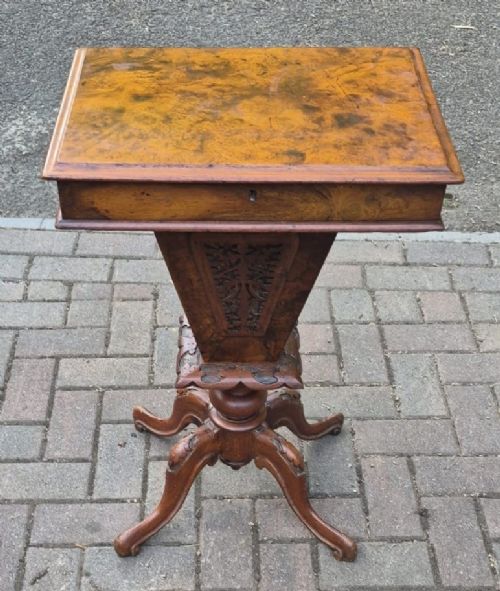
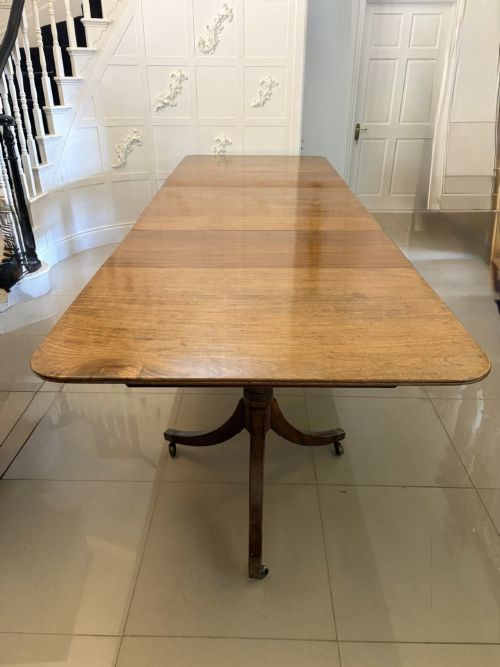
A vintage pedestal table brings together a central pillar or column supporting a surface, taking forms from compact wine tables and plant stands to large dining extensions and pedestal desks. Buyers searching for a vintage pedestal table commonly encounter mahogany, oak and walnut examples spanning the nineteenth and twentieth centuries, including Edwardian and Art Deco variations.
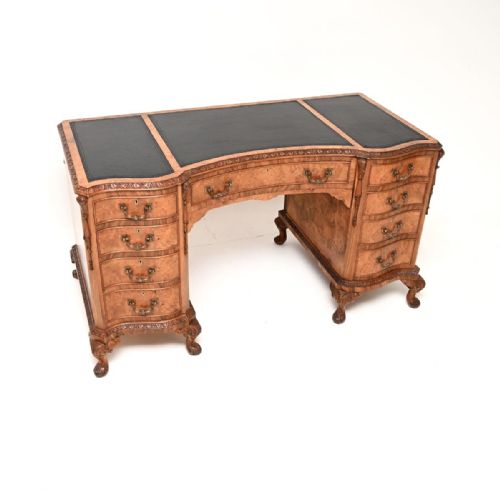
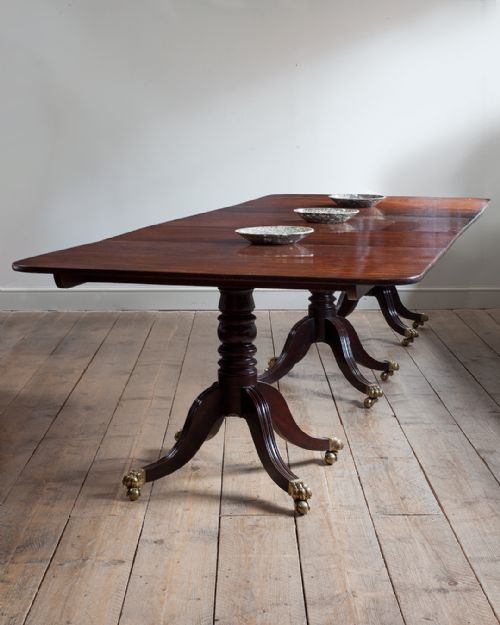
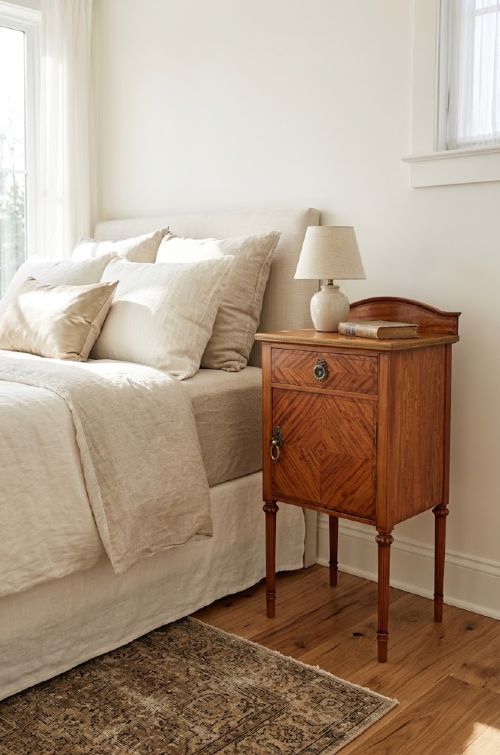
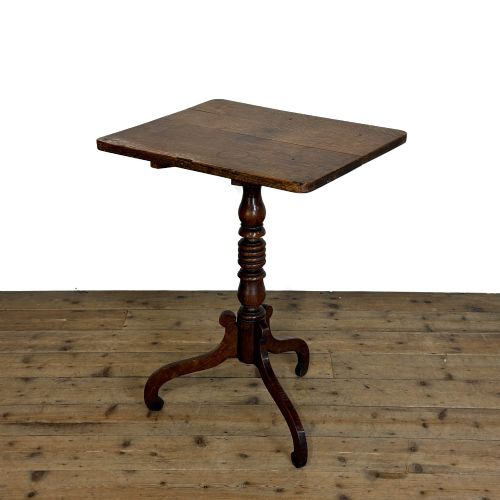
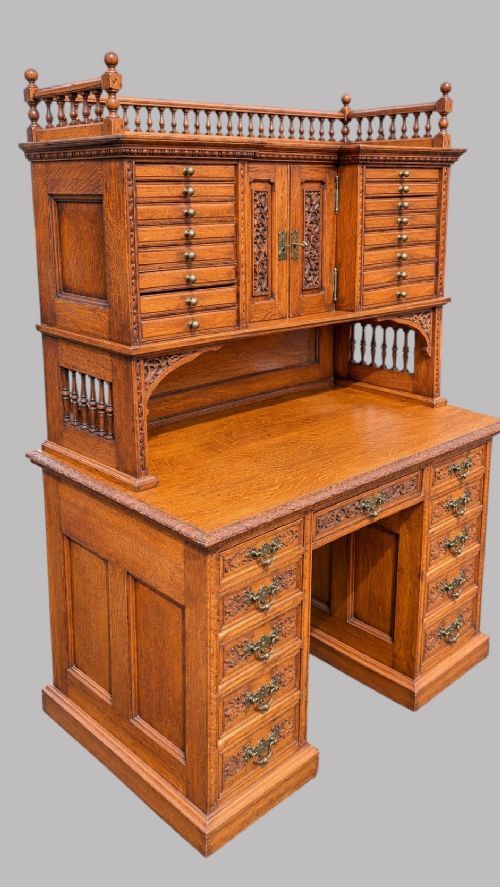
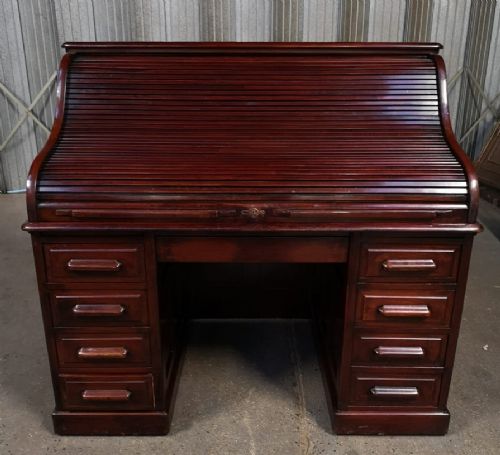
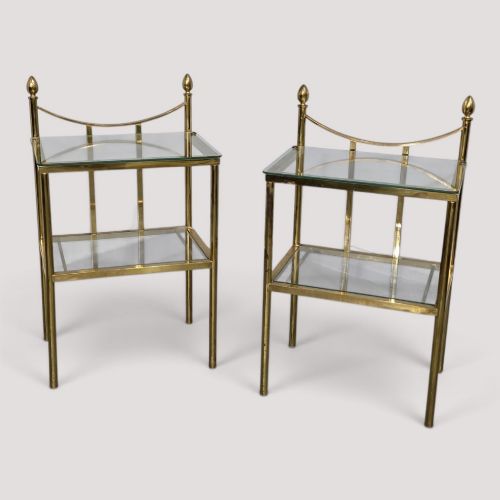
The selection ranges from smaller occasional pieces like bedside tables and lamp tables to substantial multi-pillar dining tables and kneehole desks. These items serve functional roles in domestic interiors while displaying period characteristics such as tilt tops, leather inserts and marquetry inlay.
Originating across Victorian, Edwardian and Art Deco periods, these tables reflect shifting tastes in domestic furniture design. The central column configuration allows for greater legroom compared to traditional four-legged designs, making them adaptable for modern living spaces.
Materials and construction methods
Cabinet makers utilised dense hardwoods like mahogany, oak, walnut and burr walnut for their durability and grain patterns, often pairing them with brass hardware and leather inserts. Satinwood and rosewood appear in select pieces, providing lighter contrasting tones or rich dark finishes.
Construction techniques relied on solid timber framing combined with hand-cut joints, turned central pillars and stable triform or platform bases. Marquetry inlay, carved decoration and tilt-top mechanisms demonstrate the specialised skill applied to both functional desks and decorative occasional tables.
Vintage Pedestal Table Retail Price Guide 2026
Typical asking prices for vintage pedestal table among the pieces listed under this phrase on Sellingantiques today, from the lower quarter to the upper quarter. They describe what is for sale here now, not the wider market.
Periods represented in the available pieces span from the 18th century through Victorian, Edwardian and Art Deco eras.
Distinctions in craftsmanship and finish
Quality rests in the selection of timber figures, such as burr walnut or figured mahogany, and the precision of the joinery connecting the central pillar to the top and base. Superior pieces exhibit crisp carved details, stable weight distribution and original brass fittings without structural compromise.
The integrity of the central column and its mounting mechanism dictates the daily usability of extending dining tables and tilt-top designs. Higher-grade examples maintain alignment and smooth operation across leaves and pivots, whereas lesser items show looseness in the pillar junction.
Trollope & sons
The Vintage Pedestal Table Glossary
- Pedestal table
- A table supported by a single central pillar or column rather than four corner legs. This construction allows maximum clearance around the base.
- Tilt top
- A table mechanism allowing the surface to pivot to a vertical position when not in use. This feature originally saved space in smaller domestic rooms.
- Kneehole desk
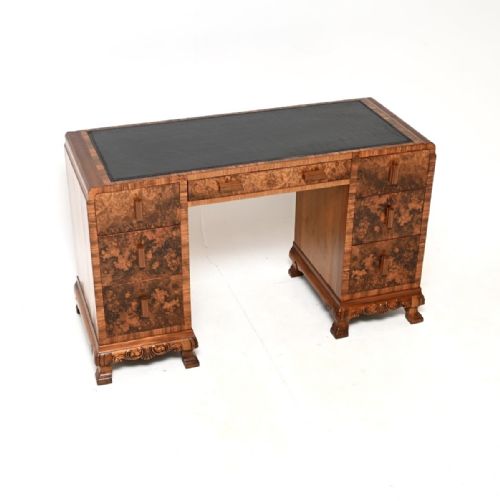
- A writing desk featuring a central recess for the user's legs, flanked by pedestals of drawers. They are commonly finished with leather writing surfaces.
- Marquetry
- Decorative patterns formed by fitting together small pieces of wood veneer. Artisans utilised contrasting timbers to create complex geometric or floral motifs.
- Triform base
- A three-way supporting structure at the bottom of a central pillar. It provides stability for heavy dining tables and lamp tables.
Vintage Pedestal Table: Frequently Asked Questions
What defines a pedestal table?
A pedestal table relies on a single central column or pillar to support the top, diverging from traditional four-legged designs. This structure provides structural stability while freeing up floor space around the base.
Such configurations appear across various furniture types, including dining tables, occasional tables and desks. The central support often connects to a weighted platform, tripod or triform base for balance.
How do I date a wooden table?
Dating a wooden table involves examining the timber species, construction methods, hardware and stylistic markers. Pieces from the nineteenth century often feature dense mahogany or oak, while Edwardian and Art Deco items introduce different grain patterns and modern geometric lines.
Secondary woods, joint types like dovetails, and the presence of original brass fixtures or leather inserts provide further clues. Comparing these elements with documented period designs helps establish a reliable timeframe.
Were pedestal desks used for writing?
Pedestal desks served as dedicated workspaces for correspondence and administration, housing drawers within twin pedestals beneath a flat top. Many examples incorporate inset leather surfaces to provide a smooth writing plane.
These desks were common fixtures in studies and libraries, offering substantial storage alongside a central kneehole. Their freestanding nature allowed them to sit centrally within a room rather than against a wall.
How do tilt-top tables work?
Tilt-top tables utilise a hinge mechanism beneath the surface that allows the tabletop to pivot from horizontal to vertical. This design enabled owners to store the furniture flat against a wall when floor space was required.
Catch mechanisms or wooden pins secure the top in place during use. The pivoting joint requires careful maintenance to ensure smooth operation without undue wobble.