





Vintage Pastoral Scene Painting
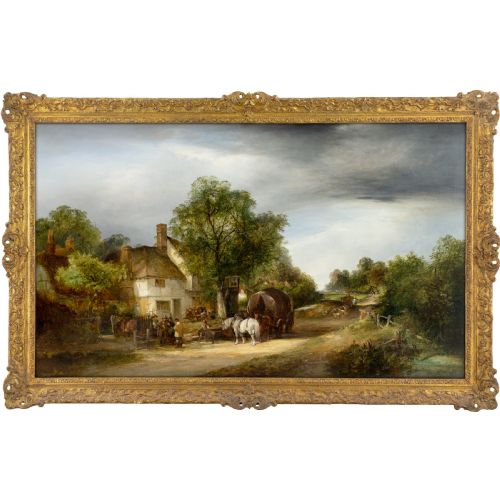
A vintage pastoral scene painting captures the quiet rhythm of traditional country life, offering a calming window into agrarian landscapes and rustic riverbanks.
Vintage Pastoral Scene Painting
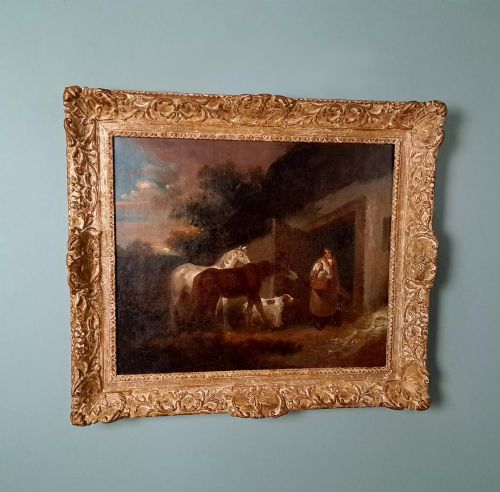
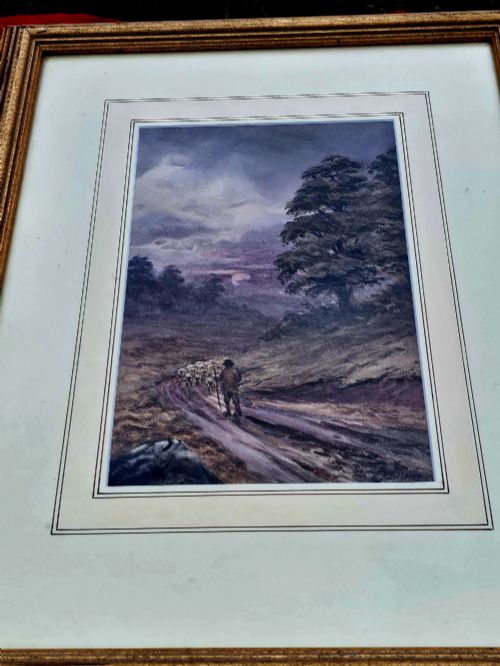
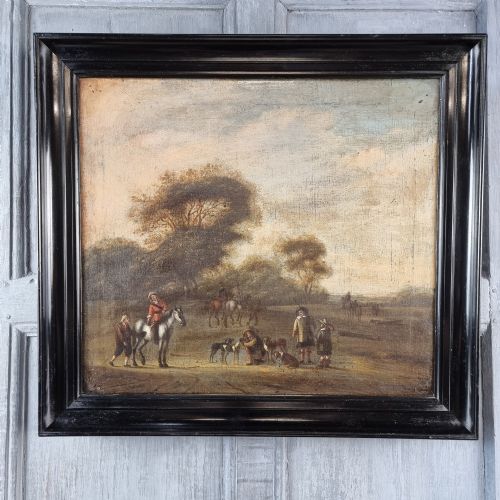
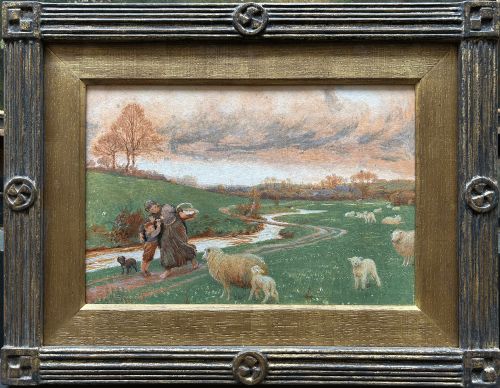
A vintage pastoral scene painting draws the eye to tranquil countryside views, featuring figures herding sheep, cattle grazing by rivers, and workers harvesting the land. These works span centuries of artistic observation, capturing the enduring appeal of rural life through the brush.
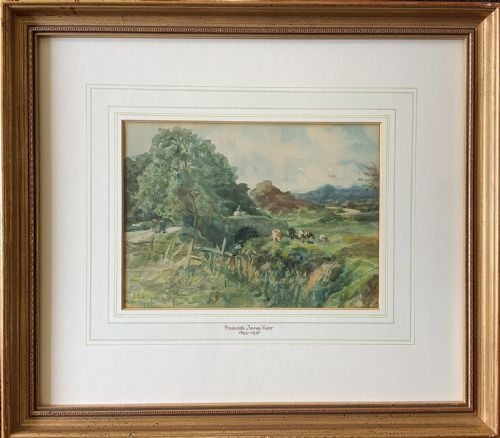
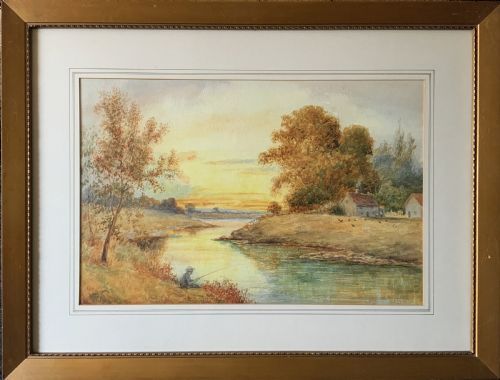
The pieces on this page lean heavily into 19th-century and early 20th-century British and European traditions. Buyers will regularly encounter oil on canvas and delicate watercolours depicting cottage landscapes, woodland cattle, and river scenes framed in wood and gold leaf.
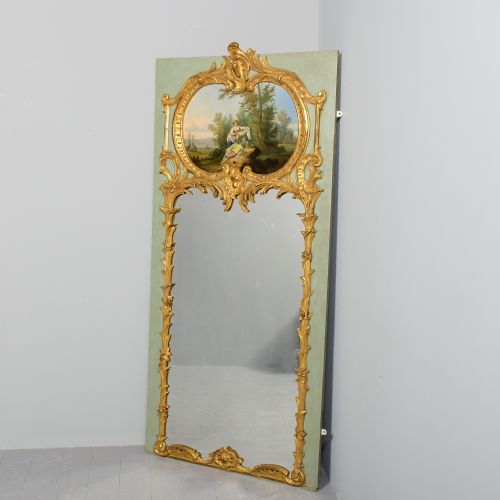
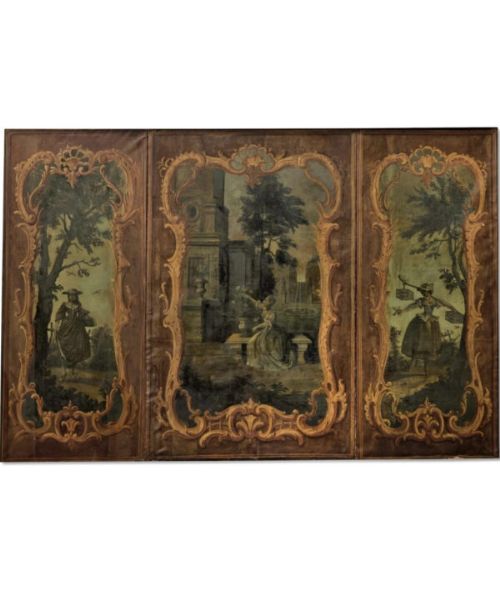
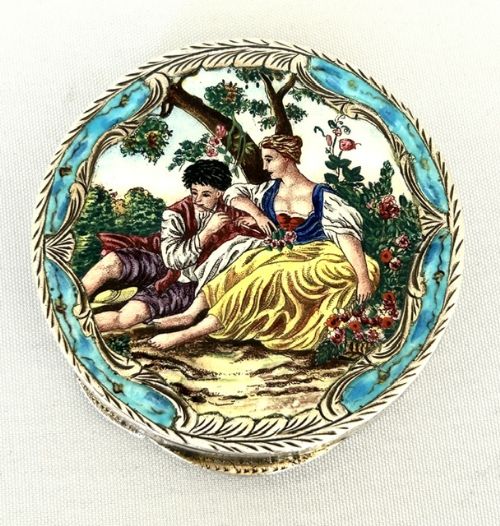
Beyond standard framed artworks, the pastoral theme extends onto decorative screens, painted trumeau mirrors, and intricate enamel pieces. Each format brings a different texture of country life into an interior, whether through grand canvas displays or intimate framed watercolours.
How They Were Made
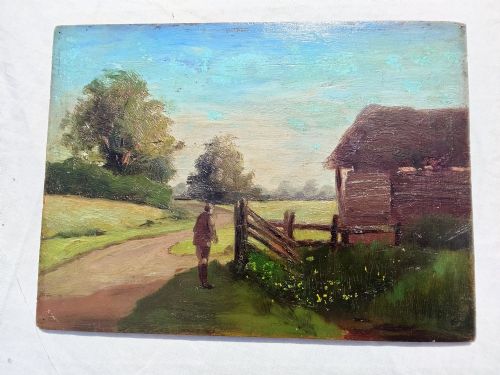
Artists relied primarily on oil paint applied to canvas, wooden board, or panel, building rich layers to capture the shifting light of fields and waterways. Watercolour on paper was equally common for softer, more immediate atmospheric studies of rural weather.
Many works incorporate traditional framing materials such as carved wood and gold leaf to elevate the presentation of the canvas. Enamel and painted surfaces also appear on smaller decorative objects, using fine pigments to preserve pastoral motifs.
Several cows and a surprising number of ducks manage the workload across these fields.
What Varies in Quality
Quality rests in the artist's ability to handle light, atmosphere, and natural movement within the countryside setting. A superior painting commands attention through confident brushwork and a balanced composition that brings livestock, figures, and foliage to life.
The physical state of the materials plays a significant role, from the preservation of the original oil on canvas to the integrity of the antique gilt wood frame. Well-preserved works retain the depth of their original pigments without heavy restoration masking the hand of the painter.
William H Myers·George Graham·William Joseph Shayer Senior·Frederick James Kerr·Ernest Higgins Rigg·John Sanderson Wells·James William Booth·Owen Bowen·Frederick Septimus Lewis·Ernest Pile Bucknall·Henry John Boddington·Frederick James Knowles·Willem Anton Alexander Knip·Giulio Cecchini·Charles Vickers·John Atkinson·Alfred Grey·Benjamin Williams Leader·George Soper·Florence Hess·Cor De Boer
The Vintage Pastoral Scene Painting Glossary
- Pastoral scene
- An artistic work depicting country life, typically involving shepherds, farm animals, and rural landscapes. These scenes romanticise the simplicity of agricultural existence.
- Oil on canvas
- A painting technique using pigments suspended in drying oils applied to stretched fabric. This method allows for rich colour depth and subtle blending.
- Watercolour painting
- Art created using water-soluble pigments on paper. It produces transparent layers well suited for capturing open skies and pastoral light.
- Gilt wood
- Wood coated with a thin layer of gold leaf or gold paint. It frequently surrounds antique paintings and decorative mirrors to provide an ornate border.
Vintage Pastoral Scene Painting: Frequently Asked Questions
What periods do these paintings cover?
The pieces span multiple centuries, with a heavy concentration of works originating from the nineteenth and early twentieth centuries. Earlier examples from the seventeenth century also appear alongside mid-twentieth-century interpretations.
This broad timeline shows how artists continuously returned to rural motifs, adapting their techniques while preserving the quiet subject matter of the countryside.
How were these artworks traditionally displayed?
Most works are framed in wood, often enhanced with gold leaf, designed to hang as focal points in domestic interiors. Smaller watercolours and decorative items were meant for more intimate viewing spaces.
In addition to standard wall art, pastoral scenes occasionally decorated functional home furnishings like wooden folding screens and painted mirrors.
What subjects are most common?
Cattle and sheep feature heavily, often shown grazing near rivers, moving through woodlands, or being herded to market by figures. Harvest scenes and quiet cottages nestled in the countryside also recur frequently.
These subjects reflect a deep artistic interest in documenting the daily labour and natural beauty of rural life before industrialisation.
Are these works signed by the artists?
Many of the pieces bear signatures or inscriptions left by the painters, while others remain indistinctly signed or attributed to known regional schools. Signatures help anchor the work to specific creators active during the Victorian or Edwardian eras.
Unsigned pieces are typically identified through their materials, style, and the characteristic handling of the landscape by particular artistic traditions.