




20th Century Pastoral Painting
A 20th century pastoral painting captures rural life and the British countryside through oil and watercolour, bringing quiet agricultural scenes into modern rooms.
20th Century Pastoral Painting
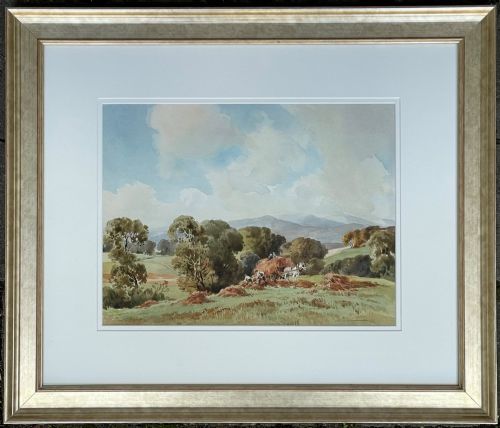
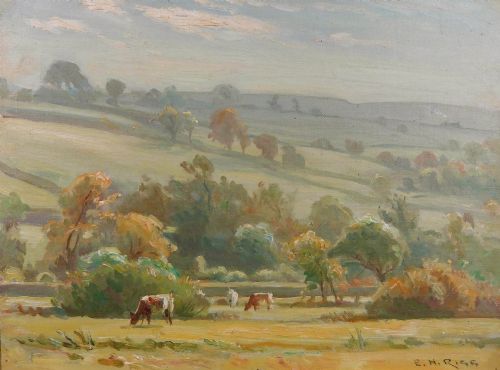
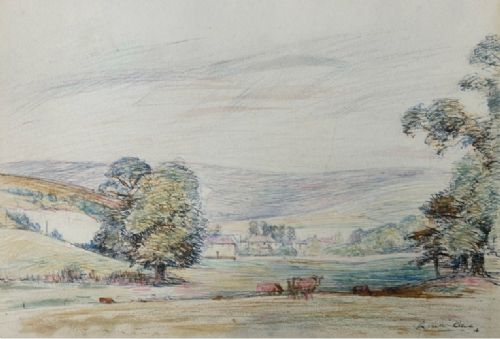
A 20th century pastoral painting depicts rural scenes, farmsteads, river valleys, and agricultural labour executed across the opening decades of the century.
The most common examples on this page are oil and watercolour paintings on canvas, paper, or wood panel, originating from British and Scottish artists.
Subjects frequently record working horses, cattle, cottages, and harvest activities set within regional landscapes from Yorkshire, Wales, and the Scottish Highlands.
Materials and Technique
Artists worked primarily in oil paint or watercolour, applying pigments to prepared canvas, thick paper, wood panels, or boards.
Paintings often retain their original frames constructed from wood or burr, protecting the delicate paper and canvas surfaces.
Listings feature works spanning from the Edwardian era through the nineteen-sixties, utilising canvas, paper, and wood.
Judging Quality
Quality rests upon the handling of light and atmospheric depth within the rural composition, distinguishing accomplished brushwork from stiffer interpretations.
The strength of provenance, legible artist signatures, and the preservation of original framing contribute significantly to an individual work's standing.
Tom Campbell·Percy Lancaster·Ernest Higgins Rigg·Russell Sidney Reeves·Oswald Garside·Margaret Maitland Howard·Frederick Septimus Lewis·George Soper·Florence Hess·Herbert Royle·Kershaw Schofield·Alois Arnegger·Jack R Mould·William Hoggatt·Owen Bowen·John J Hamer·George Graham·Angus Rands
The 20th Century Pastoral Painting Glossary
- Oil on canvas
- Pigment suspended in drying oil applied to a stretched woven fabric support. This surface provides durability and allows for rich textural application by the artist.
- Watercolour
- Pigment ground in a water-soluble binder applied to paper. It produces transparent washes of colour that rely on the white of the paper to reflect light.
- Wood panel
- A rigid wooden support used in place of canvas. Panels offer a solid ground that prevents the flexing associated with woven fabrics.
- British Impressionism
- A painting style influenced by French techniques focusing on natural light and everyday scenes. Practitioners captured transient effects outdoors.
- Scottish School
- A grouping of artists associated with regional Scottish landscapes and distinct stylistic developments. These works often celebrate highland topography.
20th Century Pastoral Painting: Frequently Asked Questions
What subjects appear in these paintings?
These works focus primarily on agricultural labour, river valleys, livestock, and rural cottages. Scenes often record haymaking, ploughing, and pastoral landscapes across Britain.
Artists drew inspiration from specific regional topographies, including Yorkshire, Wales, and the Scottish Highlands.
How do I care for a watercolour painting?
Watercolour works on paper require protection from direct sunlight to prevent fading of the pigments. Displaying them away from moisture prevents paper degradation and foxing.
Keeping the original glazed frames intact helps shield the delicate paper surface from environmental pollutants.
How do I distinguish oil from watercolour?
Oil paintings feature a textured, light-reflecting surface where the pigment sits visibly on canvas or wood panels. Watercolours present a flat, transparent appearance on paper beneath protective glass.
Oils do not require glass framing, whereas watercolours need glazing to safeguard the paper medium.
Where were these artists working?
The creators of these works operated across various British and European regions during the twentieth century. Many recorded specific local landscapes in rural England, Scotland, and Wales.
Colonies of artists formed in distinct rural areas, capturing the changing agricultural seasons.