



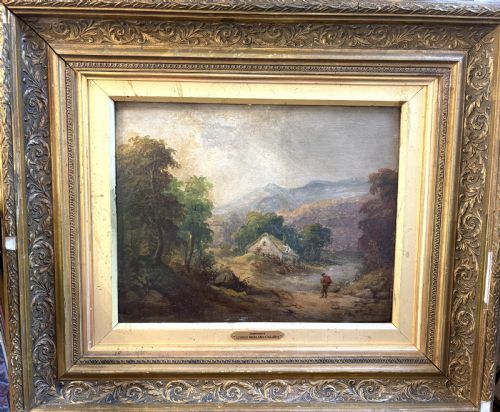
Vintage Pastoral Landscape Artwork
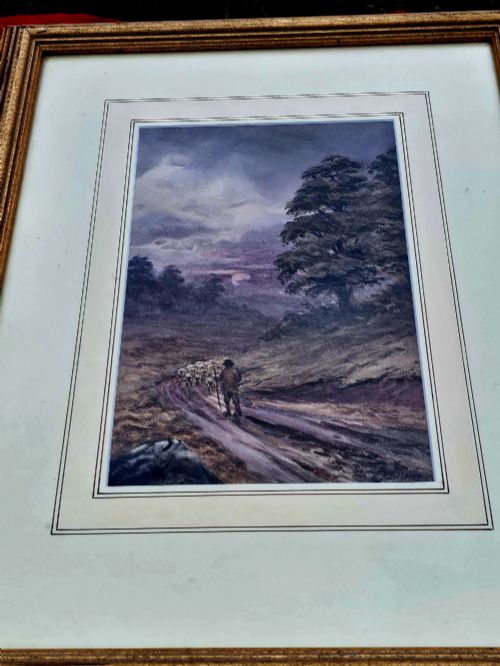
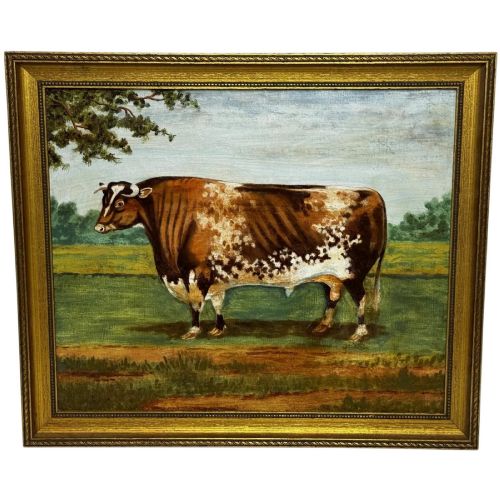
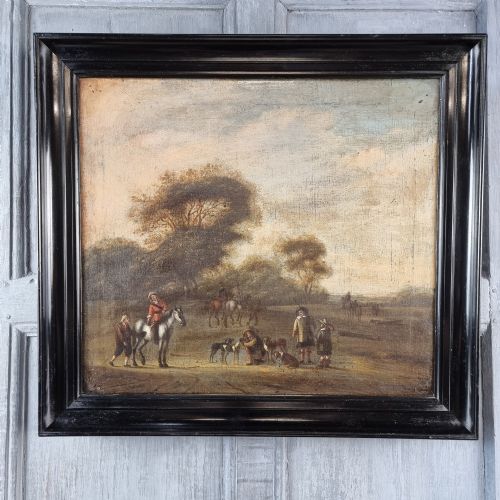
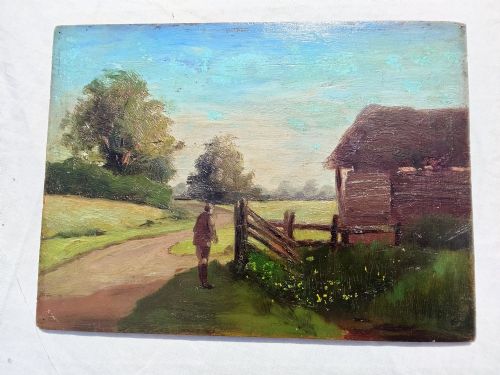
Vintage pastoral landscape artwork brings the quiet rhythm of the countryside and rural labour onto canvas, paper and wood panel.
Vintage Pastoral Landscape Artwork
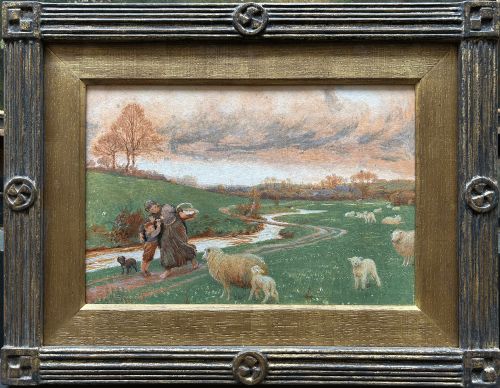
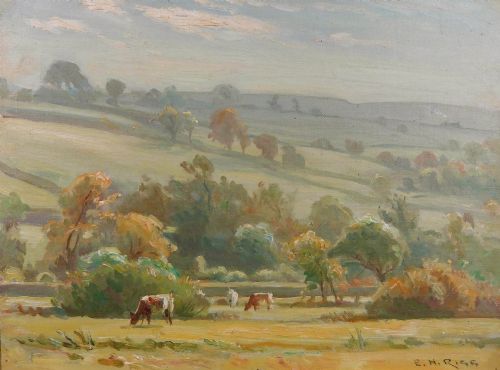
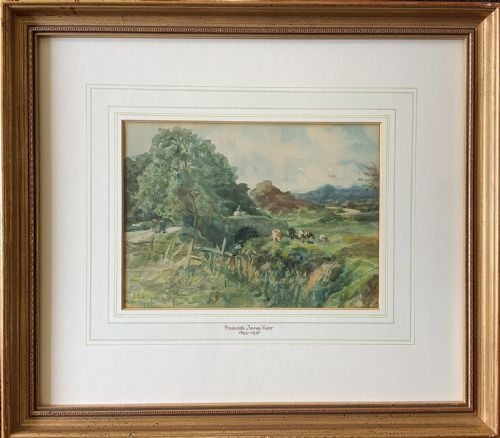
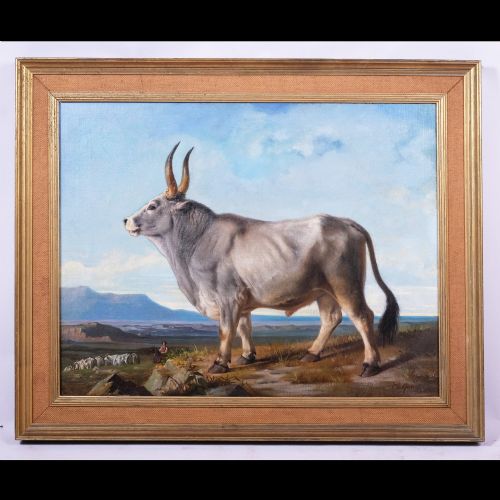
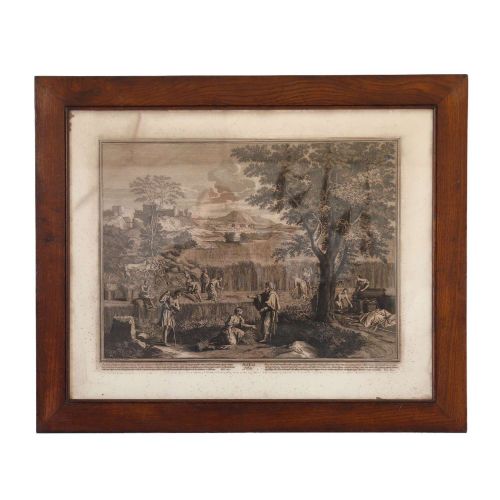
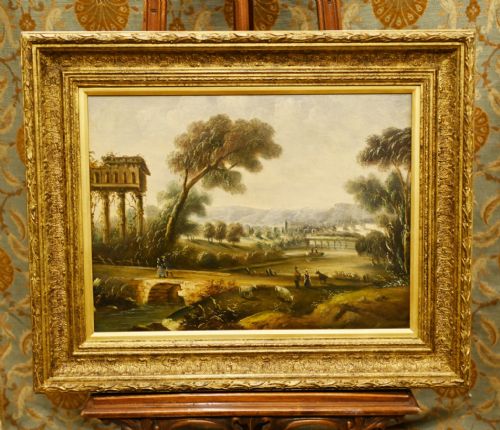
Vintage pastoral landscape artwork captures rural scenes of farming, livestock, rivers and cottages, drawing from traditions spanning the seventeenth century to the twentieth century. When searching for vintage pastoral landscape artwork, buyers encounter framed oils, watercolours, lithographs and needlework pictures depicting cattle, sheep and agricultural life.
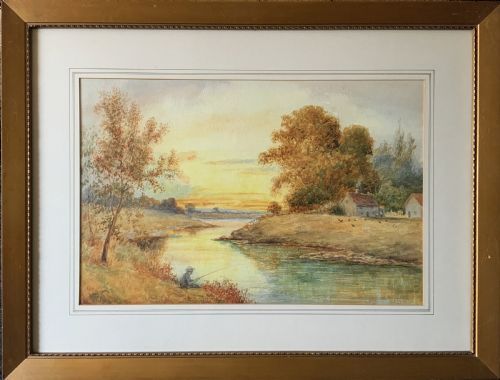
The works appearing here range from nineteenth-century British and English school paintings to Edwardian watercolours and early twentieth-century impressions. Scenes often focus on figures herding animals, working the harvest or resting near rivers, reflecting both British and continental European countryside traditions.
Materials and construction
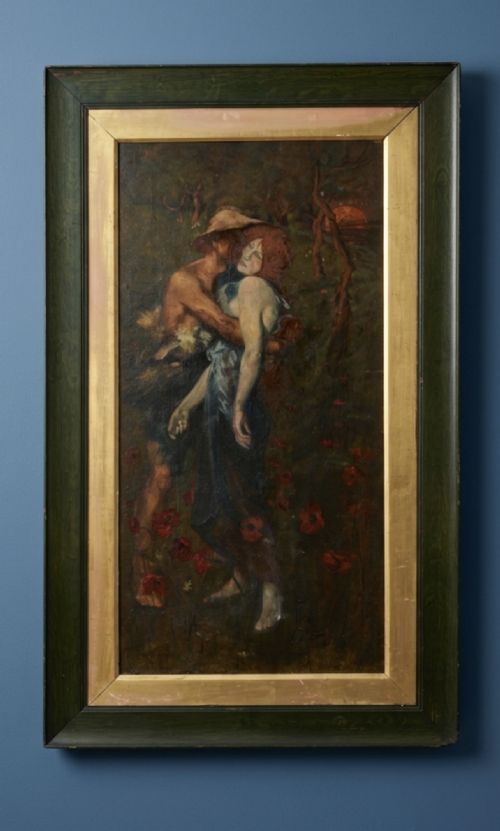
Artists painted primarily in oil on canvas, wooden boards or wood panels, while others worked in watercolour and ink on paper. Pigments were applied with brushes to capture natural light, foliage, skies and animals in rural settings.
Many pieces retain their original wooden frames, sometimes accented with gilt mouldings and protected beneath glass. Engravings and lithographs translate original compositions onto paper through printmaking techniques.
Listings feature works created across several centuries, spanning the seventeenth, eighteenth, nineteenth and twentieth centuries.
Assessing quality and execution
Quality rests upon the artist's command of light, atmosphere and proportion, particularly in the rendering of livestock and human figures within open terrain. Brushwork that conveys texture in foliage and water distinguishes accomplished works from simpler decorative copies.
The preservation of the pigment, stability of the canvas or wooden panel, and the originality of the frame contribute to the enduring integrity of the piece.
Tom Campbell·William Joseph Shayer Senior·Ernest Higgins Rigg·Frederick James Kerr·George Morland·John Emms·Charles Clair·Margaret Maitland Howard·Henry Charles Fox·James William Booth·Owen Bowen·Ernest Pile Bucknall·James Orrock·James Hardy Junior·Frederick James Knowles·Willem Anton Alexander Knip
The Vintage Pastoral Landscape Artwork Glossary
- Pastoral
- Relating to the countryside, rural life, shepherds and farming. These scenes romanticise agricultural existence and traditional rural landscapes.
- British School
- A term used to describe artists working in Britain whose specific identities remain unknown or secondary to their regional tradition. It groups together works sharing stylistic traits of a particular era.
- Oil on Canvas
- A painting technique using pigments bound in a drying oil applied to stretched woven fabric. This medium allows for rich colour blending and textured brushwork.
- Watercolour
- A painting method where paint is made of pigments suspended in a water-based solution on paper. It produces translucent washes of colour well suited to atmospheric skies and rivers.
- Grand Tour
- A traditional trip of Europe undertaken by upper-class Europeans for pleasure and education. Artwork collected during these travels often recorded Italian landscapes.
Vintage Pastoral Landscape Artwork: Frequently Asked Questions
What subjects appear in pastoral art?
Pastoral art primarily depicts rural scenes featuring shepherds, cattle, sheep, farmhouses, rivers and agricultural labour. Artists frequently recorded everyday country life and animals grazing in open fields.
These compositions often evoke a tranquil mood, celebrating the connection between humanity, livestock and the natural environment across various European and British regions.
How do I identify the age of a painting?
Dating relies on examining the support materials, such as the weave of the canvas, the preparation of the wood panel, or the type of paper used. Signatures, artist biographical dates and framing styles also provide clear chronological markers.
Stylistic clues like clothing attire or agricultural methods depicted in the scene help narrow down the decade of creation.
Where were these rural scenes painted?
Many works record specific British regions, including Scottish highlands, Yorkshire dales, Dorset lanes and northern rivers. Other examples capture continental settings such as Tuscan farmland during travels abroad.
Artists often worked outdoors to capture direct observations of light before completing compositions within their studios.
How should I display watercolour paintings?
Watercolours on paper require protection from direct sunlight to prevent the pigments and paper from fading over time. Hanging them in rooms with stable humidity levels helps preserve the paper support and any accompanying original frame.
Glazing with appropriate glass provides a barrier against airborne dust and accidental surface contact.