

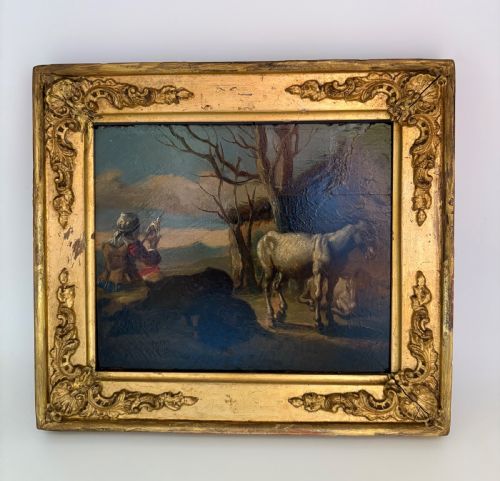




Framed Baroque Landscape Artwork
Framed baroque landscape artwork brings seventeenth and eighteenth century pastoral views and dramatic vistas into your interior.
Framed Baroque Landscape Artwork
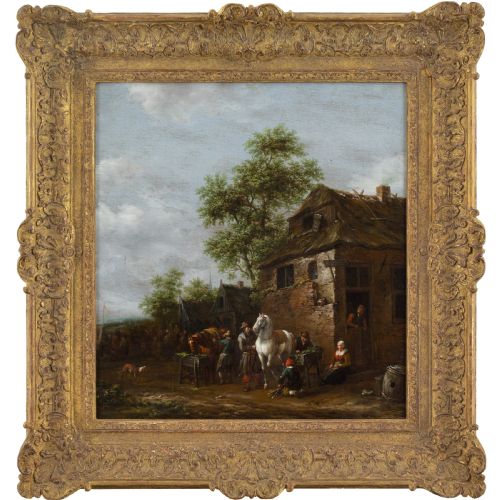
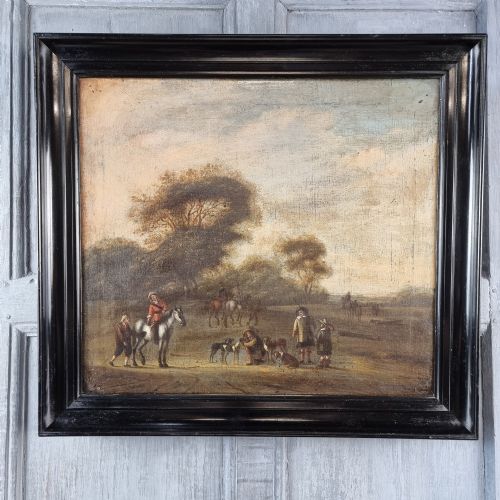
Framed baroque landscape artwork captures the sweeping scenery, classical ruins, and pastoral figures characteristic of the seventeenth and eighteenth centuries. These works emerge from Flemish, Dutch, and Italian schools, presenting mountainous terrain, river valleys, and marine views housed in period frames.
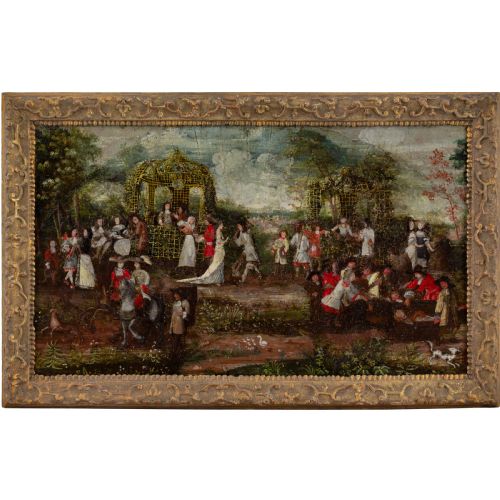
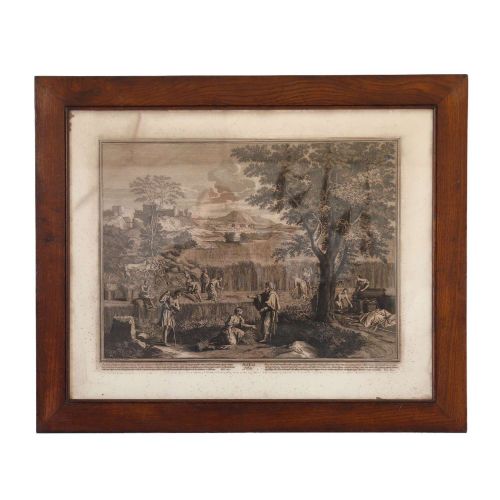
You will encounter oil paintings on canvas and oak panel, alongside period engravings, depicting figures ranging from mythological deities and shepherds to royal coach parties. The compositions balance natural scenery with architectural elements, often reflecting the golden age of European painting.
The selections span distinct regional traditions, from the dense woodlands of Flemish village fetes to the sunlit classical landscapes of Italy. Each piece retains its historical context through the original or period-appropriate giltwood and wood frames that accompany the canvas or panel.
How they were made
Artists built these compositions using oil paint on stretched canvas or solid wood panels such as oak, applying rich layers of pigment to create depth in skies and foliage. Engraved prints offered another method of reproduction, translating complex pastoral designs onto paper.
The enclosing frames utilise carved wood enriched with gold leaf and gilt, creating ornate giltwood borders designed to complement the theatrical scale and drama of the paintings within.
Surviving works incorporate gold leaf and giltwood framing alongside historical engravings.
What varies in quality
The distinction lies in the execution of the brushwork and the complexity of the composition, where master hands achieve greater atmospheric depth and anatomical precision in figures. Studio output and followers demonstrate varying degrees of finesse compared to primary works.
The survival of the original or period frame significantly influences the integrity of the piece, as matching giltwood surrounds complete the historical presentation of the canvas or panel.
Cornelis Van Poelenburgh·Philipp Peter Roos·David Teniers II·Claude Lorrain·Marmaduke Cradock·Jacob Bogdani·Pieter Bout·Adriaen Frans Boudewyns·Francesco Zuccarelli·Francesco Albani·Martin Pierre Denis
The Framed Baroque Landscape Artwork Glossary
- Baroque
- A European style of art spanning the seventeenth and early eighteenth centuries, characterised by drama, deep shadow, and grand scale. It emphasises movement and emotional intensity in both figures and natural scenery.
- Giltwood
- Wood that has been coated with a thin layer of gold leaf or gold paint. This finish creates the bright, reflective borders seen on period frames.
- Oil on Canvas
- A painting technique using pigments bound in a drying oil applied to a woven fabric support. This combination allows for rich colour blending and durability over centuries.
- Panel Painting
- A painting executed on a flat piece of wood, such as oak, rather than canvas. These rigid supports were common in earlier northern European traditions.
- Italian School
- A broad term for artists working in Italy or adhering to Italian artistic traditions during the classical and baroque periods. These works frequently feature luminous skies and classical architecture.
Framed Baroque Landscape Artwork: Frequently Asked Questions
How do I date these paintings?
Dating relies on stylistic markers, costume details, and the technical characteristics of the canvas or panel. Examining the construction of the accompanying wood frame also offers clues to the period.
Comparative analysis with documented works by regional schools helps narrow the decade of production.
Are the frames original?
Many pieces retain their period giltwood or wood frames, which show appropriate signs of age and wear consistent with the centuries. Some artworks have been paired with complementary antique frames over time.
Checking the rabbet and corners reveals how long the canvas has inhabited its current border.
Where were these painted?
The works originate from artistic centres across Europe, including Flanders, the Dutch Republic, and Italy. Each region developed distinct approaches to light, atmosphere, and landscape subjects.
Local topography and prevailing academic styles often point directly to the workshop's geographic origin.
How should I care for an oil painting?
Keep the artwork away from direct sunlight and steady moisture fluctuations to protect the oil paint and wood support. Dust the surface gently with a soft, dry brush without applying pressure.
Avoid chemical cleaners and consult a professional conservator for any deep cleaning.