
Vintage Paraffin Lamp Shade
A vintage paraffin lamp shade brings soft, warm light to a room, cast through coloured glass or delicate porcelain from the Victorian and Edwardian eras.
Vintage Paraffin Lamp Shade
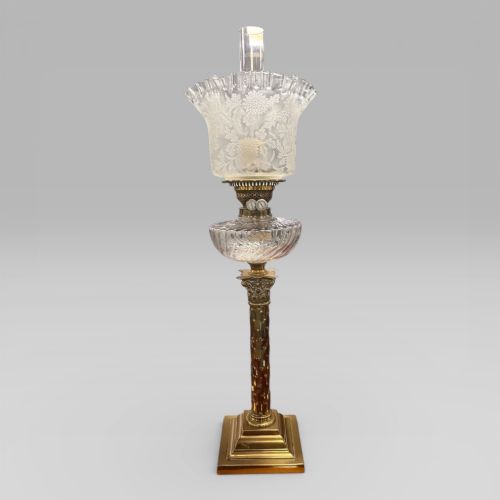
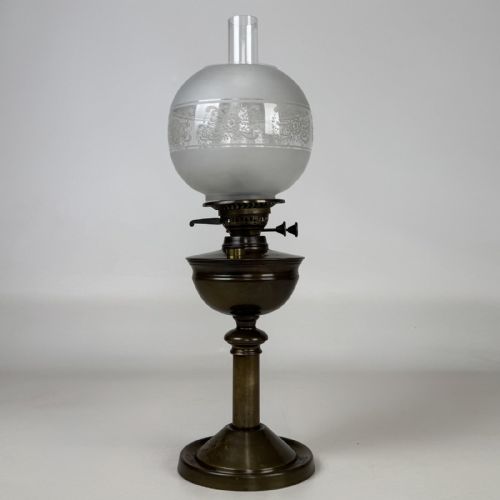
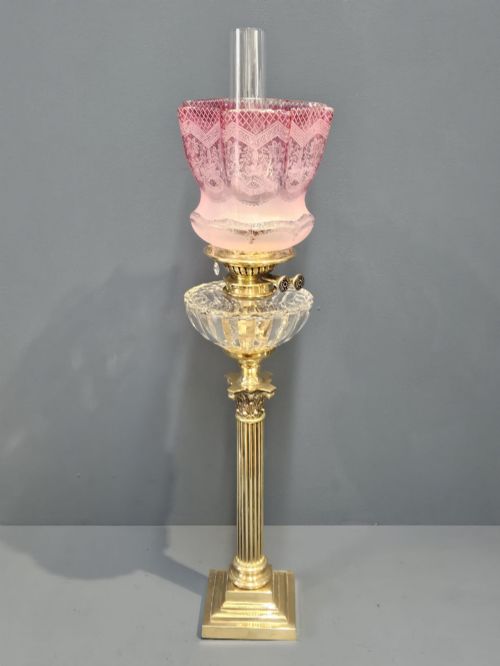
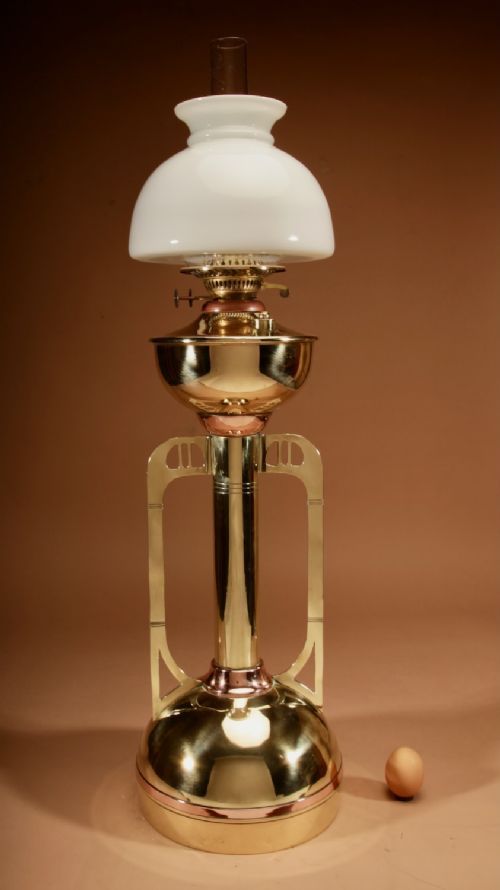
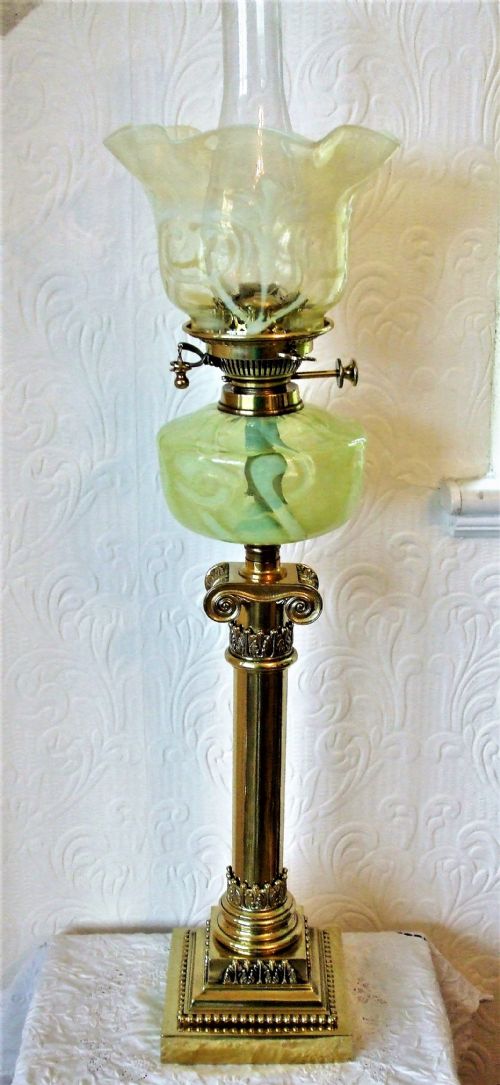
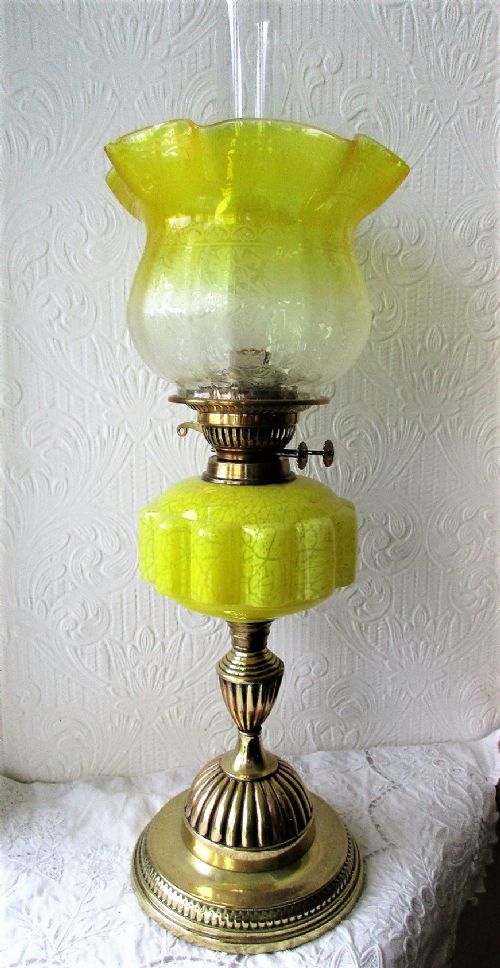
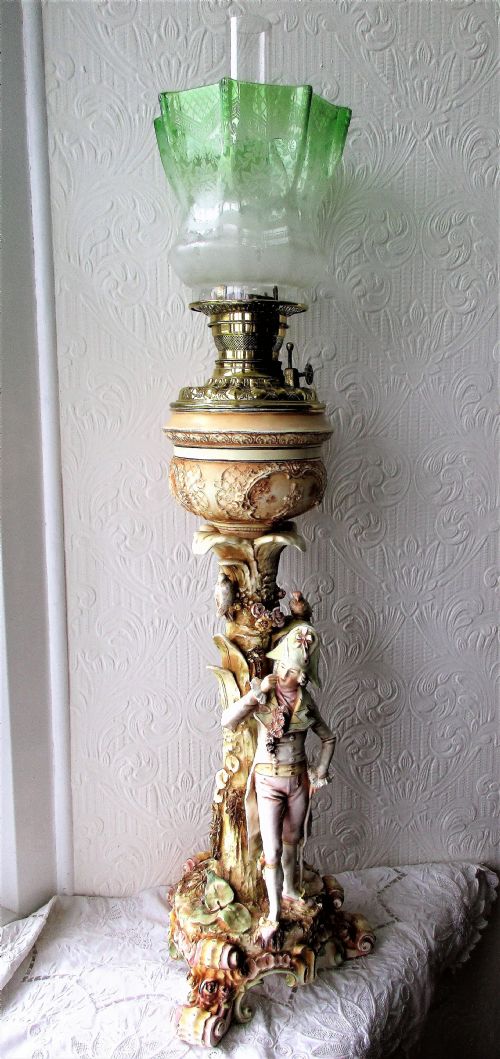
When you search for a vintage paraffin lamp shade, you find glass and ceramic covers designed to fit nineteenth and early twentieth-century oil lamps. The most common examples on this page are Victorian and Edwardian pieces made to sit atop brass columns, ceramic fonts, and table lamps.
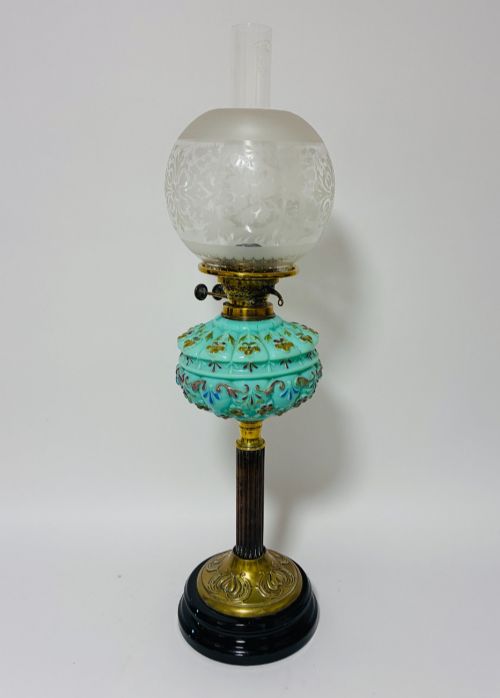
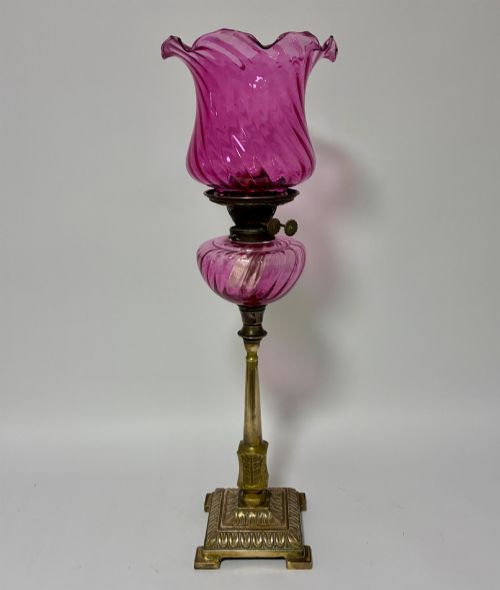
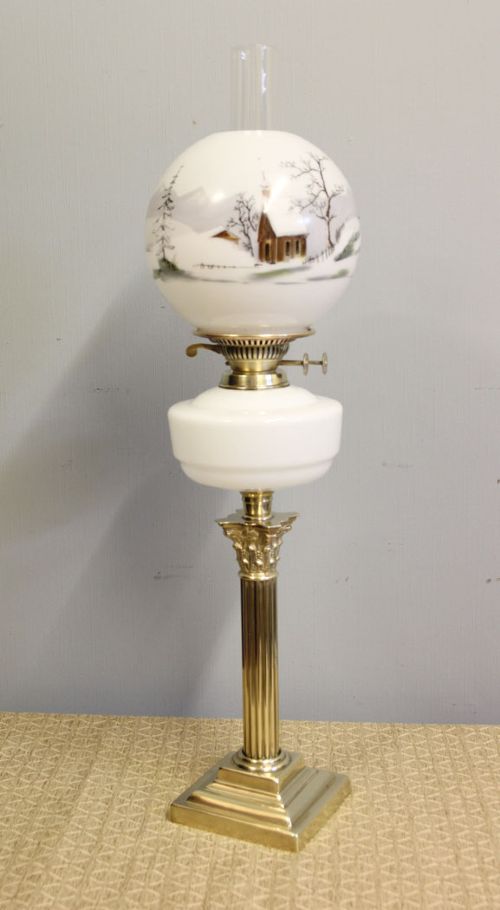
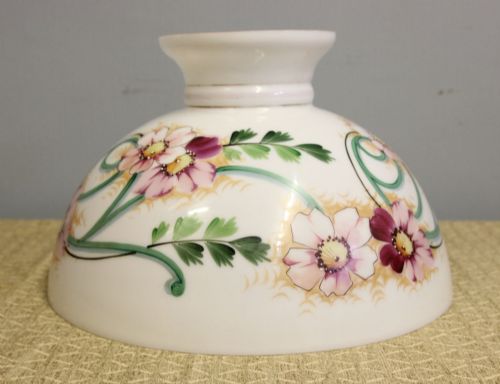
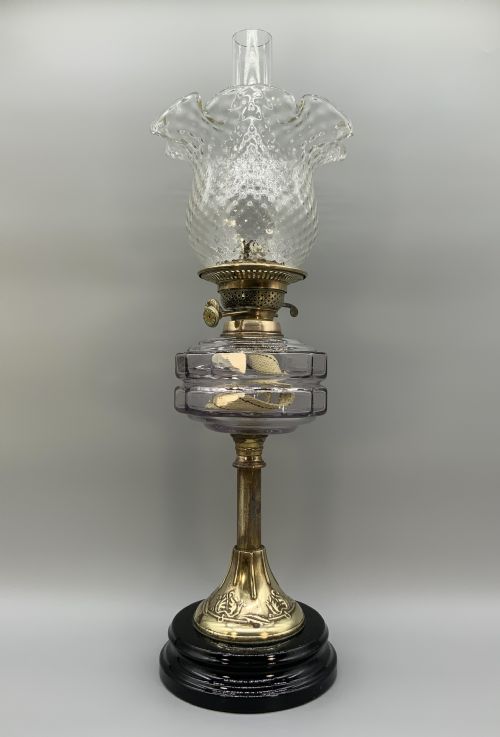
These shades survive from periods spanning the mid-nineteenth century up to the 1930s. They appear in forms such as tulip shapes, hand-painted globe designs, and hanging variants meant to diffuse the direct glare of a double burner.
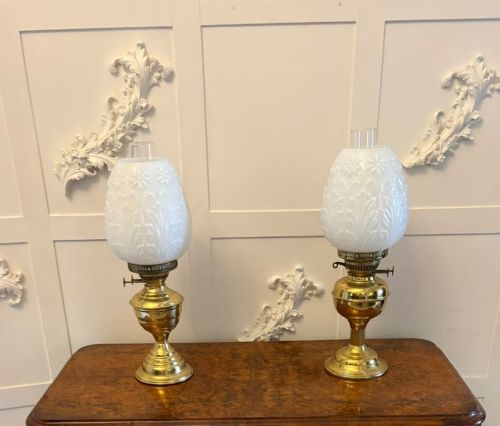
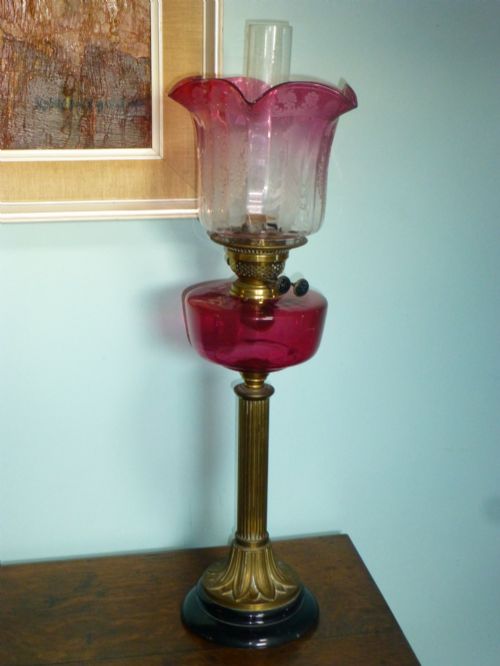
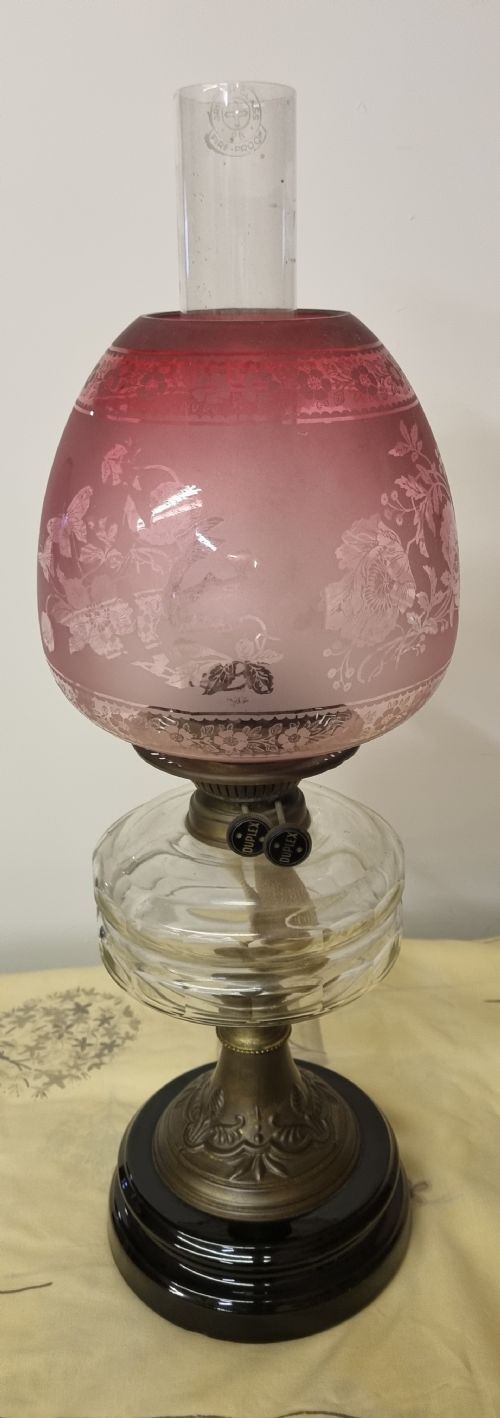
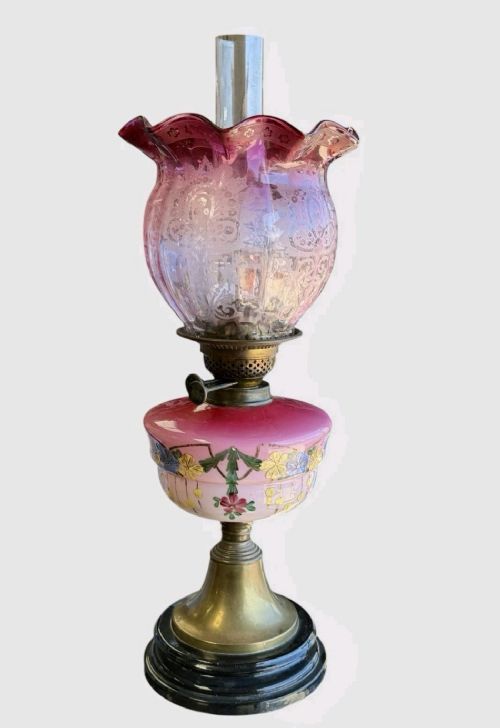
The materials reflect the tastes of the eras in which they were made, ranging from richly coloured cranberry glass to opaline glass and decorated porcelain. Many were paired originally with columns in the Corinthian or Ionic style, though individual shades now circulate independently for modern fittings.
How they were made
Makers shaped glass through hand-blowing and moulding, often using striking mineral oxides to achieve deep red cranberry tones or milky opaline finishes. Artisans then applied surface decoration by hand, painting botanical motifs and winter scenes directly onto the glass or porcelain before a second firing.
Brass mountings and columns were cast and turned on lathes to support the heavier glass and ceramic reservoirs. Structural components such as duplex burners and twin-burning mechanisms required precise engineering in metal to regulate the flame safely beneath the shade.
Some Victorian households relied on a pulpit oil lamp to keep the vicar's sermons legible during late-night winter study.
What varies in quality
The distinction between ordinary production and superior work lies in the depth of the glass colour and the crispness of the hand-painted details. Heavy, well-proportioned cranberry glass and finely etched patterns demand greater skill from the glassblower and decorator than simple pressed white glass.
Substantial brass casting in columns and heavy ceramic fonts indicate a higher grade of manufacture from established makers. The weight of the metal and the precision of the fitter's collar show whether a lamp was built as a luxury household item or a standard utility piece.
Hinks of Birmingham·Gustave Serrurier Bovy
The Vintage Paraffin Lamp Shade Glossary
- Duplex burner
- A double-wick mechanism designed to produce a brighter flame than single-wick predecessors. It requires a wider gallery on the shade to accommodate the increased heat.
- Cranberry glass
- A rich red glass created by adding gold chloride to the molten batch. It is characteristic of Victorian tableware and lighting.
- Opaline glass
- An opaque, translucent glass that ranges from white to pale pastel shades. It diffuses light softly without harsh glare.
- Font
- The oil reservoir of the lamp, positioned beneath or inside the shade support. It is frequently made of contrasting ceramic, coloured glass, or polished brass.
Vintage Paraffin Lamp Shade: Frequently Asked Questions
How do I clean an antique glass shade?
Wash the glass gently in lukewarm water using mild soap, avoiding harsh abrasives that can damage hand-painted details or etched surfaces.
Dry the shade thoroughly with a soft cloth before placing it back onto the brass collar to prevent moisture trapping.
What is a duplex burner?
A duplex burner uses two flat wicks running parallel to each other, controlled by dual winding knobs to generate a much stronger light.
This mechanism requires specific double-walled galleries to hold the shade safely above the wider flame.
How do I tell Victorian from Edwardian shades?
Victorian pieces often favour deep cranberry glass, heavy porcelain fonts, and elaborate hand-painted botanical or figural decoration.
Edwardian examples lean towards lighter opaline tones, simpler brass columns, and cleaner Art Nouveau or Secessionist silhouettes.