


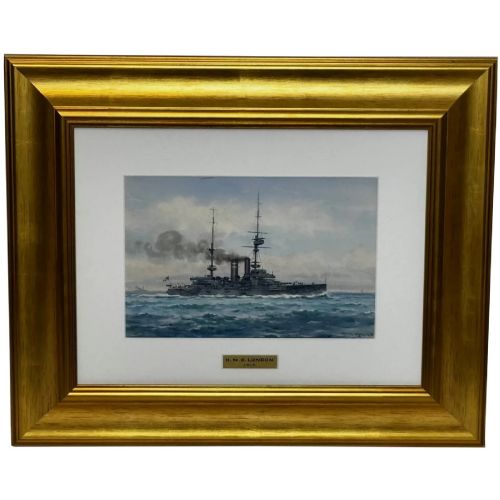
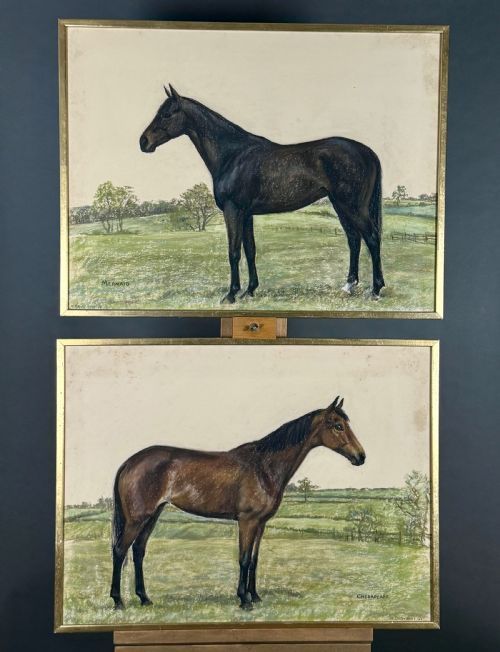
Vintage Paper Painting
A vintage paper painting captures fleeting light and intimate detail on fragile sheets, offering a direct window into early twentieth-century technique.
Vintage Paper Painting
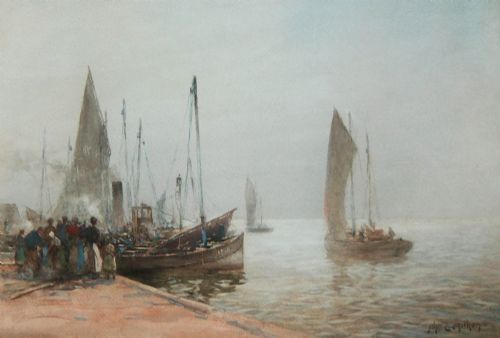
A vintage paper painting encompasses works executed on paper supports across the nineteenth and twentieth centuries, frequently categorised under the search phrase vintage paper painting. These creations span pastoral landscapes, maritime scenes, and characterful portraits rendered in diverse hands.
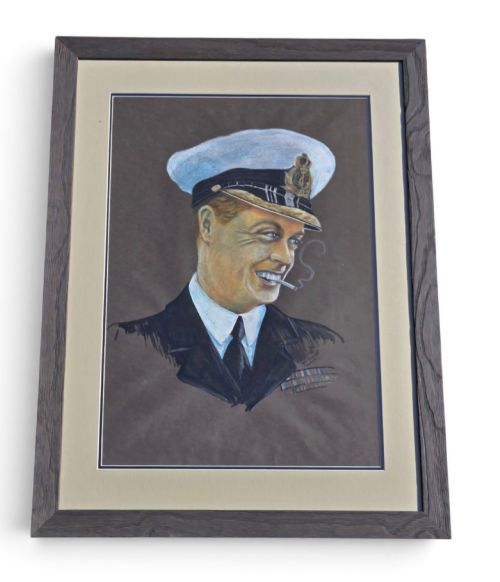
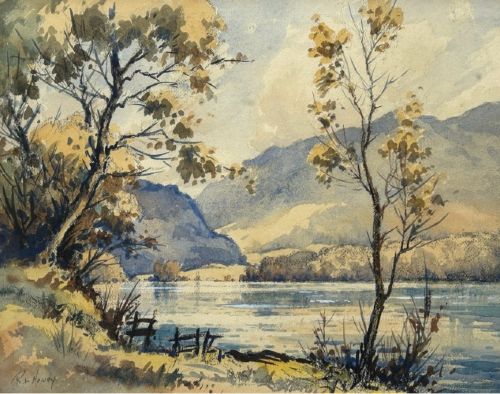
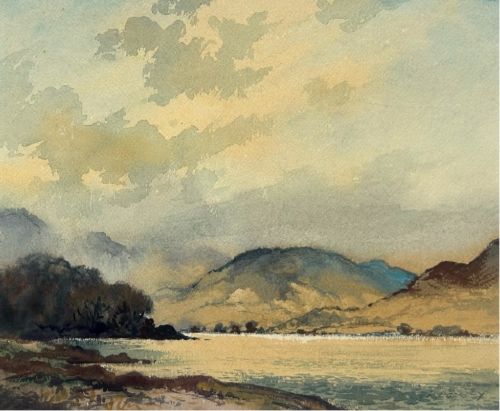
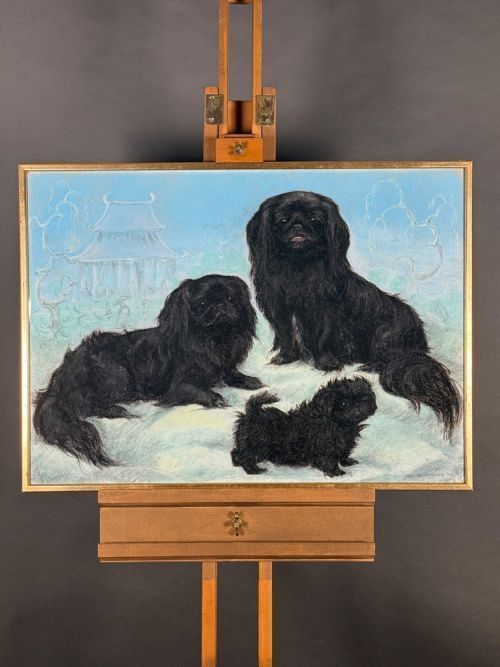
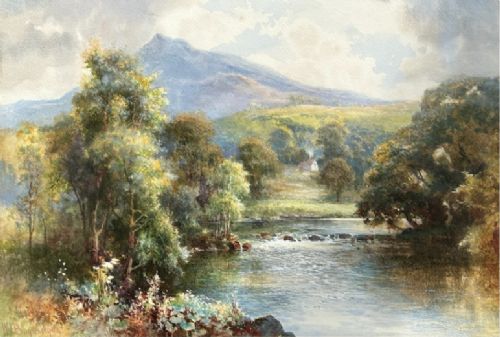
The selection here draws heavily upon early twentieth-century examples, including Edwardian watercolours and mid-century pastels. Buyers encounter framed original artworks reflecting British Impressionist sensibilities alongside continental and Kashmiri motifs.
Beyond standard watercolours, the grouping extends to mixed media compositions involving gouache, ink, and charcoal. Such diversity allows collectors to explore varied stylistic interpretations executed directly on paper surfaces.
Materials and methods
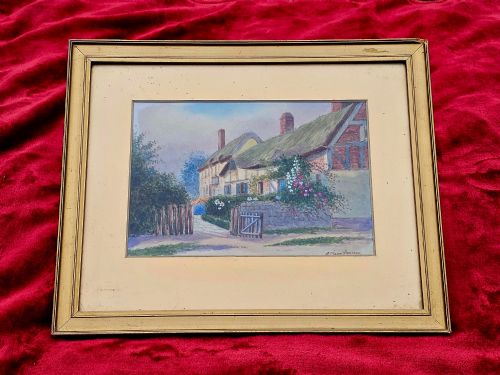
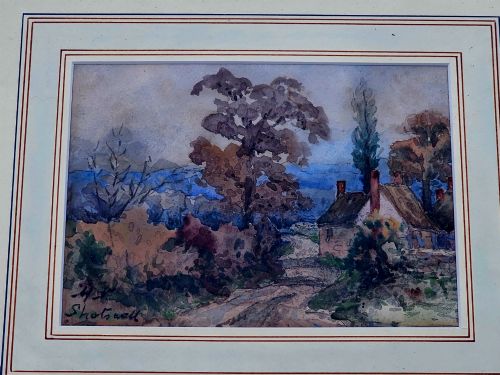
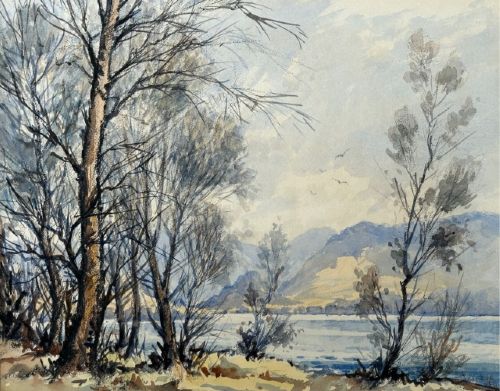
Watercolour pigment and gouache dominate these works, applied to various grades of paper to achieve translucent washes or opaque highlights. Artists frequently employed pen and ink alongside watercolours to define architectural lines and intricate details within the composition.
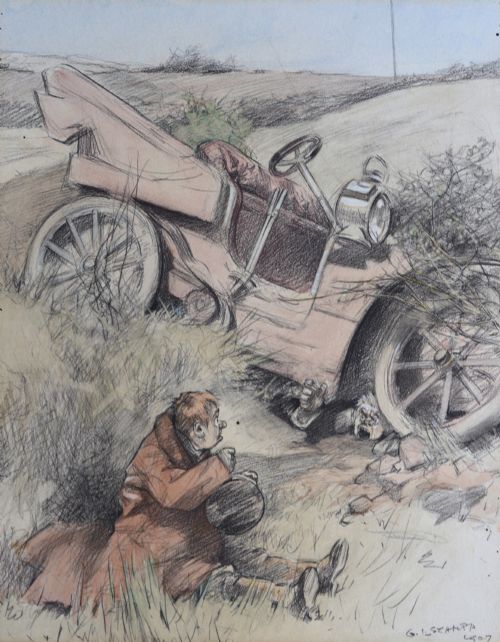
Pastel and charcoal appear frequently on textured paper, lending a soft, immediate quality to portraiture and landscape studies. These dry mediums rely on the underlying tooth of the paper to hold pigment particles, often preserved beneath protective glass.
Framing materials typically involve wood and glass, safeguarding the delicate paper support from ambient moisture and environmental degradation. Original mounts and frames frequently accompany these pieces, maintaining their period context.
Listings feature works from the Edwardian period through to the nineteen-sixties, utilising paper, watercolour, gouache, and pastel.
Distinctions in quality
Quality rests in the assuredness of the brushwork and the precision of the draughtsmanship visible across the paper surface. A confident hand commands the medium without hesitation, defining form and atmosphere through economical strokes.
The preservation of the paper support and the vibrancy of the pigments dictate the standing of an individual piece. Works retaining their original tonal depth and structural integrity command greater regard among collectors.
Provenance and attribution elevate certain works, particularly when signed by documented artists of the British School or associated regional movements. The strength of the composition coupled with a recorded exhibition history marks the upper echelon.
George Lorain Stampa·Alfred Young Nutt·A. Marie Parsons·Robert Leslie Howey·James E. Aitken·William Joseph Boyes·Frank Watson Wood·Henry Silkstone Hopwood·Muriel Metcalfe·Frank William Scarbrough·John Smith Atherton·Frank Dobson·Thomas Maidment·Henry de Waroquier·William Matthison·Emily Eyres
The Vintage Paper Painting Glossary
- Gouache
- An opaque water-soluble paint that includes a binding agent and white pigment to create a heavier, matte finish. It often provides solid highlights in watercolour compositions.
- Watercolour pigment
- Finely ground colour particles mixed with a water-soluble binder, used to create transparent washes on paper. This medium defines the majority of early twentieth-century works on paper.
- Pastel
- A dry art medium in the form of a stick, consisting of pure powdered pigment and a binder. It offers rich, velvety tones when applied to textured paper.
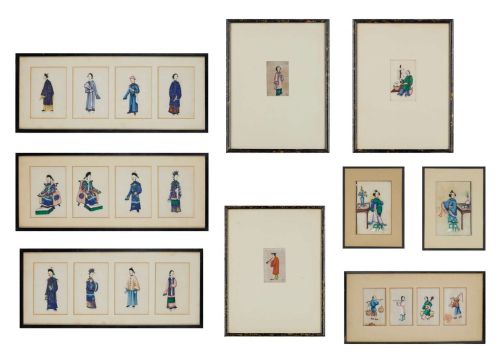
- Pith painting
- Artwork created on thin sheets sliced from the pith of the Tetrapanax papyrifer plant. These delicate nineteenth-century items often depict figural studies.
- Pen and ink wash
- A technique combining linear ink drawing with diluted ink or watercolour washes to build tone and shadow. It provides strong contrast in illustrative works.
Vintage Paper Painting: Frequently Asked Questions
How should I display a vintage paper painting?
Display these works away from direct sunlight to prevent the fading of delicate watercolours and pastels. Glazing with conservation glass further protects the paper from ultraviolet damage and airborne pollutants.
Ensure pieces hang on interior walls where humidity and temperature remain stable. Avoid placing them near heat sources that might cause the paper support to dry out or warp.
What periods do these paintings cover?
The available selection primarily spans the late nineteenth century through to the mid-twentieth century, encompassing Edwardian and Art Deco aesthetics. Pieces from the nineteen-thirties and nineteen-forties reflect evolving modernist approaches alongside traditional British landscape art.
Earlier examples from the Victorian era and late Qing dynasty also appear within the wider grouping. Each period brings distinct colour palettes and handling of the paper medium.
Are all these works framed?
Most pieces are offered mounted and framed under glass to ensure the preservation of the fragile paper surface. Original frames occasionally accompany works, retaining their historical context.
Buyers should examine listing details regarding the frame condition. Some works are sold ready to hang, whilst others may require updated mounting materials.
How do I identify different paper mediums?
Watercolour exhibits transparent washes where the white of the paper illuminates the pigment. Gouache appears heavier and opaque, sitting on top of the paper with a matte finish.
Pastel and charcoal leave powdery, textured marks that require glass protection to prevent smudging. Ink and wash combine sharp linear elements with subtle tonal gradients.