
Vintage Paper Holder
A vintage paper holder brings order to correspondence and periodicals, spanning timber canterburys, hammered copper racks, and silver desk clips.
Vintage Paper Holder
When you search for a vintage paper holder, you encounter a variety of tabletop and floor-standing pieces designed to organise papers, letters, newspapers, and magazines. These range from substantial wooden canterburys made during the Regency, Victorian, and Edwardian periods to compact brass letter racks and silver desk accessories.
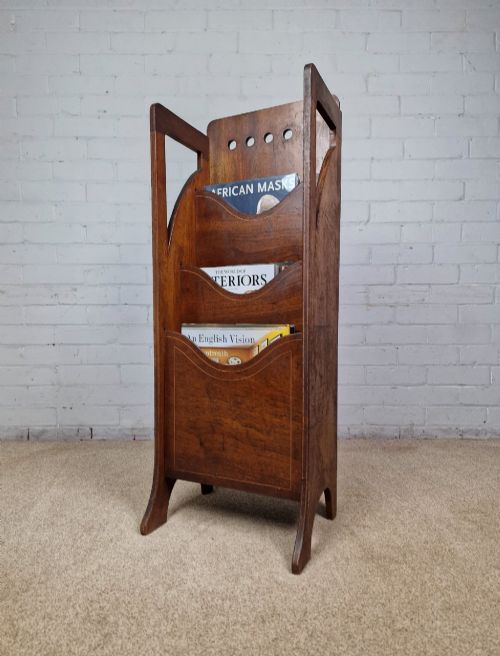
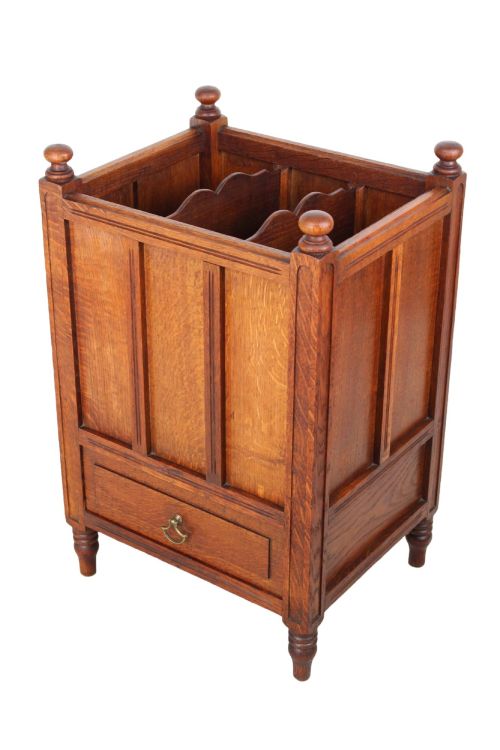
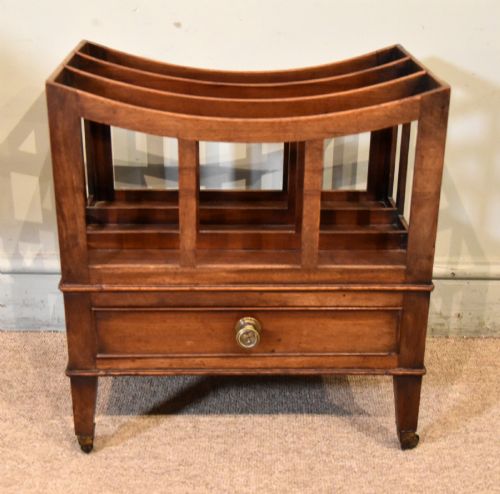
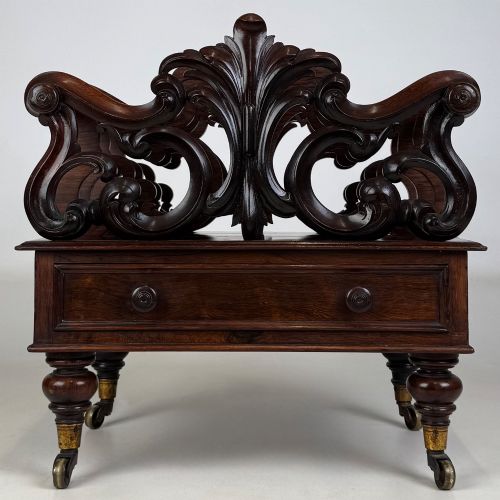
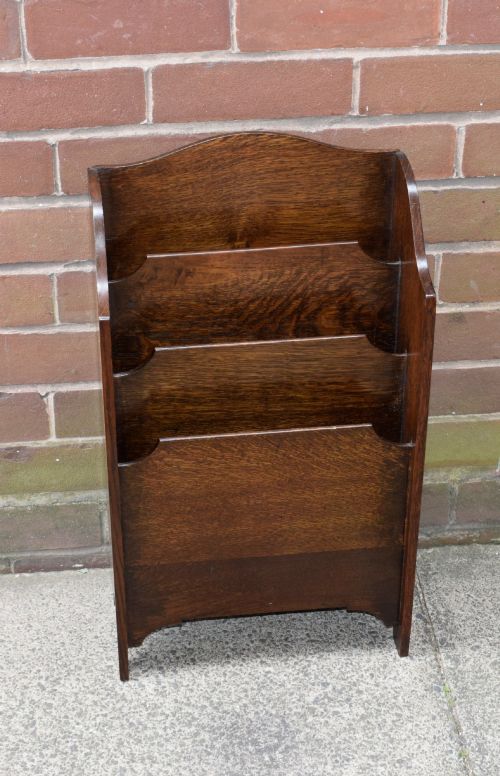
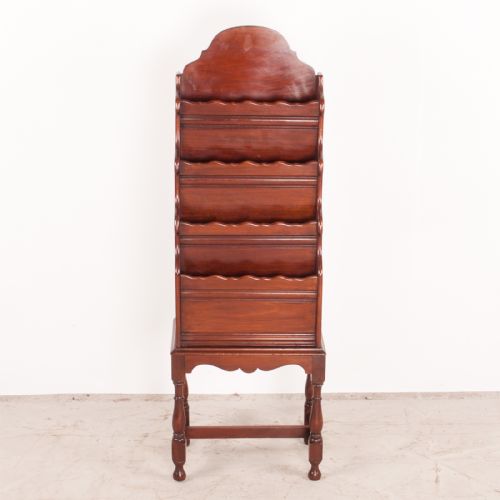
The versions you are most likely to meet on this page are mahogany, rosewood, and oak canterburys with multiple divisions, alongside metal magazine racks and desk tidies from the late nineteenth and early twentieth centuries. These objects reflect the changing domestic habits of households needing to manage growing volumes of print and correspondence.
How they were made
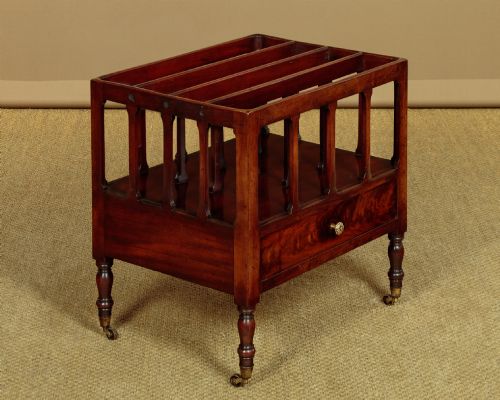
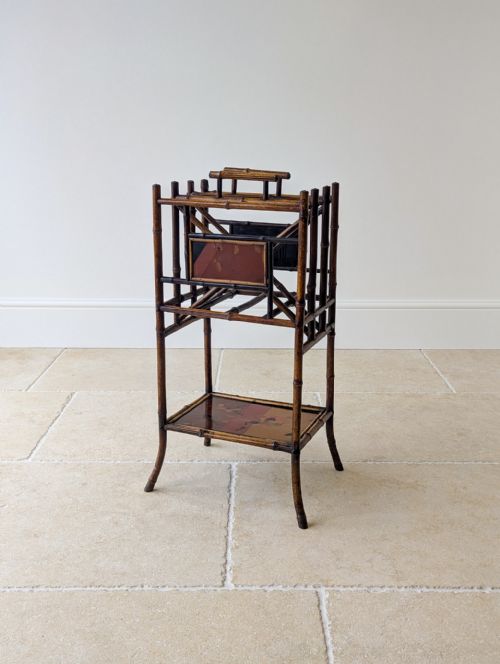
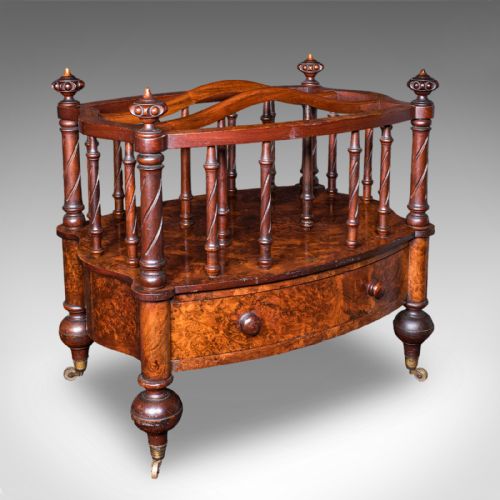
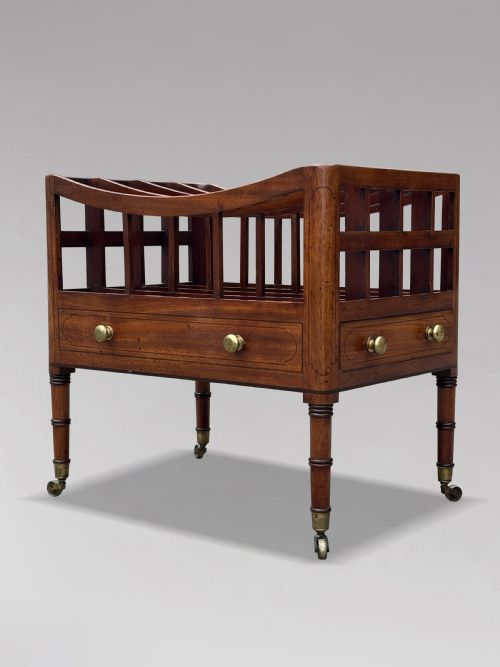
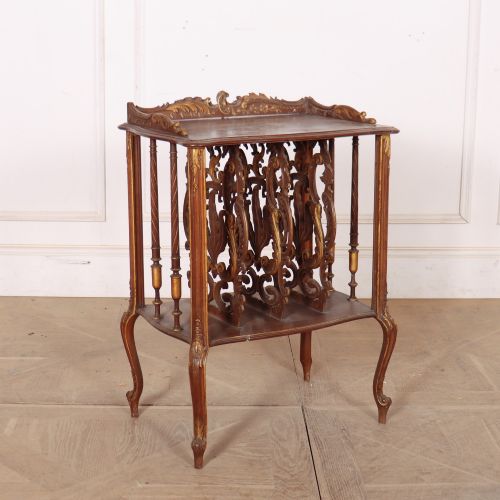
Cabinet makers utilised timber such as mahogany, rosewood, walnut, and oak, often shaping them into slatted divisions, turned supports, and drawers with fine joinery. Finer examples incorporate carved details like Prince of Wales feathers or bamboo framing.
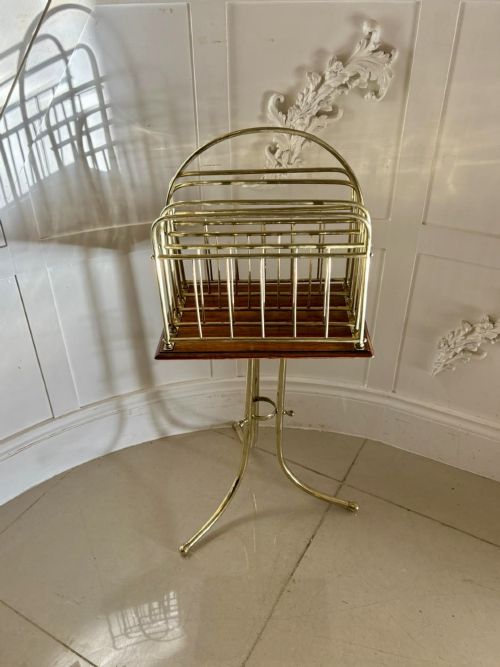
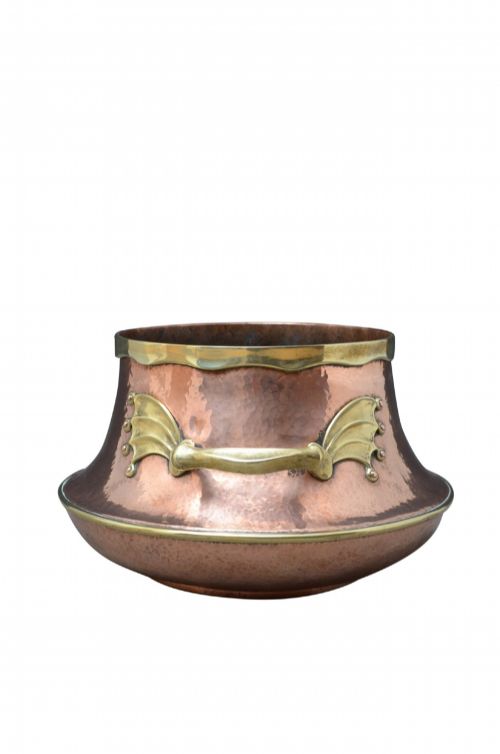
Metal versions utilise brass, copper, and sterling silver, often shaped through hammering, casting, or combining mixed metals to create desk clips, letter racks, and revolving stands.
What varies in quality
The distinction between standard pieces and finer examples rests on the selection of materials and the precision of the construction. Timber canterburys show quality in the choice of figured mahogany or burr walnut, the stability of the slatted partitions, and the crispness of any carved ornament.
Metal desk accessories and magazine stands vary according to the weight of the brass or copper, the depth and execution of hammered work, and the integrity of silver mounts and plinths.
The Vintage Paper Holder Glossary
- Canterbury
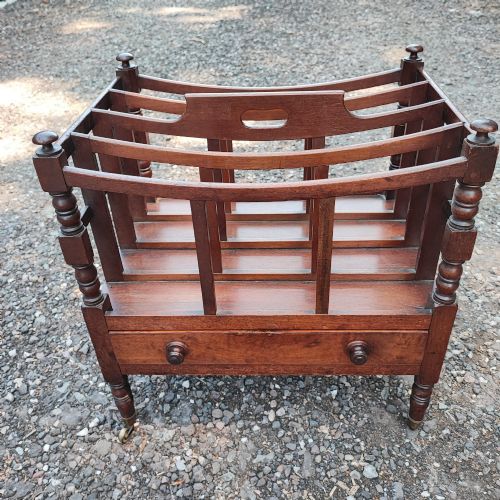
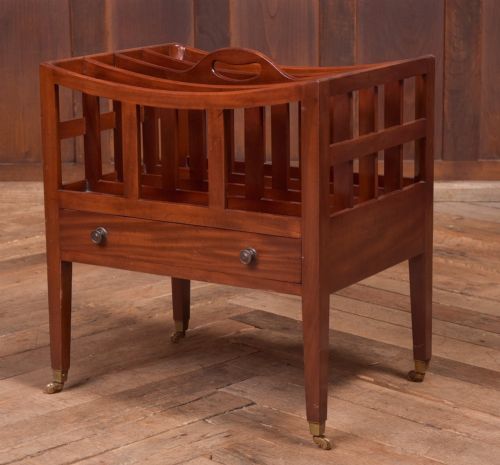
- A low stand with divisions for holding loose papers, sheet music, newspapers, or magazines, usually fitted with low legs and sometimes small castors. They date primarily from the Georgian through to the Edwardian eras.
- Letter rack
- A small desk accessory with upright partitions designed to hold incoming and outgoing correspondence upright. They are frequently fashioned from brass, copper, or polished wood.
- Desk clip
- A spring-loaded metal clip mounted on a base, often in silver or brass, used to secure loose papers or bills on a desktop.
- Aesthetic Movement
- A late nineteenth-century design style that emphasised visual beauty over narrative content, often seen in bamboo and mixed-metal furnishings.
Vintage Paper Holder: Frequently Asked Questions
What is a canterbury used for?
A canterbury is a traditional stand designed to hold sheet music, newspapers, periodicals, and loose papers. They typically feature slatted wooden divisions to keep items upright and separated.
Many examples include a low drawer beneath the main compartment for smaller stationery or writing accessories, making them versatile storage pieces for a living room or study.
How do I distinguish a Regency canterbury?
Regency canterburys date from the early nineteenth century and are characterised by elegant turned legs, finely figured rosewood or mahogany, and often delicate brass castors. They frequently display classicism in their proportions and minimal, refined ornament.
Later Victorian versions tend to be heavier in construction, while Edwardian pieces often incorporate lighter satinwood details or simpler oak frames.
Where should I place a metal magazine rack?
Metal magazine racks, particularly those made from hammered copper, brass, or mixed metals from the Arts and Crafts period, suit studies, living spaces, or hallways. Their robust construction allows them to hold heavier periodicals close to seating areas.
Keep them away from damp environments to preserve the polished or patinated finish of the metal.
What is the difference between a desk tidy and a letter rack?
A letter rack specifically holds upright envelopes and correspondence within divided slots, keeping incoming mail sorted. A desk tidy is often a broader accessory that may include spaces for pens, inkwells, receipts, and paper rolls.
Both items served as functional desktop equipment in nineteenth and early twentieth-century offices and homes.