




Vintage Painting Decor
Vintage painting decor brings historic canvases and hand-painted artistry into rooms, offering rich texture and narrative depth.
Vintage Painting Decor
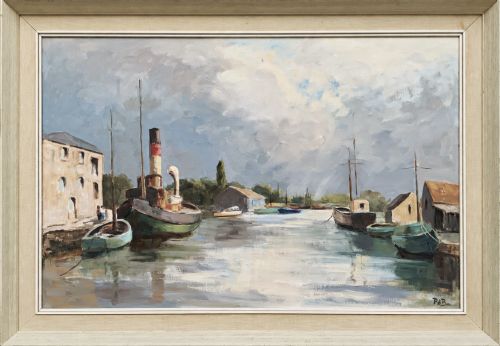
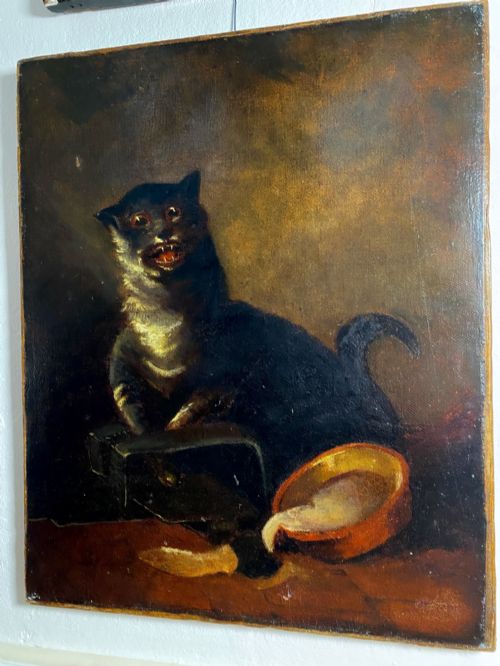
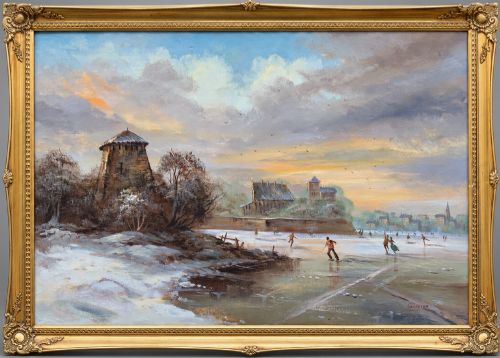
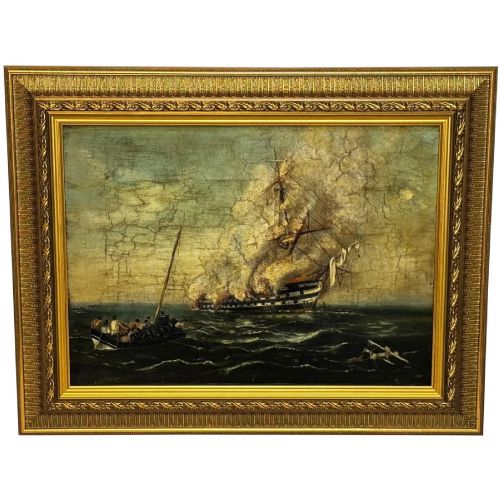
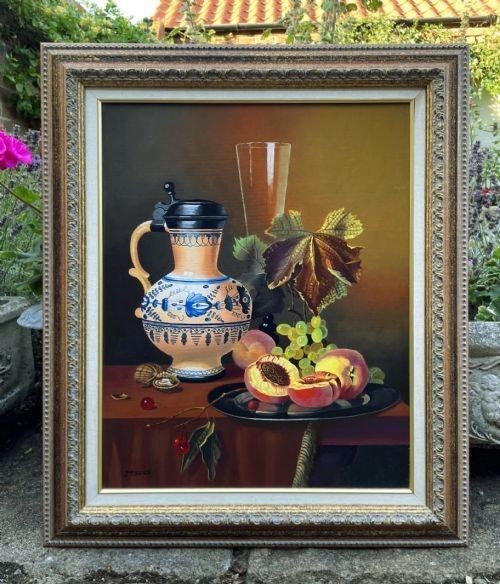
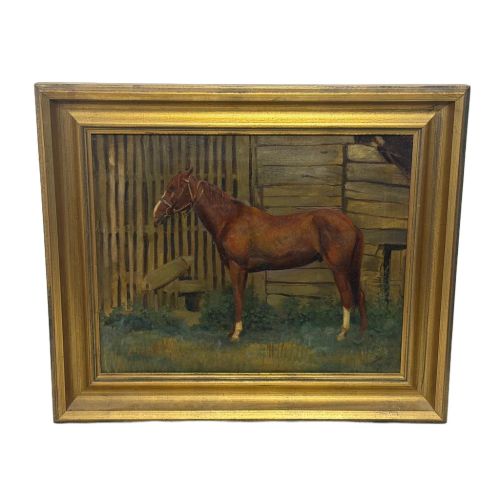
Vintage painting decor encompasses a broad range of framed artwork, oil paintings, and watercolours produced across the nineteenth and twentieth centuries. When searching for vintage painting decor, buyers encounter diverse subjects including maritime scenes, equestrian portraits, Dutch landscapes, and still life compositions.
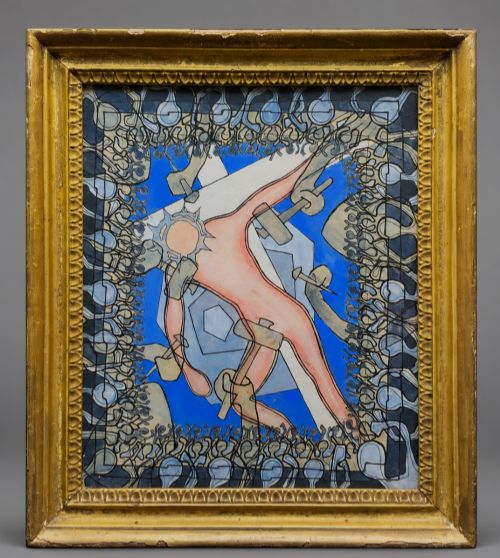
The pieces on this page span several distinct periods, notably Victorian and Edwardian eras, alongside mid-century British works and twentieth-century interpretations. Formats range from traditional oil on canvas and delicate watercolours to reverse-painted glass signs and decorative painted panels.
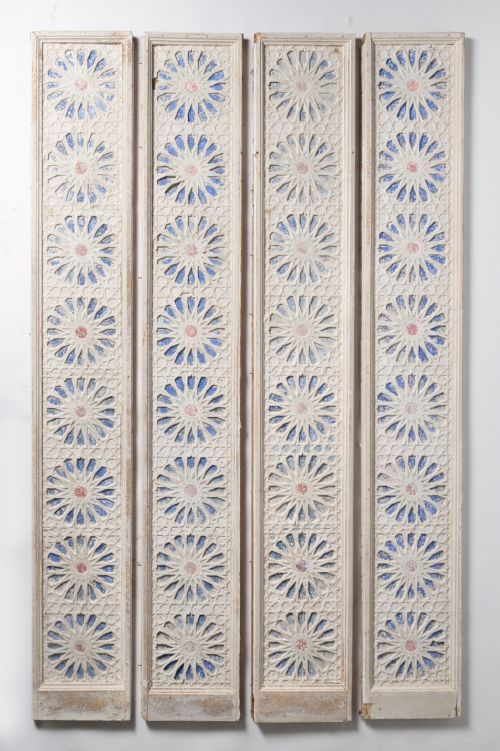
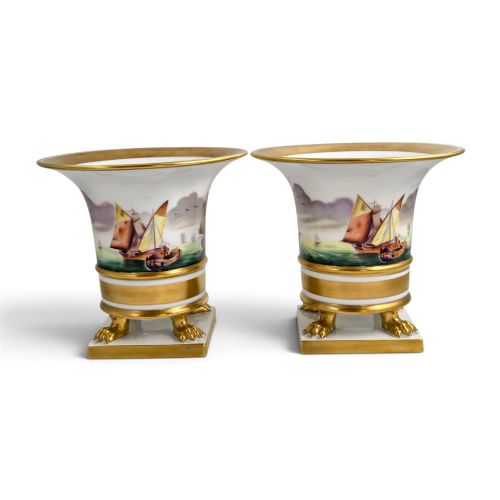
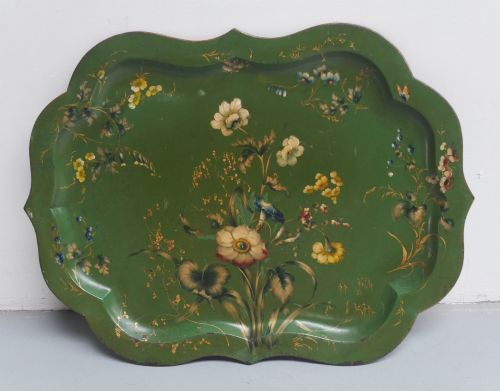
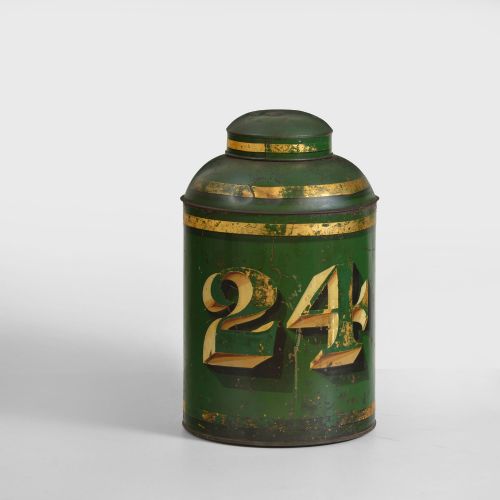
Beyond conventional framed canvases, the selection extends to related painted objects such as toleware trade signs, ceramic dishes, and decorative wooden panels. Each item carries the distinct aesthetic of its period, reflecting traditional craftsmanship and historical subject matter.
Materials and construction
These works rely on traditional artist materials such as oil paint, watercolour, gouache, and ink applied to canvas, stretched paper, or wood panels. Canvas supports are often mounted on wooden stretcher frames, while watercolours are typically preserved under glass with paper backings.
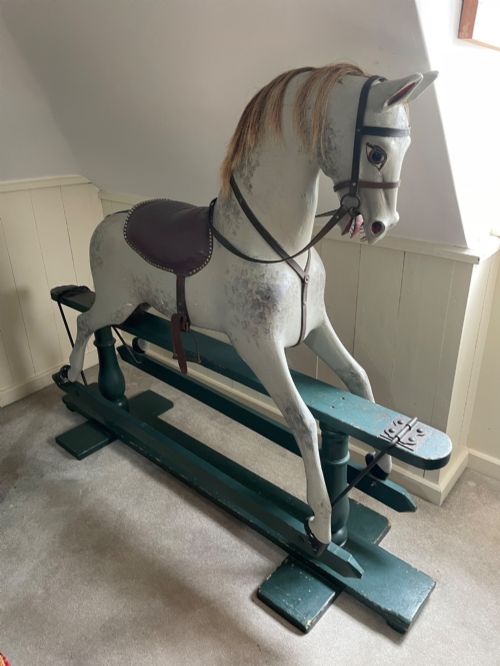
Complementary painted items utilise varied substrates including tin-plated iron for toleware, carved wood for panels and rocking horses, and reverse-painted glass for signage. Paint applications range from thick oil impasto to fine ink washes and durable enamel finishes.
Vintage Painting Decor Retail Price Guide 2026
Typical asking prices for vintage painting decor among the pieces listed under this phrase on Sellingantiques today, from the lower quarter to the upper quarter. They describe what is for sale here now, not the wider market.
Listings feature works spanning the eighteenth to the twentieth centuries, utilising oil, watercolour, paint, glass, and wood.
Markers of distinction
Quality in these works rests upon the precision of brushwork, the handling of light and perspective, and the preservation of the original surface. Superior examples demonstrate anatomical accuracy in figures and animals, confident composition, and harmonious tonal balance.
The integrity of the physical medium matters significantly, with preference given to unlined canvases, stable paint layers free from extensive retouching, and original period frames that complement the artwork without distraction.
Charles Bilger Spalding·Lionel Ellis·Alfred Young Nutt·William McAlpine·Sir Peter Markham Scott·Ludwig van Beethoven·George Rankin·Albert Clark·Franz Bergman·G .J. Lines
The Vintage Painting Decor Glossary
- Oil on canvas
- Pigment suspended in a drying oil medium applied to a woven fabric support stretched over a wooden frame. This method allows for rich texture and blending.
- Watercolour
- Paint consisting of colourants suspended in a water-soluble binder, traditionally applied to paper. It yields translucent washes and delicate luminosity.
- Gouache
- An opaque water-based paint containing pigment and a binding agent, often combined with watercolour to create solid areas of colour.
- Impasto
- Paint laid thickly on a surface so that the brush or knife strokes remain visible. This technique adds tactile dimension to oil paintings.
Vintage Painting Decor: Frequently Asked Questions
How do I hang heavy oil paintings?
Heavy oil canvases require secure wall anchors and robust picture wire rated well above the weight of the frame. Ensure the fixings engage directly with wall studs or appropriate masonry plugs.
Position the artwork at eye level, typically centred around eye height for a standing observer, and use two separate hanging points to maintain stability.
Can I place paintings in direct sunlight?
Direct sunlight accelerates the fading of pigments and causes organic materials like canvas and paper to become brittle over time. UV-filtering glass or positioning pieces away from bright windows helps preserve the colours.
Maintaining stable indoor humidity and temperature further protects painted surfaces from cracking or warping.
How do I clean antique glass frames?
Dust frames gently with a soft, dry brush to remove surface particles without disturbing the joinery or finish. Avoid spraying cleaning fluids directly onto glass, as moisture can seep beneath the rabbet and damage the painting.
Instead, apply a small amount of mild cleaner to a cloth and wipe the glass carefully.
What is the difference between oil and watercolour?
Oil paint utilises a slow-drying oil binder that permits extensive blending, thick impasto textures, and deep colour saturation. Watercolour employs a water-soluble medium on paper, resulting in translucent washes and lighter effects.
Oils are traditionally stretched on canvas or wood panels, while watercolours require framing behind glass for protection.