
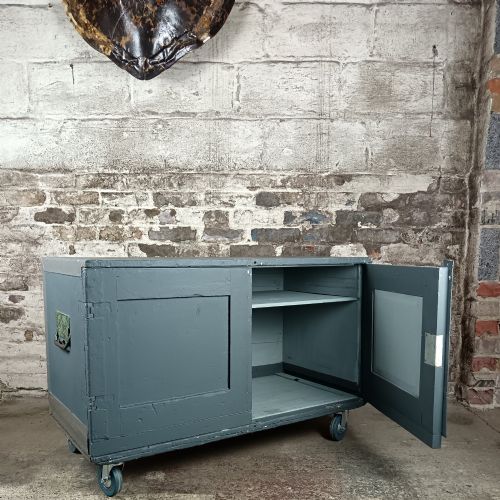
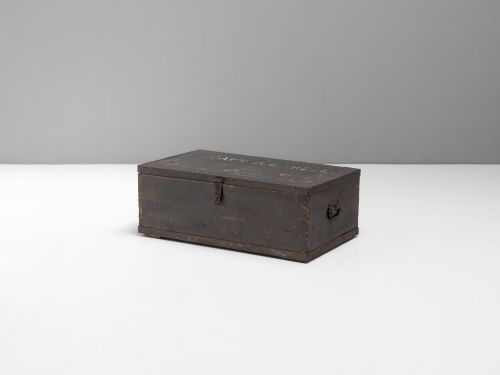
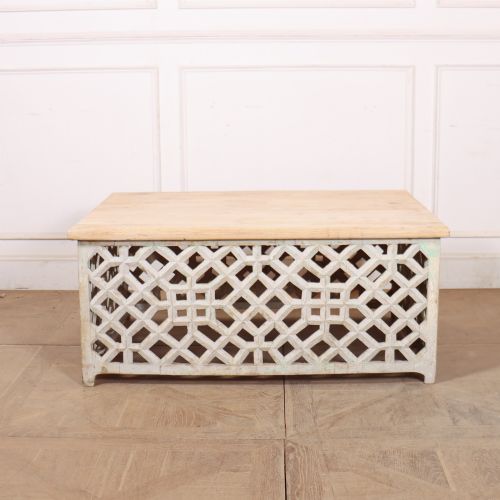
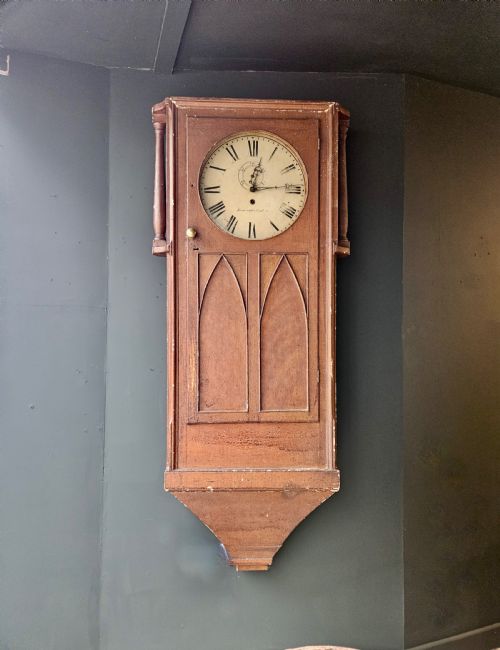



Vintage Painted Wooden Trunk
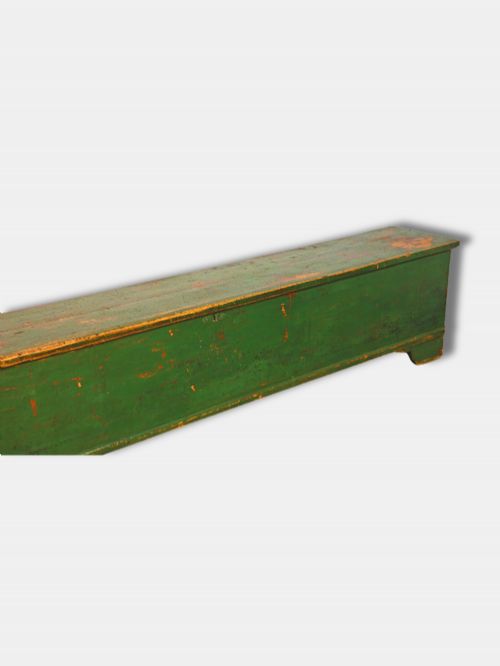
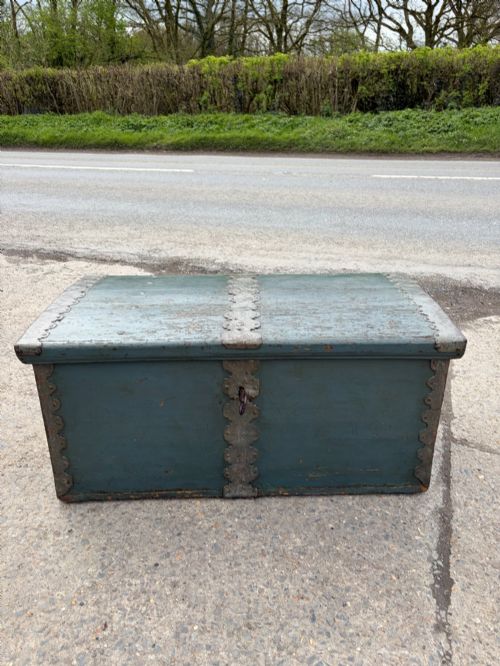
A vintage painted wooden trunk offers robust storage wrapped in folk art colour, ranging from Scandinavian country pieces to Victorian travel chests.
Vintage Painted Wooden Trunk
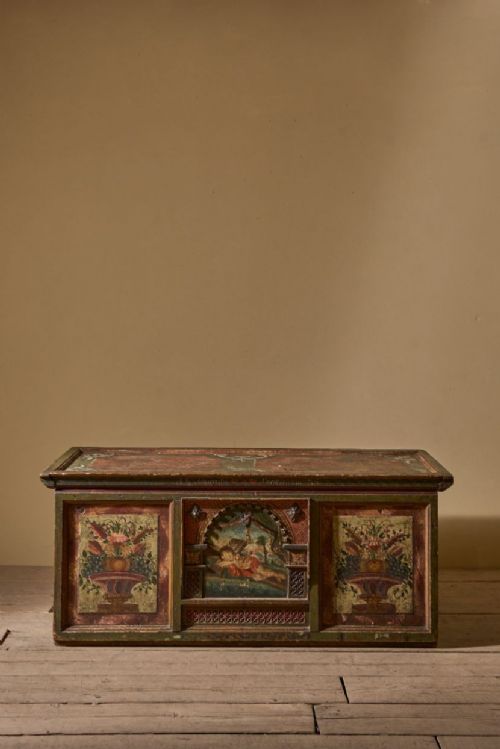
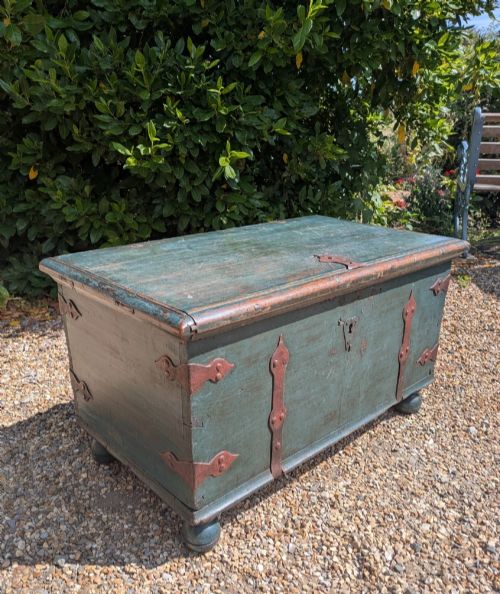
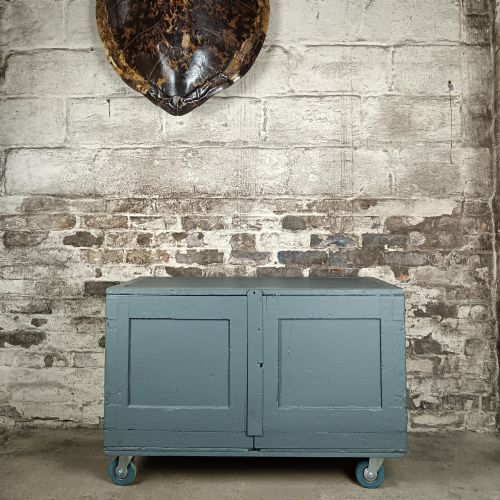
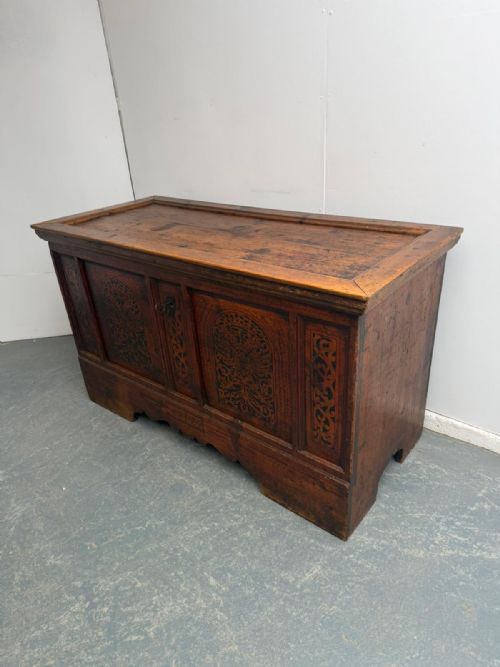
A vintage painted wooden trunk encompasses sturdy blanket boxes, dome top chests and travel coffers made for domestic storage and transit. When exploring this selection, buyers encounter domestic pine boxes from the nineteenth century alongside folk art pieces originating in Sweden, Hungary and Britain.
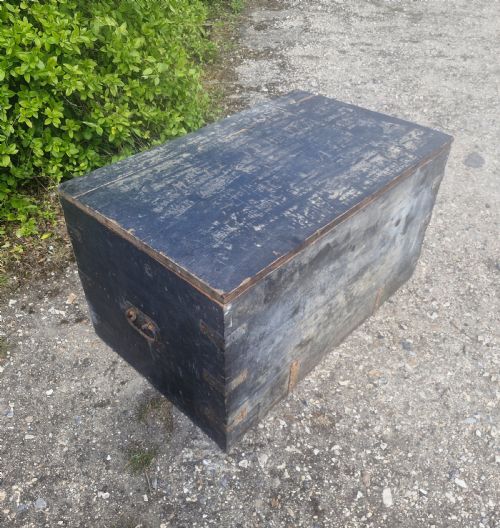
The domestic forms include heavy blanket boxes, seaman's chests and campaign transport cases built to withstand rough handling. Many survive with their original pigment, displaying floral motifs or simple regional colour schemes that define their character.
Originating largely from rural homesteads and maritime trade, these items served practical daily functions before entering the decorative market. The inventory balances utilitarian transport containers against ornamented Scandinavian folk art boxes designed for special occasions like marriages.
Materials and Construction
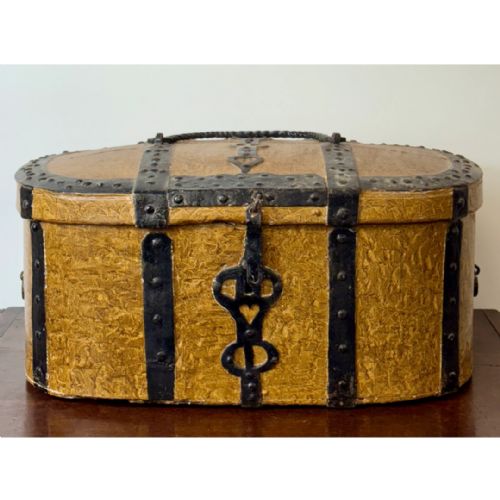
Makers relied primarily on local pine and oak planks joined to form rigid rectangular boxes, often reinforced with hand-forged iron strapwork or brass fittings for strength. These structural metals provided essential security for hinged lids during transport on ships and carriages.
Surfaces received layers of oil-based pigment or scumble glaze, applied to seal the timber and introduce decorative colour. Painters utilised hand-mixed earth pigments, resulting in deep greens, reds and floral details that adhere directly to the bare wood.
Listings feature pine and oak construction paired with iron and brass hardware across nineteenth-century European folk art and military formats.
Assessing Quality
Quality rests upon the survival of the original painted surface and the integrity of the timber construction. Pieces retaining untouched nineteenth-century pigment and hand-forged iron hardware command greater attention than those stripped or overly restored.
Proportion and regional style dictate the visual strength of a coffer, with crisp folk art detailing or clean campaign lines elevating the piece. The skill of the original carpenter in executing dovetailed joints and fitting sturdy bracket feet separates utilitarian boxes from finer regional examples.
The Vintage Painted Wooden Trunk Glossary
- Campaign chest
- A portable trunk or chest made in sections with recessed brass handles, designed for military officers on the move during the eighteenth and nineteenth centuries.
- Scumble pine
- Timber treated with a translucent glaze that is manipulated with combs or rags to imitate the grain of more expensive hardwoods.
- Coffer
- A heavy wooden box used for storing valuables, often fitted with a flat lid and reinforced with iron strapwork.
- Strapwork
- Flat strips of iron or brass fixed across the corners and panels of a trunk to reinforce the joints against heavy impacts.
- Folk art
- Decorative painting and utilitarian crafting rooted in regional tradition rather than formal academic training.
Vintage Painted Wooden Trunk: Frequently Asked Questions
What were these trunks used for originally?
These boxes served as durable containers for clothing, bedding and personal belongings during domestic storage or long journeys by sea and land. Seamen, soldiers and rural families relied on them to protect possessions from moisture and damage.
Over time, many transitioned from utilitarian furniture to decorative storage pieces placed at the foot of beds or in living areas.
How do I care for the original paint?
Keep painted wooden trunks away from direct sunlight and steady heat sources to prevent the pigment from drying out or flaking over time. Dust gently with a dry microfibre cloth and avoid using modern chemical polishes or water.
Applying a microcrystalline wax can protect fragile surfaces if the timber appears dry, but original paint requires minimal intervention.
How can I tell the age of a chest?
Examine the construction methods, including the type of hinges, nails and joint work used to assemble the pine or oak boards. Hand-forged ironwork and early dovetail joints typically point towards eighteenth or nineteenth-century origins.
The style of the paint application and any visible wear patterns also offer clues regarding the period of manufacture.
Are these trunks waterproof?
While original travel chests and maritime trunks were constructed to withstand sea spray and damp travel conditions, modern humidity control is quite different. The timber and historic iron fittings may react poorly to damp environments today.
It is best to keep them in stable indoor conditions rather than relying on them for weather-proof outdoor storage.