
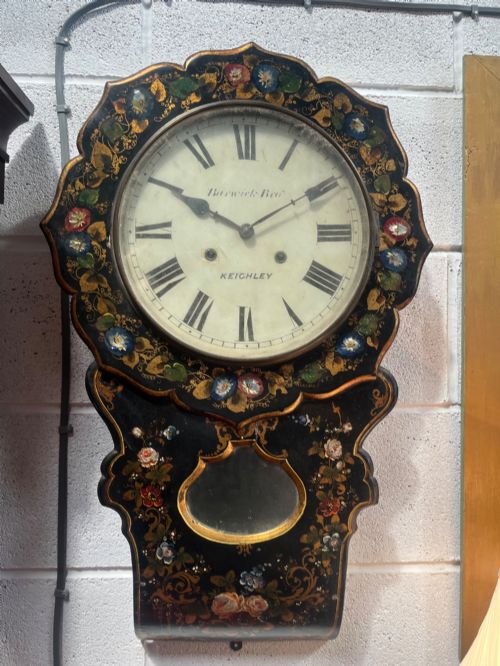
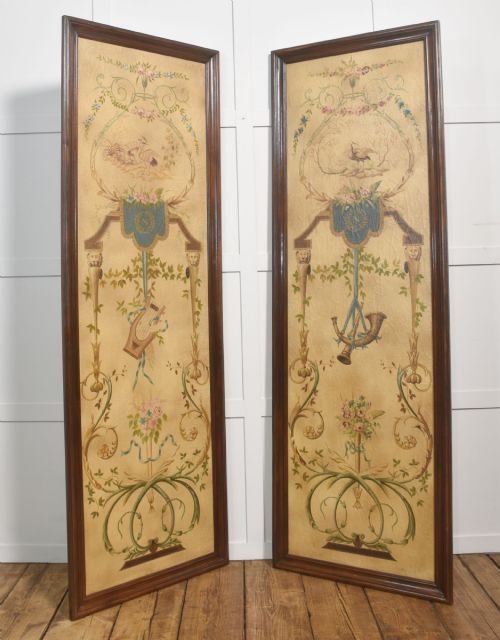
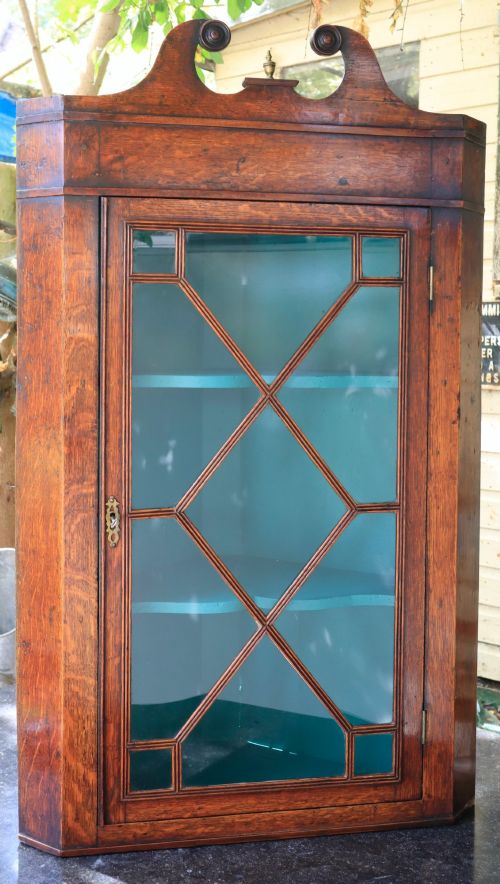


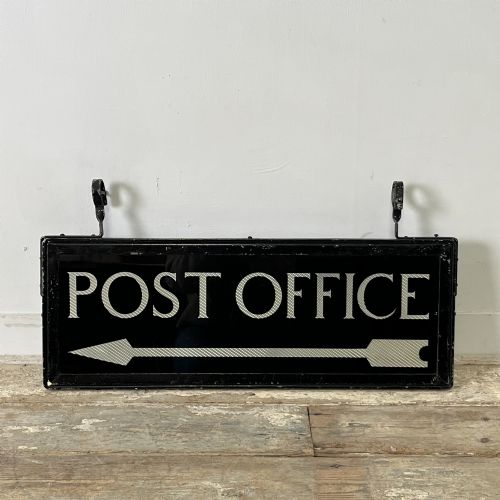
Vintage Painted Wall Hanging
These vintage painted wall hanging pieces bring colour and texture to a room, spanning periods from the eighteenth century to the mid twentieth century.
Vintage Painted Wall Hanging
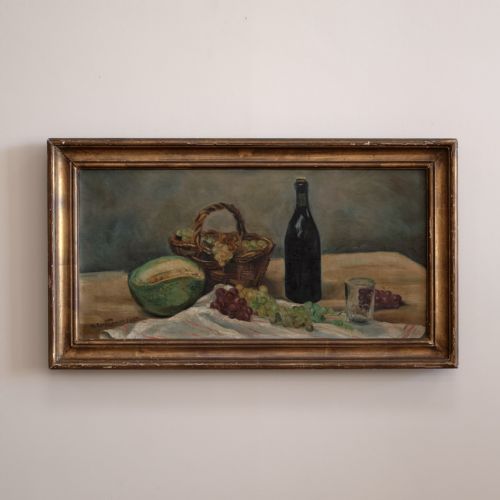
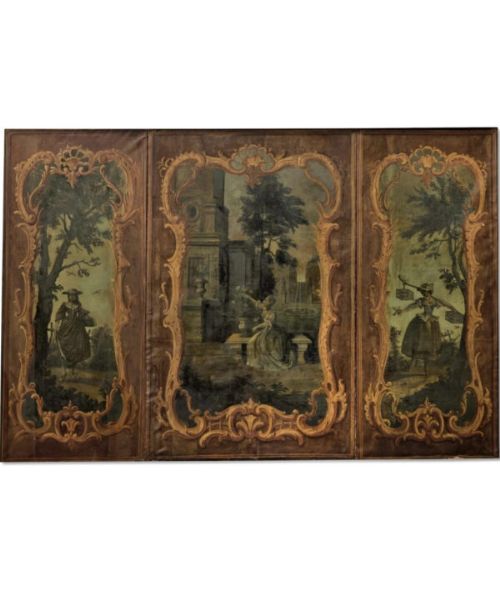
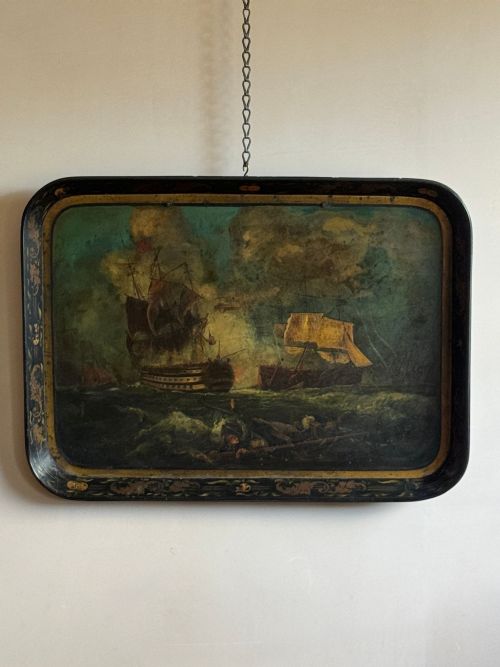
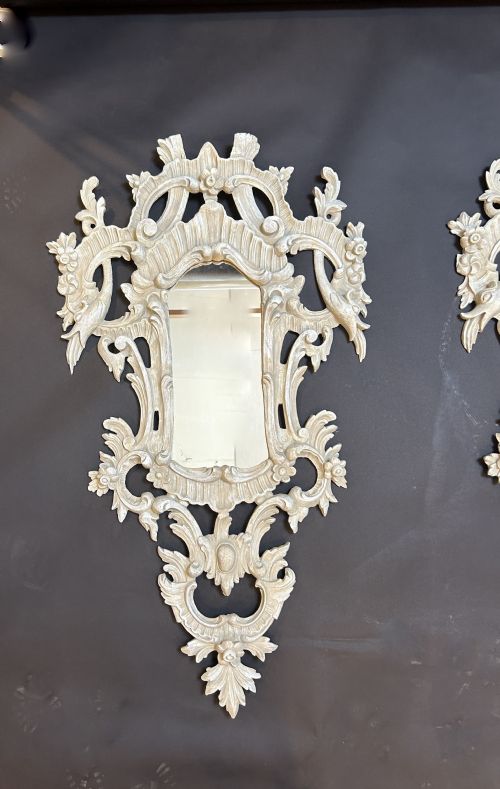
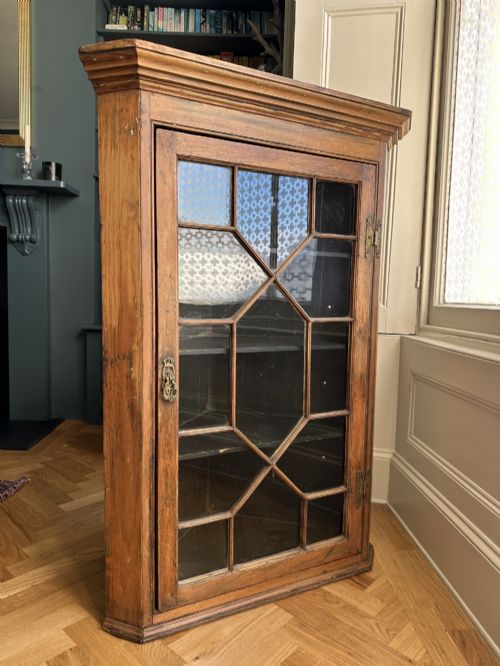
A vintage painted wall hanging encompasses diverse items designed to be mounted on vertical surfaces, ranging from oil on canvas paintings and decorative panels to framed textiles, mirrors, and signs. Buyers searching this phrase will find a broad selection of wall-mounted storage and display objects, including corner cabinets, cupboards, shelves, and vitrines.
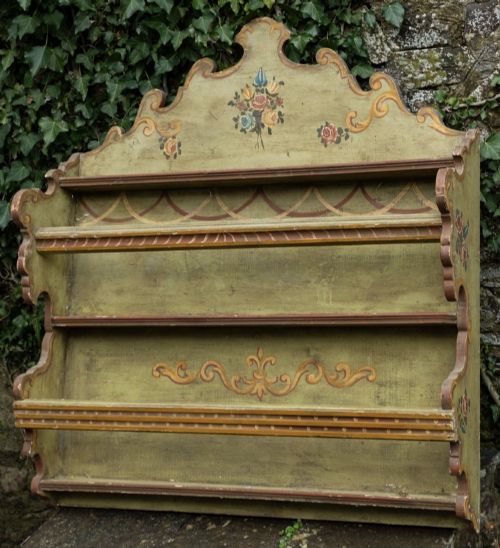
The pieces originating from the nineteenth and early twentieth centuries dominate the selection, featuring regional styles such as French country, Chinoiserie, and Scandinavian vernacular. Wooden cupboards and shelves often display original painted finishes, while textile art and painted canvases provide alternative methods for decorating walls.
Cabinets and corner cupboards designed for hanging serve a dual purpose as functional storage and decorative focal points. Many incorporate glass doors or open display shelves, allowing collectors to exhibit small objects while adding architectural interest to a room.
Materials and construction
Wood serves as the primary structural material for cabinets, shelves, and panels, with pine frequently utilised alongside other timbers. Gesso and paint provide the foundational layers for decorative surfaces, while lacquer enhances Asian-inspired items.
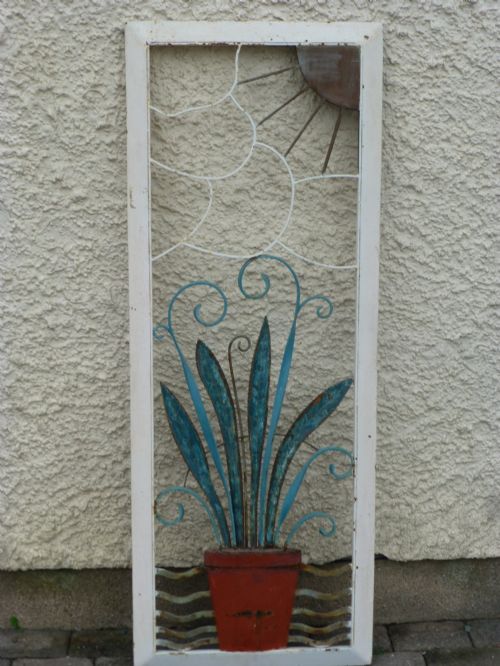
Surface decoration relies on hand-painted techniques, oil on canvas, and applied decorative schemes such as Japanning and grisaille. Glass panels feature in mirrors, display cabinets, and double-sided signage.
Hardware components include brass and iron fixtures for hanging, framing, and architectural details. Textile works incorporate silk, cotton, and batik methods to create pictorial wall art.
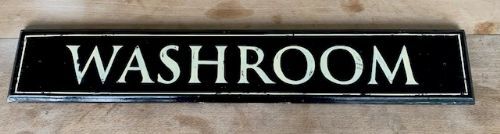
Post office direction signs and tradesman panels offer a glimpse into past commerce.
Evaluating the standard
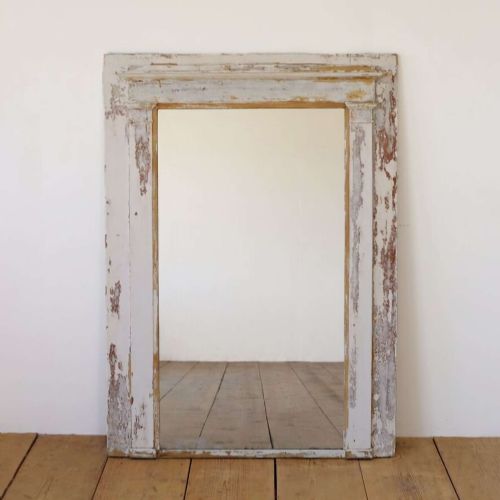
Quality depends upon the preservation of original painted surfaces and decorative schemes versus later repainting. Pieces retaining their early or original pigment layers demonstrate higher integrity.
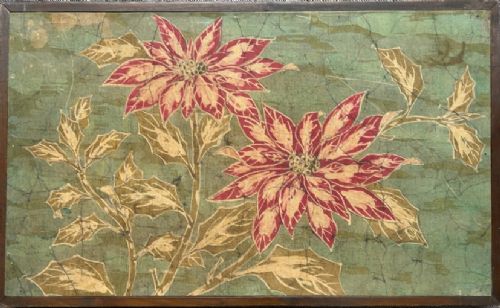
The execution of hand-painted details, whether in botanical panels, portraits, or Chinoiserie motifs, distinguishes finer artistic output from standard decorative work. Cabinetry demonstrates quality through the joinery of pine carcases and the preservation of original glass and hardware.
The proportion and balance of architectural elements, such as corner cupboards and wall shelves, affect visual appeal. Items with intact original interiors and uncompromised structural timbers rank higher among collectors.
Raymond Subes
The Vintage Painted Wall Hanging Glossary
- Chinoiserie
- European interpretation of Chinese and East Asian artistic traditions, often applied to furniture and wall panels with lacquer or paint. This style gained popularity during the Georgian period.
- Grisaille
- A method of painting executed entirely in shades of grey or neutral greyish-brown, creating a three-dimensional sculptural effect. It frequently appears on decorative panels and triptychs.
- Japanning
- A European imitation of Japanese and Chinese lacquering techniques utilising resin varnishes and painted decoration. It is commonly found on eighteenth and nineteenth-century furniture.
- Gesso
- A plaster-like mixture applied to wood surfaces as a base for paint or gilding. It provides a smooth ground for decorative detailing.
- Vitrines
- Glass-fronted cabinets designed for displaying objects, sometimes configured for wall mounting. They protect contents while offering visibility from multiple angles.
Vintage Painted Wall Hanging: Frequently Asked Questions
How do I hang a heavy wooden wall cupboard safely?
Heavy pine cupboards and corner cabinets require secure fixings into wall studs or solid masonry using appropriate brackets. Professional installation ensures the weight distributes evenly across the structure.
Lighter frames, mirrors, and textile wall hangings utilise standard picture wire or brass hangers fixed securely to the reverse.
What rooms suit a painted wall hanging best?
Kitchens and hallways accommodate painted wooden signs, small shelves, and cabinets effectively by adding character to functional spaces. Living rooms and bedrooms benefit from oil paintings, mirrors, and decorative textile panels.
Corner cupboards make use of unused wall junctions in dining rooms while providing compact display areas.
How do I clean an antique painted surface?
Dusting with a dry, soft cloth prevents the accumulation of dirt on painted wood and canvas without introducing moisture. Avoid chemical cleaning agents that might lift or soften historic paint layers.
Professional conservators should handle deep cleaning or stabilisation of fragile gesso and delicate pigment layers.
Are these pieces suitable for damp environments?
Historic timber, gesso, and painted surfaces react poorly to high humidity and moisture fluctuations. Bathrooms and damp walls cause wood to warp and paint to flake over time.
Displaying pieces in stable indoor climates preserves the integrity of the materials and the original decorative finish.