
18th Century Painted Cabinet
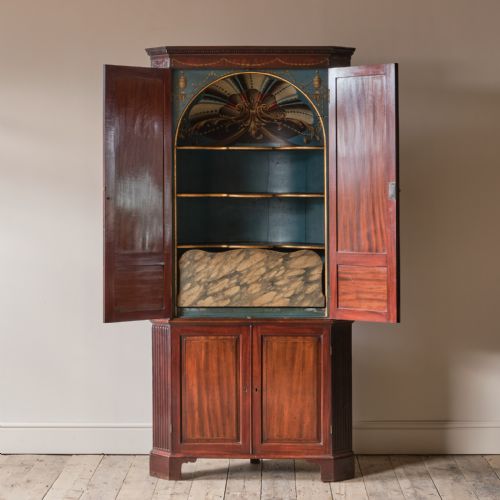
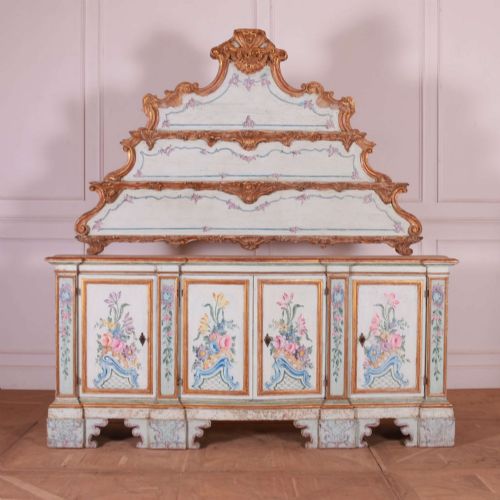
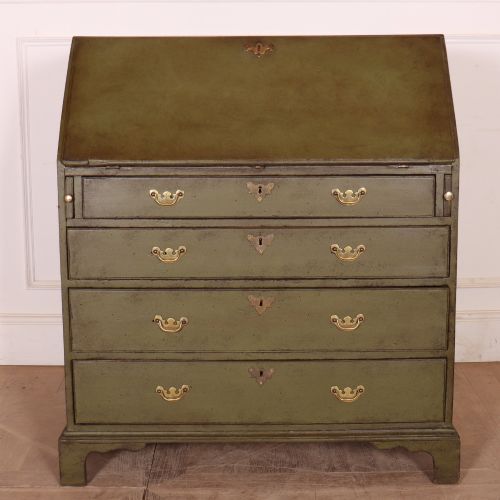
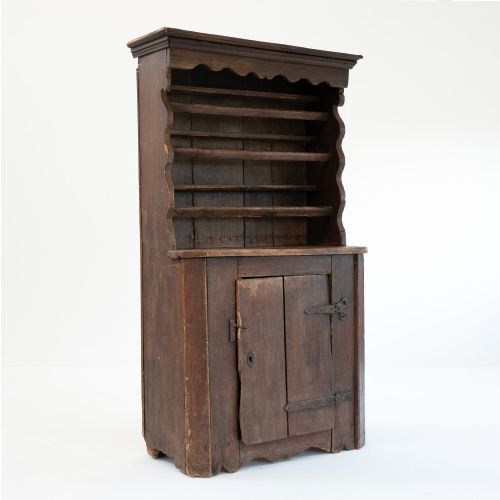
An 18th century painted cabinet brings centuries of colour and character to a room, offering practical storage disguised as art.
18th Century Painted Cabinet
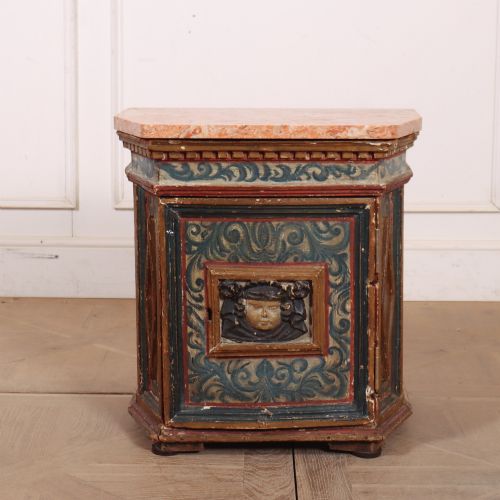
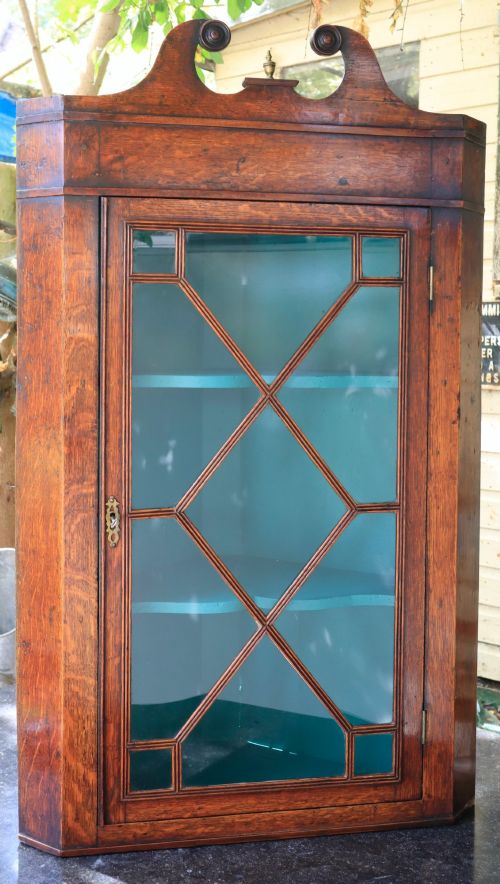
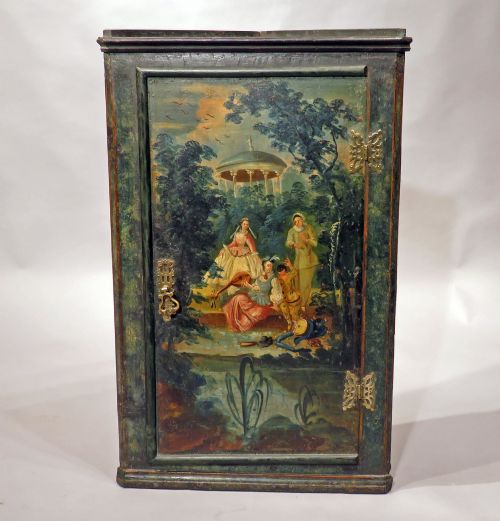
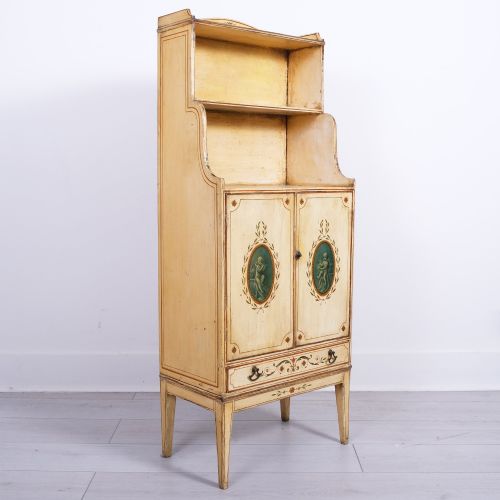
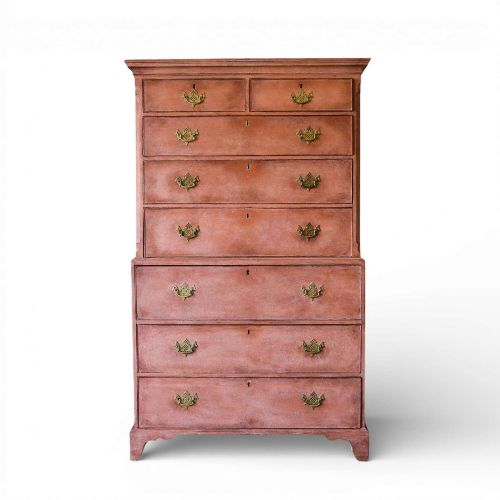
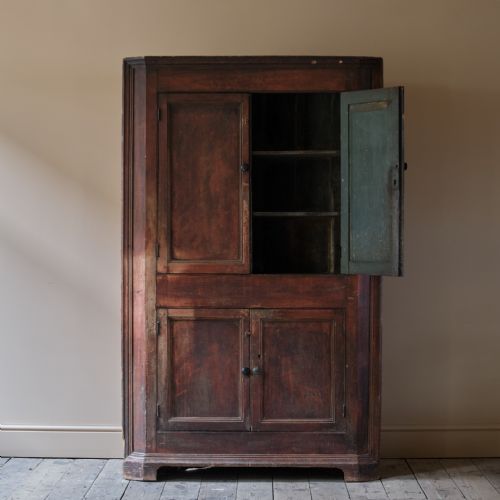
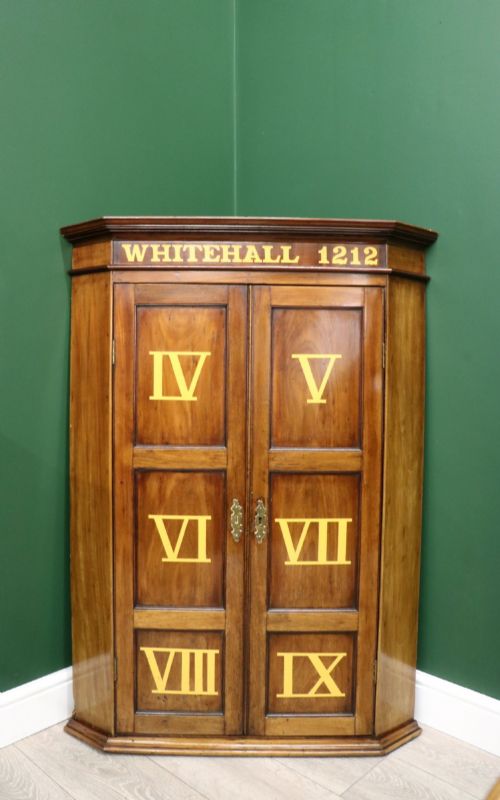
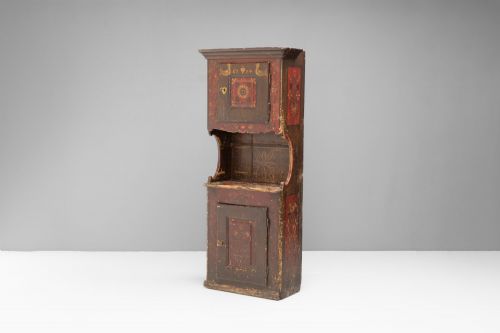
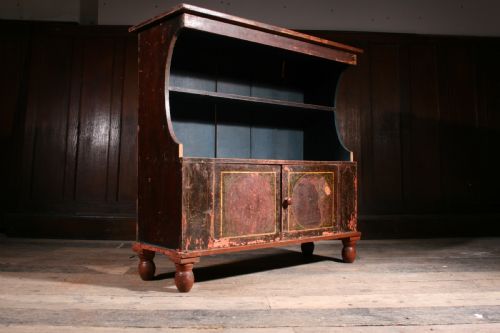
An 18th century painted cabinet encompasses a rich variety of regional furniture forms, from corner cupboards and hanging wall units to grand two-part dressers and display vitrines. Buyers seeking this phrase encounter pieces shaped by distinct local traditions across England, Ireland, Italy, France, Spain, Austria, and Scandinavia.
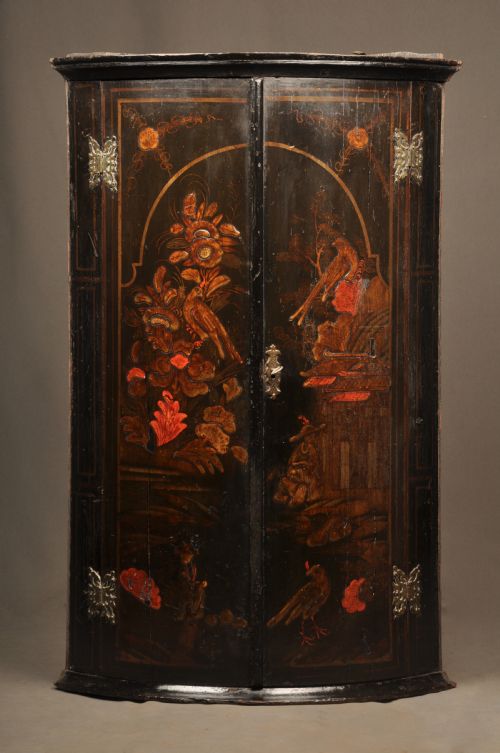
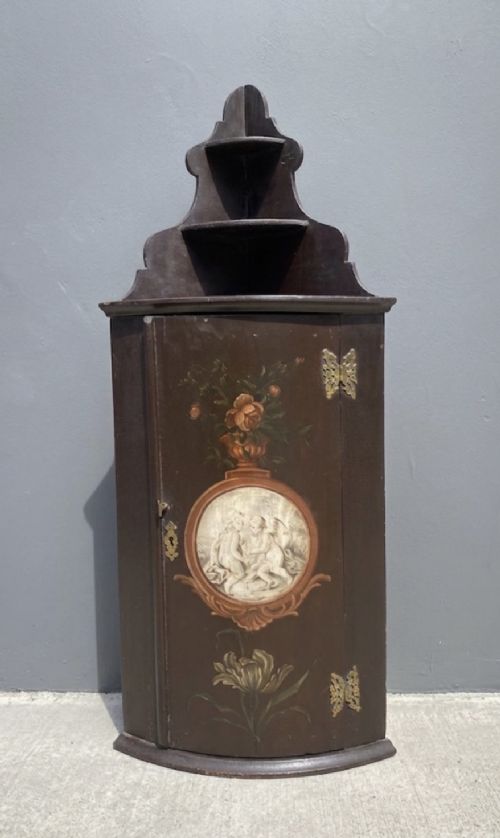
The selection frequently includes hanging corner cupboards, corner cabinets, and standing display cases designed to utilise domestic space efficiently. These functional forms range from compact Yorkshire housekeepers' cupboards to Dutch glazed display cabinets and Italian apothecary pieces.
Originating predominantly from the Georgian period alongside continental European counterparts, these items display the enduring appeal of original surface treatments. The survival of early decorative schemes marks each example as a primary document of historic interior taste.
How They Were Made
Cabinet makers built these pieces using regional timbers such as pine, mahogany, and various solid woods, constructing carcasses with pegged joints, dovetailed drawers, and panelled doors. Many surfaces received a preparation of gesso or sizing before layers of paint, lacquer, or gilt were applied.
Decorative techniques often involved polychrome pigments, japanning, or Chinoiserie motifs executed by hand, creating intricate surface patterns that mimicked Asian lacquerware or celebrated European floral designs. Subsequent generations sometimes applied fresh layers of paint over earlier schemes, resulting in complex, weathered patinas.
What Varies in Quality
The distinction between tiers of quality rests largely upon the survival and integrity of the original surface paint rather than the mere age of the timber beneath. Pieces retaining untouched, early polychrome decoration or authentic japanning command greater interest than those stripped and repainted in later centuries.
Proportion and structural joinery further define the hierarchy, separating standard utility pieces from masterworks featuring sophisticated architectural cornices, original brass hardware, and finely executed hand-painted motifs.
Ambroise Michel·James Giles
The 18th Century Painted Cabinet Glossary
- Chinoiserie
- European decorative style inspired by Chinese art, featuring imaginary landscapes, figures, and pavilions rendered in paint or lacquer.
- Japanning
- European imitation of East London or Asian lacquerwork, created by building up layers of resin and varnish decorated with raised metallic designs.
- Polychrome
- Painted or decorated in several colours, often describing multi-hued floral or figural motifs on a contrasting ground.
- Vitrine
- Glass-fronted display cabinet intended for the presentation of porcelain, glass, or curiosities.
- Commode
- Low standing cabinet with drawers or doors, developed in France and adopted widely across Georgian Britain.
18th Century Painted Cabinet: Frequently Asked Questions
Where were these cabinets placed originally?
These cabinets served utilitarian and decorative functions in parlours, dining rooms, and hallways across European homes. Corner units made effective use of neglected room angles for storing glassware and provisions.
Larger two-part cupboards and dressers anchored principal living spaces, providing secure enclosure for household silver, textiles, and domestic ledgers.
How do I care for original paint surfaces?
Maintenance requires stable indoor humidity and protection from direct sunlight, which fades historic pigments over time. Dusting should be done gently with a dry, soft cloth without modern chemical polishes.
Harsh cleaning agents strip delicate binders from 18th-century paint layers, permanently altering the historic surface patina.
Are painted cabinets purely decorative?
While prized for their visual impact, these cabinets were built as robust storage furniture designed for daily household use. Interiors typically feature sturdy shelving and functional compartments suited to modern organisation.
Their substantial construction allows them to function reliably as bookcases, drinks cabinets, or linen storage in contemporary interiors.
How can I identify regional styles?
Regional origins reveal themselves through specific timber choices, construction methods, and characteristic colour palettes. Scandinavian pieces often display bright country paintwork, while English Georgian examples favour mahogany or subtle japanned finishes.
Continental European cabinets frequently incorporate distinctive architectural mouldings and regional floral motifs unique to Dutch, Italian, or French workshops.