
Vintage Painted Press Cupboard
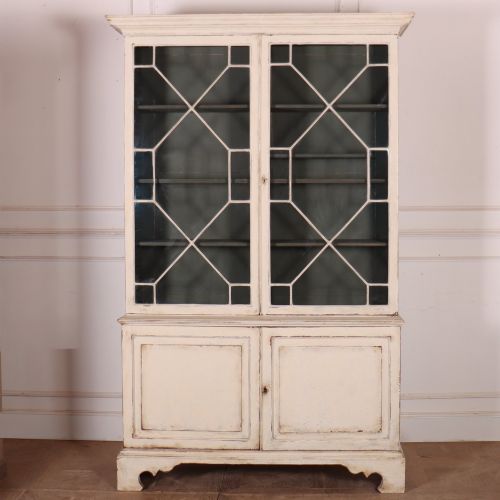
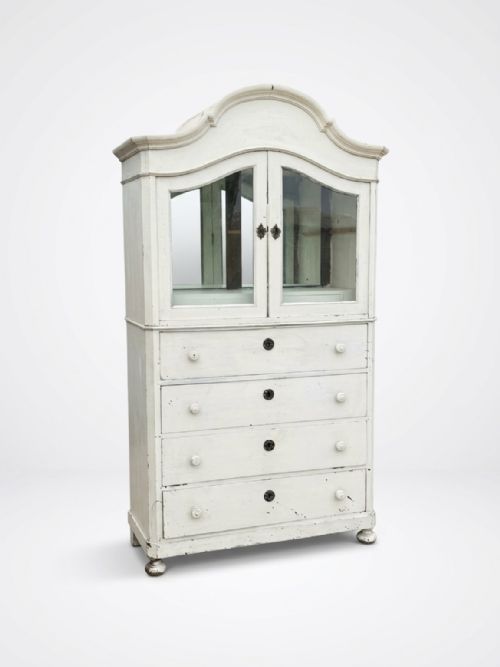
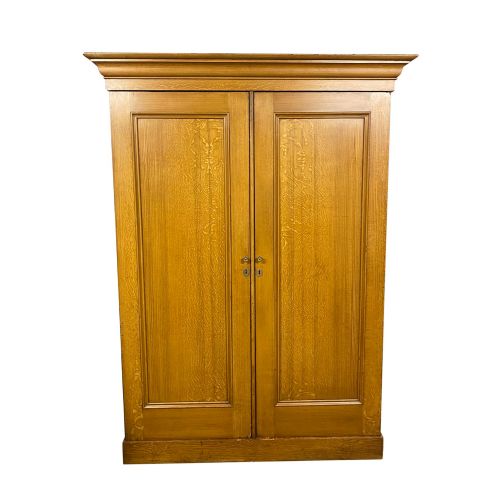
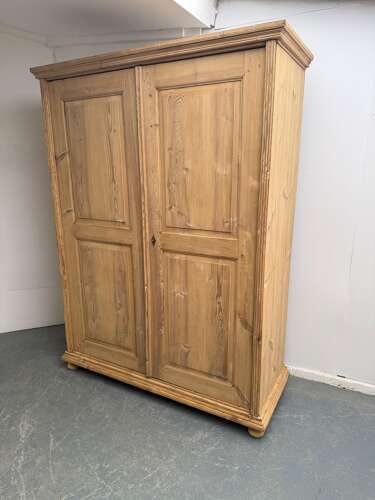
These vintage painted press cupboard options bring substantial storage and historic character, spanning robust pine wardrobes to elegant continental cabinets.
Vintage Painted Press Cupboard
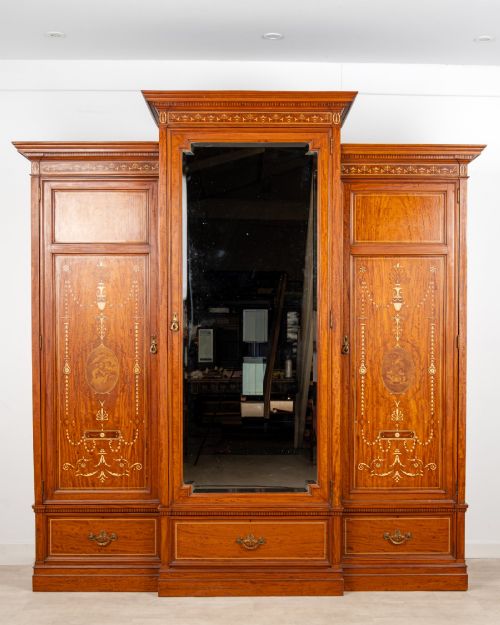
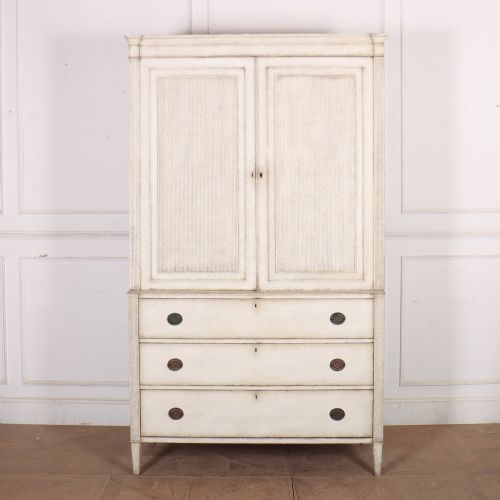
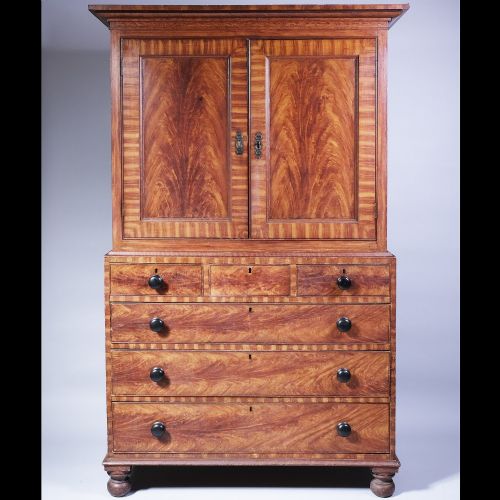
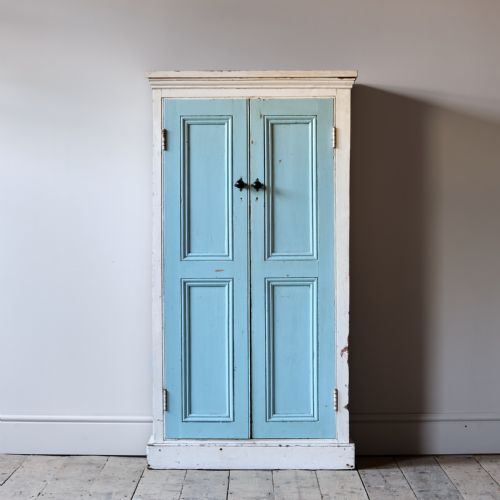
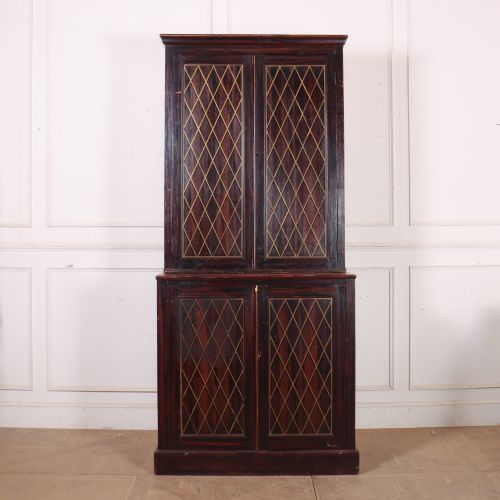
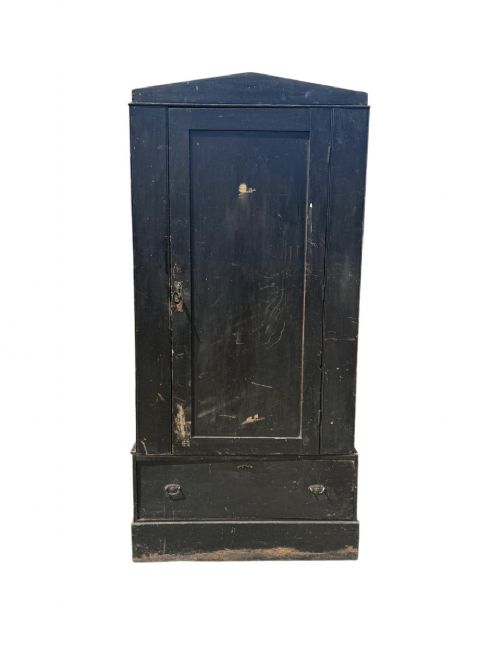
A vintage painted press cupboard brings functional storage shaped by centuries of domestic use, ranging from Georgian and Victorian pine wardrobes to continental European linen presses. When exploring these listings, buyers encounter diverse forms including compactum wardrobes, housekeeper cupboards, and marriage cabinets.
The pieces originating from English, Scandinavian, Italian, and French traditions demonstrate regional variations in scale and silhouette. Examples span from simple country pine structures to more decorative painted finishes.
Dating primarily from the eighteenth century through to the early twentieth century, these items offer deep storage capacity behind panelled or glazed doors. They serve as primary bedroom or hallway storage solutions that retain their historic utility.
Materials and construction
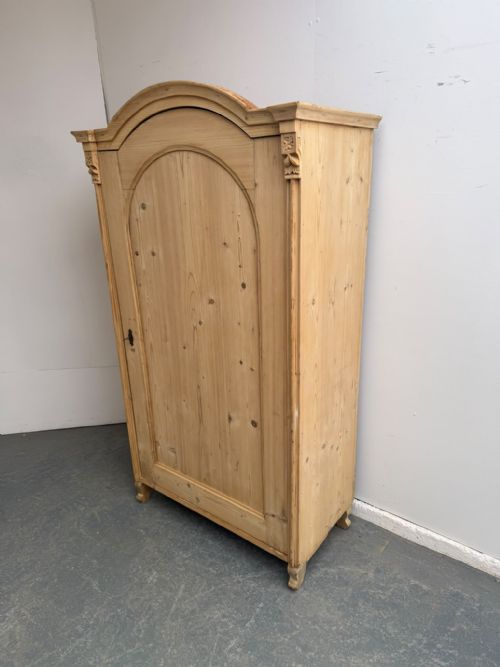
Constructed predominantly from solid pine, elm, teak, and cedar, these pieces utilise traditional joinery suited to large storage furniture. Many examples employ knockdown construction or robust timber framing to allow movement between rooms.
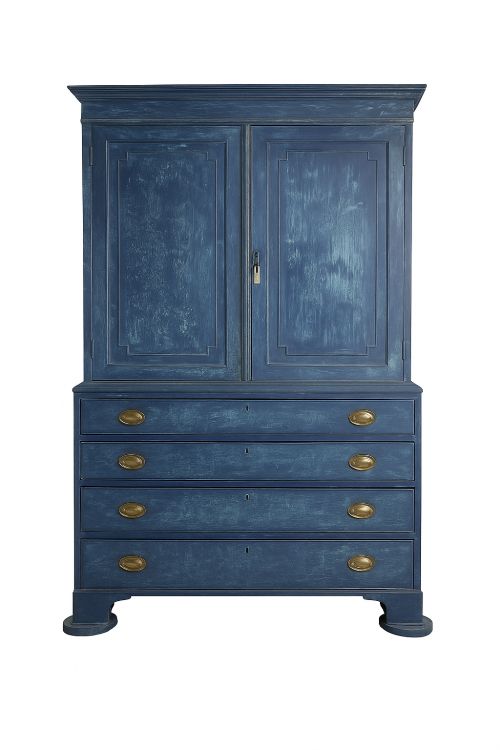
Surface treatments include original scumble paintwork, faux oak finishes, lacquer, and polychrome decoration applied over wood. Iron and brass hardware such as hinges and handles secure the heavy doors typical of these large cupboards.
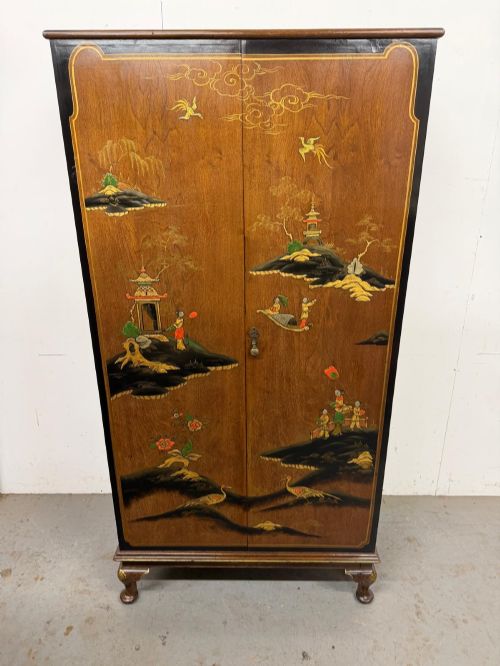
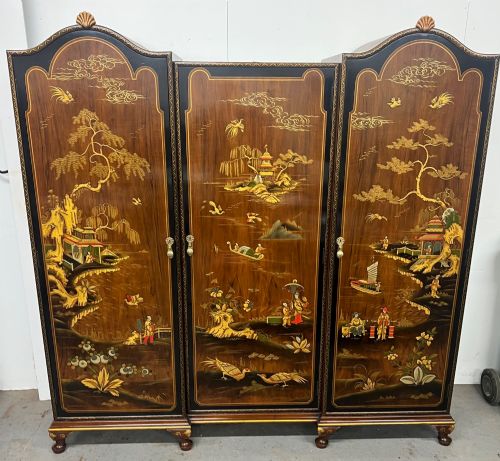
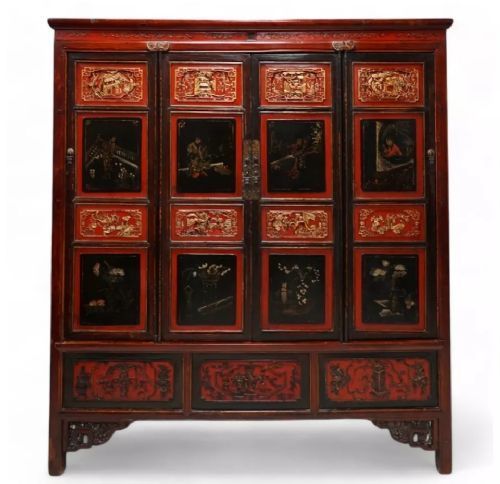
Several Chinese marriage cabinets bring bright red lacquer and symbolic outdoor scenes straight into modern hallways.
Assessing quality and finish
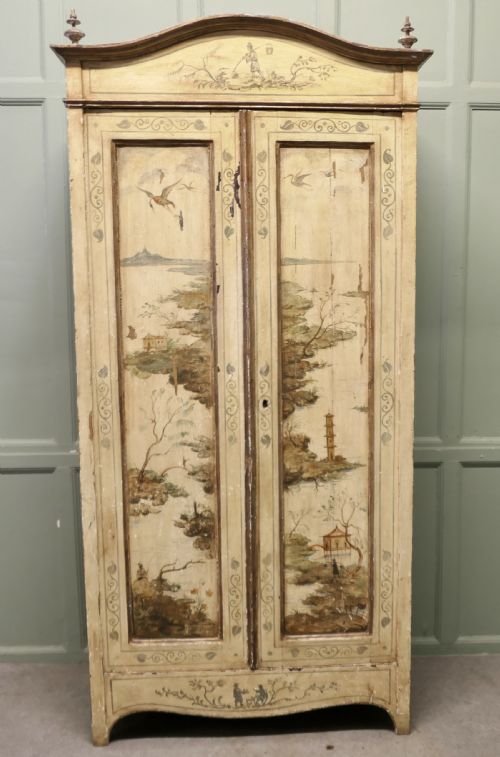
The integrity of the original paint surface or lacquer distinguishes exceptional examples from those with later or stripped finishes. Original scumble work, hand-painted outdoor scenes, or regional polychrome details command greater interest.
Proportion and structural soundness determine the calibre of the piece, particularly in larger knockdown wardrobes and linen presses. Finely carved details, panelled doors, and intact period hardware indicate superior craftsmanship.
Maples and Co.
The Vintage Painted Press Cupboard Glossary
- Scumble
- A decorative painting technique involving layers of translucent colour dragged or mottled over a lighter ground to imitate richer woods like oak. It creates textured, aged surfaces on nineteenth-century pine furniture.
- Compactum
- A fitted wardrobe containing a combination of hanging space, drawers, and shelving within a single footprint. This design maximised bedroom storage efficiency in larger homes.
- Linen Press
- A tall storage cabinet historically used for flat linens and garments, typically featuring upper shelving enclosed by doors and lower drawers. They provide substantial vertical storage capacity.
- Bonnet top
- A rounded or domed upper section on a cabinet or wardrobe, frequently seen in Scandinavian pieces. This curved architectural roofline softens the rectangular profile of tall storage.
- Polychrome
- Decoration executed in multiple colours, often found on Italian and continental European painted furniture. It introduces pictorial or floral motifs to the exterior panels.
Vintage Painted Press Cupboard: Frequently Asked Questions
What is a press cupboard?
A press cupboard is a tall storage unit traditionally used for linen and clothing, combining internal shelving or hanging space with enclosed doors.
These pieces were essential furniture items in historic homes, offering deep compartments to keep textiles protected from dust.
How do I care for painted wood?
Protect painted and scumbled surfaces by keeping furniture away from direct sunlight and fluctuating heat sources.
Dust gently with a soft cloth and avoid chemical cleaning products that might lift historic paint layers.
Are these wardrobes easy to move?
Many larger examples utilise knockdown construction, meaning the frame disassembles into manageable sections for transport and installation.
Buyers should check specific listings to confirm whether a piece is built as a single solid unit or a knockdown design.
Where were these cupboards made?
The selection includes pieces originating from English workshops alongside Scandinavian, French, Italian, and Chinese makers.
Regional differences appear in the timber choices, proportions, and decorative painting styles characteristic of each country.