


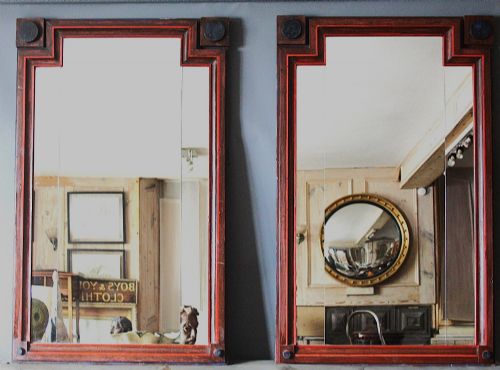

Vintage Painted Mirror Frame
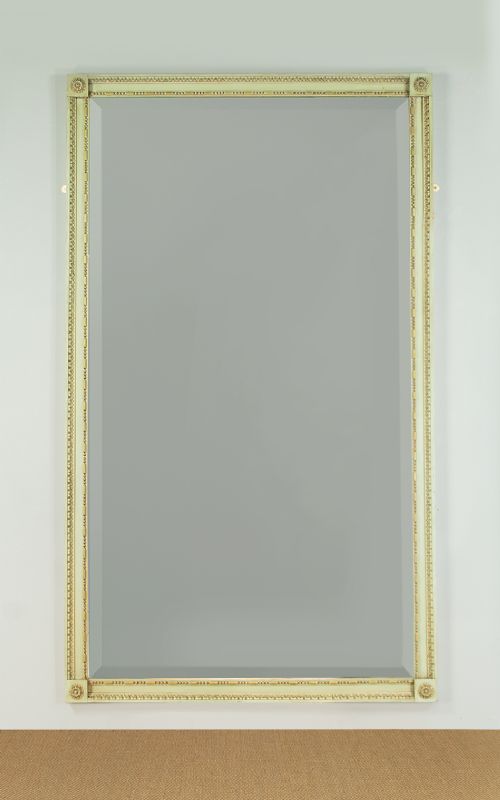
A vintage painted mirror frame brings depth and character to a room through decorative surfaces and period forms.
Vintage Painted Mirror Frame
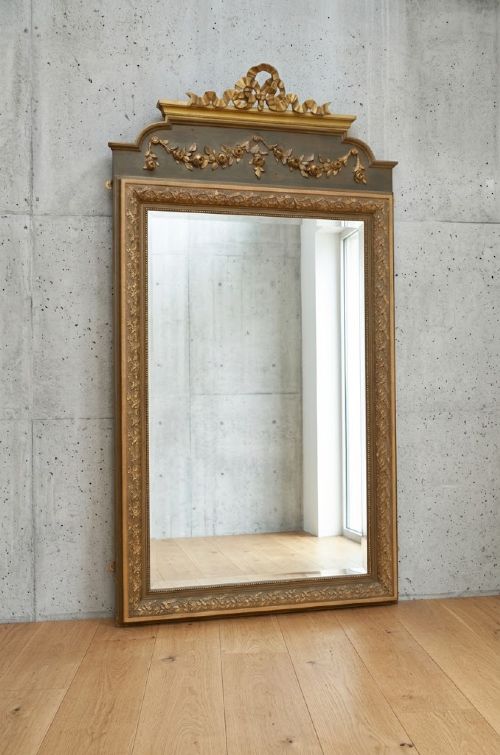
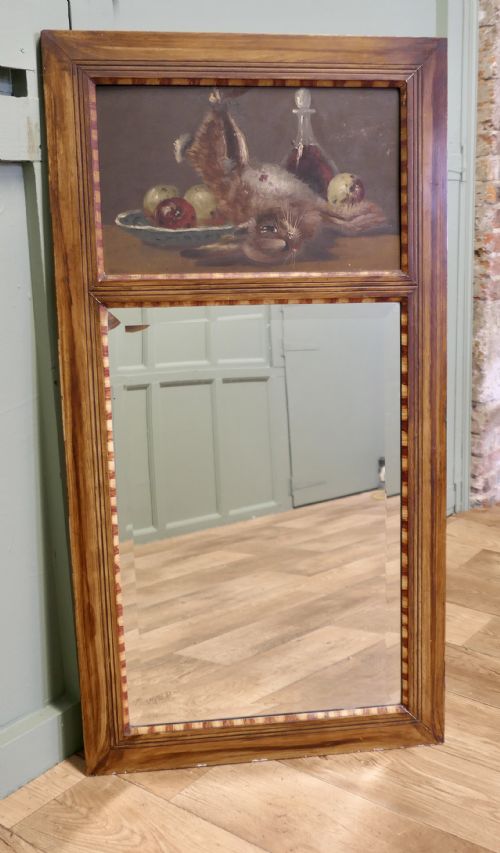
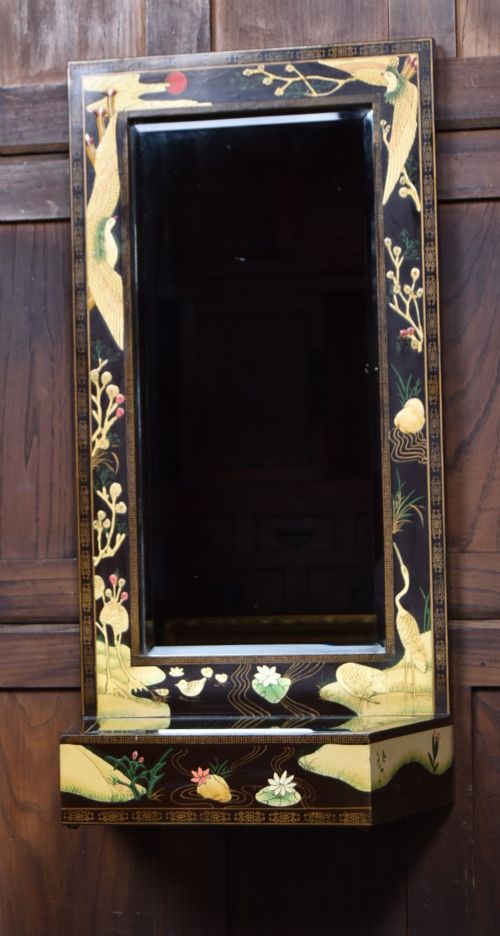
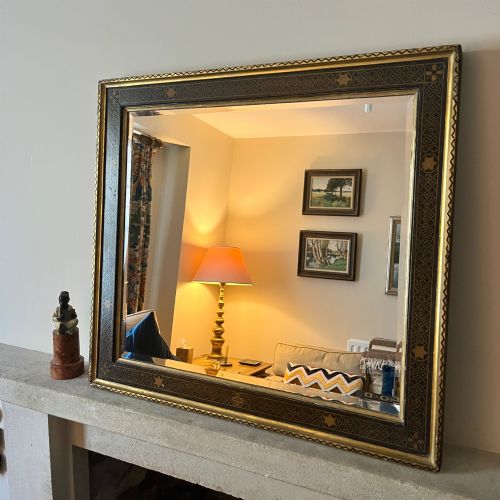
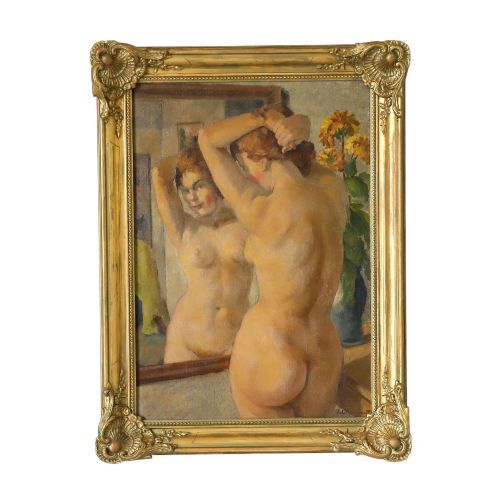
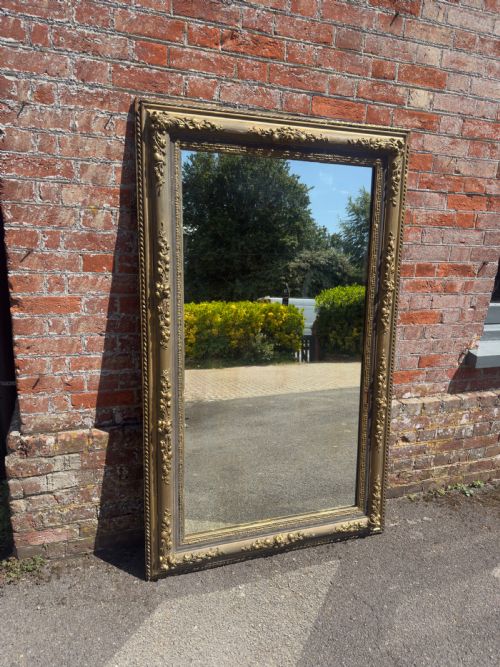
A vintage painted mirror frame is a decorative wall hanging or overmantel piece defined by its applied surface finish and timber construction. When you examine this selection, you encounter wall mirrors, overmantel mirrors, and pier glasses spanning the nineteenth century through the art deco era.
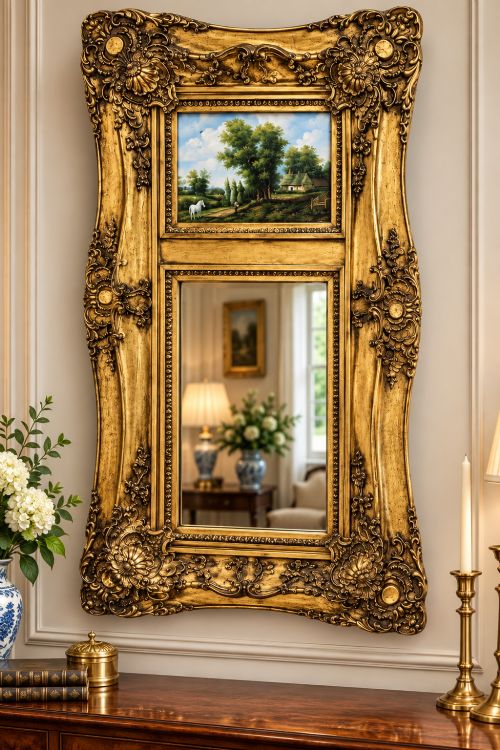
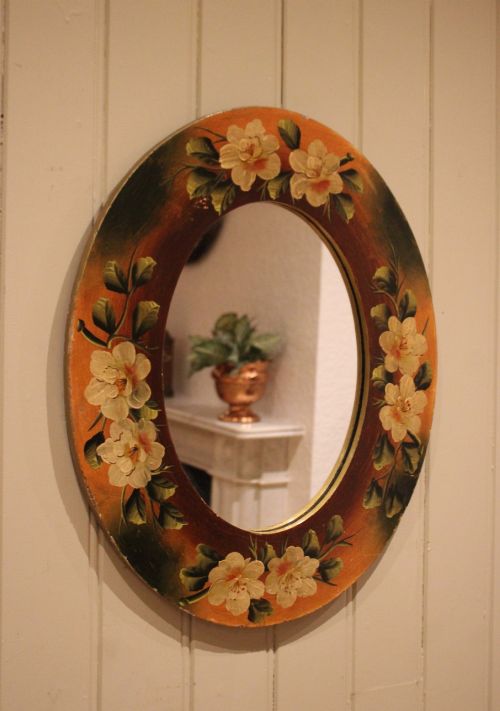
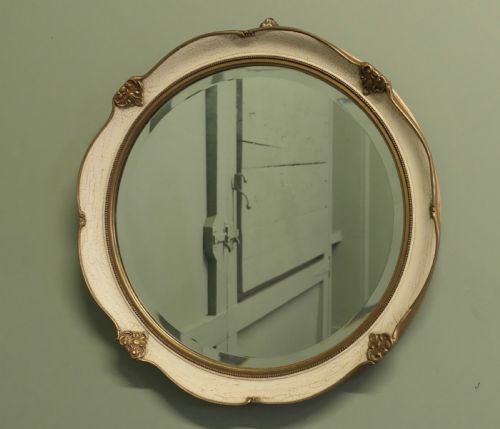
The pieces on this page lean heavily towards French country and chateau influences, alongside Victorian, Edwardian, and Queen Anne revival styles. Many incorporate carved wooden structures with gesso ornamentation, floral hand-painting, and contrasting gilt or ebonised details.
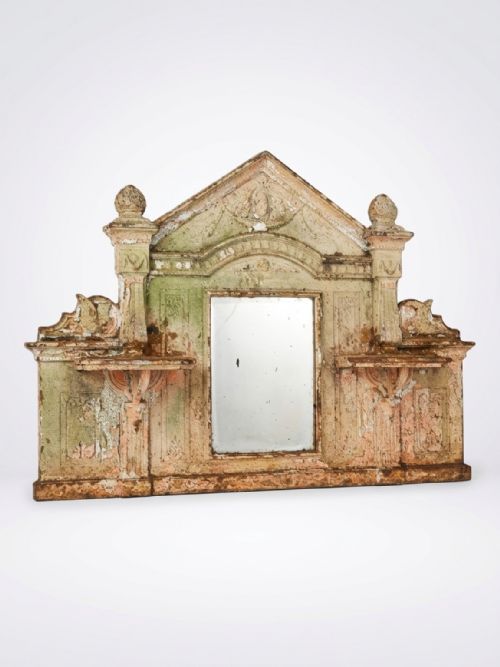
Originating from domestic parlours, shops, and formal salons, these items survive in various formats from oval wallhangings to tall trumeau piers. The diverse mix demonstrates how makers adapted traditional mirror frames to suit changing interior tastes across multiple decades.
How they were made
Makers constructed these frames primarily from wood, such as yew, maple, mahogany, or carved timber bases built to support reflective glass. Craftsmen applied layers of gesso over the wood substrate to build up elaborate three-dimensional mouldings, ribbon crests, and floral motifs.
Surface decoration involved hand-painting, gold leaf, and giltwood finishes, frequently combined with painted highlights in olive green, cream, or black lacquer. Overmantel and pier mirrors incorporated heavy plate glass secured within these decorated wooden carcasses using traditional joinery methods.
Vintage Painted Mirror Frame Retail Price Guide 2026
Typical asking prices for vintage painted mirror frame among the pieces listed under this phrase on Sellingantiques today, from the lower quarter to the upper quarter. They describe what is for sale here now, not the wider market.
Materials recorded across these listings include glass, wood, gesso, paint, gold leaf, giltwood, and painted wood.
What varies in quality
The standard of a frame rests upon the crispness of the carved wood and gesso ornamentation. Superior examples display sharply defined floral, ribbon, or neoclassical details modelled by hand rather than mass-produced composition ornament.
The integrity of the painted and gilded surface also dictates the tier of the piece. Fine instances retain original hand-applied pigments and gold leaf with natural patination, whereas lesser versions show clumsy later repainting that obscures the underlying woodwork.
Joseph Biel·Philippe de Rougemont
The Vintage Painted Mirror Frame Glossary
- Trumeau
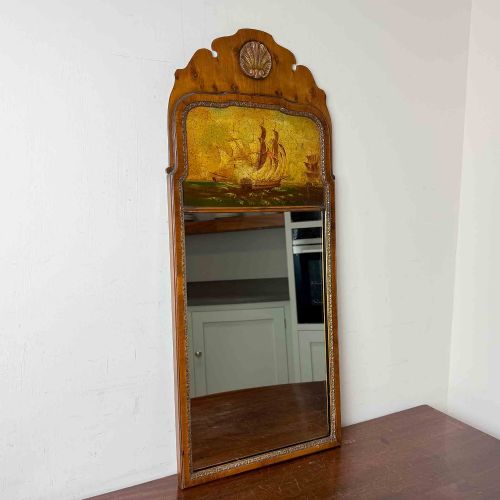
- A decorative wall mirror featuring an upper panel containing a painting or print above the glass plate. These tall architectural pieces originate largely from French interiors.
- Gesso
- A plaster-like mixture applied to wood frames and carved or moulded to create raised decorative details. It forms the base for subsequent gilding and paint.
- Giltwood
- Timber coated with gold leaf or metal leaf over a prepared ground. It provides a luminous reflective surface alongside painted elements.
- Barbola
- A style of decorative gesso work featuring raised, rounded floral and fruit motifs applied directly to mirror frames. It gained particular popularity during the early twentieth century.
- Pier glass
- A tall mirror designed to hang on the wall space between two windows. They often feature matching console tables or extended frames.
Vintage Painted Mirror Frame: Frequently Asked Questions
How do I hang a heavy overmantel mirror?
Heavy overmantel mirrors require secure fixings anchored directly into the wall studs or masonry to support the combined weight of the timber frame and glass plate. Professional mirror brackets and split battens distribute the load safely across the wall structure.
Ensure the hanging wire or integrated D-rings on the reverse match the rated capacity of your wall fixings before mounting the piece at eye level or above a fireplace.
How do I clean an antique painted frame?
Dust the carved gesso and painted wooden surfaces gently using a soft, dry brush or a clean microfiber cloth. Avoid commercial liquid cleaners, abrasive cloths, or excessive moisture, which can damage delicate gesso and lift original paint.
Carefully protect the mirror glass using a minimal amount of glass cleaner applied to a cloth rather than sprayed directly onto the frame, preventing moisture seepage into the wooden joints.
How can I tell the period of a mirror?
Examine the construction methods, backing boards, and the characteristics of the glass plate itself, looking for hand-beveled edges or early casting traits. Stylistic clues such as art deco geometric lines, Edwardian black lacquer, or Victorian ebonised finishes help narrow down the decade of manufacture.
Comparing the specific paint pigments, gesso application, and hardware on the reverse against documented pieces provides further confirmation of the historical era.