




Vintage Painted Elbow Chair
These vintage painted elbow chairs offer character and colour for any room, bringing period craftsmanship straight into modern spaces.
Vintage Painted Elbow Chair
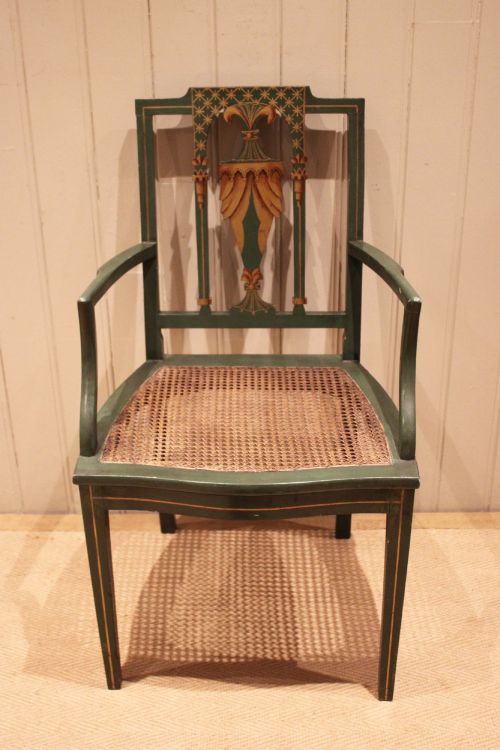
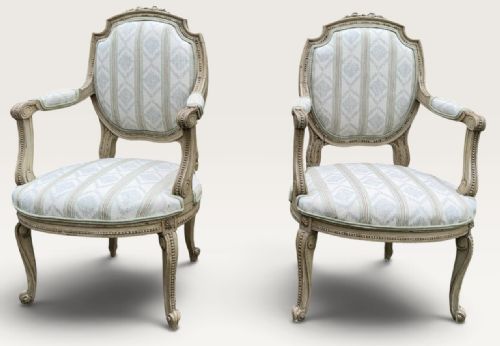
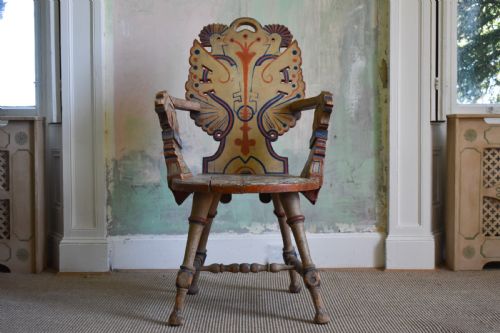
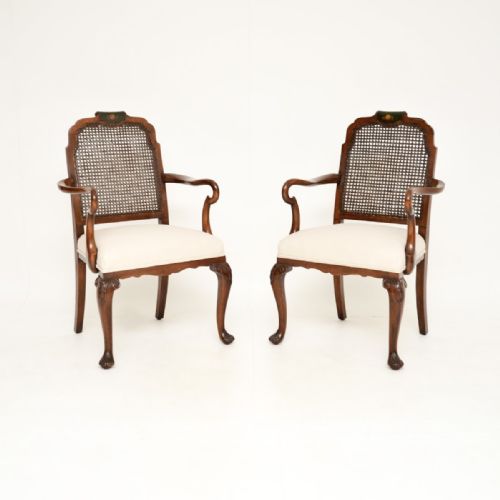
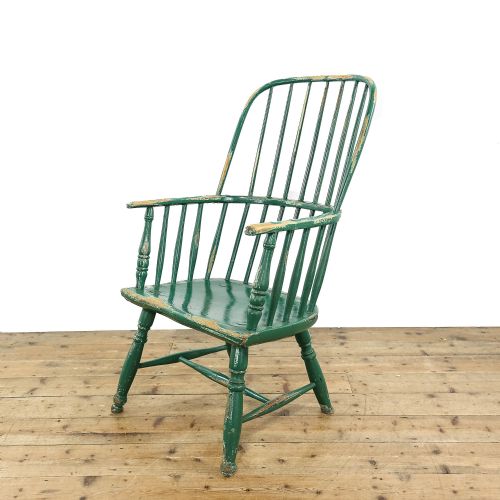
When you search for a vintage painted elbow chair, you encounter a wide array of seating originating from periods spanning the Georgian era through to the early twentieth century. These pieces encompass various regional designs, including Windsor armchairs, French armchairs, Scandinavian folk art pieces, and shield back open-arm chairs.
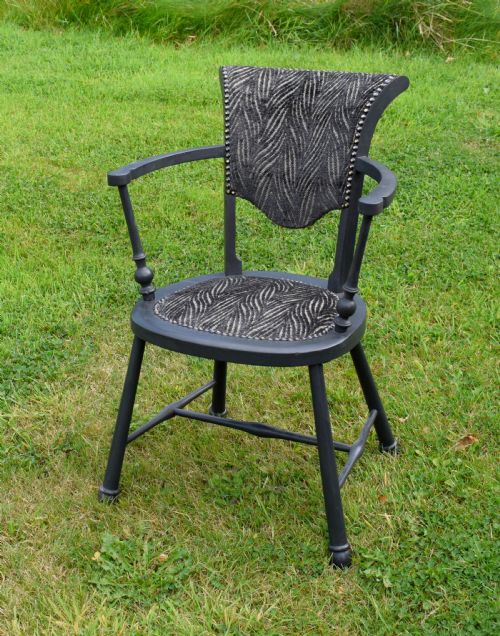
You are most likely to meet chairs that combine wooden frames with painted or decorated surfaces, sometimes featuring cane seats or textile elements. The selections range from country vernacular stick chairs to formal revival styles like Hepplewhite and Queen Anne, reflecting diverse domestic traditions.
The term elbow chair denotes seating fitted with armrests, which distinguishes them from standard side chairs and offers greater comfort. Their origins stretch across British, French, Swedish, and Welsh workshops, each employing distinct local timber and decorative motifs.
How they were made
The makers of these chairs relied heavily on traditional timbers such as elm, beech, and walnut, shaping them into sturdy frames capable of supporting daily use. Cane work frequently provided lightweight yet durable seating surfaces, while textile elements added softness where specified.
Surfaces were finished with paint, lacquer, or ebonisation, often incorporating decorative flourishes and original painted details directly onto the wood. Regional joinery techniques united the components, from hoop-back stick construction to refined cabinet-maker joints on revival armchairs.
Children needed sturdy seating too, as shown by the Welsh child's painted hoop-back stick chair.
What varies in quality
The distinction between standard examples and superior pieces rests largely on the survival of original decorative schemes and surface finishes. Chairs retaining their authentic early paintwork or hand-painted motifs command greater interest than those subjected to later overpainting.
Proportion and the fineness of the timber turning or carving further define the upper tier of these chairs. Well-executed joinery and harmonious proportions indicate a higher level of workshop competence during production.
The Vintage Painted Elbow Chair Glossary
- Elbow chair
- An armchair featuring supportive rests for the arms, separating it from standard dining or side chairs. This form provides practical seating suitable for desks, parlours, or bedrooms.
- Cane seat
- A seating surface woven from rattan or similar plant material, creating a resilient grid. This technique lightened the visual weight of heavy wooden armchairs.
- Stick chair
- A vernacular seating form where turned legs and back sticks fit directly into a solid wooden seat plank. Welsh child chairs often utilise this robust construction method.
- Shield back
- A chair back shaped like a heraldic shield, popular in late eighteenth-century design and later revivals. This profile offers a graceful silhouette for open-arm seating.
- Ebonisation
- A finishing process that stains timber to resemble ebony, creating a dark and formal appearance. This treatment was favoured on decorative Victorian and late nineteenth-century frames.
Vintage Painted Elbow Chair: Frequently Asked Questions
What is an elbow chair?
An elbow chair is simply an armchair designed with rests for the arms, offering a more substantial seat than a standard dining chair.
These pieces function well at a desk, in a hallway, or as an accent seat in a living room.
How do I identify a Georgian chair?
Georgian chairs typically display sturdy construction using native timbers like elm or beech, often following traditional vernacular or classical proportions.
Look for robust joinery and simpler regional forms that predate later revival styles.
Are painted finishes usually original?
Painted finishes vary considerably, with some pieces retaining genuine early or original decorative layers while others show later overpainting.
Examining the wear patterns and pigment adherence helps determine the age of the surface layer.
Where were stick chairs made?
Stick chairs were produced across various rural workshops and regions, including Wales and provincial parts of Britain.
Local makers utilised readily available timber to construct practical seating for everyday household use.
How do I live with a painted chair?
Living with a painted wooden chair involves placing it away from direct heat sources and strong sunlight to protect the surface.
Routine dusting with a dry cloth keeps the painted or lacquered finish in stable condition.