


Rustic Swedish Folk Seating
These rustic swedish folk seating pieces bring domestic history and painted charm directly into a room.
Rustic Swedish Folk Seating
Rustic swedish folk seating encompasses functional household furniture from the nineteenth century, including armchairs, benches, rocking chairs, side chairs, highchairs, and settle benches. These forms reflect Scandinavian country and folk art traditions, alongside related Austrian country pieces.
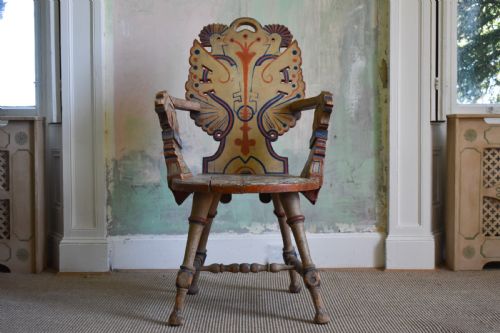
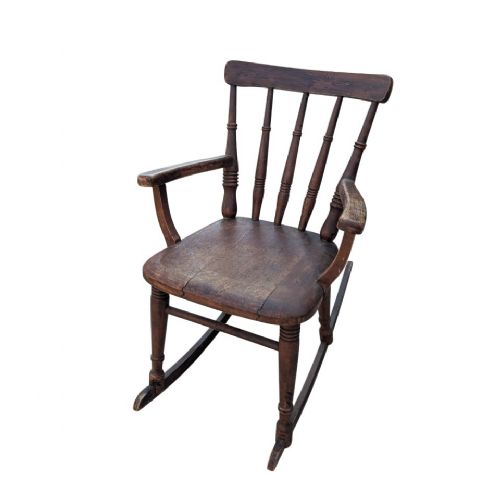
Buyers frequently encounter pine and painted pine constructions, often shaped as dug out chairs or bobbin country throne armchairs. Children's variants and larger benches form a significant part of the available selection.
How they were made
Carpenters utilised local woods such as pine, beechwood, and birch, shaping solid timber into sturdy dug out forms and framed chairs. Iron fixings occasionally provided structural support where needed.
Surfaces received treatments of paint, wood stain, or natural finishes, sometimes paired with simple fabric elements to complete the domestic seating.
Pine and painted pine dominate the material list across these nineteenth-century listings.
What varies in quality
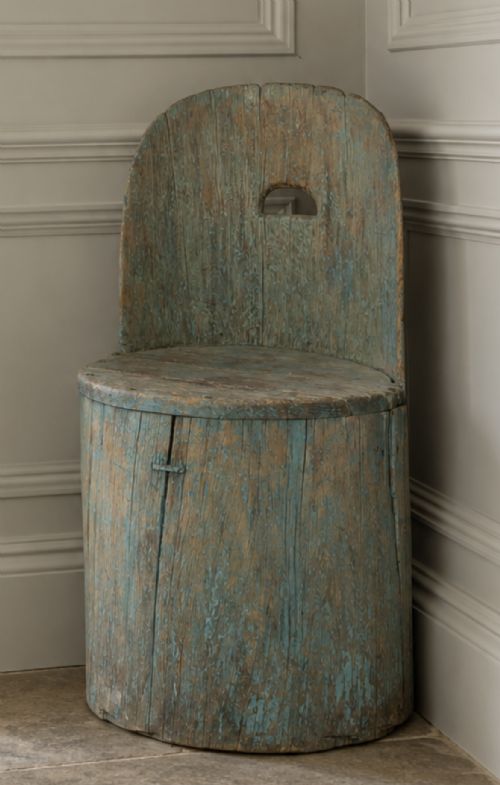
The distinction between standard utility items and finer examples rests in the depth of the carving, the preservation of original painted surfaces, and the harmony of the proportions. Dug out chairs rely heavily on the integrity of the carved timber block.
Construction methods show varying degrees of refinement, from straightforward utilitarian assembly to more intricate bobbin turnings on throne armchairs.
The Rustic Swedish Folk Seating Glossary
- Dug out chair
- A seat hewn from a single solid log or block of wood, forming a continuous seat and backrest. This method represents an ancient woodworking tradition.
- Settle bench
- A high-backed wooden bench with solid sides designed to block drafts from doorways or cold floors. These pieces often feature storage compartments beneath the seat.
- Bobbin armchair
- A chair featuring turned woodwork resembling a string of spools or bobbins along the frame. This decorative turning style appears frequently on nineteenth-century country armchairs.
- Scandinavian folk art
- Decorative craftsmanship rooted in rural European communities, characterised by traditional motifs and local materials. It defines the aesthetic of much nineteenth-century country seating.
Rustic Swedish Folk Seating: Frequently Asked Questions
What is rustic swedish folk seating?
Rustic swedish folk seating comprises nineteenth-century wooden chairs, benches, and settle seats originating from Scandinavian rural traditions.
These pieces were built by local makers using native timber for everyday domestic utility.
How were settle benches used?
Settle benches provided seating near hearths while offering protection against cold drafts in traditional homes.
The high backs and solid wooden sides created a sheltered microclimate in unheated rooms.
What woods were used for these chairs?
Pine, beechwood, and birch form the primary timber materials found in these nineteenth-century regional seating pieces.
Carpenters selected these locally available woods for their reliability and workability in country workshops.
Are painted finishes original?
Painted pine surfaces reflect the regional decorative habits of nineteenth-century Scandinavian and Austrian rural makers.
Paint served both to protect the underlying timber and to brighten dark interiors during long winters.