
Vintage Painted Dresser Drawers
Vintage painted dresser drawers span centuries of regional craft, offering characterful storage in pine and hardwood.
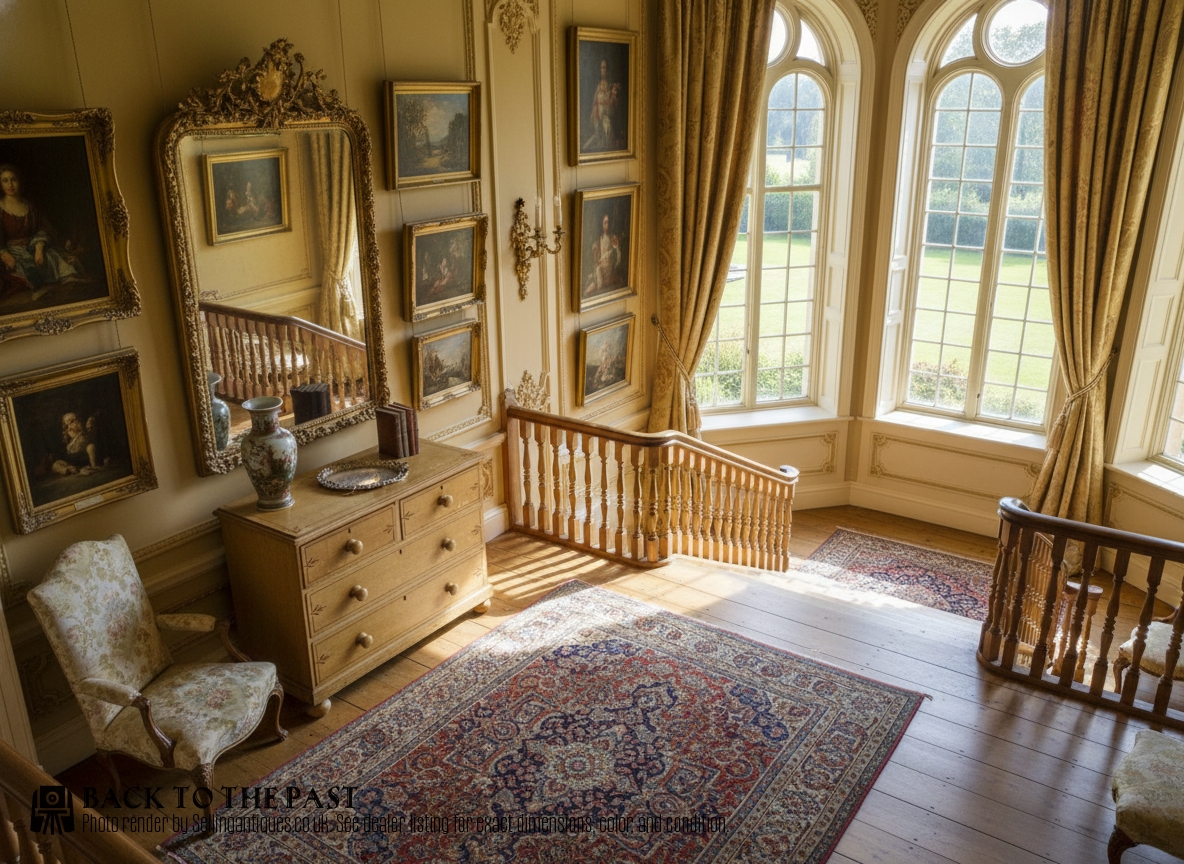
Vintage Painted Dresser Drawers
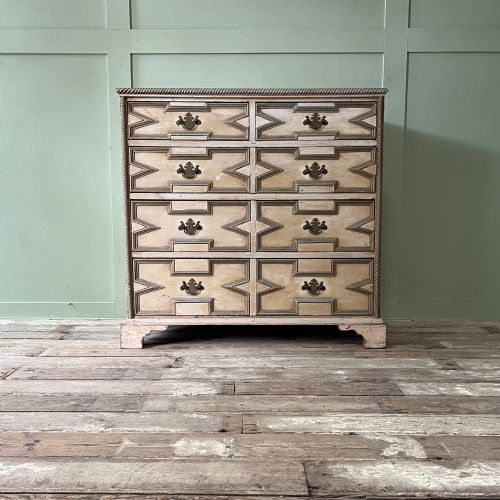
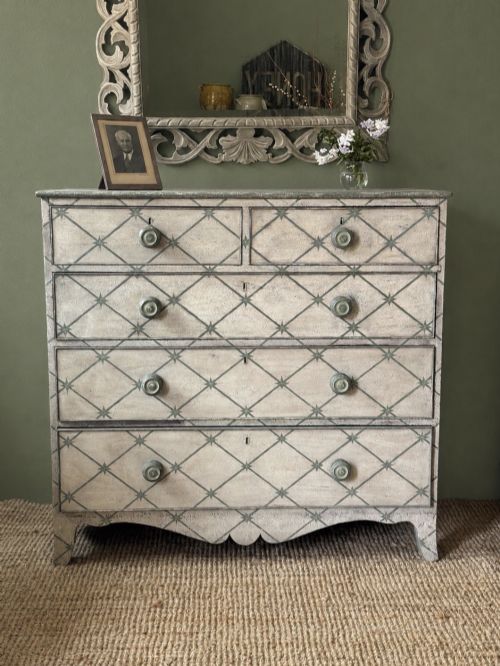
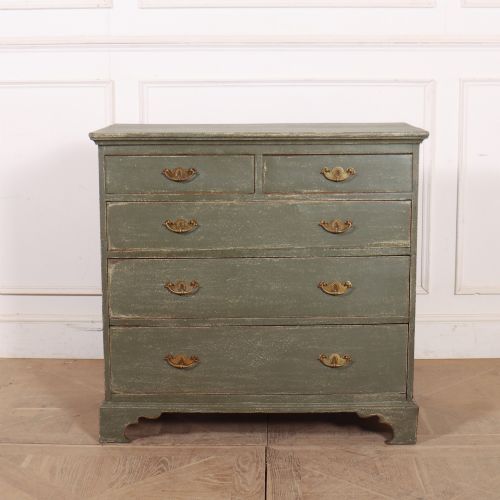
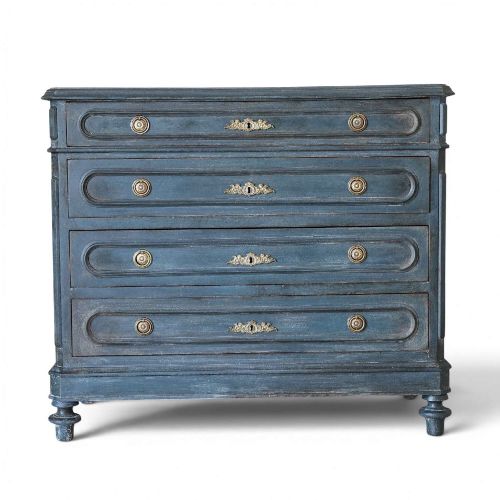
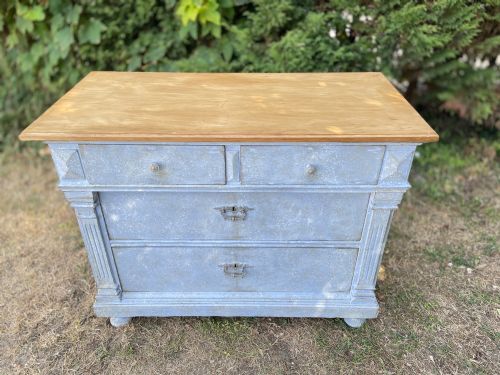
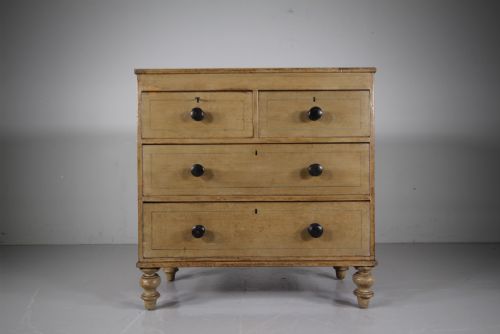
Vintage painted dresser drawers encompass chest of drawers forms, dresser bases, and commodes originating from the eighteenth century through to the nineteen-twenties. Buyers searching this phrase encounter substantial storage furniture finished in historic surface treatments rather than bare timber.
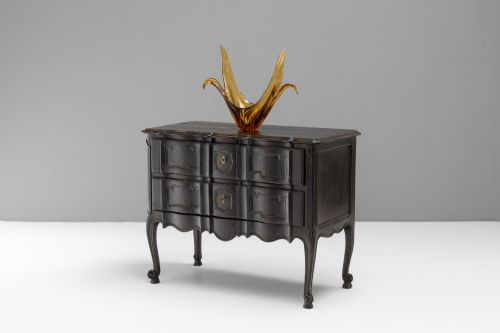
The material record shows a strong presence of pine alongside oak and mixed woods, often shaped as serpentine commodes or straightforward country pieces. English, French, German, and Scandinavian workshops produced these storage items for domestic use.
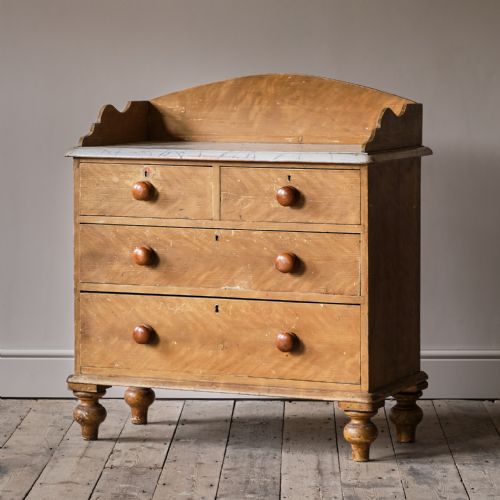
Pieces range from compact washstands to massive Hungarian chests and potboard dresser bases. Many examples retain surface layers that reflect regional decorative traditions from various nineteenth and early twentieth-century periods.
How they were made
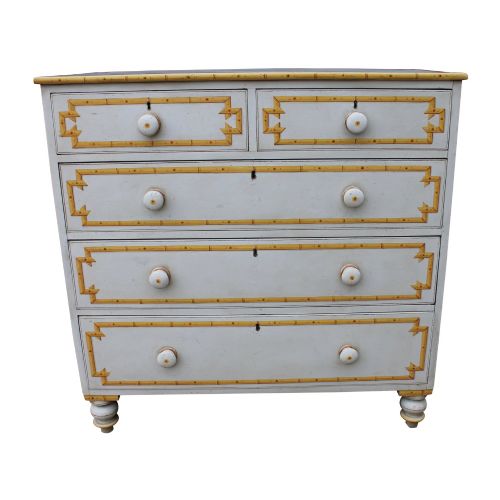
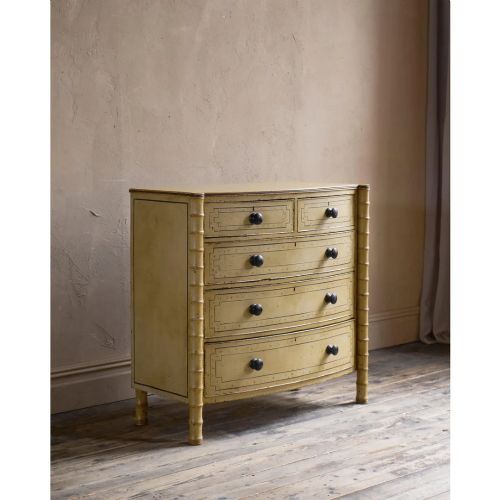
Makers utilised solid pine, oak, and other timbers to construct carcases and drawer boxes, joining structural elements with traditional methods suited to domestic furniture. Surfaces received coats of paint, sometimes layered over wax or combined with decorative highlights like faux bamboo turnings.
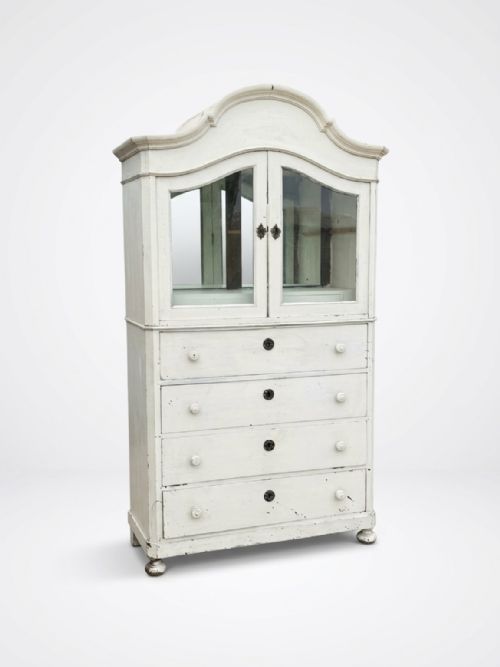
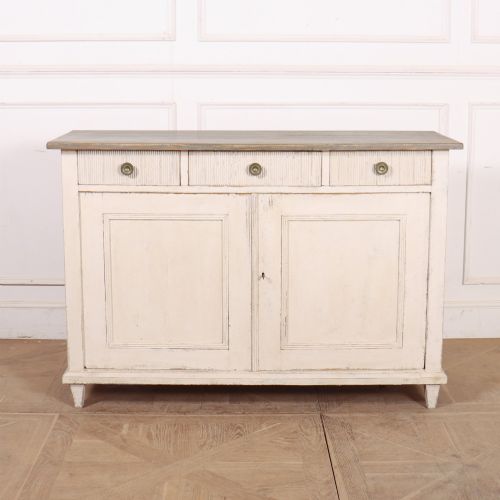
Hardware elements such as brass pulls, metal handles, and ceramic details were integrated into the drawer fronts of commodes and chests. Construction details varied by region, from the clean fluted drawer fronts seen on Swedish pieces to the robust potboards of English dresser bases.
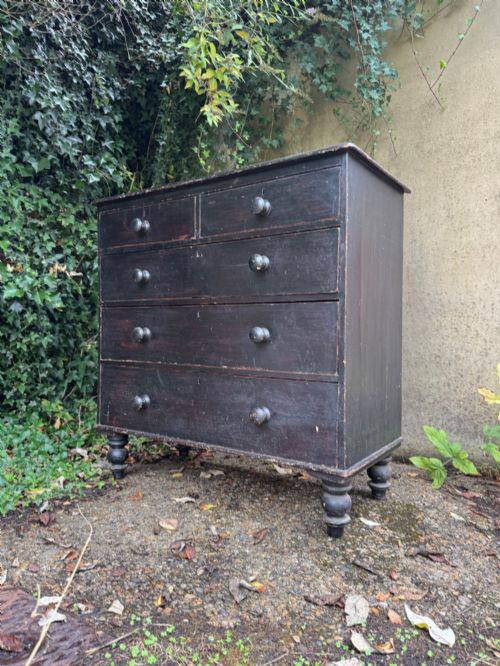
Several Hungarian chests arrived wearing surprisingly bold coats of black paint.
What varies in quality
The integrity of the original paint surface dictates much of the character, distinguishing untouched historical finishes from later overpainting. Well-preserved pigment layers show natural wear that reflects genuine age without obscuring the underlying timber.
Construction robustness in the drawer joints and carcase assembly separates standard utility pieces from finer cabinet work. Finer examples display thoughtful proportions, balanced drawer arrangements, and integrated decorative elements like serpentine fronts or specific regional mouldings.
Sir Clough Williams-Ellis·Edwards and Roberts
The Vintage Painted Dresser Drawers Glossary
- Commode
- A low cabinet or chest of drawers, often featuring decorative shaping or fine surface paintwork. These pieces typically stood in bedrooms or formal rooms.
- Dresser Base
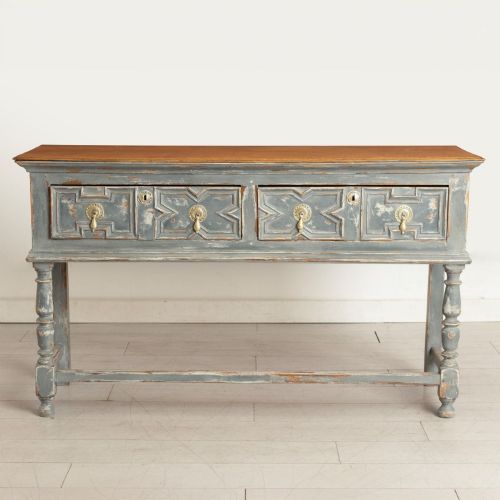
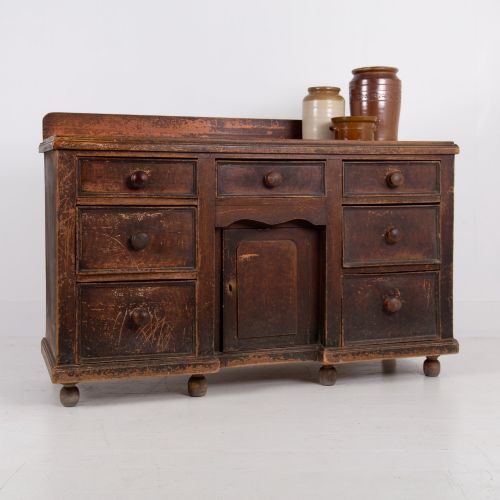
- The lower section of a kitchen or dining room storage unit, frequently built with potboard shelves beneath the main drawers. They served practical domestic functions in country houses.
- Potboard Dresser
- A dresser base featuring an open lower shelf designed for storing heavy pots and dishes. This traditional form appears frequently in English country furniture.
- Faux Bamboo
- A decorative technique where wood is carved and painted to imitate natural bamboo stalks. This style gained popularity during the nineteenth century.
- Serpentine
- A front profile characterised by a gentle convex curve flanked by two concave curves. This shaping requires skilled woodworking on drawer fronts.
Vintage Painted Dresser Drawers: Frequently Asked Questions
What periods do these pieces come from?
The available selection spans from the eighteenth century through the nineteenth century and into the nineteen-twenties. Pieces originate across various European regions including England, France, Germany, and Sweden.
Dating relies on construction methods, timber choice, and stylistic indicators such as serpentine fronts or regional painted finishes. Items range from Georgian country pieces to Edwardian examples.
How were dresser bases used originally?
Dresser bases served as functional workhorses in country kitchens and dining spaces for food preparation and storage. The drawers held linens and utensils while lower shelves accommodated heavy cookware.
Over time, these sturdy pine and oak units transitioned into display and storage furniture for living areas. Their durable surfaces and generous drawer capacities made them central to domestic organisation.
Are the paint finishes original?
Many listings specify original paint surfaces, preserving historic layers applied in regional workshops across Europe. Swedish, Hungarian, and English pieces frequently retain these characteristic finishes.
Examining the pigment helps distinguish period coatings from later interventions. Surface wear provides clues about the age and history of the piece.