

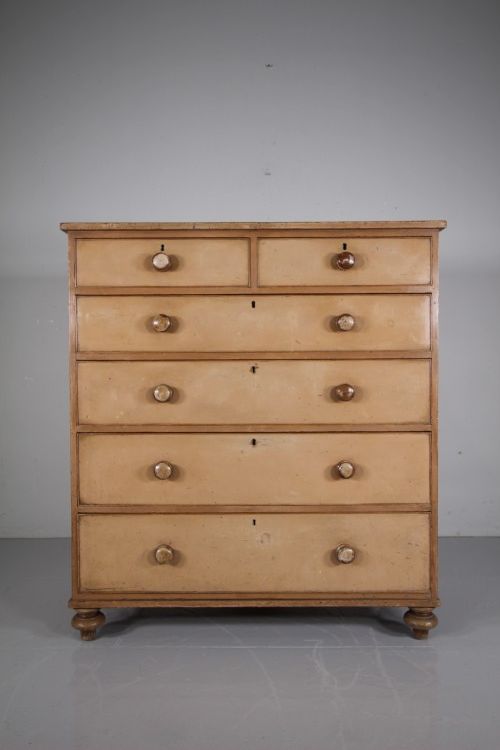


Painted Country House Furniture
Painted country house furniture brings practical utility and tactile, aged surfaces to rooms through chests, cupboards, and dressers.
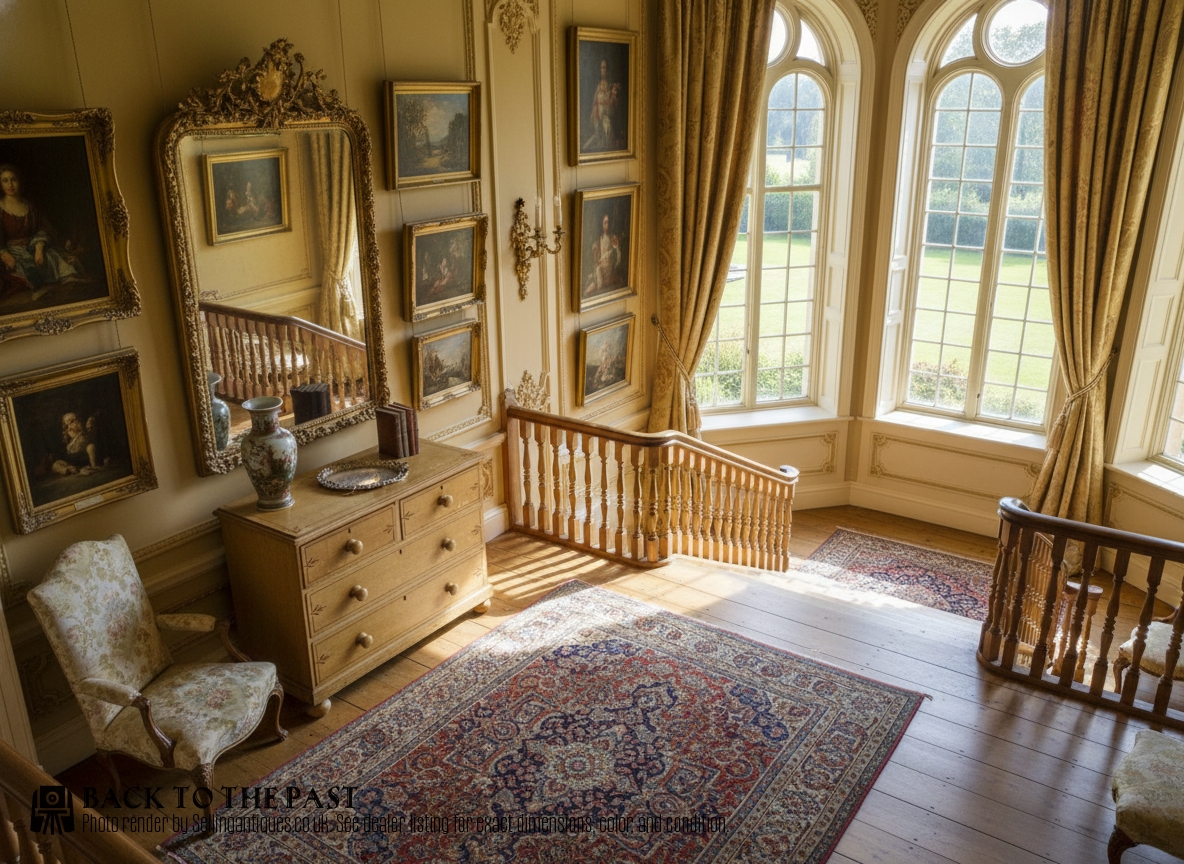
Painted Country House Furniture
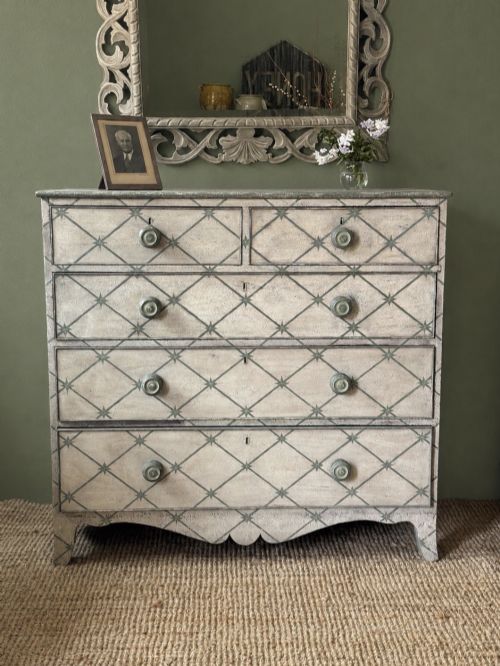
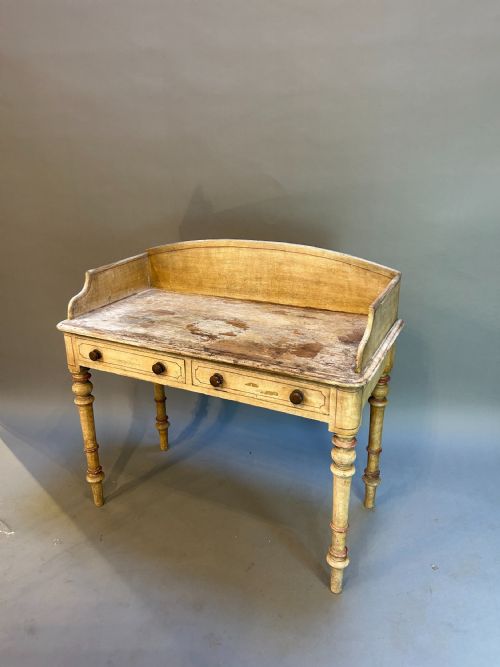
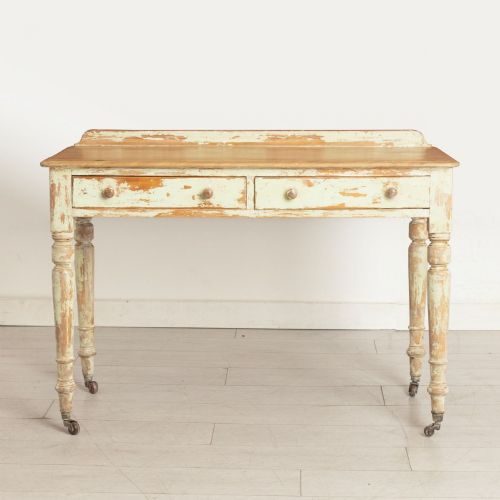
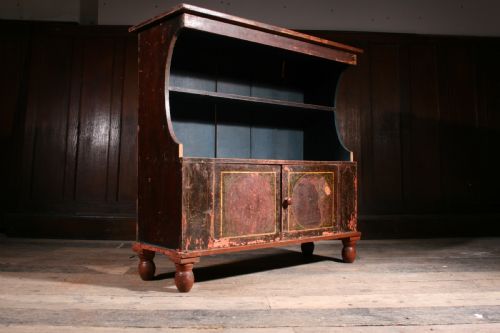
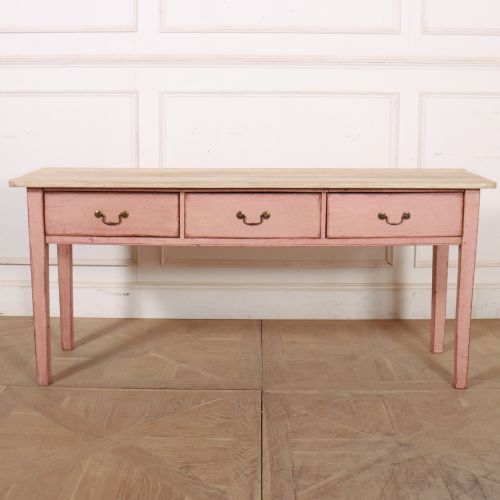
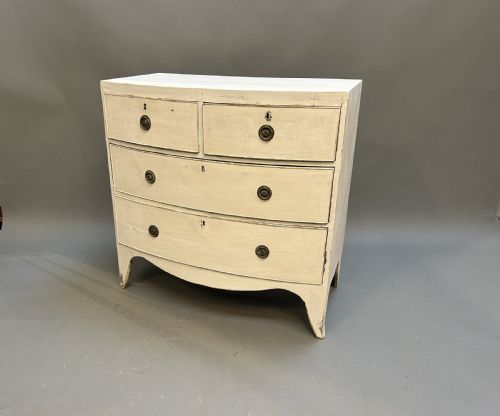
Painted country house furniture comprises functional domestic storage and utility items shaped by Georgian, Victorian, and rustic farmhouse traditions. These pieces include chests of drawers, housekeepers' cupboards, kitchen dressers, side tables, and settles made for daily use in domestic settings. Buyers seeking painted country house furniture will encounter numerous pine and painted wood items from the eighteenth and nineteenth centuries.
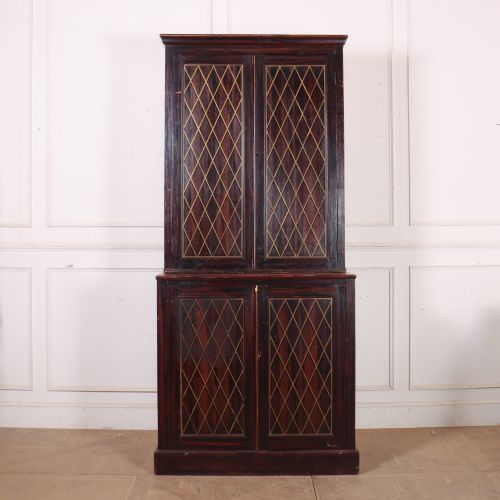
The aesthetic is grounded in regional English, Welsh, Irish, French, Scandinavian, and Hungarian workshops where surfaces received coats of paint or scumble to protect the timber. Original finishes range from stark black and deep red to decorative green and Chinoiserie motifs. The survival of early or original paint layers is a primary characteristic that distinguishes these utilitarian domestic forms.
Materials and construction
Makers relied primarily on pine and other solid timbers, building carcasses with dovetailed joints, panelled doors, and sturdy framing suited to heavy domestic service. Iron and brass hardware such as hinges, handles, and drawer pulls were fitted to secure functional storage pieces like wardrobes and larder cupboards.
Surfaces were prepared with primers and finished in layers of paint, scumble, or wax to seal the wood and impart colour. Artisans applied decorative techniques ranging from simple flat coats to simulated graining and regional folk motifs.
Some nineteenth-century cupboards hide secret compartments once reserved for keeping tea leaves secure from domestic staff.
Assessing quality in painted surfaces
The primary distinction in quality lies in the integrity and survival of the original surface finish rather than pristine condition. Pieces retaining their earliest painted or scumbled layers without heavy modern overpainting command greater interest from collectors.
Structural honesty and period-correct construction methods set finer examples apart from heavily altered items. Original hardware, undisturbed joinery, and well-proportioned regional forms indicate superior workshop origin.
The Painted Country House Furniture Glossary
- Scumble paint
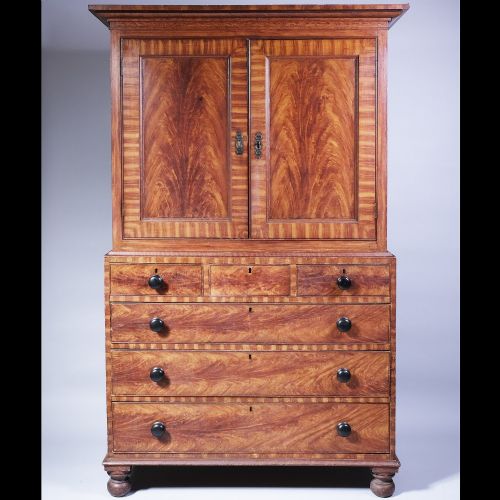
- A translucent glaze applied over a base coat and manipulated with combs or rags to simulate richer timber grain or create mottled texture. This technique was widely utilised on nineteenth-century storage pieces.
- Housekeeper's cupboard
- A large storage cabinet featuring multiple doors and internal shelving designed for household linens and dry goods. These utilitarian forms are staples of country house interiors.
- Dresser
- A dual-purpose dining or kitchen furniture item combining base cupboards or drawers with an upper plate rack or open shelving. Welsh and English variants display distinct regional proportions.
- Settle
- A wooden wooden bench featuring a high solid back to block draughts and a box seat for storage. They stood near hearths in traditional hallways and kitchens.
- Chinoiserie
- European decorative style inspired by Chinese art and design, featuring painted motifs of figures, landscapes, and flora. It appears on select refined side cabinets from the early twentieth century.
Painted Country House Furniture: Frequently Asked Questions
How do I identify original paint?
Original paint exhibits natural wear, craquelure, and integration with the underlying timber consistent with age. Multiple microscopic layers often reveal historical patination beneath surface dust.
Modern repainting typically feels flat, uniform, and lacks the mellowed depth found on untouched eighteenth and nineteenth-century surfaces.
Where were these pieces made?
Workshop origins span English counties, Welsh valleys, Irish homesteads, and continental regions including Sweden, France, and Hungary. Regional carpentry traditions dictated specific proportions and construction quirks.
Local joiners utilised readily available timbers such as pine, building robust items tailored to the needs of specific domestic environments.
How do I care for painted wood?
Protect antique painted surfaces by maintaining stable room humidity away from direct heat sources and strong sunlight. Sudden environmental shifts cause timber to warp and paint to flake.
Dust gently with a dry, soft cloth and avoid chemical cleaning agents, abrasive polishes, or excessive moisture that might damage fragile historic finishes.