


Folk Art Chest Drawers
These folk art chest drawers combine everyday utility with expressive surface decoration, offering instant character to any room.
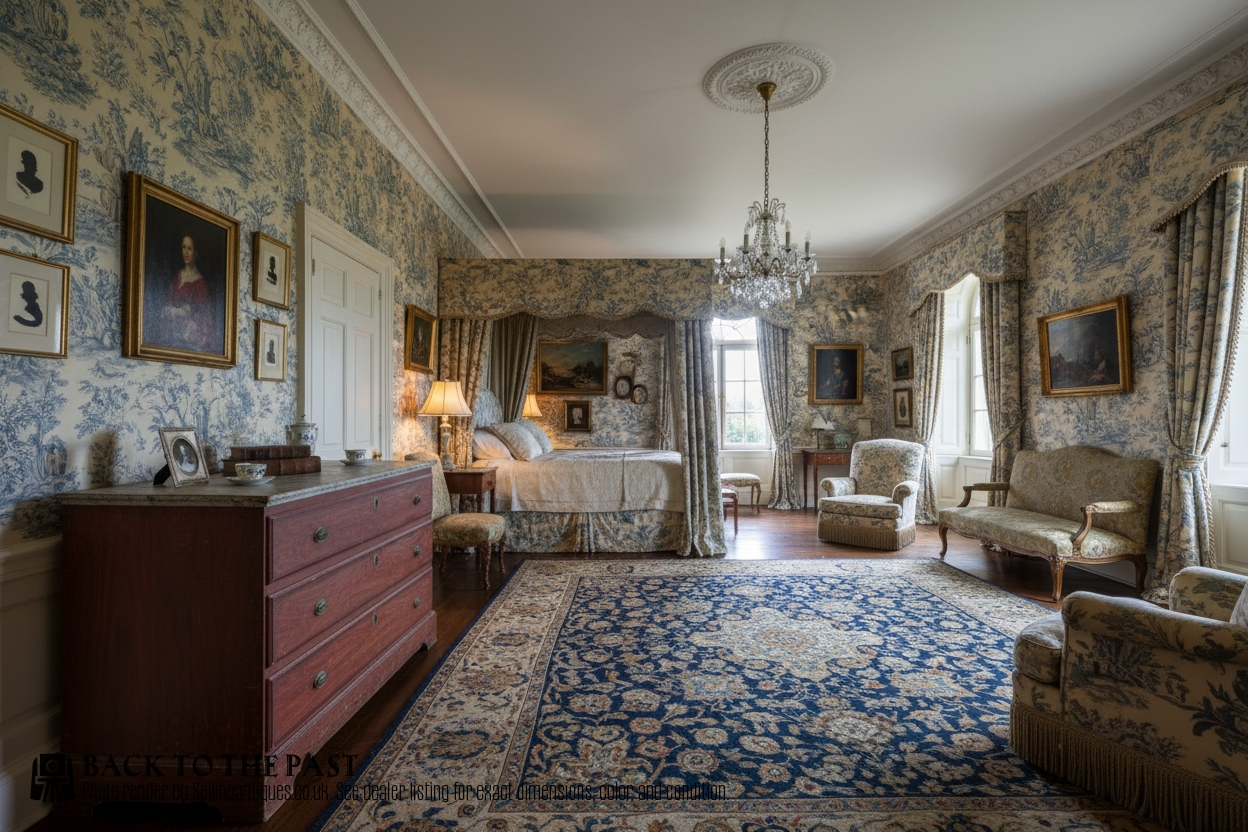
Folk Art Chest Drawers
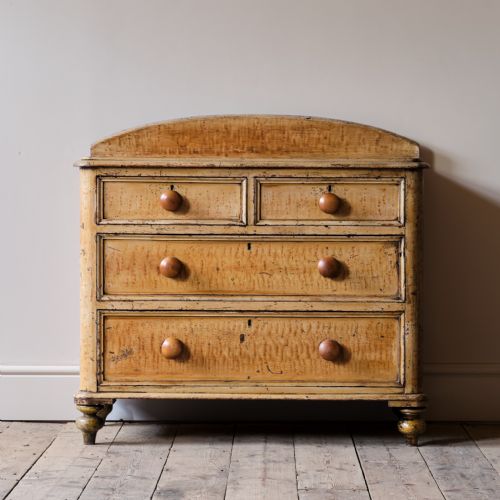
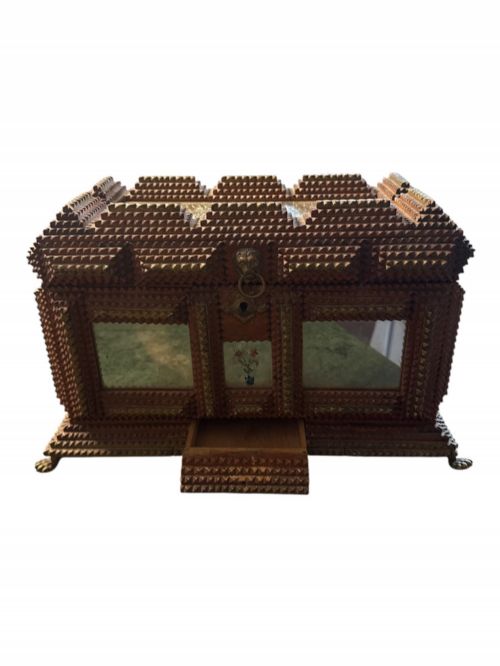
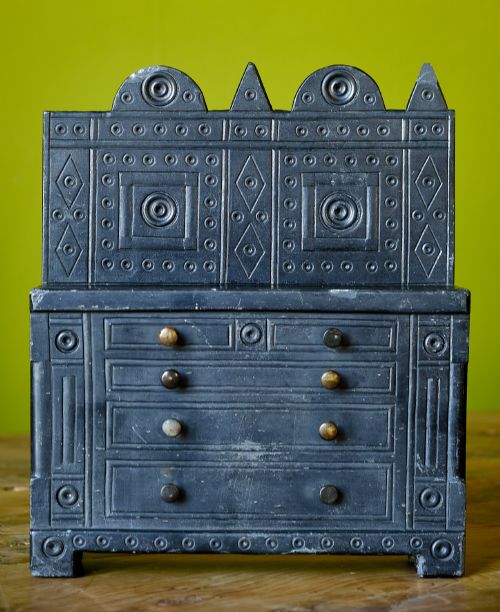
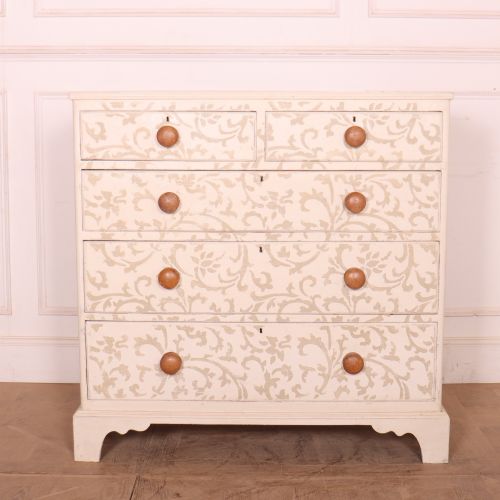
Folk art chest drawers encompass domestic storage pieces that bear hand-painted finishes, tramp art carving, or regional decorative schemes. Buyers searching for folk art chest drawers encounter full-sized storage chests alongside smaller tabletop models and miniature furnishings.
The examples on this page span the nineteenth century into the early decades of the twentieth century. Pine and timber form the main bodies, often enhanced with painted decoration, scumble glaze, or simulated birch effects.
Origins stretch across Britain and continental Europe, including Welsh, Hungarian, Austrian, and Swedish pieces. Alongside standard chests of drawers, the selection incorporates mule chests, cupboards, and miniature models.
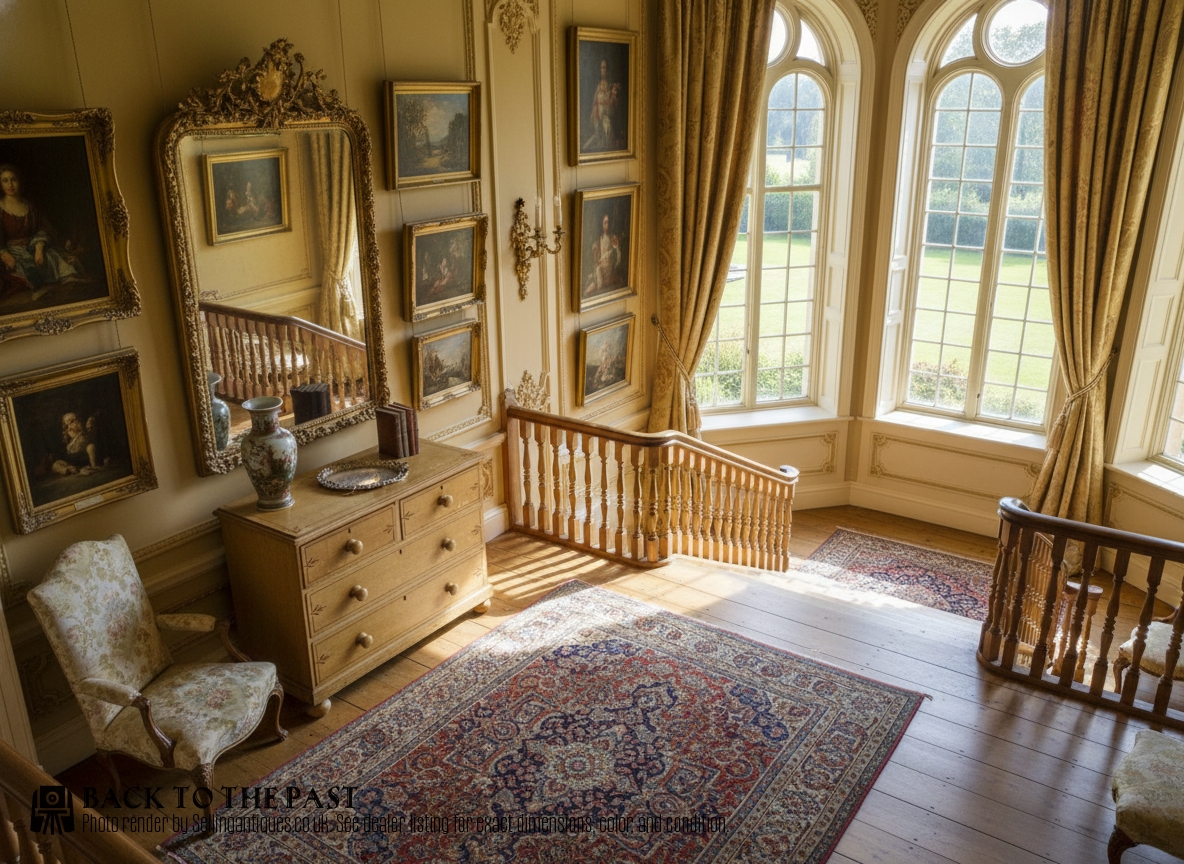
Materials and construction
Makers utilised local timbers, predominantly pine and various softwoods, building utilitarian carcasses designed for everyday rural life. Construction methods relied on straightforward carpentry traditions appropriate to country workshops.
Surface treatments define the category, using oil-based paints, scumbling techniques to imitate grain, and applied tramp art carved from wood or slate. Brass and ceramic elements frequently provide hardware and handles.
The listings span the nineteenth century up to 1930, featuring pine, slate, and brass across British and European origins.
Judging quality
Quality rests primarily on the integrity and survival of the original surface decoration. Untouched paintwork and authentic scumble finishes command greater interest than stripped or later re-painted surfaces.
The fineness of hand-carved details, such as tramp art layering or miniature slate work, distinguishes workshop output. Construction stability and original brass or ceramic fittings further influence the standing of each piece.
GEMLA FABRIKERS
The Folk Art Chest Drawers Glossary
- Scumble
- A decorative painting technique where a translucent glaze is dragged or brushed over a base coat to create mottled wood-grain effects. It was widely used on pine furniture to simulate costlier hardwoods.
- Tramp art
- A form of woodworking where small pieces of timber, often from salvaged cigar boxes, are chipped, notched, and layered into geometric patterns. Items decorated in this style date mainly from the late nineteenth and early twentieth centuries.
- Mule chest
- A traditional storage form combining a drawer beneath a hinged lid compartment. These hybrid pieces bridge the gap between blanket chests and standard drawer units.
- Chest on chest
- A tall storage unit formed by stacking one drawer section directly on top of another. This vertical configuration maximises storage capacity while maintaining a compact footprint.
Folk Art Chest Drawers: Frequently Asked Questions
What is folk art furniture?
Folk art furniture consists of utilitarian pieces decorated, carved, or painted by vernacular makers rather than mainstream commercial workshops. These items reflect regional traditions and individual maker expression.
Surfaces often feature hand-painted motifs, scumble glazes, or applied wooden carving that sets them apart from formal period furniture.
How do I care for painted pine?
Painted pine requires gentle maintenance to preserve the historic surface and original pigment. Keep pieces away from direct sunlight and extreme humidity changes to prevent wood movement.
Dust with a soft, dry cloth and avoid harsh chemical cleaners that can strip or soften older oil paints.
Are miniature chests toys?
Miniature chests were rarely intended as children's playthings. Makers often produced them as apprentice masterpieces, salesman samples, or decorative tabletop display items.
Their careful construction mirrors full-sized equivalents on a reduced scale, utilising the same materials like pine and carved slate.
How do I date these pieces?
Dating relies on examining construction techniques, timber preparation, and the medium of the surface decoration. Hand-sawn boards, forged hardware, and specific paint formulations offer chronological clues.
Comparing stylistic traits with documented regional examples helps narrow the period of origin.