
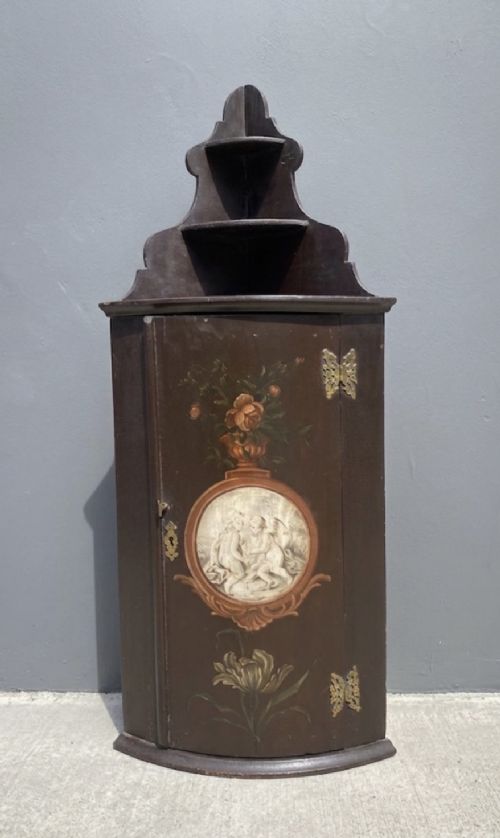


Vintage Painted Corner Cabinet
These vintage painted corner cabinets utilise awkward room junctions to advantage, offering useful display space while bringing character and colour through decorative finishes.
Vintage Painted Corner Cabinet
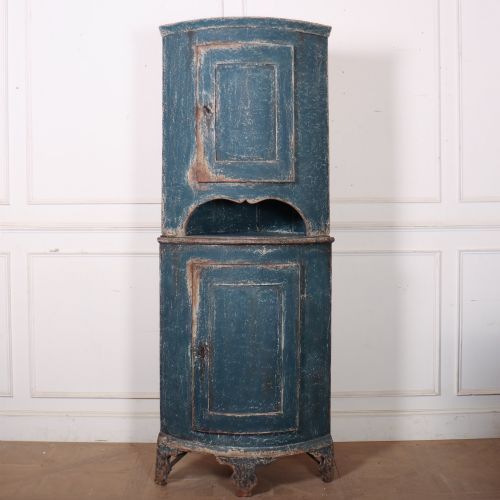
A vintage painted corner cabinet is a fitted or freestanding storage unit designed specifically to occupy the junction of two walls, making practical use of dead space in a room. When you search for this phrase, you will encounter diverse forms ranging from compact wall-hanging cupboards to tall standing units with glazed doors or open upper shelves.
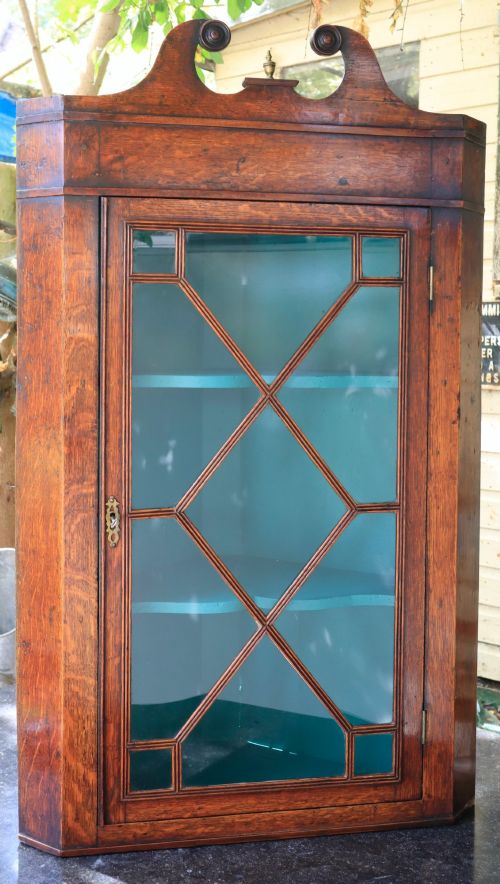
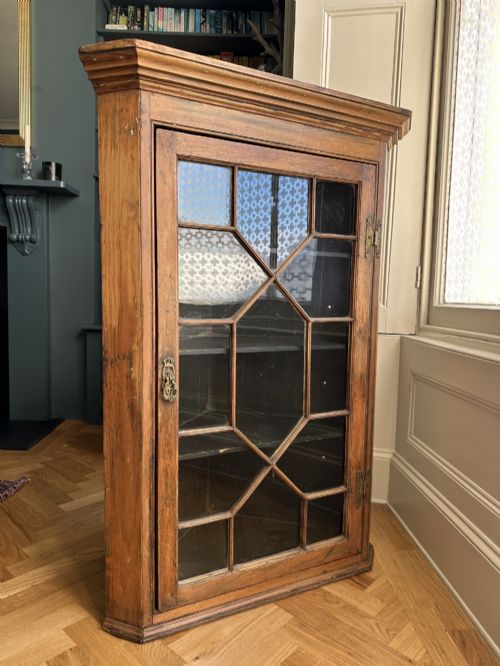
Many of these cabinets feature bowfront doors that soften the angular geometry of a room, whilst others rely on straightforward flat fronts or glazed vitrine sections. The internal arrangement typically consists of stationary wooden shelves designed to hold glassware, ceramics, or household provisions.
Materials and construction methods
Construction relies heavily on sturdy timbers such as pine, oak, and mahogany, chosen for their stability in building corner-fitting carcasses. Joinery techniques from the eighteenth and nineteenth centuries ensure the heavy angles of these units remain square and true over decades of use.
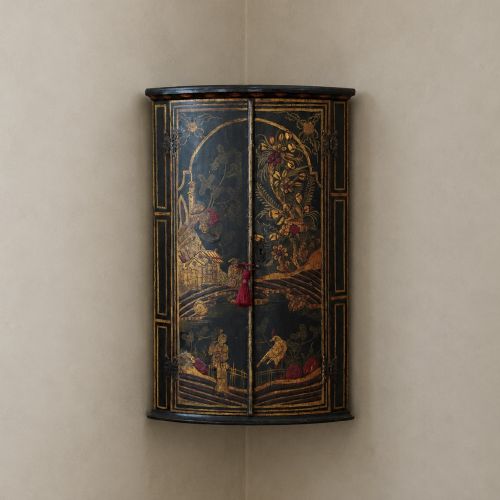
Surface decoration defines these pieces, utilising traditional paint finishes, faux tortoiseshell effects, and intricate Chinoiserie motifs applied over prepared wooden grounds. Iron and brass hinges, alongside keyhole escutcheons, secure the doors while adding functional metalwork detail to the painted exteriors.
Listings feature pieces spanning from the 18th century through the 1960s, constructed in pine, mahogany, oak, and satinwood.
Assessing quality in painted corner furniture
Quality in these cabinets rests upon the integrity of the original timber carcass and the preservation of any historic painted finish. Pieces that retain their genuine period surfaces without excessive overpainting command greater interest among purists.
The sophistication of the decorative work distinguishes simpler provincial items from high-style workshop productions. Finer examples display meticulous brushwork, such as detailed Chinoiserie scenes or convincing faux finishes, executed by skilled hands rather than hurried decorators.
The Vintage Painted Corner Cabinet Glossary
- Bowfront
- A convex, outwardly curving front facade that softens the sharp angles of a corner unit. This curved shape requires advanced woodworking skill to shape the doors and framing timbers correctly.
- Vitrine
- A glass-fronted cabinet or display case designed to showcase porcelain, books, or curiosities. The glazed doors protect the interior contents from dust while allowing full visibility.
- Japanning
- A European technique of finishing furniture to emulate Japanese and Chinese lacquerware. The process involves multiple layers of varnish heat-cured and polished to a hard sheen.
- Gustavian
- The Swedish interpretation of French neoclassical style, characterised by lighter proportions and restrained painted decoration. It often employs pale greys, whites, and muted creams.
Vintage Painted Corner Cabinet: Frequently Asked Questions
How do I install a corner cabinet?
Most standing corner cabinets simply rest against the walls, though taller or top-heavy units benefit from being secured to wall studs for safety. Wall-hanging versions require heavy-duty fixings screwed directly into the corner framing to support their weight.
Because walls in older properties are rarely perfectly square, shims or adjustable feet are frequently utilised beneath the base to ensure the cabinet sits level and the doors close properly.
What were corner cupboards used for originally?
Historically, these cupboards served as corner larders, china depositories, or spice cabinets in dining rooms and parlours. Their enclosed shelving kept precious porcelain and household stores protected from soot and moisture.
Today, they fulfil a similar decorative and storage function, frequently housing glassware, books, or collections while utilising unspent architectural space.
How do I clean a painted antique surface?
Dust the painted surface gently with a soft, dry microfibre cloth to remove loose particles without abrading the finish. Avoid modern chemical sprays, solvent cleaners, and excessive water, which can lift or dissolve historic paint layers.
If deeper cleaning is necessary, consult a professional conservator who can evaluate the stability of the paint and apply appropriate museum-grade cleaning agents.
Can I repaint a vintage corner cabinet?
While repainting is possible, cabinets retaining their original or early decorative schemes are generally valued for their authentic patina. Altering an authentic historic surface can permanently diminish the character and historical interest of the piece.
If a cabinet has already been stripped or modernly painted to a poor standard, applying a new coat of traditional mineral or eggshell paint is an accepted way to refresh the item.