
Vintage Painted Bench
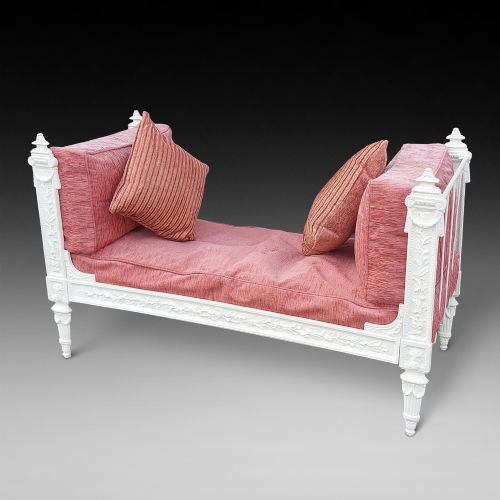
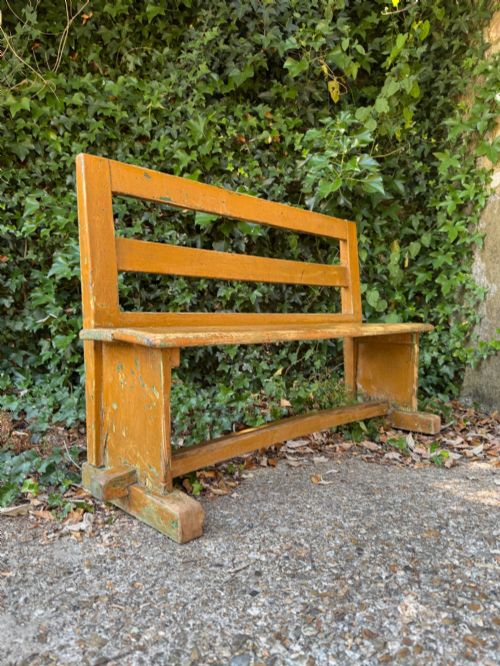
A vintage painted bench brings enduring character to porch or hall, offering sturdy utility wrapped in layers of historic pigment.

Vintage Painted Bench
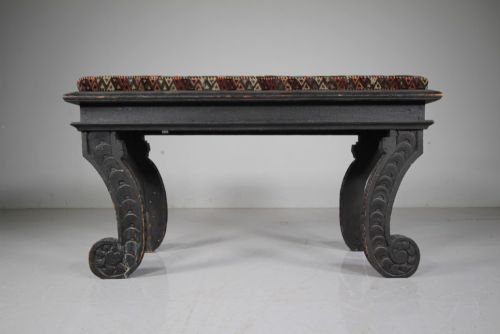
A vintage painted bench spans simple pine window seats to robust garden seating cast in metal.
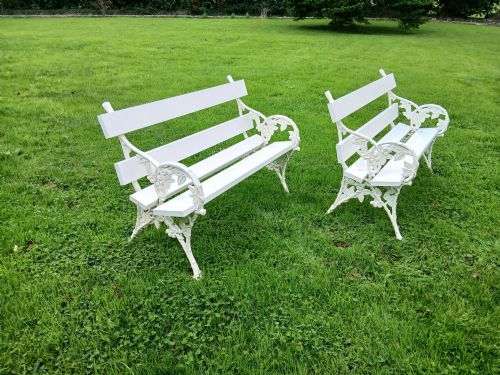
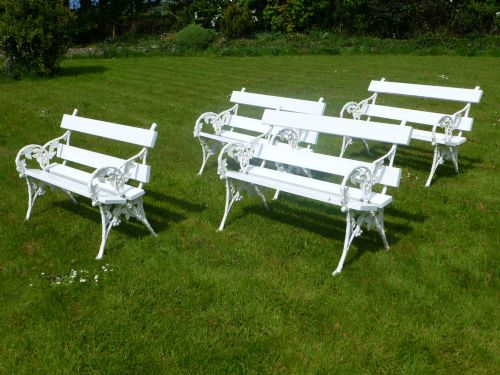
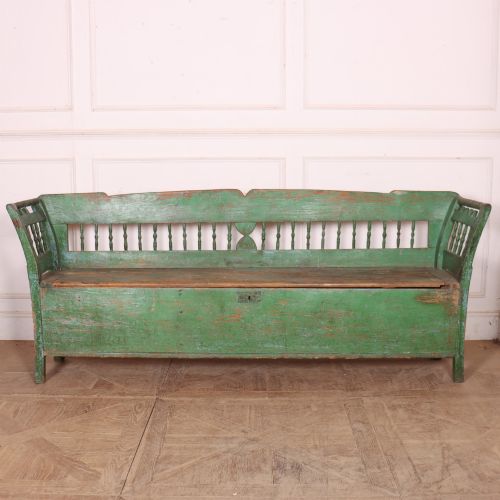
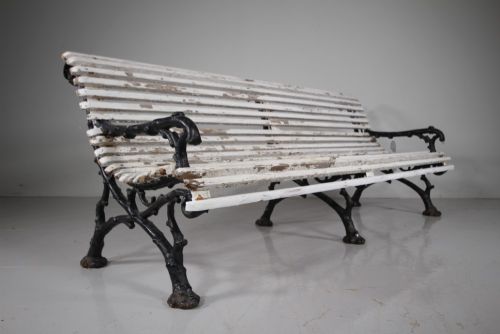
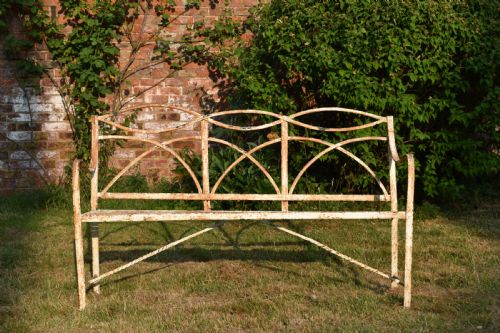
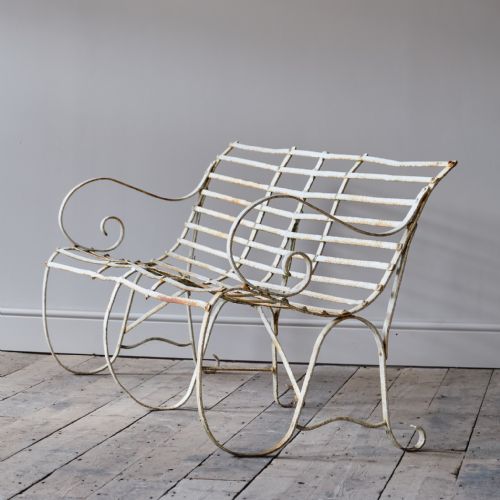
Buyers encounter nineteenth-century Hungarian pine settles alongside ornate Victorian garden pieces bearing leafy openwork.
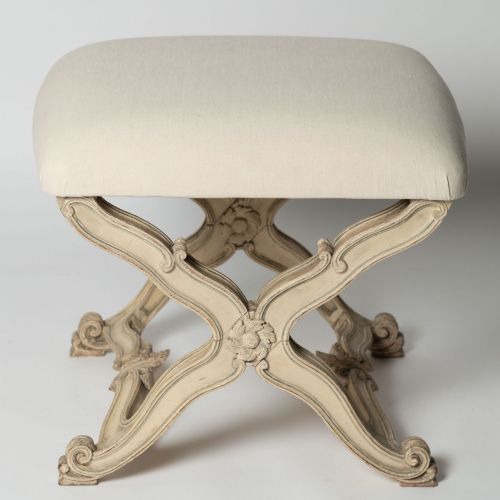
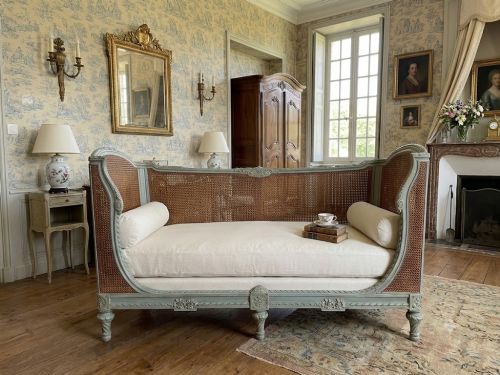
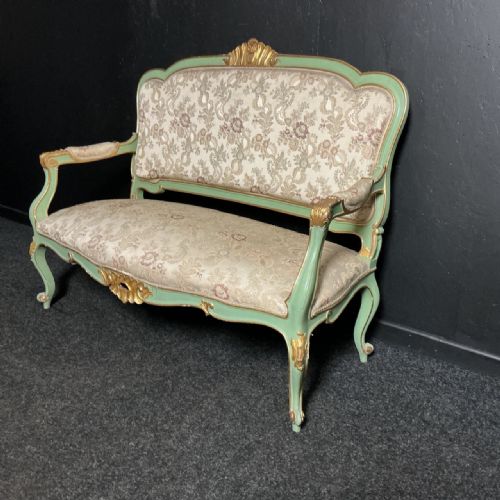
French styles and rustic farmhouse examples appear frequently, ranging from compact stools to multi-seater garden furniture.
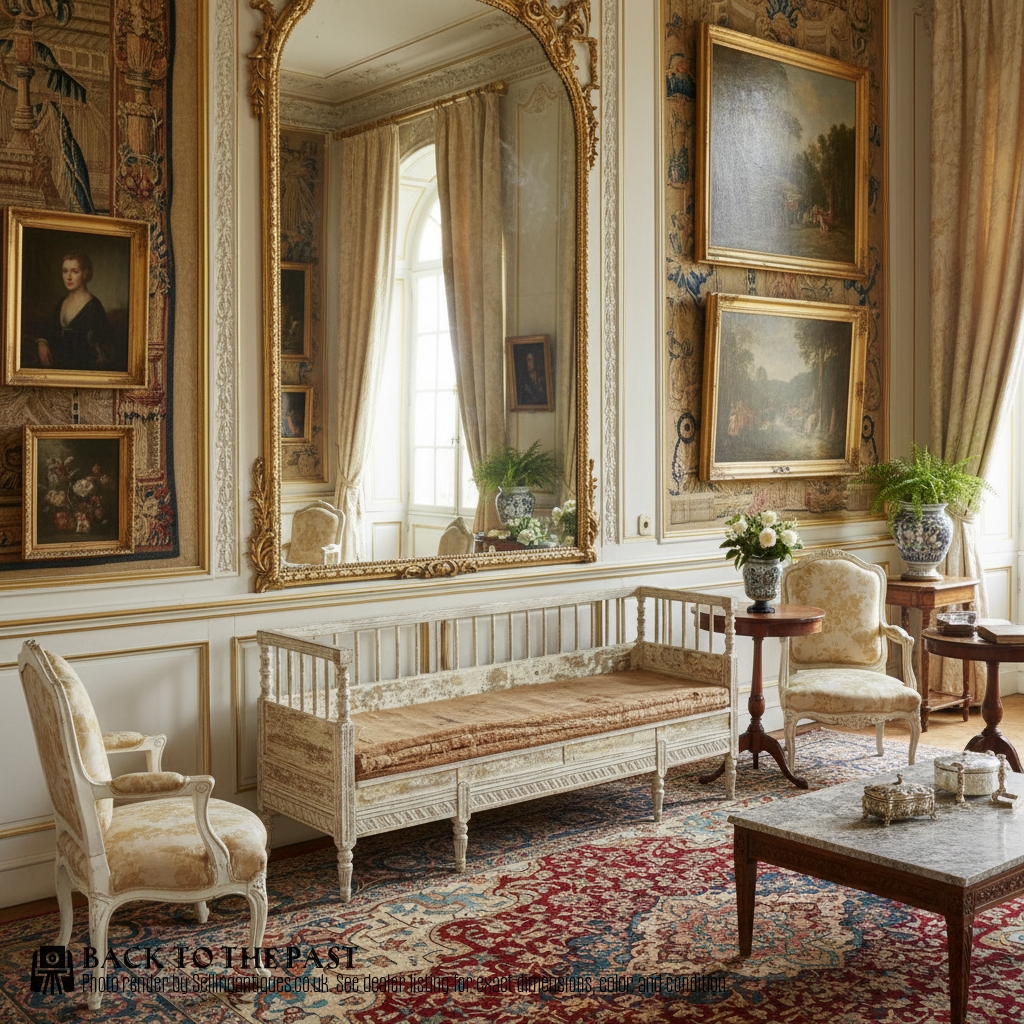
Materials and construction
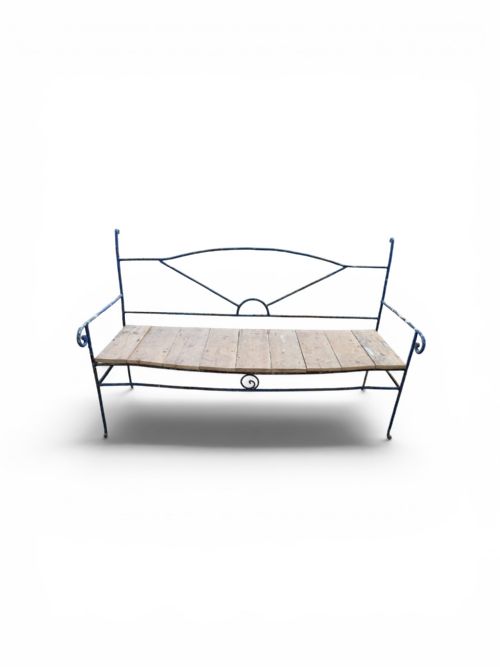
Construction relies heavily on solid pine and timber frames, joined for domestic use or paired with robust cast iron and wrought iron for outdoor durability.
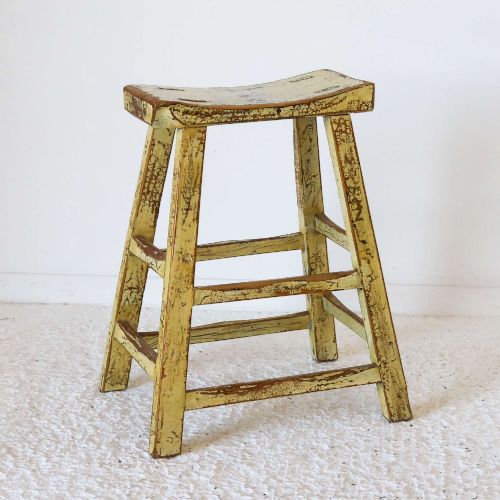
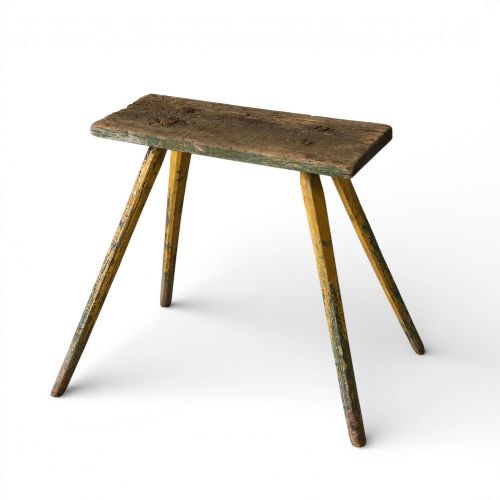
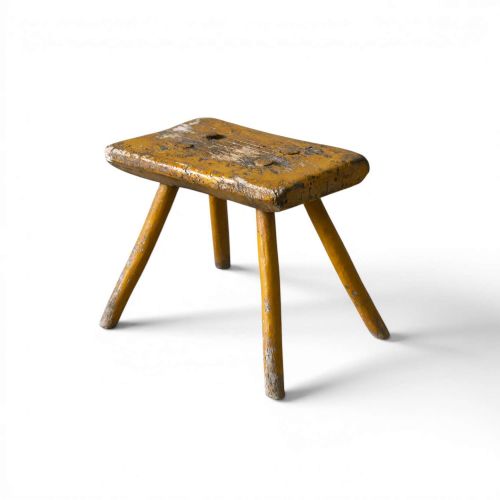
Surfaces receive protective or decorative coats of paint, frequently showing original patination built up over decades of wear.
Listings feature pieces spanning the eighteenth to the twentieth centuries, utilising pine, timber, cast iron, and wrought iron.
Assessing quality
Quality rests in the integrity of the original timber or metal casting, where crisp foliage motifs or sturdy joinery distinguish finer workshop output.
The character of the surface paint matters greatly, with intact historic pigments carrying more visual weight than modern repainting.
Falkirk Carron Foundry·Coalbrookdale
The Vintage Painted Bench Glossary
- Settle
- A wooden bench with a high back, solid arms, and often a box seat for storage. These pieces were designed to keep draughts away from people sitting near fires.
- Cast iron
- An iron-carbon alloy poured into moulds to create intricate decorative patterns. It provides heavy, rigid framing for garden seating.
- Window seat
- A low bench built or placed specifically to fit within a window recess. They often feature upholstered pads or painted timber frames.
- Strapwork
- Ornamental flat bands or strap-like patterns applied to metalwork. This technique creates geometric open designs on garden furniture.
- Faux bois
- A technique mimicking wood grain on non-wooden materials, particularly cast iron. It gives metal benches an organic, rustic appearance.
Vintage Painted Bench: Frequently Asked Questions
Can I leave my cast iron bench outdoors year-round?
Cast iron withstands outdoor exposure well due to its heavy metal construction. Regular checks for surface rust help preserve the protective paint layer through winter.
Positioning the bench on a hard, dry surface prevents moisture from drawing up through the feet and damaging the lower framing.
How do I care for original painted wood?
Original painted surfaces require gentle dusting with a dry microfibre cloth. Avoid harsh chemical cleaners that might strip historic pigment.
Keep wooden benches away from direct heat sources and strong sunlight to prevent the timber from warping and the old paint from flaking.
What is the difference between a settle and a standard bench?
A settle incorporates a solid high back and enclosed sides designed to block cold indoor draughts. Traditional examples often include a hinged seat hiding a storage box.
Standard benches offer open seating without high protective panels, making them lighter and more suited to casual placement in hallways or gardens.
How can I tell a nineteenth-century piece from a later reproduction?
Nineteenth-century pieces show authentic wear patterns, hand-mixed paints, and construction methods appropriate to their specific decade. Metal castings display crisp detailing without modern surface finishing marks.
Examining the underside and fixing points reveals the age of the timber, nails, and general assembly techniques used by period workshops.