
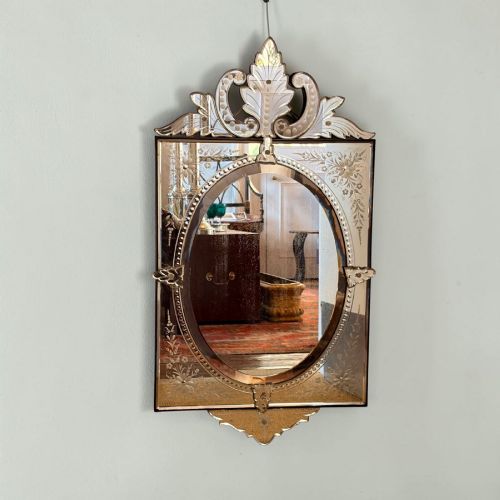
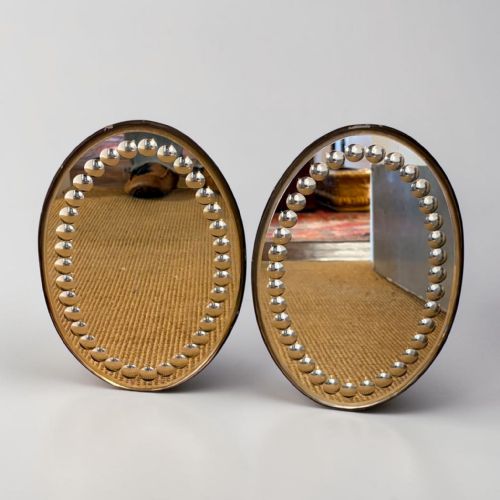
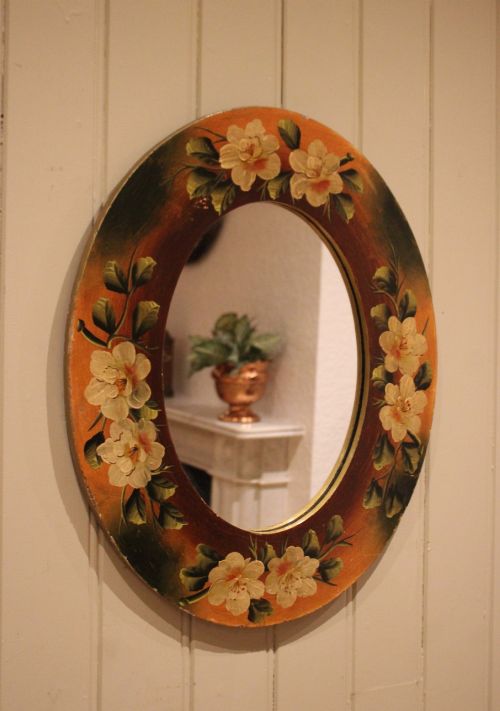
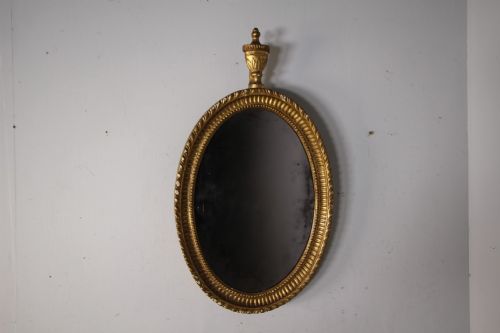
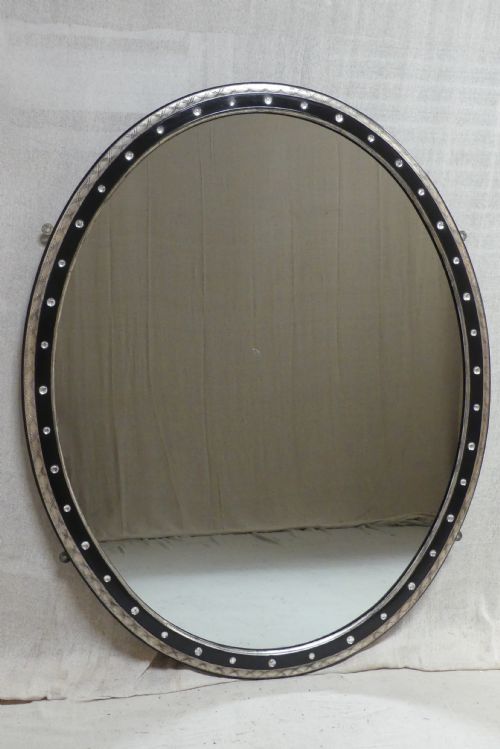


Vintage Oval Wall Glass
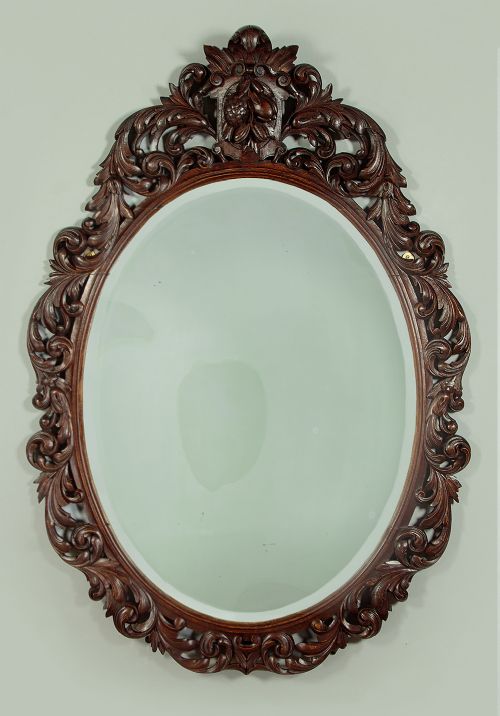
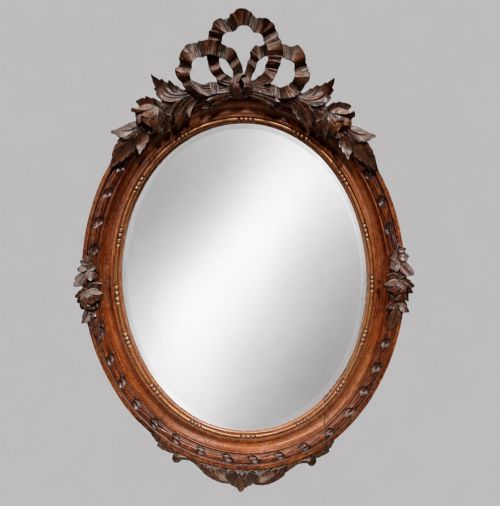
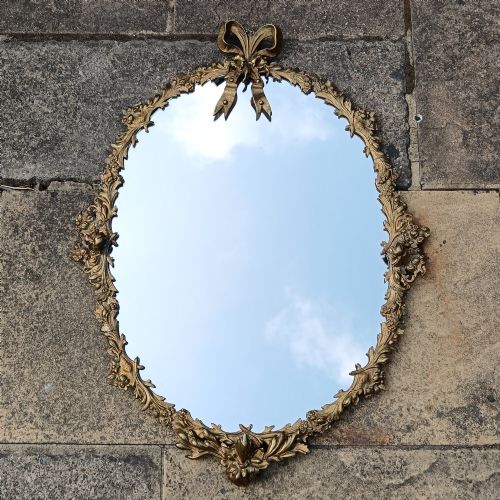
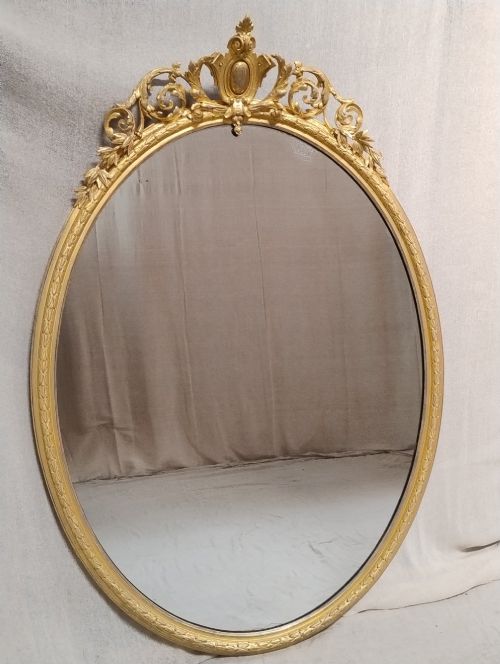
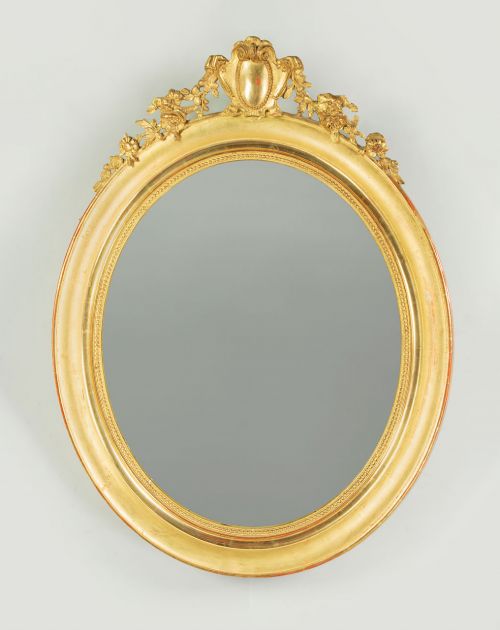
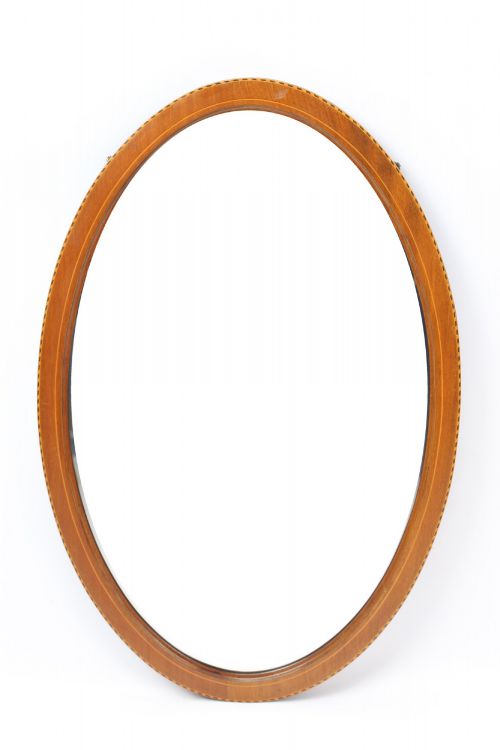
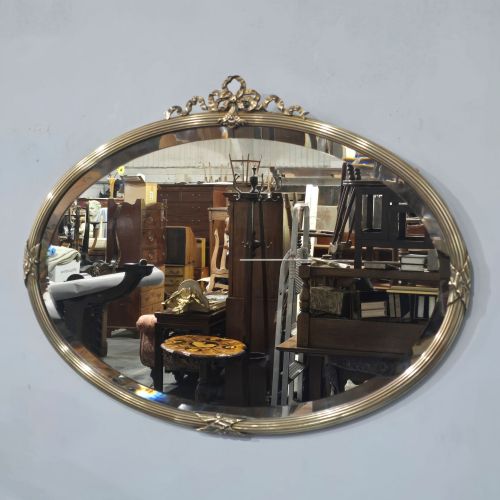
Vintage oval wall glass brings dependable reflection and period presence to a room, ranging from simple oak frames to ornate gilt creations.
Vintage Oval Wall Glass
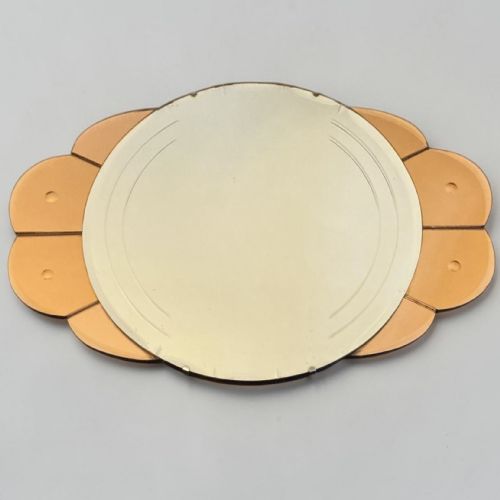
These items comprise hanging mirrors shaped with curved vertical profiles, appearing in styles from the eighteenth century through to the art deco period. A buyer exploring vintage oval wall glass encounters various wooden and metallic frames designed to mount securely in domestic interiors.
The selection frequently includes nineteenth-century pieces bearing gesso and gilt decoration alongside simpler Edwardian mahogany or oak surrounds. Many examples utilise bevelled mirror glass or traditional mercury plates set within timber or cast metal structures.
Materials and construction methods
Frames are constructed from timbers such as mahogany, oak, and giltwood, often shaped with carved details or rope twist motifs. Artisans applied gesso to wooden substrates before gilding to create ornate decorative relief work.
Reflecting plates consist of glass or mercury plate, frequently featuring bevelled edges that catch the light. Original fittings and backing boards secure the glass within frames spanning from simple metal surrounds to elaborate rococo revival designs.
Some nineteenth-century mirrors still retain the tiny dust particles that settled while the gesso was drying.
Distinguishing quality in mirrors
Quality rests in the crispness of the frame's carving, the depth of the gilding, and the original integrity of the glass plate. Hand-carved giltwood and detailed gesso display superior craftsmanship compared to plain timber mouldings.
The presence of original mercury plates or period bevelled glass distinguishes finer examples, as does the survival of original hanging fittings and backing boards from periods like the Victorian era or the eighteenth century.
The Vintage Oval Wall Glass Glossary
- Mercury plate
- An older type of mirror backing created using a tin and mercury amalgam before the modern silvering process was adopted.
- Gesso
- A plaster-like mixture applied to wood frames to provide a smooth surface for gilding or intricate moulding.
- Bevelled glass
- Glass with edges cut and polished to an angled slant, creating a decorative prismatic border.
- Giltwood
- Timber coated with a thin layer of gold leaf, frequently seen on ornate eighteenth and nineteenth-century frames.
Vintage Oval Wall Glass: Frequently Asked Questions
How do I hang a heavy antique mirror?
Heavy frames require sturdy wall fixings secured directly into studs or masonry rather than standard plasterboard plugs.
Ensure the original hanging rings or chains on the back are strong enough to support the weight before mounting.
What causes dark spots on old mirrors?
Dark spots and foxing occur when moisture seeps behind the glass and oxidises the silvering or mercury backing over decades.
This natural ageing process is common in older plates and does not detract from the historical character of the piece.
Can I clean mercury glass mirrors safely?
Clean the glass gently using a soft cloth and a mild, ammonia-free glass cleaner applied to the cloth rather than directly sprayed.
Avoid touching exposed backing materials or getting moisture into the edges where the silvering is vulnerable.
How do I identify a Victorian mirror?
Victorian examples often feature ornate gilt gesso, heavy brass frames, or deep wooden mouldings reflecting revival styles.
Examining the construction of the backing boards and framing joints helps confirm the nineteenth-century origin.