



Hand Carved Timber Mirror
A hand carved timber mirror brings depth and tactile warmth to an interior through skilled woodworking and historic character.
Hand Carved Timber Mirror
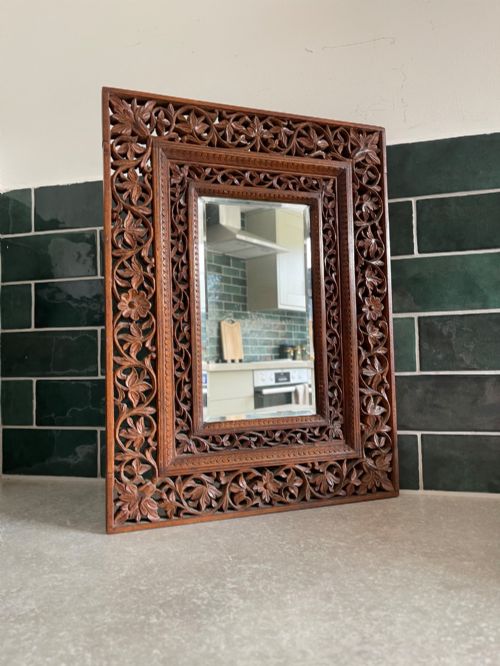
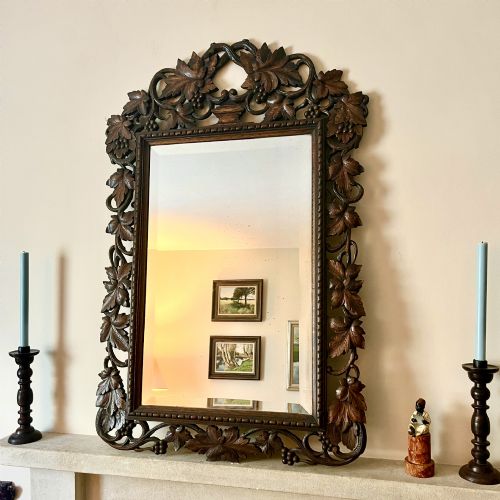
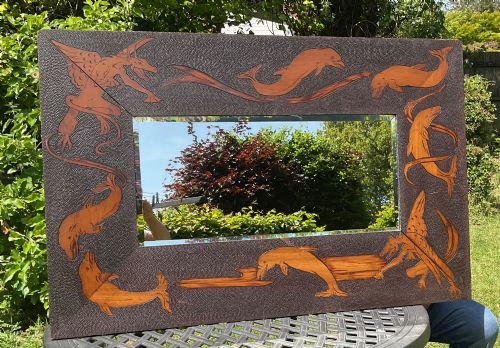
A hand carved timber mirror is a wall-hanging or overmantel looking glass framed in sculpted wood, representing various regional traditions from the nineteenth century. When searching for a hand carved timber mirror, buyers encounter regional works ranging from European Black Forest bird of prey frames to intricate North Indian carvings.
The selection includes diverse regional styles such as Arts and Crafts dragon and dolphin motifs, Italian limewood compositions, and French provincial gilded frames. Oak, walnut, teak, and hardwood form the primary structural timbers supporting these decorative mirrored surfaces.
Wall mirrors, overmantel mirrors, and wall sconces dominate the available forms, reflecting nineteenth-century domestic interior tastes. Victorian and Arts and Crafts examples sit alongside Anglo-Indian and continental European productions.
How they were made
Carpenters and carvers utilised dense hardwoods including oak, walnut, teak, and limewood to construct these frames. Artisans shaped the timber by hand, employing gouges and chisels to achieve high-relief foliage, animals, and figurative elements.
Surfaces received various treatments depending on the regional origin and style, ranging from polished natural grain in Black Forest pieces to gilded finishes on French and Italian frames. Mirror glass was then fitted into the carved timber rebate, often secured with traditional backing boards.
Watch out for watchful birds of prey peering out from your wall; Black Forest carvers took immense pride in giving their wooden owls an unsettlingly direct gaze.
What varies in quality
Depth and precision of the carving separate ordinary joinery from exceptional sculptural work, particularly in Black Forest and Italian limewood pieces. The crispness of undercut foliage and the naturalistic proportion of carved animals indicate the carver's level of skill.
Selection of the base timber impacts the character and longevity of the frame, with well-figured walnut and quarter-sawn oak holding finer detail than softer woods. Original gilding and untouched surface patination contribute significantly to the visual integrity of the object.
The Hand Carved Timber Mirror Glossary
- Overmantel mirror
- A large wall glass designed specifically to hang above a fireplace mantelpiece. These pieces often feature extended horizontal proportions to match the width of the hearth below.
- Limewood
- A pale, fine-grained timber favoured by European carvers for its lack of prominent grain and soft working properties. It allows intricate undercut details without splitting.
- Black Forest carving
- A nineteenth-century style of woodwork originating from the Brienz region of Switzerland, typically featuring naturalistic animals and foliage carved in high relief. Bears and birds of prey are common motifs in this tradition.
- Rebate
- The recessed channel cut into the back inner edge of the timber frame to hold the mirror glass securely in place. Traditional frames use wooden slips or pins to retain the glass within this groove.
Hand Carved Timber Mirror: Frequently Asked Questions
How do I hang a heavy carved wooden mirror?
Heavy carved timber mirrors require secure wall fixings distributed evenly to support the combined weight of dense hardwood and glass. Professional mirror hangers utilise heavy-duty wall anchors and brackets screwed directly into structural wall studs or masonry.
Positioning the piece at eye level ensures proper reflection while preventing strain on the hanging wire or integrated wooden brackets. Overmantel mirrors need particularly robust support given their substantial dimensions.
How should I clean a historic carved frame?
Dust accumulated within deep wooden carvings requires a soft, dry artist's paintbrush or feather duster to lift particles without catching on historic fibres. Avoid liquid cleaners and harsh chemical polishes that can soften aged wax finishes or damage exposed timber.
If the timber appears dry, microcrystalline wax applied sparingly with a soft cloth helps nourish the wood. Glass components can be cleaned with standard glass cleaner applied to a cloth rather than sprayed directly onto the frame.
Are these mirrors made from solid wood?
Nineteenth-century frames in this selection utilise solid timbers such as oak, walnut, teak, and limewood rather than manufactured composite boards. Hand carving requires solid material to achieve the depth and relief seen in Black Forest and Italian pieces.
Different regional workshops selected native hardwoods available to their local craftspeople, resulting in varied weight and grain characteristics across the styles.
How do I date a carved timber mirror?
Dating relies on stylistic indicators, construction techniques, and the characteristics of the mirror glass itself. Nineteenth-century pieces often display hand-cut joinery, specific regional motifs like Arts and Crafts dragons, or characteristic Black Forest fauna.
Backing boards, fixing methods, and the type of timber used provide additional physical clues to the period of manufacture.