






Vintage Oval Oak Table
A vintage oval oak table brings dependable utility and rich timber grain to a room, ranging from compact occasional pieces to large dining formats.
Vintage Oval Oak Table
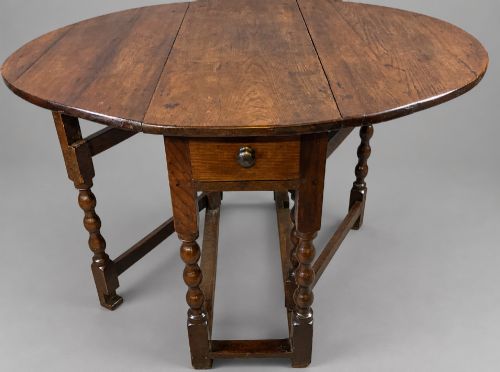
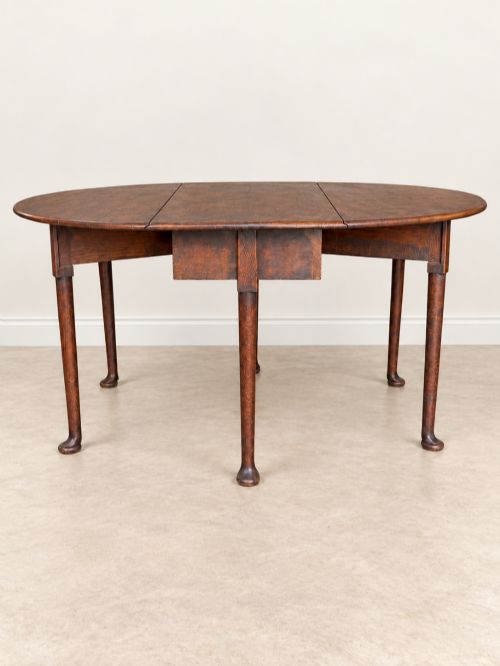
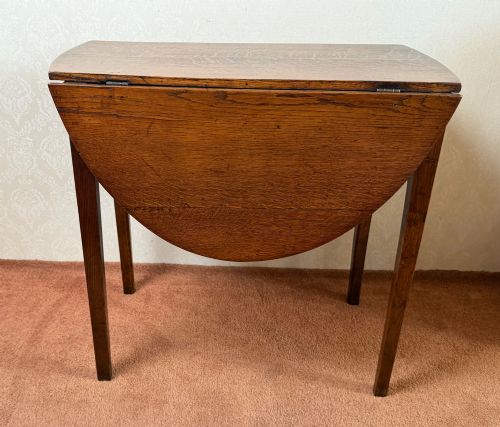
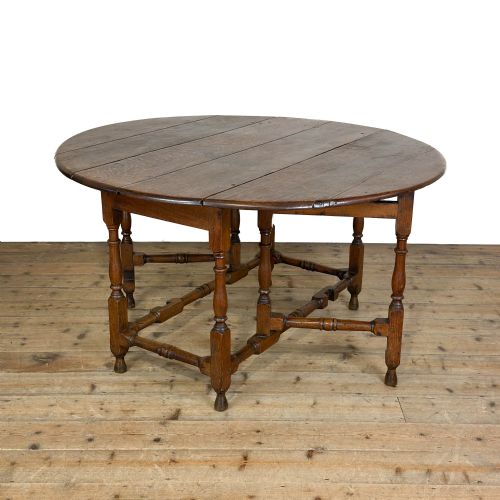
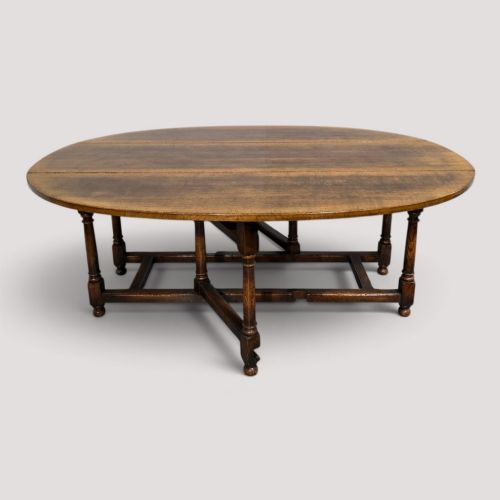
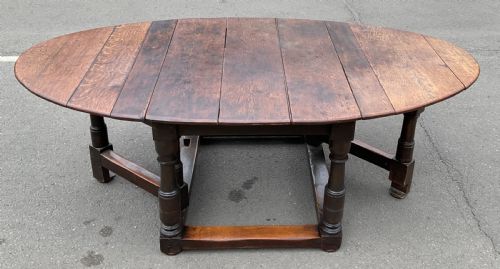
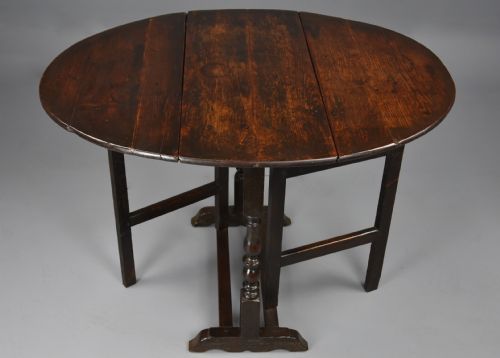
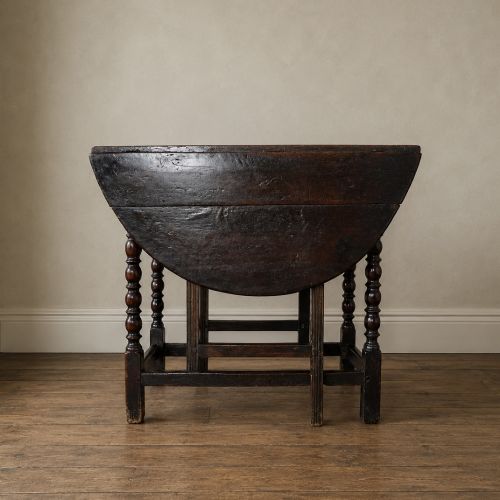
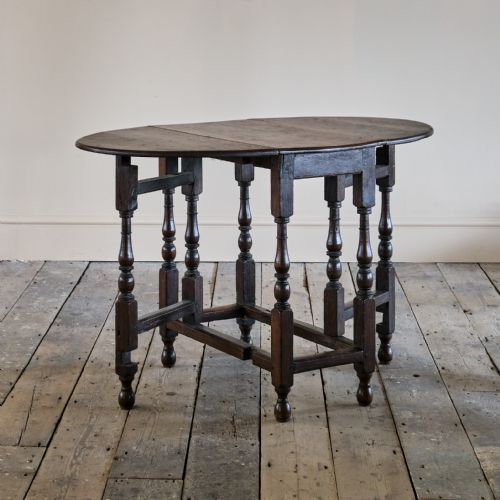
A vintage oval oak table typically manifests as a drop leaf, gateleg, or side table originating from periods spanning the seventeenth century through to the early twentieth century. Buyers seeking this search phrase encounter numerous Edwardian and nineteen-twenties examples alongside earlier seventeenth and eighteenth-century forms.
The selection includes dining tables, coffee tables, and occasional furniture built with functional oval surfaces. Gateleg and drop leaf mechanisms dominate the older formats, allowing users to alter the footprint of the table as space requires.
Origin points range from English workshops utilising local timber to French farmhouse and monastery styles. These pieces serve practical household roles while displaying the robust character inherent in period woodwork.
Assessing the Standard
Quality rests in the integrity of the timber selection, the stability of the folding or gateleg mechanisms, and the depth of the original patina. Superior examples maintain uncompromised structural frames and smooth operating drop leaves without excessive modern intervention.
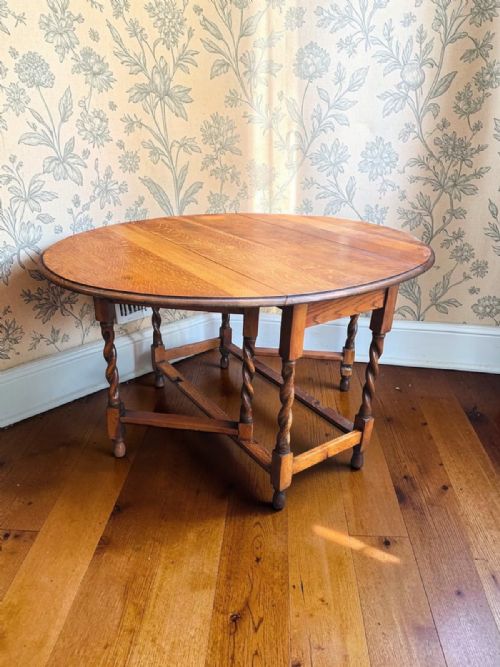
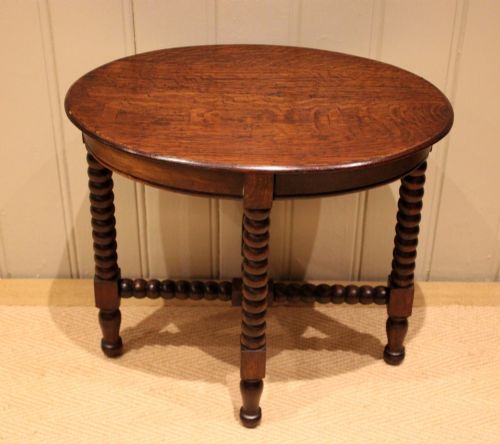
The refinement of the turning on legs, such as intricate barley twists, and the preservation of authentic surface ageing distinguish finer examples from standard utilitarian items.
Vintage Oval Oak Table Retail Price Guide 2026
Typical asking prices for vintage oval oak table among the pieces listed under this phrase on Sellingantiques today, from the lower quarter to the upper quarter. They describe what is for sale here now, not the wider market.
Current listings feature oak tables spanning from the seventeenth century through to nineteen-sixty, incorporating brass and iron hardware.
The Vintage Oval Oak Table Glossary
- Gateleg table
- A table with hinged drop leaves supported by swing-out legs that pivot from the central frame. This design allows the surface area to expand or contract according to domestic needs.
- Barley twist
- A spiral turning carved into furniture legs or stretchers resembling the twist of barley stalks. This decorative technique became prominent during the seventeenth century and saw a major revival in Edwardian design.
- Drop leaf
- A hinged section of a table top that folds down when not in use. It provides flexible sizing for smaller rooms.
- Patina
- The surface sheen and coloration developed by timber over decades of handling, light exposure, and polishing. It serves as an indicator of age and consistent maintenance.
- Monastery table
- A long, heavy dining table designed for communal dining spaces. These pieces utilise substantial timber planks and sturdy stretcher bases.
Vintage Oval Oak Table: Frequently Asked Questions
How do I spot a seventeenth century gateleg table?
Seventeenth century gateleg tables display pegged frame construction, hand- turned stretchers, and deep timber patination developed over centuries of use.
Examining the underside reveals hand-planed boards and tool marks consistent with period carpentry rather than modern machine production.
Are barley twist legs Edwardian or seventeenth century?
Barley twist legs originate in the seventeenth century during the Jacobean period but experienced a widespread revival during the Edwardian era and the early twentieth century.
The construction details and timber wear help differentiate an original seventeenth century twist from a later revival piece.
Can I use an antique gateleg table for daily dining?
Gateleg tables provide sturdy surfaces suited to daily meals, provided the swing-out leg hinges remain aligned and secure. The drop leaf mechanism allows the table to sit compactly against a wall when full dining capacity is not required.
Placing heat mats on the surface protects the antique wax or polish finish from hot dishes.
What is the difference between a wake table and a gateleg table?
A wake table is an elongated dining table, often featuring multiple pairs of legs or swing-out supports designed to seat large gatherings. While some gateleg tables are large enough to be called wake tables, standard gatelegs typically fold down into more compact footprints.
Both utilise solid oak construction across the historical periods represented on this page.