


Vintage Oval Flap Table
A vintage oval flap table offers versatile folding leaves and graceful curves, suiting compact rooms and traditional spaces alike.
Vintage Oval Flap Table
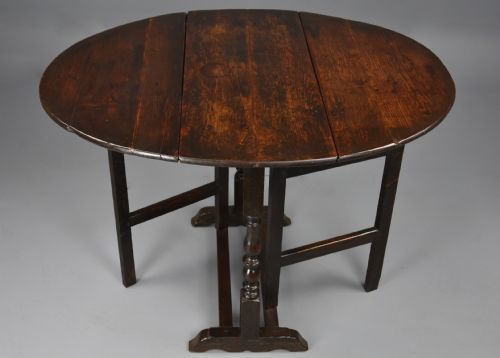
When you search for a vintage oval flap table, you encounter folding surfaces designed to expand seating or workspace on demand. These pieces span from the seventeenth century through the mid-twentieth century, encompassing centuries of domestic woodworking tradition.
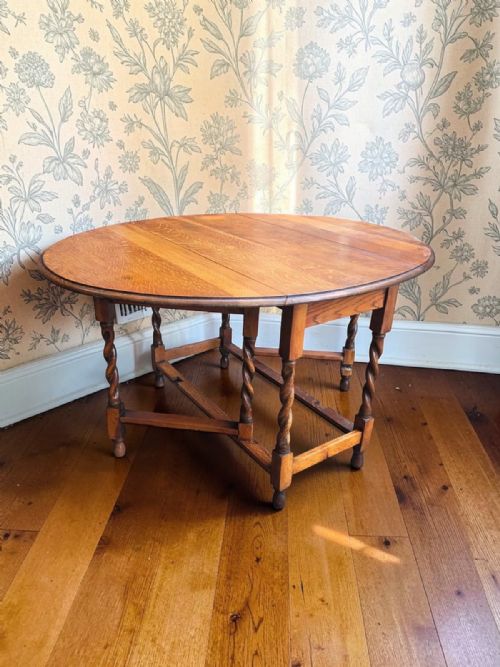
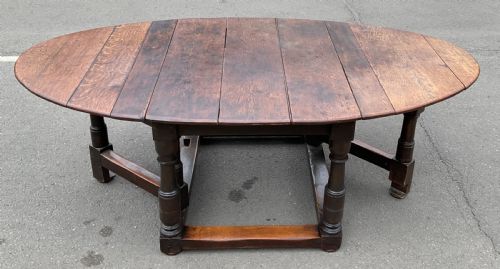
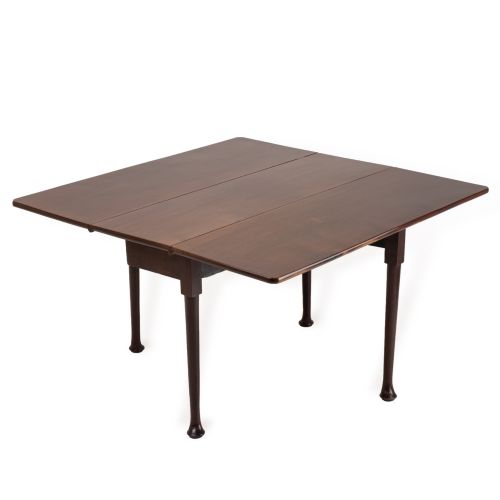
The versions most frequently met on this page are oak gateleg dining tables and mahogany drop-leaf designs. They appear in forms ranging from small occasional tables to large dining surfaces suitable for multiple guests.
Originating largely from English workshops, these tables demonstrate practical ingenuity through hinged flaps supported by pivoting legs or gates. They bridge the gap between compact storage and generous hospitality.
Materials and construction methods
Carpenters built these tables predominantly from solid oak and rich mahogany, occasionally incorporating walnut, satinwood, and delicate wood inlay. Timber selection dictated both the structural integrity and the visual warmth of the finished furniture.
Joinery relied on sturdy pegged frames, hinged drop leaves, and supportive gateleg mechanisms designed to bear weight when extended. Turned elements such as barley twist legs also appear, adding decorative flourish alongside functional strength.
Some seventeenth-century oak tables survived centuries of family feasts simply because their heavy timber was too stubborn for anyone to throw away.
Measures of quality and distinction
Quality rests upon the selection of timber, the crispness of turned details like barley twists, and the integrity of the pivoting gateleg mechanism. Superior examples display thoughtful grain matching across the oval leaves and the central top.
The preservation of original surface patination and historical hardware distinguishes exceptional pieces from later restorations. Solid timber construction throughout the frame and leaves signifies enduring craftsmanship.
The Vintage Oval Flap Table Glossary
- Gateleg table
- A table with hinged flaps supported by hinged legs that swing out like gates. This clever design provides robust support for the drop leaves when open.
- Drop-leaf table
- A table featuring a fixed centre section and two hinged flaps that fold down. It allows the footprint of the furniture to be reduced significantly when not in use.
- Barley twist
- A spiral turning carved into furniture legs or stretchers. This decorative technique became popular in seventeenth-century English joinery and later revivals.
- Marquetry
- Decorative veneer work arranged in intricate patterns on wooden surfaces. Craftsmen utilised contrasting woods to create pictorial or geometric designs.
- Wake table
- A large oval dining table designed to accommodate numerous guests. These extended surfaces often feature multiple gatelegs for extra stability.
Vintage Oval Flap Table: Frequently Asked Questions
How do I use a gateleg table daily?
Keep the flaps folded down against a wall to save floor space in smaller rooms. Simply lift the leaves and swing out the supporting gatelegs whenever you need a larger surface for dining or working.
Ensure you distribute weight evenly across the folding joints and avoid placing excessive heavy loads on the unsupported outer edges of the leaves.
What is the difference between oak and mahogany versions?
Oak tables generally date from the seventeenth and eighteenth centuries, exhibiting visible grain and sturdy rustic character. Mahogany examples frequently align with the Georgian period or later revivals, offering a smoother reddish-brown finish.
Choose oak if you prefer heavy vernacular furniture with historical depth, or select mahogany for refined dining rooms with classic formal styling.
How do I identify a seventeenth century piece?
Look for heavy solid oak construction, hand- turned structural elements, and pegged joinery methods rather than modern metal screws. Original surfaces often display deep patination and signs of honest historical wear.
Consult the overall proportions and hinge types, as early seventeenth-century examples utilise simpler iron or wooden pivot systems before later mechanical refinements.
Can I fit a large gateleg table in a modern kitchen?
Many gateleg designs fold down into remarkably narrow consoles that tuck neatly against kitchen or hallway walls. Measuring your available floor space with the leaves fully extended ensures comfortable clearance for chairs.
Consider the placement of the gatelegs underneath, as diners need adequate legroom when the table is opened to its full oval capacity.