

Vintage Oval Dining Table
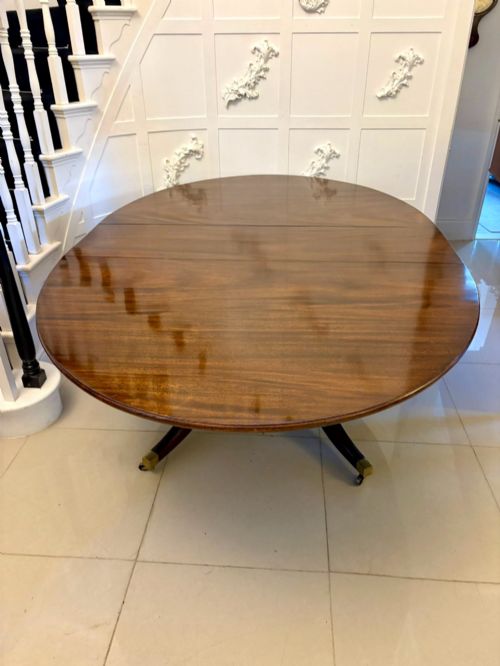
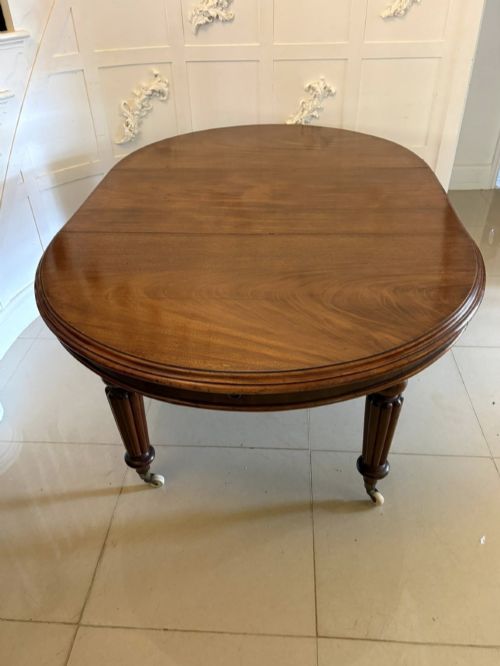
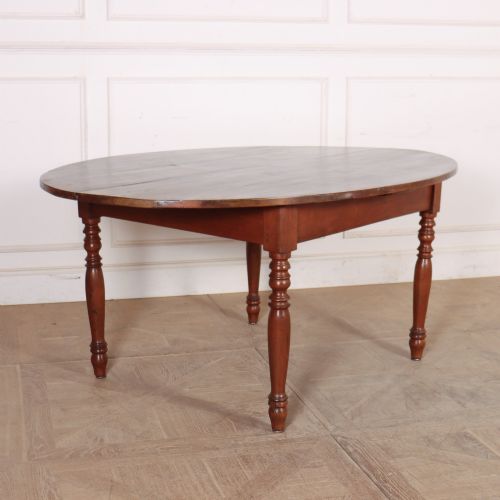
A vintage oval dining table brings warmth to a room, offering generous seating for gatherings while softening the geometry of an interior.
Vintage Oval Dining Table
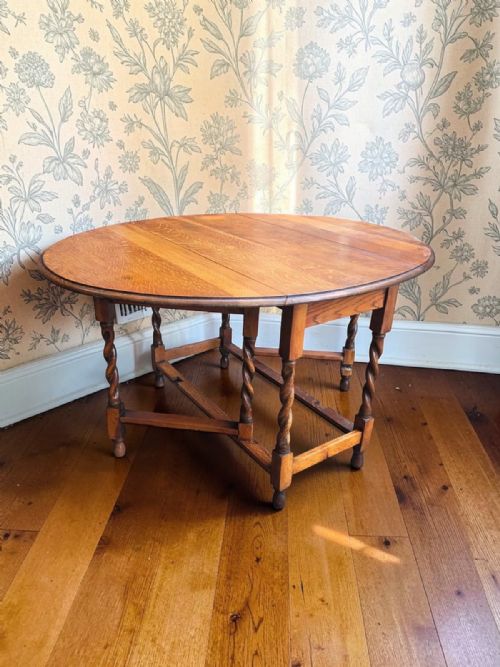
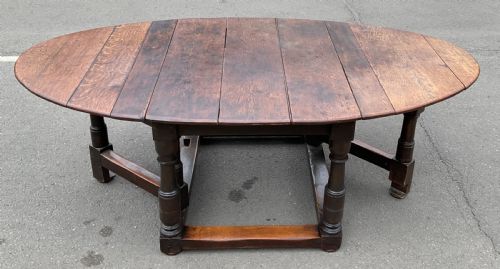
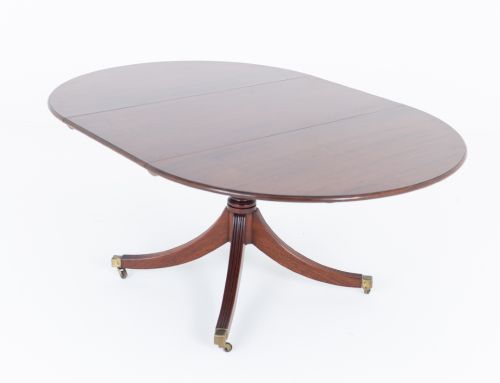
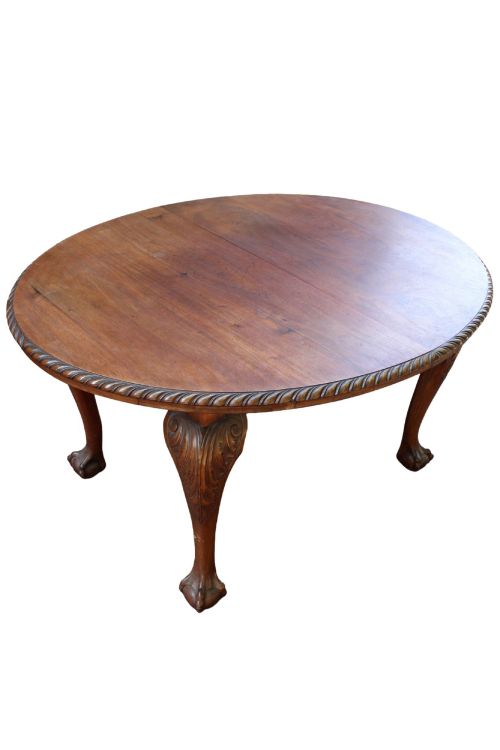
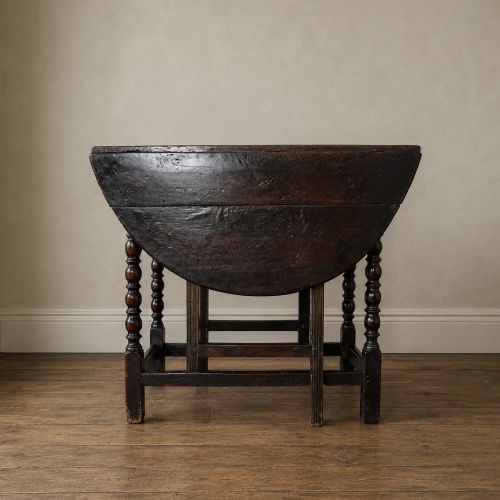
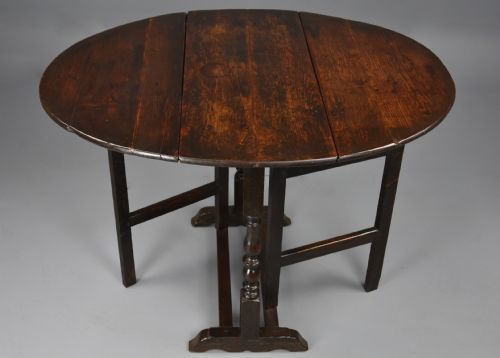
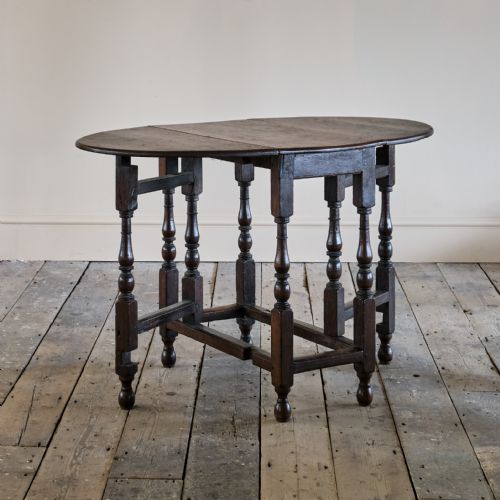
When you search for a vintage oval dining table, you encounter a variety of forms spanning centuries of craftsmanship. The selection ranges from substantial oak gateleg designs of the seventeenth century to extending mahogany tables from the Victorian and Edwardian eras.
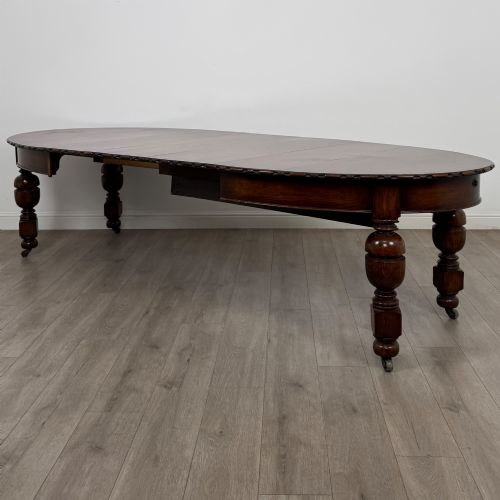
You are most likely to meet extending mahogany tables supported by wind-out mechanisms or twin pillars, alongside sturdy oak gatelegs that fold down for versatility. These pieces served grand dining rooms and modest homes alike, adapting to daily meals and large assemblies.
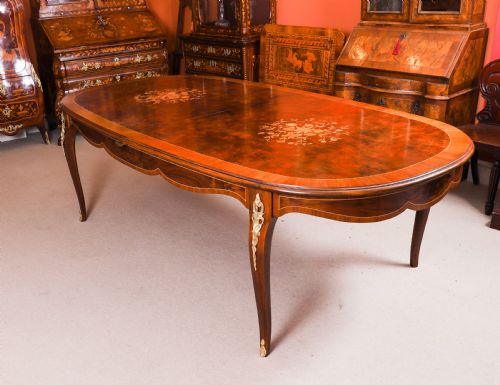
The materials and styles reflect the periods of their creation, encompassing Georgian elegance, Victorian utility, and Art Deco walnut suites. Each piece retains the proportions and structural integrity intended by its maker, designed to anchor a modern dining space.
What separates the grades
The distinction between ordinary and exceptional pieces lies in the selection of timber and the precision of the mechanics. Superior tables display continuous grain matching across leaf extensions and smooth operation in wind-out systems.
Construction details such as solid secondary timbers, hand-cut joints, and well-preserved original patination elevate a piece. Lesser examples often show uneven fading, replacement hardware, or instability in the folding and extending frames.
Listings feature timbers including mahogany, oak, walnut, and burr walnut, spanning the seventeenth century to the Art Deco period.
The Vintage Oval Dining Table Glossary
- Gateleg table
- A table with hinged leaves supported by swing-out legs that resemble a gate. This design allowed tables to fold flat against walls when not in use.
- Wind-out table
- An extending dining table operated by a detachable metal handle that turns an internal wooden screw mechanism. This action draws the table halves apart to insert central leaves.
- Tilt-top table
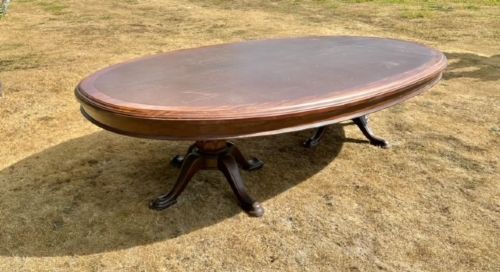
- A table with a tabletop that pivots vertically on a central catch for storage. These are commonly found on pillar bases in Victorian drawing rooms.
- Patina
- The deep sheen and surface character acquired by timber through age, handling, and regular waxing. It forms a protective layer unique to antique wood.
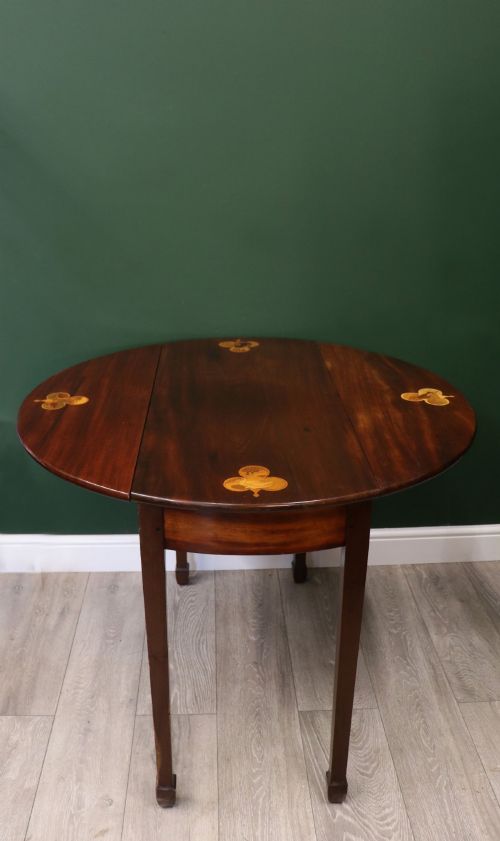
- Pembroke table
- A small occasional table featuring two hinged drop leaves on opposing sides. They often include a single drawer and slender tapering legs.
Vintage Oval Dining Table: Frequently Asked Questions
How do I operate an extending table?
Most antique extending tables utilise a wind-out mechanism turned with a metal key. This action separates the ends to accommodate drop-in leaves.
Once the leaves are secured by alignment pins, the crank is turned in reverse to lock the frame tightly together.
Can I seat six people comfortably?
Many vintage tables accommodate six or more diners, particularly gateleg and extending formats. The absence of corner legs on central pillar or gateleg designs maximises legroom.
Checking the length between the table base supports ensures standard dining chairs fit underneath.
How do I care for antique timber?
Polishing the surface with beeswax preserves the moisture in mahogany and oak while maintaining the natural sheen. Avoid placing wooden tables near direct heat sources to prevent warping.
Using coasters and placemats protects the polished finish from moisture rings and thermal marks.
Are gateleg tables stable?
Gateleg tables achieve stability through pivoting wooden legs that swing out to support the drop leaves. The weight of solid oak or mahogany keeps the frame grounded during meals.
Checking the swing joints ensures the pivoting legs lock securely into their intended vertical positions.
What is a tilt-top mechanism?
A tilt-top mechanism allows the central table surface to pivot upright on a pivot block attached to the pedestal. This function enabled tables to be stored against walls in smaller rooms.
A brass catch or wooden wedge secures the top flat when returned to the dining position.