
Vintage Outdoor Bench
A vintage outdoor bench anchors a garden with character, offering sturdy seating shaped by decades of weathering.
What a vintage outdoor bench is
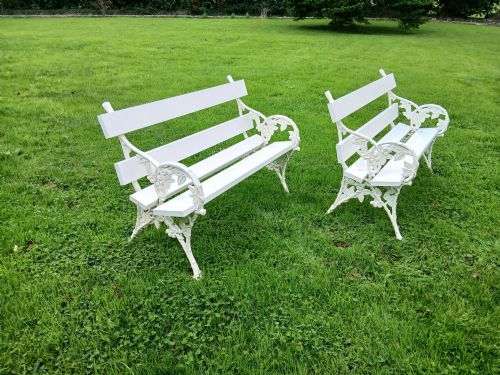
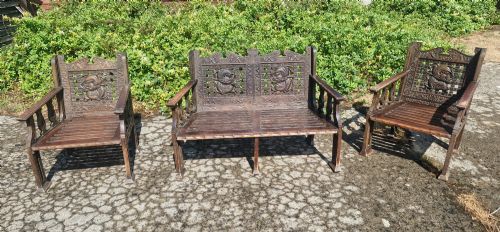
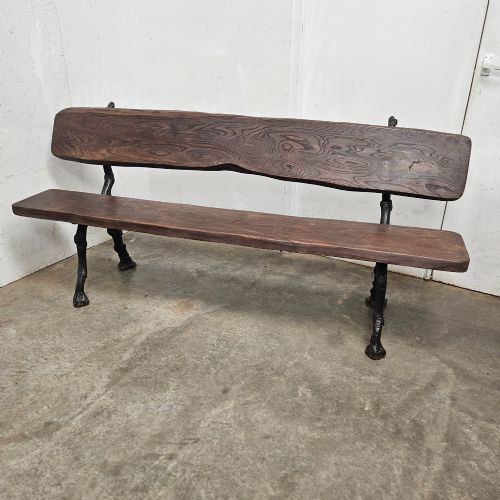
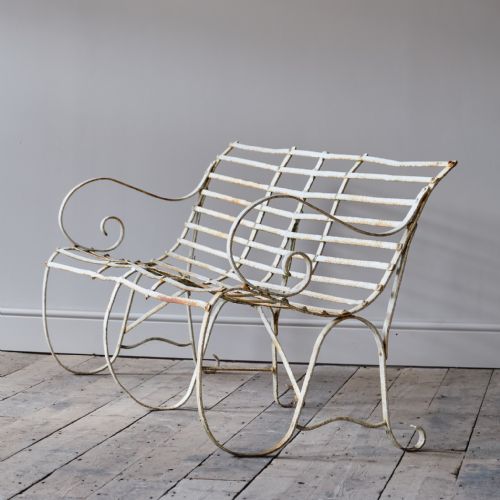
A vintage outdoor bench brings architectural presence to a garden, terrace or patio through enduring forms. These seats combine sturdy frames with slatted or solid timber surfaces designed to withstand the elements.
The selections here span the nineteenth century, the Edwardian era and the nineteen-twenties, presenting varied approaches to outdoor comfort. Styles range from formal Victorian and English country house designs to rustic French country interpretations.
Makers utilised resilient materials to ensure longevity outdoors, pairing metals with durable hardwoods. Each piece reflects the functional requirements of park, patio and garden settings across distinct historical periods.
How they were made
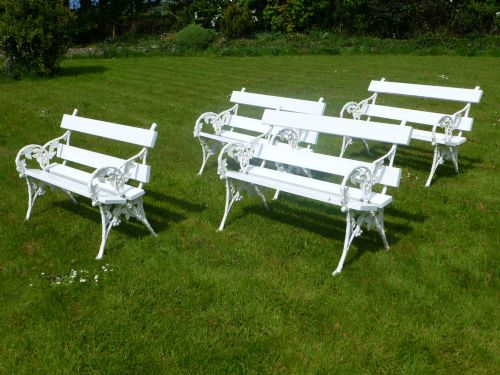
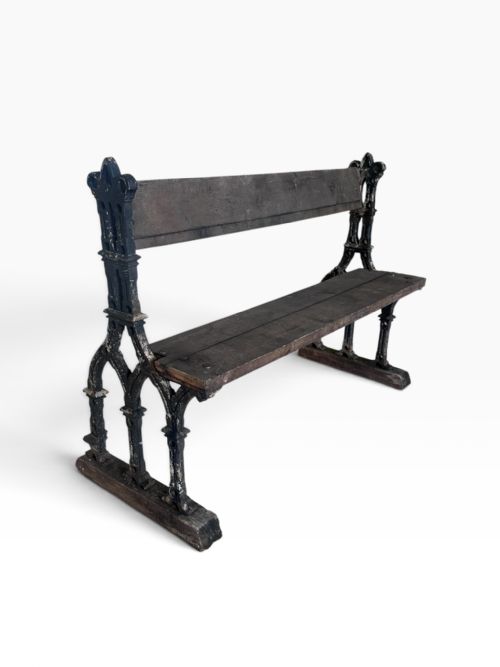
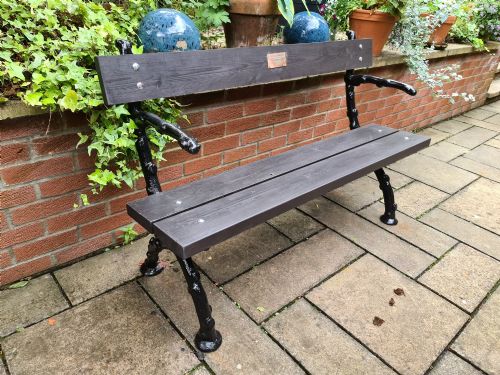
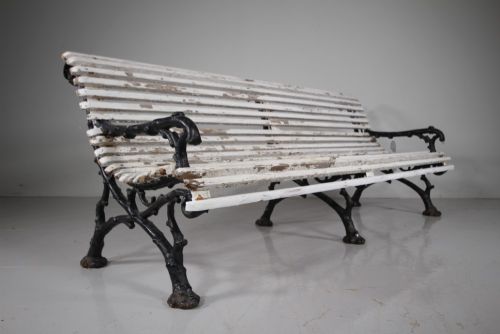
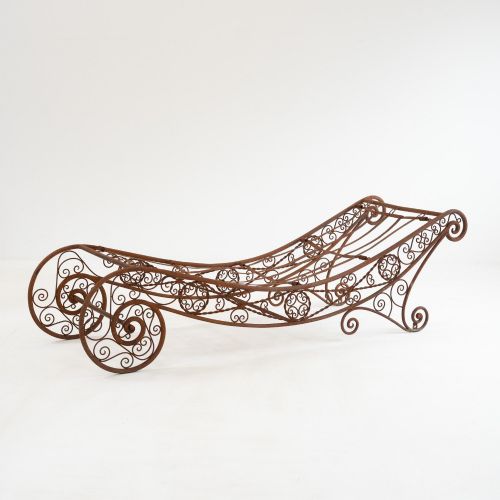
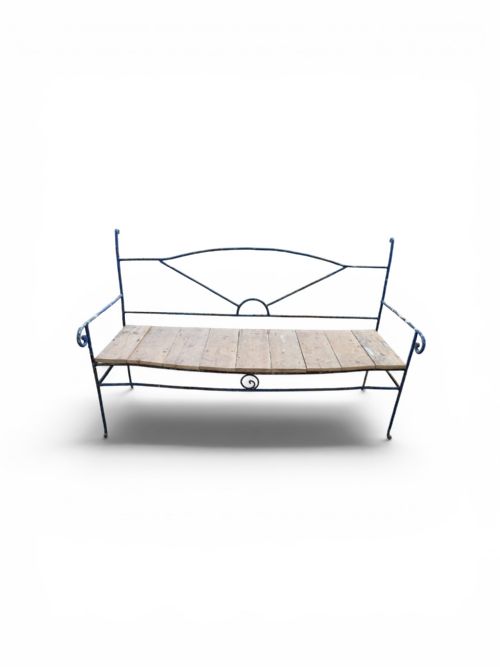
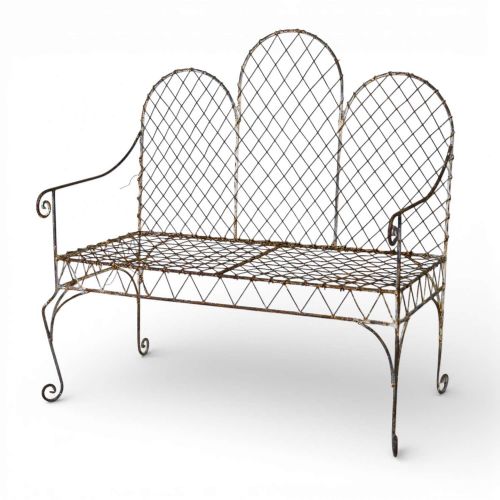
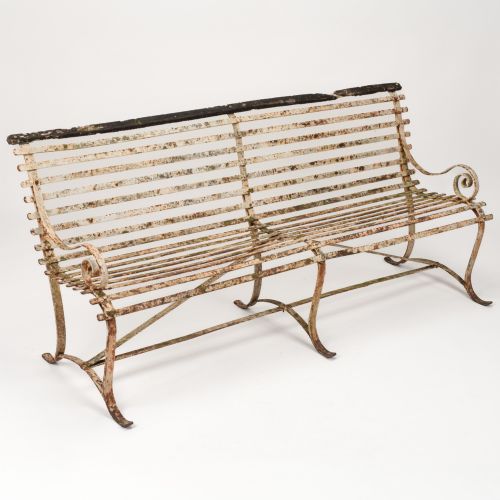
Construction relies heavily on cast iron and wrought iron for structural supports and decorative ends. These metal components provide the weight and rigidity necessary for permanent outdoor placement.
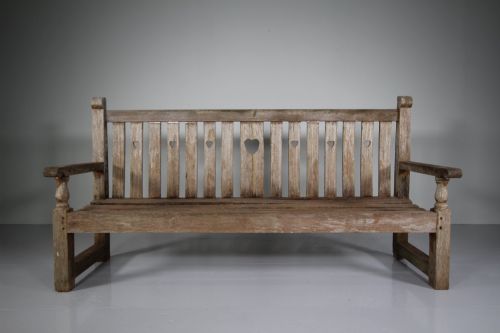
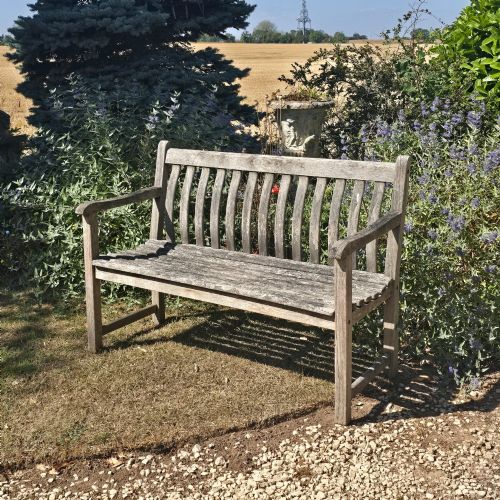
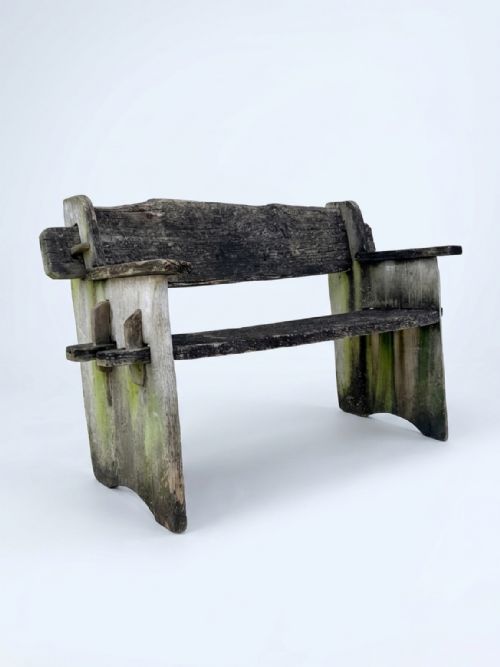
Wood elements incorporate teak, teak wood and elm for seat slats and backs, valued for their natural resistance to moisture. Artisans fastened these timbers securely to metal frames using traditional mechanical fixings.
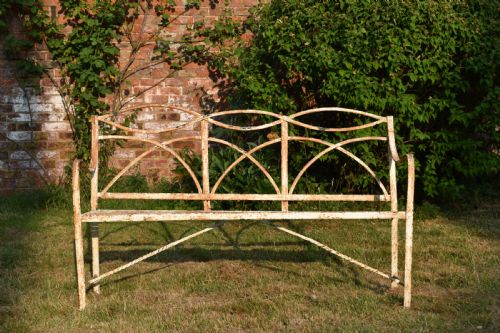
Surface treatments include layers of original paint on ironwork alongside weathered and silvered finishes on exposed timber. These patinas develop naturally through exposure to weather over many years.
Retail Price Guide 2026
Typical UK retail prices for vintage outdoor bench, calculated from the Sellingantiques database of over a million retail prices indexed since 2003. This retail price guide relies exclusively on Sellingantiques data; no external sources or auction records are used, so the figures do not describe the wider market.
Some iron benches preserve multiple coats of garden green paint, stubbornly clinging to the metal like stubborn moss.
What varies in quality
Quality rests in the integrity of the original materials, where dense hardwoods like teak and elm retain structural soundness despite weathering. The complexity of ironwork, from simple scrollwork to elaborate Victorian castings, also marks the tier of a piece.
The preservation of original surface finishes, such as untouched layers of paint on wrought iron, separates standard examples from those with exceptional visual depth. Structural harmony between the metal supports and wooden slats determines the overall balance of the design.
The Vintage Outdoor Bench Glossary
- Cast iron
- A sturdy metal alloy poured into moulds to create decorative bench ends and structural supports. It provides substantial weight for garden placement.
- Wrought iron
- Iron heated and hammered into shape by hand, often featuring scrollwork and intricate details. This material offers both flexibility in design and strong durability.
- Teak
- A dense, oil-rich hardwood prized for outdoor use due to its resistance to rot and weathering. Over time, it develops a characteristic silvered patina.
- Faux bois
- A decorative technique mimicking wood grain using other materials such as concrete or metal. It appears on French country garden pieces.
- Patina
- The surface appearance acquired by materials through age, wear and exposure to the elements. Collectors value this indicator of authenticity and history.
Frequently Asked Questions
Are these benches suitable for year round outdoor use?
Materials like cast iron, wrought iron and teak are naturally resilient against the elements. They endure outdoor placement through changing seasons without requiring constant shelter.
However, extreme weather can affect wooden components over many decades. Regular seasonal checks help maintain their structural integrity.
How do I maintain the weathered finish on teak?
The silvered appearance of aged teak develops naturally through exposure to sunlight and rain. Many owners prefer to leave this patina untouched to preserve the historic character.
Applying oils is unnecessary unless you wish to alter the surface colour. Most care involves simple cleaning to remove debris.
How can I tell a Victorian bench from a later piece?
Victorian examples often feature heavy cast iron frames with ornate botanical or geometric motifs. The construction methods reflect nineteenth-century foundry practices and joinery.
Later pieces from the Edwardian period or the nineteen-thirties tend towards lighter profiles. Examining the style and metal casting techniques clarifies the period.
Can I use an antique garden bench inside the house?
These benches transition successfully into hallways, conservatories and boot rooms. Their robust frames and distinctive patinas add architectural interest to interior spaces.
Protecting delicate floors from heavy iron feet is advisable when placing them indoors. Their substantial weight makes them stable seating options.