

Vintage Original Landscape Artwork
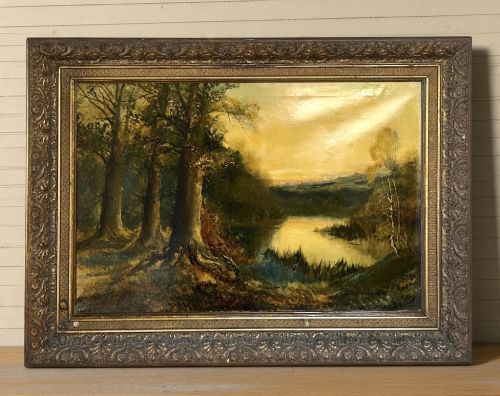
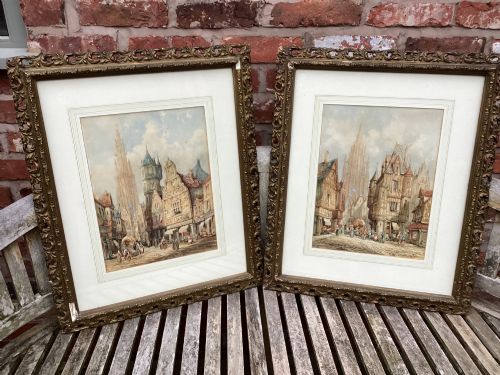
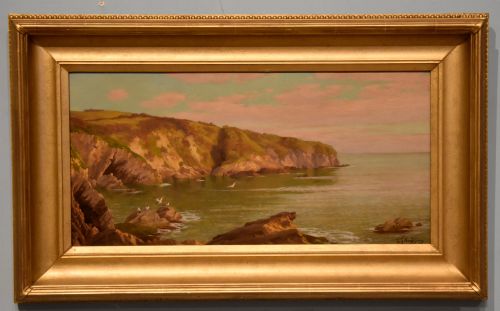
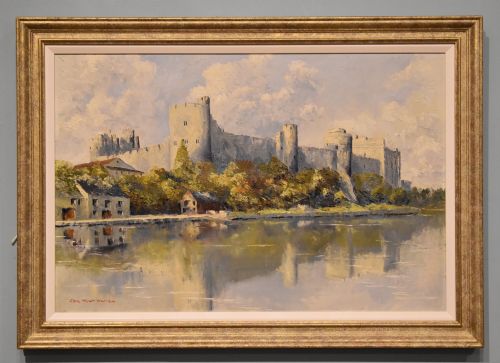
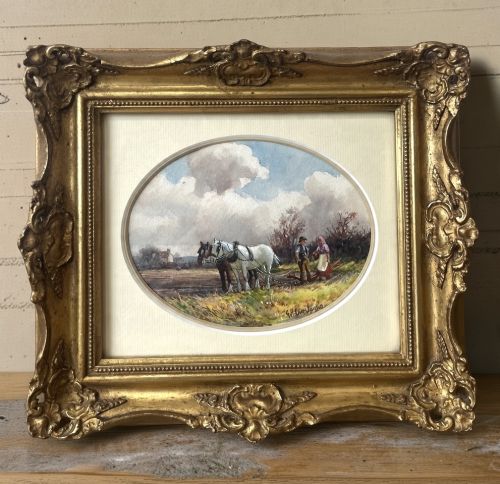
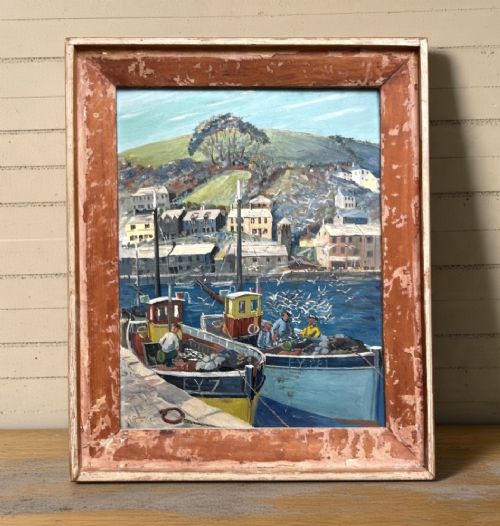
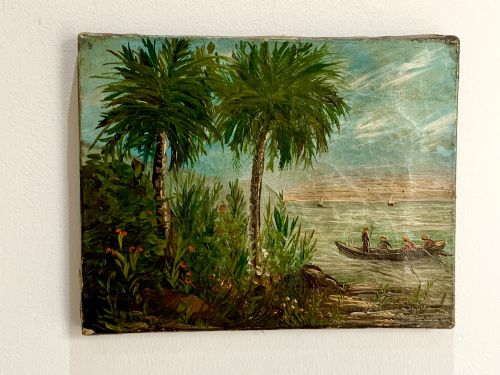
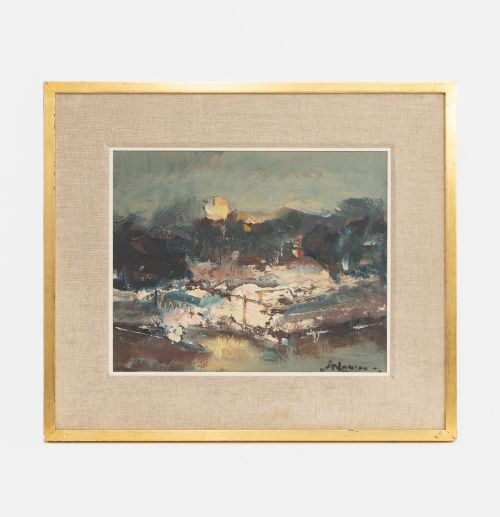
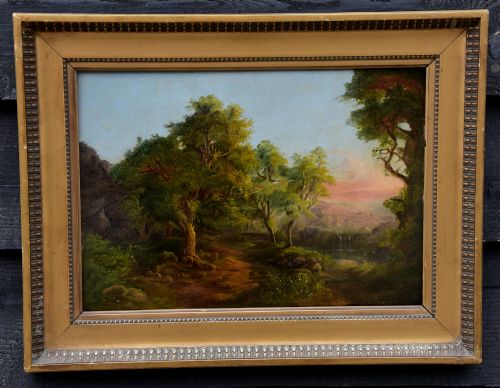
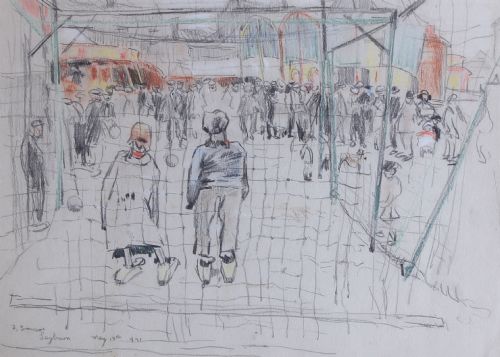
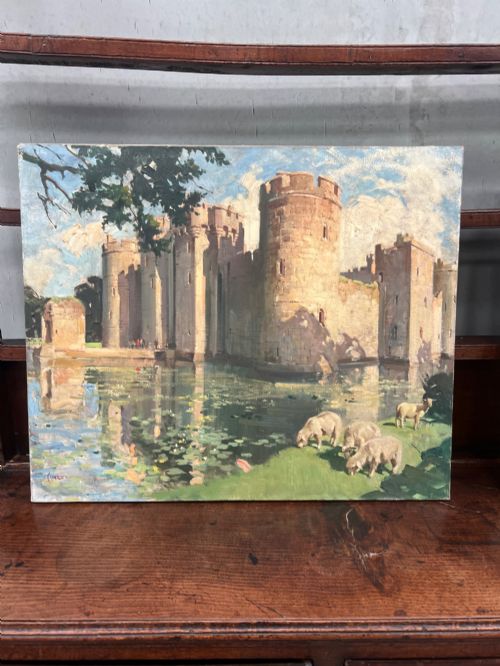
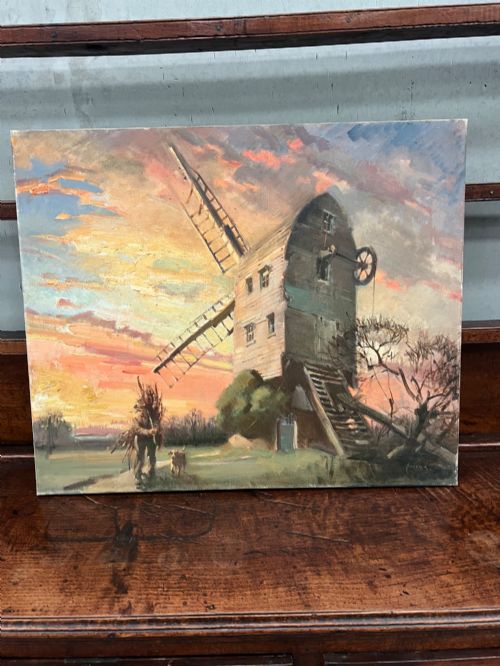
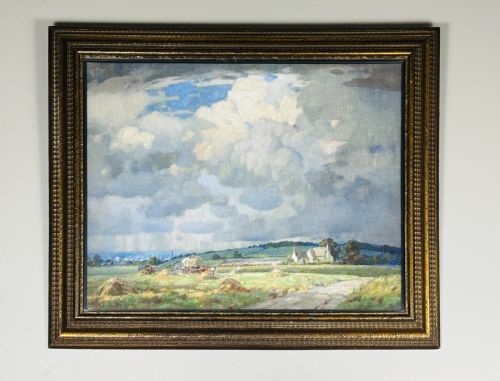
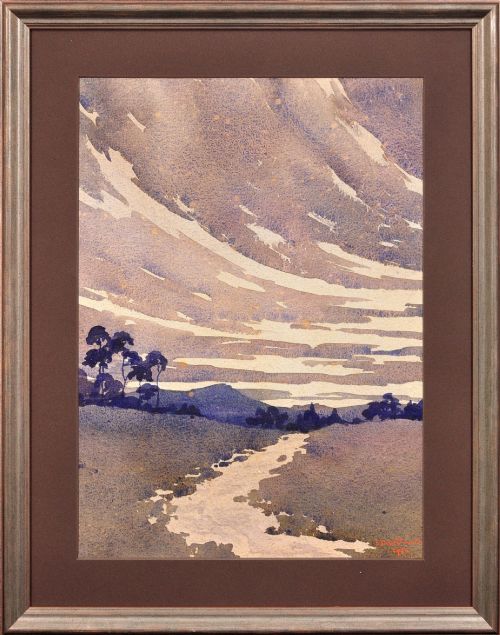
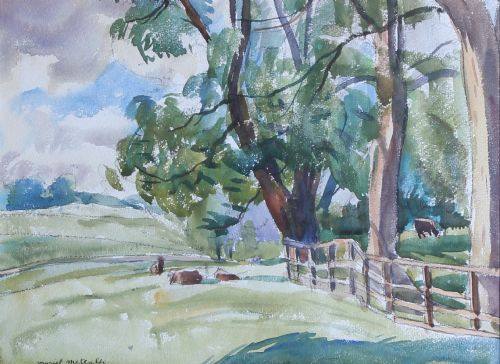
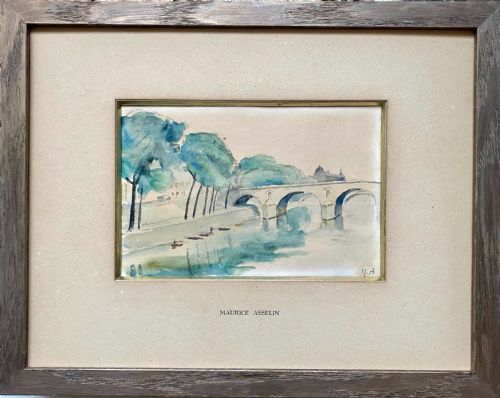
These vintage original landscape artwork pieces bring pastoral views, coastal scenes and townscapes into a room through oil, watercolour and pastel.
Vintage Original Landscape Artwork
Vintage original landscape artwork encompasses paintings and works on paper created across the nineteenth and twentieth centuries, capturing rural scenes, coastal views and architectural settings. The selection relies heavily on mid-century items, Edwardian pieces and nineteenth-century works executed in oil or watercolour.
Buyers encounter subjects ranging from Welsh coastal storms and Yorkshire winter scenes to Venetian canals and cottage gatherings. These pieces arrive framed in wood or gilt settings, preserving the individual hand of the artist across various regional British and European schools.
How these artworks were produced
Artists painted primarily in oil on canvas or board, utilising oil paint to build texture and impasto, or worked with watercolour and pastel on paper. Pigments were applied with brushes or sketching tools to capture natural light, weather conditions and topographical details.
Supports range from stretched canvas and wooden board to heavy paper sheets, often housed within period wood or gilt frames. These traditional materials reflect the standard studio practices of British and European painters active from the Victorian era through the mid-century period.
Vintage Original Landscape Artwork Retail Price Guide 2026
Typical asking prices for vintage original landscape artwork among the pieces listed under this phrase on Sellingantiques today, from the lower quarter to the upper quarter. They describe what is for sale here now, not the wider market.
Listings feature works from the 19th Century, Edwardian era and mid-20th century, executed in oil, watercolour and pastel.
What determines quality in landscape works
Quality rests upon the confidence of the brushwork, the handling of light and atmosphere, and the preservation of the pigment. Stronger examples display deliberate composition and assured tonal balance rather than rigid adherence to formulaic scenery.
The integration between the artwork and its period frame also influences the overall standard, alongside the artist's ability to render depth, weather and space convincingly within the chosen medium.
Eugene Bullio·John Shelley·Louis Reid Deuchars·Mary Seton Watts·Muriel Metcalfe·Thomas Fenwick·Moss Williams·Achille Bron·William Calcott Knell·Jean Corbeau·Evelyn Harris·Stanley Leader·Henry Lines·George F Pennington·Peggy de Brett·Angus Rands·Pieter Cornelis Steenhouwer·Philip Naviasky·Herbert Royle·George F Bird·Sir David Murray RA·William Langley·K Howitt·Thomas Rowden·Sushila Singh
The Vintage Original Landscape Artwork Glossary
- Impasto
- Paint applied thickly to a canvas or board, standing out in relief from the surface and catching the light. This technique adds tactile depth and texture to skies, water or foliage.
- Gouache
- An opaque water-based paint that produces a heavier, more solid matte finish than transparent watercolour. It is frequently combined with pastel or ink to heighten contrast in works on paper.
- Pastel
- A dry medium composed of powdered pigment and a binder, shaped into sticks for drawing. Pastels yield velvety colours and soft gradations well suited to atmospheric skies and distant hills.
- Provenance
- The documented history of ownership or the recorded origin of an artwork. Tracing provenance confirms an artist's identity and verifies the period of execution.
Vintage Original Landscape Artwork: Frequently Asked Questions
How do I date an old landscape painting?
Dating relies on stylistic clues, the composition of the pigments, and the physical characteristics of the canvas, board or paper support. Framing styles and handwritten inscriptions on the reverse often provide further chronological markers.
Examining the artist's known working period helps narrow the decade of creation. Comparing the technique to established movements like British Impressionism or Mid-Century Modernism offers additional context.
What is the difference between oil and watercolour landscapes?
Oil paintings utilise pigments suspended in drying oils on canvas or board, offering rich colours and thick textures that endure well over time. Watercolours involve water-soluble pigments on paper, creating translucent washes and lighter effects.
Watercolours require protective glass framing to prevent moisture damage and fading from light. Oils remain sturdier and can be cleaned more readily by a professional conservator.
How should I care for antique paintings?
Protect artworks from direct sunlight and fluctuating humidity to prevent the canvas from sagging or the paper from yellowing. Keep pieces away from direct heat sources and damp walls.
Dust surfaces gently with a soft, dry brush without applying pressure. Avoid using liquid cleaners or household sprays on the painted surface.