
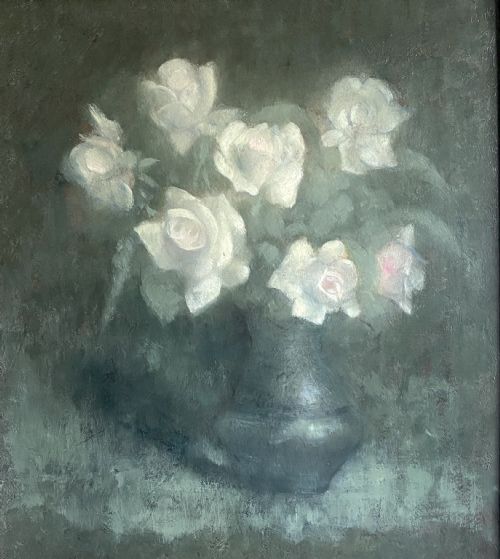
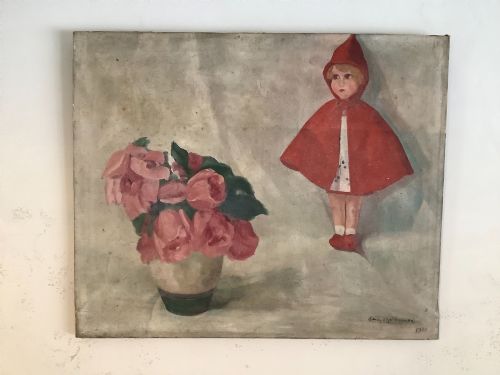
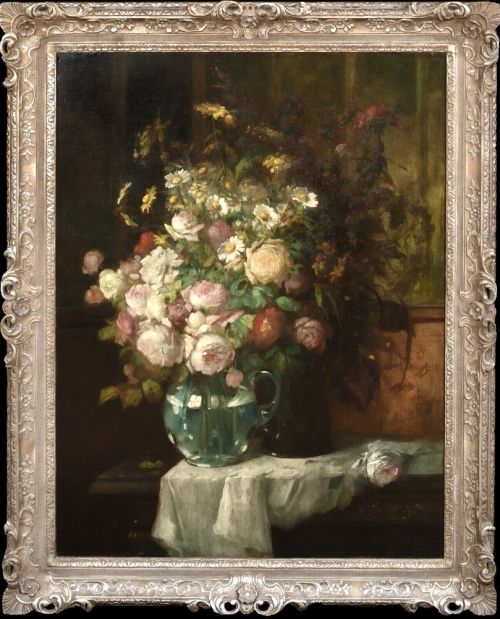
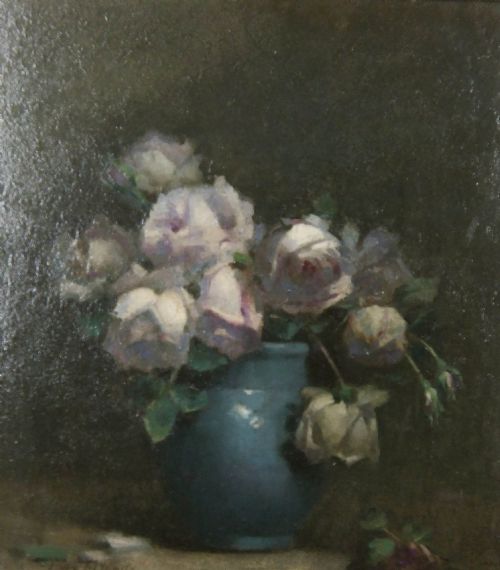
Vintage Original Floral Painting
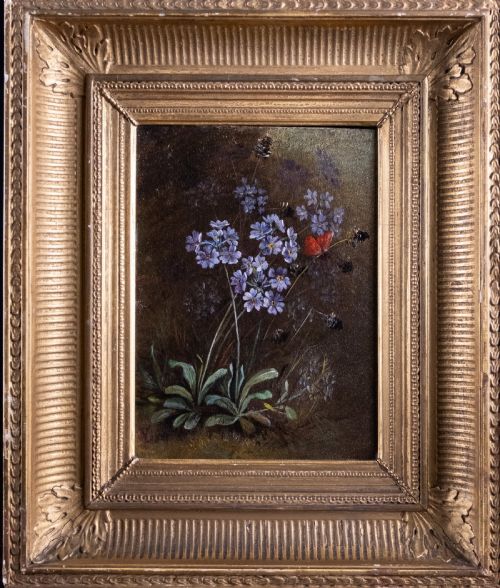
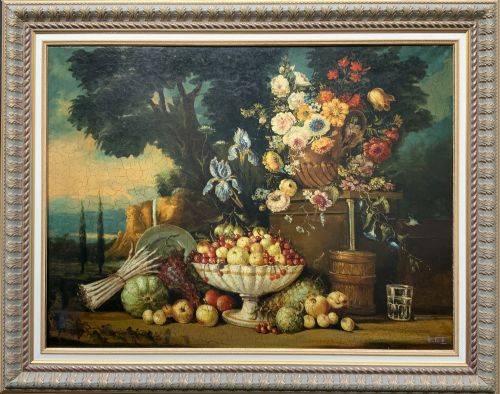
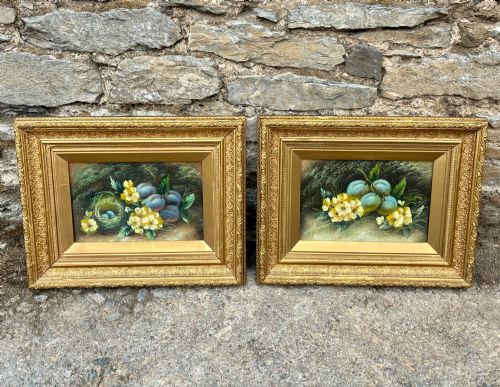
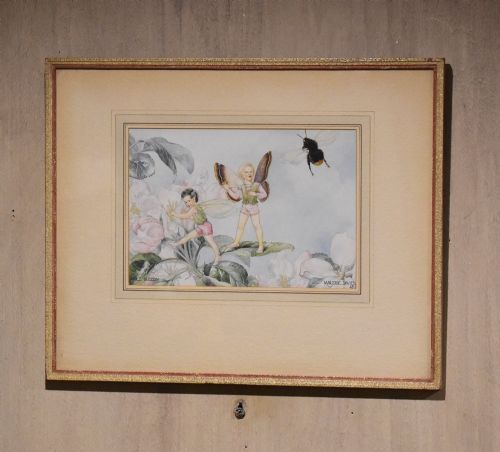
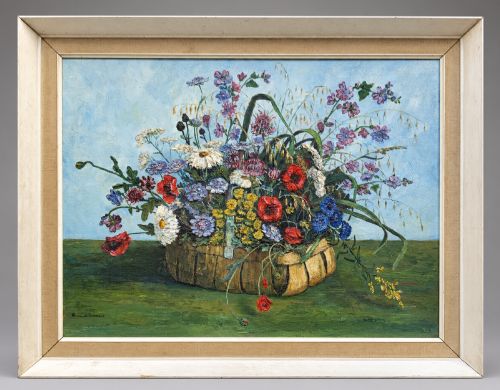
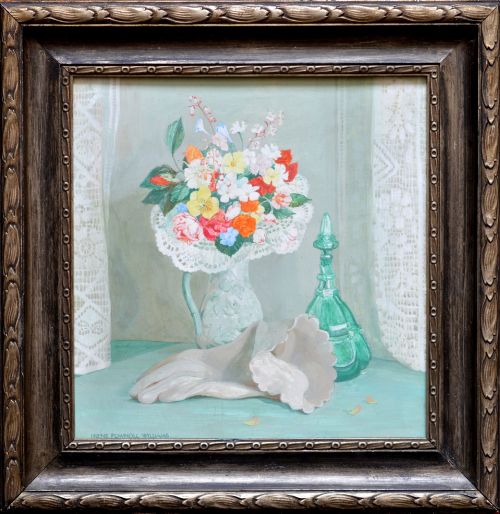
These vintage original floral painting selections bring canvas, paper, oil, and watercolour works of botanical subjects into a room.
Vintage Original Floral Painting
A vintage original floral painting is a hand-painted artwork depicting flowers, botanical arrangements, or garden scenes produced during the nineteenth and twentieth centuries. When searching this phrase, buyers encounter still life studies, botanical watercolours, and impressionist canvas works created across decades ranging from the Victorian era through the mid-century modern period.
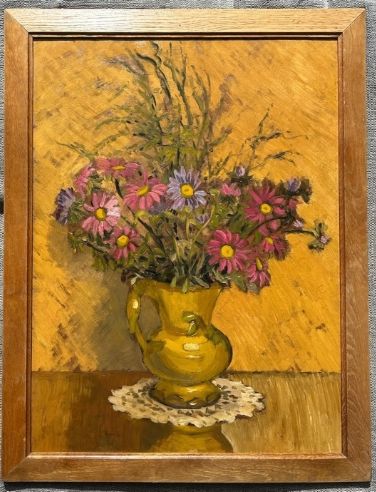
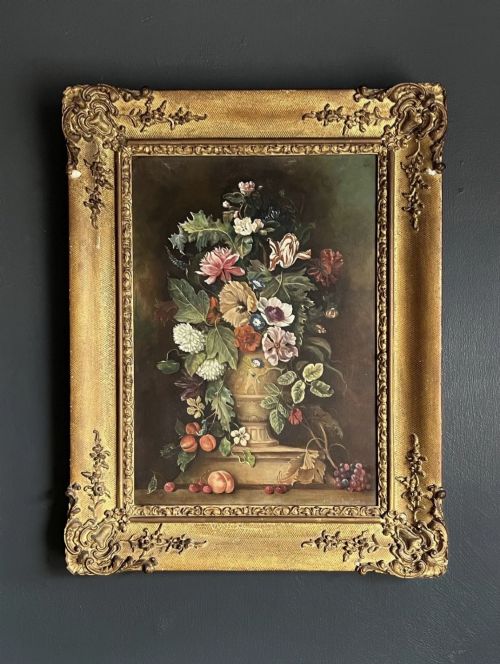
The selections on this page draw heavily from British, French, Belgian, and Austrian traditions, featuring mediums such as oil on canvas, oil on board, and delicate paper watercolours. Many pieces capture single arrangements in vases or jugs, while others place blooms within domestic interiors or expansive garden landscapes.
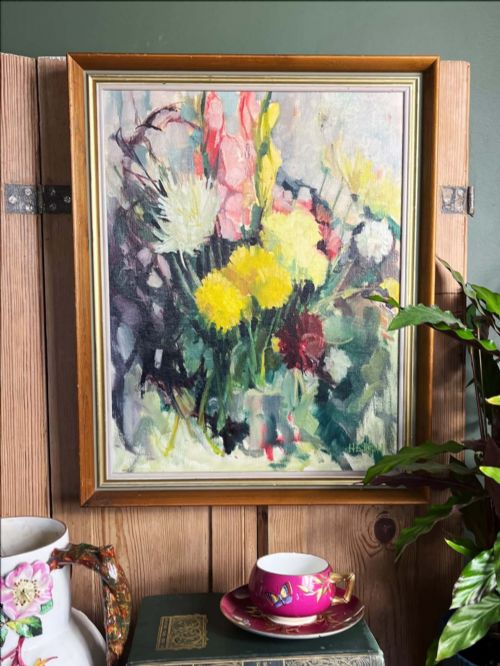
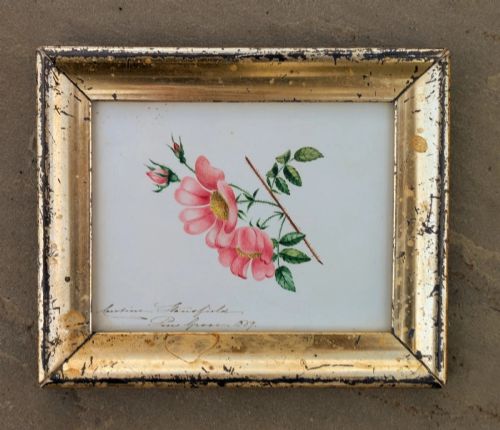
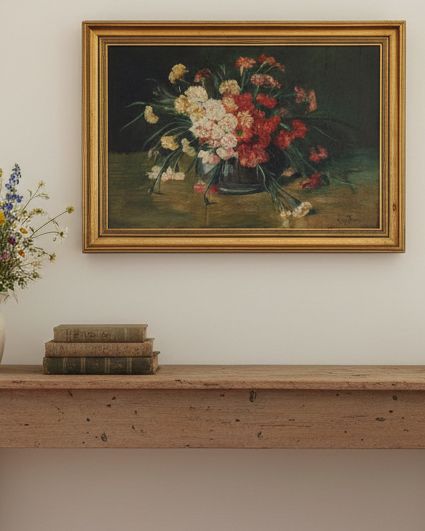
The most common forms on this page include mid-century impressionist canvases and framed nineteenth-century botanical watercolours. These works range from tightly rendered nineteenth-century studies to looser, textured compositions executed during the nineteen-fifties and sixties.
How They Were Made
Artists relied upon oil paint applied to stretched canvas, wooden panel, or board, as well as watercolour pigments worked onto paper surfaces. Oil mediums allowed for rich impasto and layered depth, visible in works featuring heavy brushwork and textured floral displays.
Watercolour paintings utilised fluid pigments spread across absorbent paper sheets to achieve translucent botanical details, particularly in nineteenth-century examples. Finished works were typically housed within timber frames, frequently enhanced by gilt gesso ornamentation or simple painted wooden surrounds.
The listings span from the nineteenth century through the mid-twentieth century, utilising canvas, paper, wood, and oil paint.
What Varies in Quality
Quality rests upon the confidence of the brushwork and the structural balance of the composition within the picture plane. Masterful handling of light, shadow, and colour harmony separates skilled impressionist and academic renderings from simpler decorative student pieces.
The integrity of the primary support and the preservation of the pigment layer dictate the overall standing of an artwork. Works that retain their original unlined canvas, stable panels, and period frames demonstrate superior survival through the decades.
Irene Christobelle Pownoll Williams·Kenneth Cozens·Konstantin Stoitzner·Manuela Bonati·William Thomas Wood·Victor Simonin·Owen Bowen·James Tower·Gertrude Hayes·Winifred Turner·Harry Wanless·Henrietta Creswell·Amile Coppieters·William Edward Fox·Florence Hess
The Vintage Original Floral Painting Glossary
- Canvas
- A heavy woven fabric stretched across a wooden frame to serve as a sturdy foundation for oil paintings. It provides a slightly textured surface that interacts with heavier paint applications.
- Impasto
- A technique where oil paint is laid thickly on a surface, standing out from the canvas so that the marks of the brush or palette knife remain visible. This adds physical depth and tactile presence to floral petals.
- Gesso
- A traditional paint mixture consisting of a binder mixed with chalk, gypsum, or pigment, applied to wooden frames or panels to prepare them for gilding or painting. It creates a smooth, receptive surface for decorative finishes.
- Watercolour
- A painting method in which the paints are made of pigments suspended in a water-based solution for use on paper. It yields luminous, transparent washes ideal for delicate botanical illustration.
- Still Life
- A work of art depicting mostly inanimate subject matter, typically commonplace objects which may be either natural or man-made. In these pieces, the focus rests upon vases of flowers, jugs, and tabletop fruit arrangements.
Vintage Original Floral Painting: Frequently Asked Questions
How should I hang a canvas painting?
Secure picture wire or D-rings directly to the wooden stretcher bars using appropriate wall fixings that match the weight of the frame. Ensure the work hangs away from direct heat sources and strong sunlight to protect the canvas and oil pigments over time.
Position the painting at eye level to best appreciate the brushwork and composition. Allow adequate clearance around the piece so that the frame and surface texture remain uninterrupted by surrounding furniture.
Are watercolour paintings fragile?
Paper supports and water-soluble pigments are sensitive to moisture and ultraviolet light, requiring protective glass framing and acid-free mounting. Direct exposure to bright sunlight causes fading in delicate botanical watercolours.
Keep these works in stable indoor environments with moderate humidity levels. Professional framing using conservation-grade materials ensures the paper remains protected from environmental degradation.
How do I date a floral oil painting?
Examine the stretcher frames, canvas type, backing boards, and any artist signatures or inscriptions recorded on the reverse. Technological shifts in canvas preparation and framing styles offer reliable clues for narrowing down the production decade.
Stylistic indicators such as brushwork techniques and colour palettes also point toward specific periods like the Victorian era or mid-century modern movements. Comparing the work to documented pieces by known artists helps confirm the timeline.
Can I clean an antique painting?
Surface dust can be gently removed from oil paintings using a soft, dry, lint-free brush or cloth. Avoid using water, household cleaners, or chemical solvents on the painted surface or gilt frame.
Professional conservators should handle deeper cleaning tasks, such as varnish removal or canvas stabilization. Attempting home remedies risks damaging the original paint layers and delicate glazes applied by the artist.