
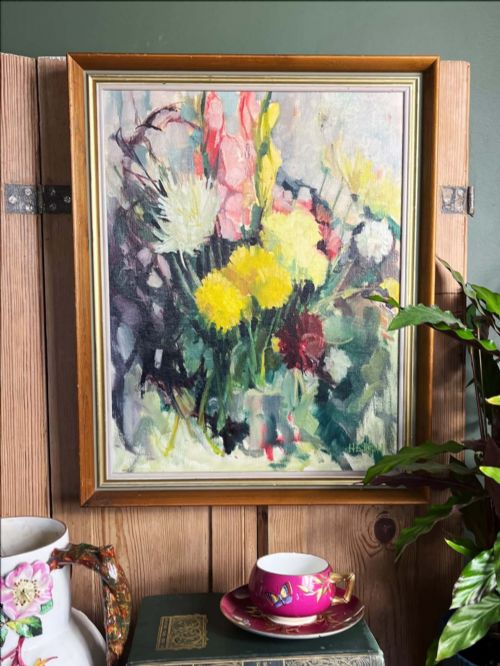
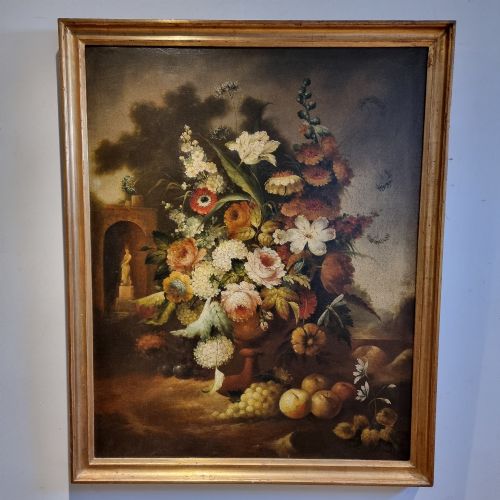
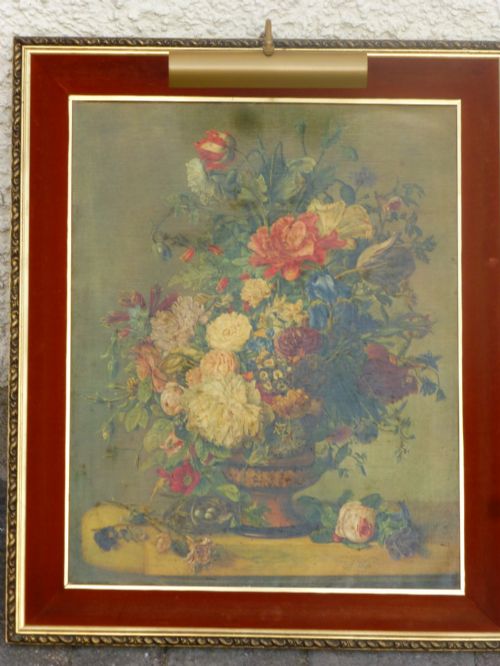
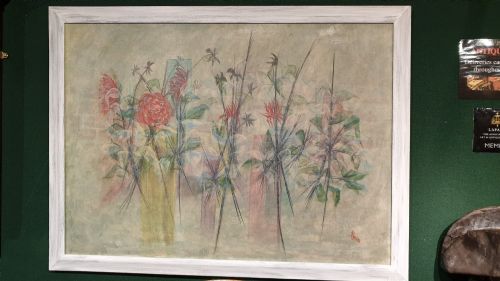
Framed Botanical Oil Artwork
Framed botanical oil artwork captures natural subjects in pigment, offering enduring floral and plant compositions suited to traditional and modern interiors.
Framed Botanical Oil Artwork
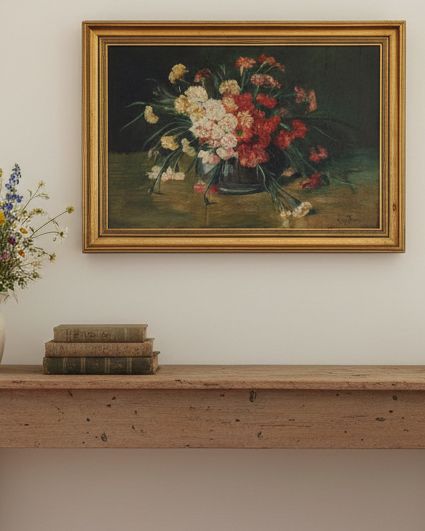
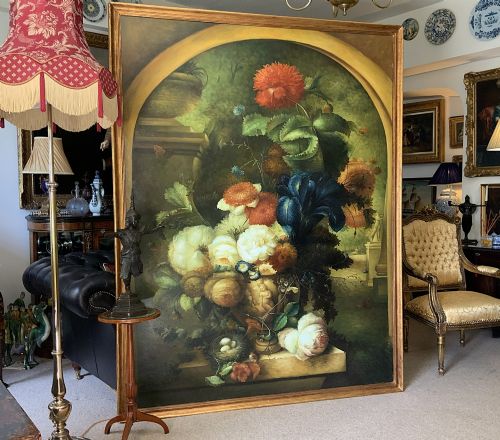
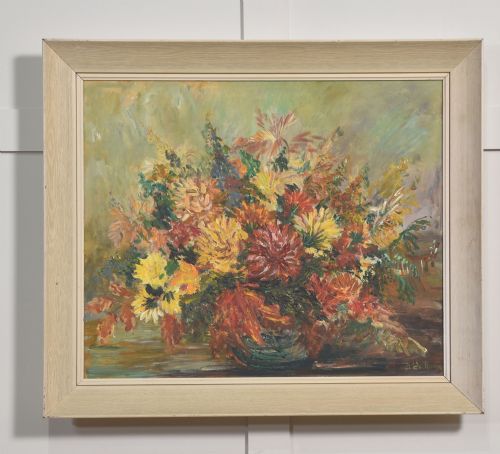
A buyer examining framed botanical oil artwork encounters oil paintings rendered on canvas, board, and panel, spanning from the seventeenth century through the mid-twentieth century.
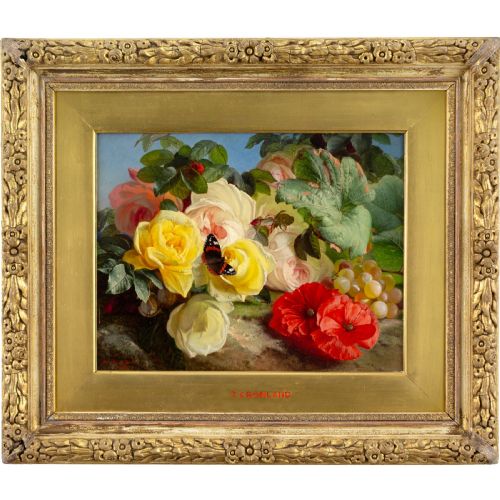
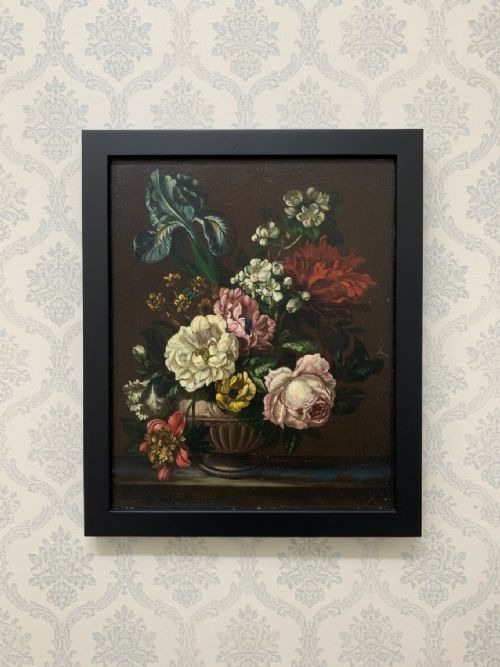
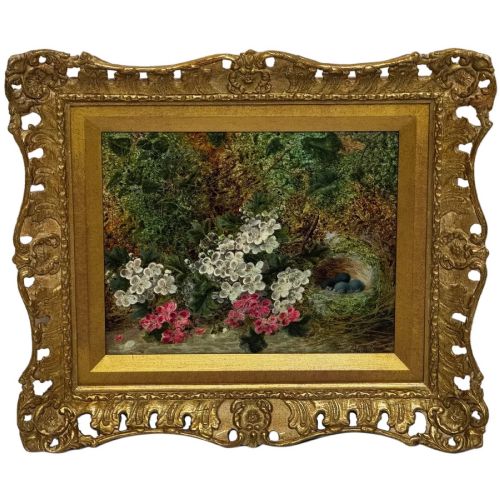
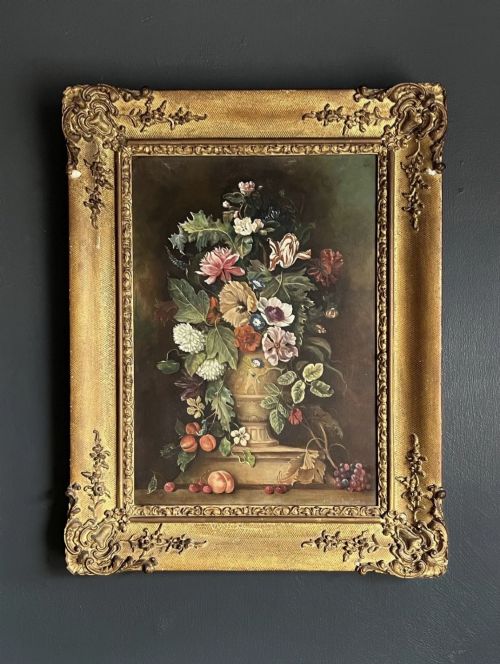
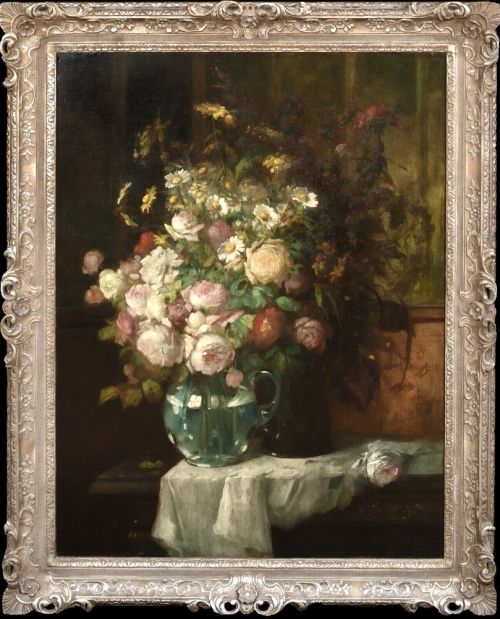
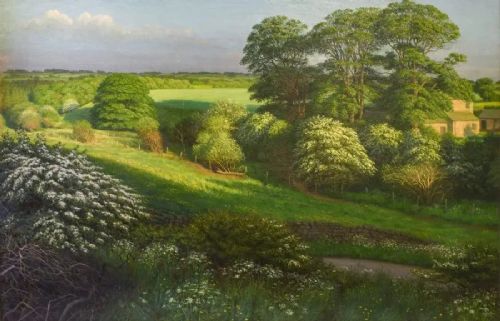
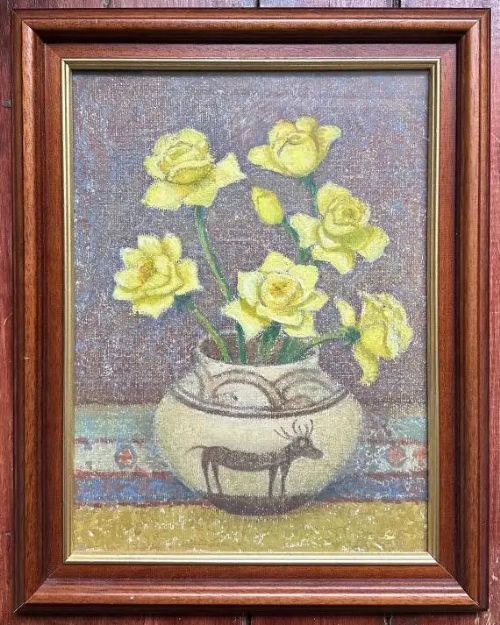
The selections on this page concentrate heavily on floral and plant still lifes, executed in styles ranging from Dutch Golden Age and Flemish Baroque to Victorian and mid-century impressionism.
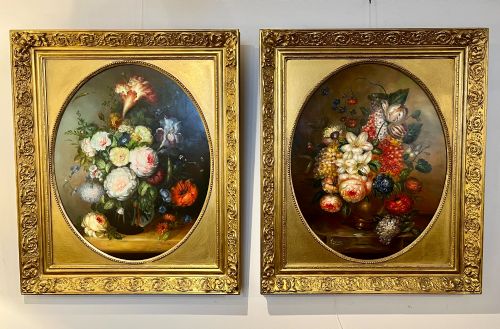
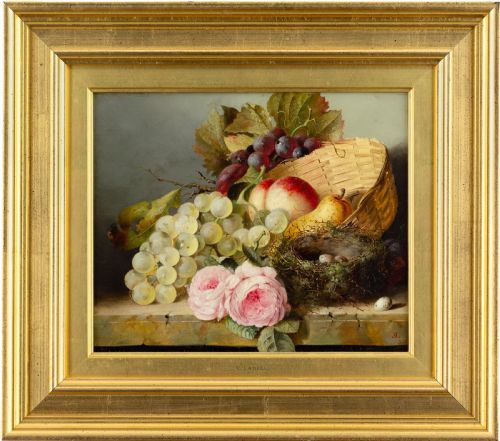
Many works arrive housed in period gilt, gesso, or wood frames that complement the botanical subjects depicted within the canvas.
Materials and construction methods
Artists painted primarily with oil pigments onto woven canvas, wooden panels, or rigid boards, building rich texture and depth through layered brushwork.
Frames utilised wood as a structural base, frequently adorned with moulded gesso and finished with gold leaf or gilt coatings to provide decorative borders.
Baskets overflow with fruit and birds' nests peek out from beneath velvet rose petals across the century.
Variations in quality and execution
Superior examples demonstrate confident brushwork, accurate botanical observation, and harmonious colour relationships that elevate the composition beyond a simple floral record.
The relationship between the painting and its frame contributes significantly to the integrity of the piece, with period-matching gilt and gesso mouldings reflecting the original aesthetic standard.
Theude Grönland·Oliver Clare·D. L. Williams·Konstantin Stoitzner·Edward Ladell·Raymond Booth·Emma Fordyce MacRae·Gaspar Peeter Verbruggen·Peter Newcombe·Ian Parker·Edwin Steele·Manuela Bonati·William Thomas Wood·Owen Bowen·Simon Pietersz Verelst·Winifred Turner·Amile Coppieters·A. Nikolokov
The Framed Botanical Oil Artwork Glossary
- Oil paint
- A slow-drying medium composed of pigments suspended in a drying oil, typically linseed, allowing for smooth blending and rich tonal depth. Artists valued this medium for its ability to capture subtle variations in light across botanical surfaces.
- Gesso
- A plaster-like mixture applied to wood or canvas as a prepared base for painting or gilding. In frame making, this substance was moulded into intricate decorative patterns before being finished with gold leaf.
- Gilt
- A thin layer of gold leaf or gold paint applied to the surface of a wooden frame. This finish enhances the visual weight and decorative appeal of the surrounding artwork.
- Still life
- A work of art depicting mostly inanimate subject matter, typically commonplace objects or natural specimens such as flowers, fruit, and foliage. Botanical examples focus specifically on plant forms arranged in vases, baskets, or natural settings.
- Impressionism
- A style of painting characterised by relatively small, thin, yet visible brush strokes and an emphasis on accurate depiction of light. In botanical works, this approach captures the transient effects of sunlight on petals and leaves.
Framed Botanical Oil Artwork: Frequently Asked Questions
How are these paintings framed?
These works typically arrive in wooden frames finished with gilt or moulded gesso, reflecting the decorative styles of their respective periods.
Many pieces retain their original surrounds, which complement the botanical subject matter on the canvas.
What periods do these artworks cover?
The selections span multiple centuries, ranging from seventeenth-century Dutch compositions to nineteenth-century Victorian studies and mid-twentieth-century impressionist works.
Each era brings distinct approaches to floral arrangement and canvas preparation.
Where should I hang these paintings?
These pieces suit living rooms, dining spaces, and studies where traditional or mid-century wall art adds natural colour and texture.
Positioning them away from direct sunlight protects the oil pigments and gilt frame finishes over time.
What surfaces were used by the artists?
Artists painted on various supports including stretched canvas, wooden panels, and rigid boards.
Canvas remains the most common surface found across the nineteenth and twentieth-century selections.