


Vintage Oriental Rug Mat
These vintage oriental rug mat pieces bring the rich geometry and deep dyes of traditional weaving into smaller interior spaces.
Vintage Oriental Rug Mat
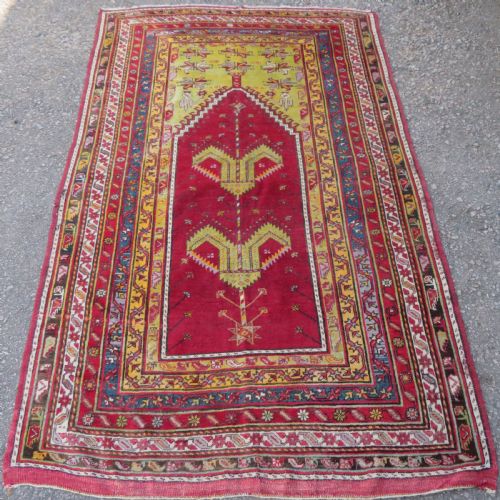
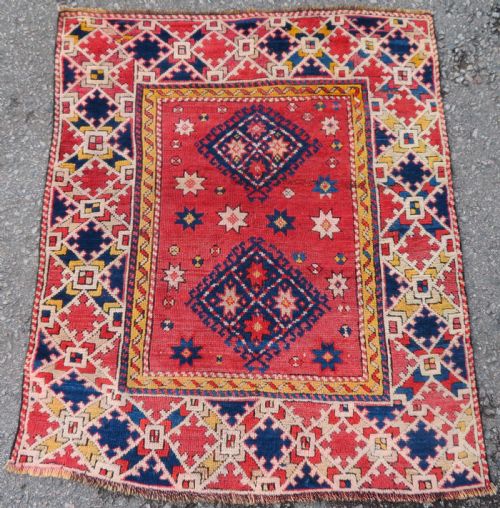
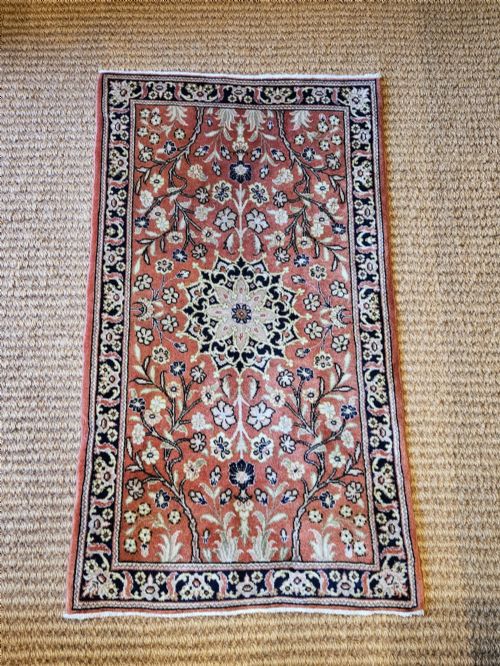
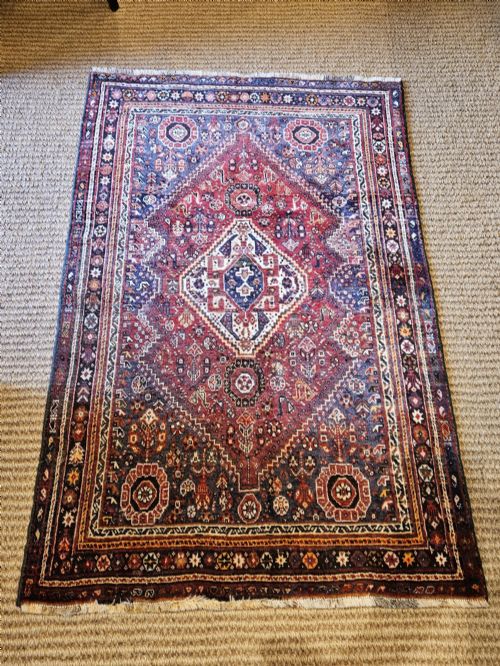
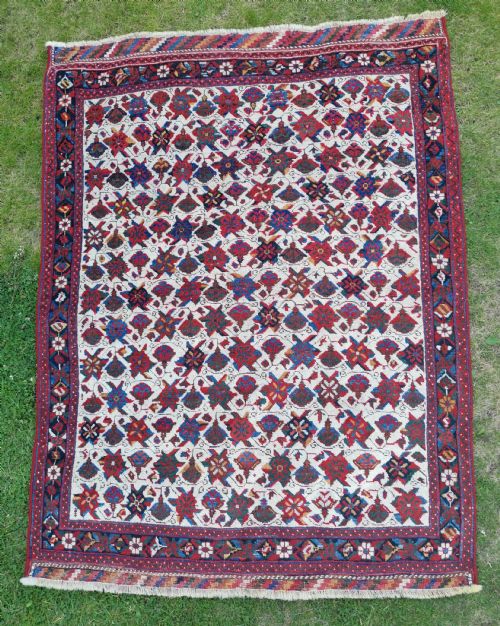
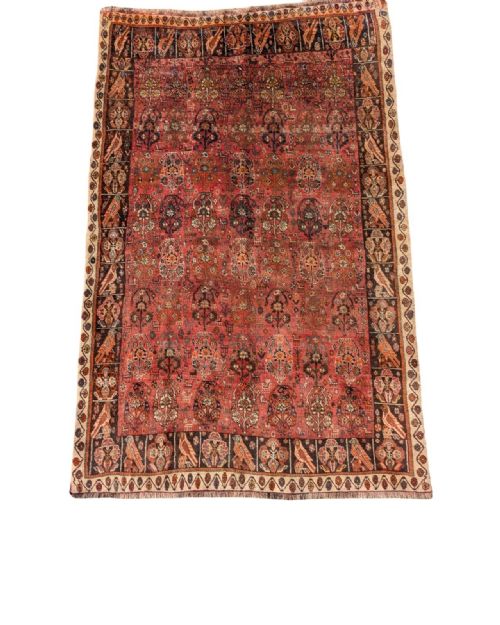
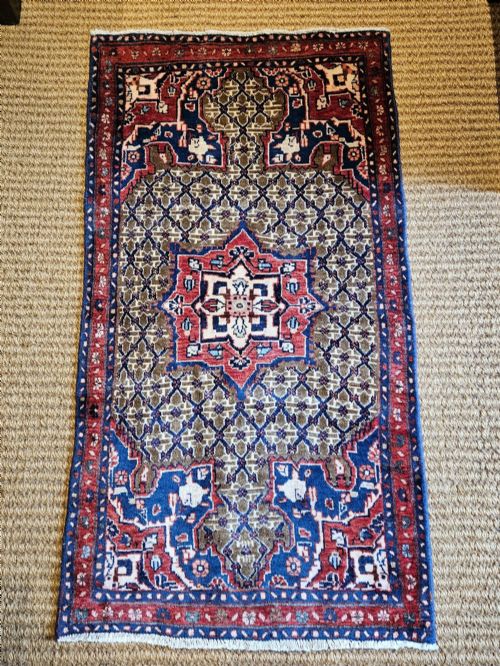
A vintage oriental rug mat serves as a smaller floor covering or accent piece, drawing from centuries of weaving traditions across Persia, Anatolia, the Caucasus, and Central Asia. These pieces range from hearth-sized formats and square formats to prayer rugs and bag faces created by tribal and village makers.
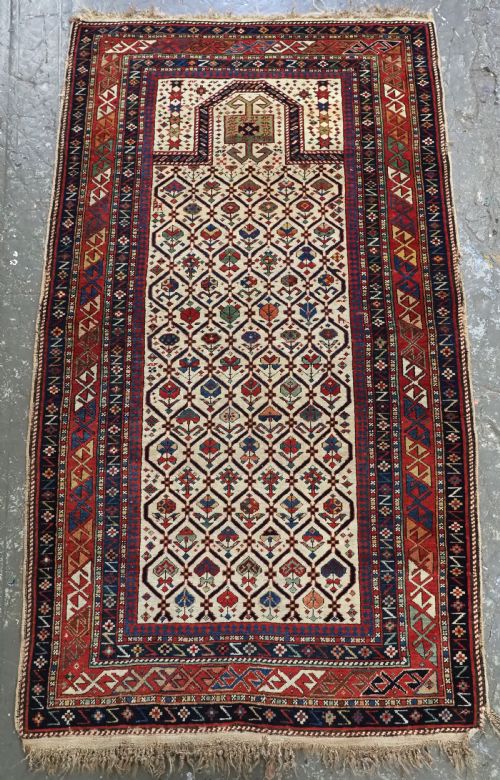
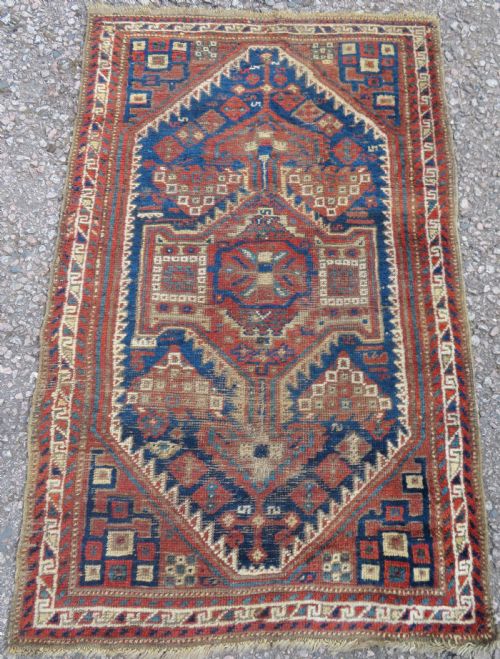
The items found here span production from the mid-nineteenth century through the early decades of the twentieth century. Buyers encounter formats utilising regional motifs such as floral lattices, prayer arches, and geometric medallions.
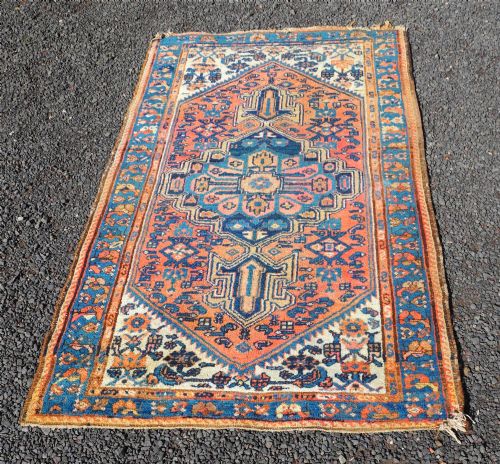
Village and tribal workshops produced the majority of these smaller formats, employing traditional knotting methods passed down through generations. Each piece reflects the specific visual vocabulary of its origin, whether an Anatolian prayer rug or a Persian Hamadan.
Materials and construction
Weavers constructed these mats predominantly using wool pile on cotton or wool foundations, occasionally incorporating hand-spun wool, camel wool, or silk highlights. Natural dyes provided the deep reds, blues, and ivory grounds characteristic of older pieces.
Specialised items like prayer rugs and bag faces required tight knotting to withstand daily use while maintaining intricate borders and central fields. Some examples incorporate mixed techniques or flatweave elements alongside knotted pile.
Some small mats began life as utilitarian storage bags before finding a second career under the hearth.
What drives quality in these textiles
The refinement of a vintage oriental rug mat depends on the density of the knotting and the clarity of the design motifs. Finer knot counts allow complex floral lattices and geometric borders to retain their definition.
The integrity of the natural dyes and the quality of the wool heavily influence the character of the piece. Hand-spun wool and stable natural colour palettes yield a richer handle and better ageing over decades of placement.
Kizyl Ayak Tribe·Timuri Sangtshuli Tribe·Yomut Turkmen
The Vintage Oriental Rug Mat Glossary
- Prayer rug
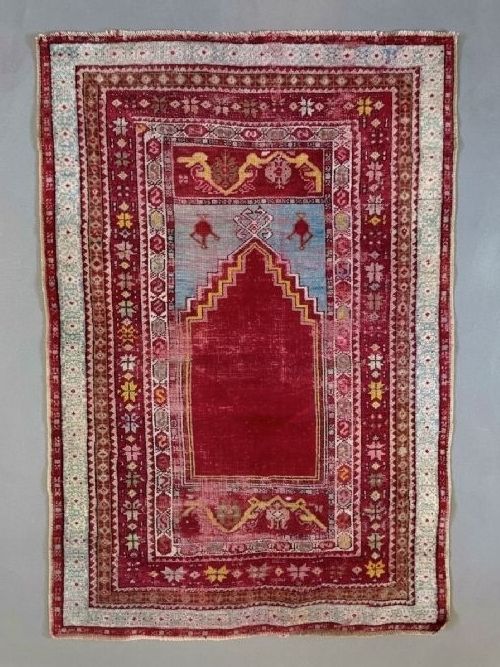
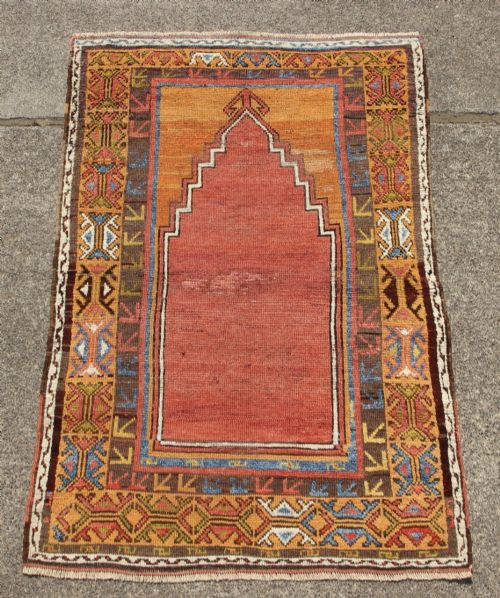
- A small format rug featuring a mihrab or arch design at one end, traditionally utilised for individual prayer. These rugs often display distinctive niche designs originating from Anatolia or Persia.
- Pile
- The upright yarn loops that form the soft surface of the rug. The material can consist of wool, silk, or camel wool knotted onto a structural foundation.
- Foundation
- The underlying structure of warp and weft threads that support the knotted pile. Cotton and wool serve as the standard materials for this grid.
- Bag face
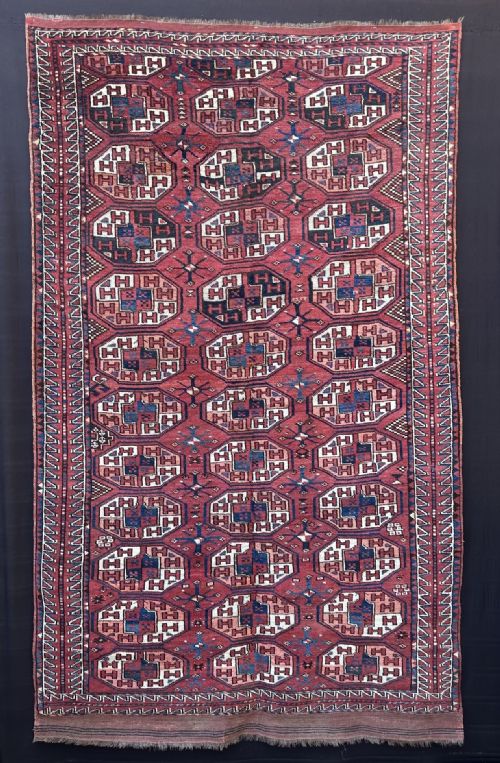
- The decorative front panel of a nomad's storage sack, removed and preserved as a small mat. Yomut Turkmen pieces often appear in this format.
- Natural dye
- Colouring derived from plant, insect, or mineral sources rather than synthetic chemicals. These dyes produce complex, muted tones that mellow gracefully over time.
Vintage Oriental Rug Mat: Frequently Asked Questions
Where were these small rugs made?
The pieces originate from traditional weaving regions including Persia, Anatolia, the Caucasus, Turkmenistan, and Central Asia. Village and tribal makers produced them for local use or regional trade.
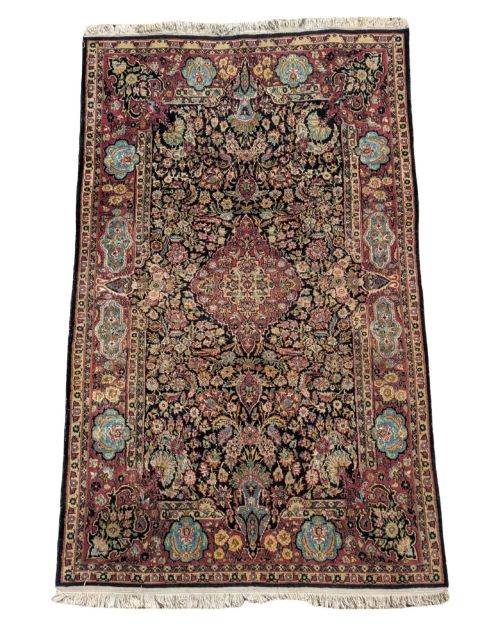
Production centres such as Kashan, Kirman, Oushak, and Heriz also contributed distinct regional styles and knotting techniques to this tradition.
How do I use a rug mat at home?
These smaller formats function well as accent pieces in hallways, hearth areas, entryways, or beneath small pieces of furniture. Their compact size allows them to define specific zones within larger rooms.
Placing a proper underlay beneath the mat helps prevent slipping and reduces friction between the wool foundation and hard flooring surfaces.
What is a prayer rug?
A prayer rug is a portable devotional mat characterised by a distinct arch motif known as a mihrab at one end. Weavers in Anatolia, the Caucasus, and Persia frequently utilised this layout.
Owners historically pointed the arch toward Mecca during daily prayers, though many examples survive purely for their decorative and artistic merit.
How can I tell the age of a mat?
Dating relies on stylistic markers, wool preparation, and structural evidence within the weave. Pieces from the nineteenth century often display hand-spun wool and varied natural dye palettes.
Earlier nineteenth-century and late nineteenth-century examples differ from 1930s production through subtle shifts in palette saturation and regional design evolution.