





Vintage Oriental Jar
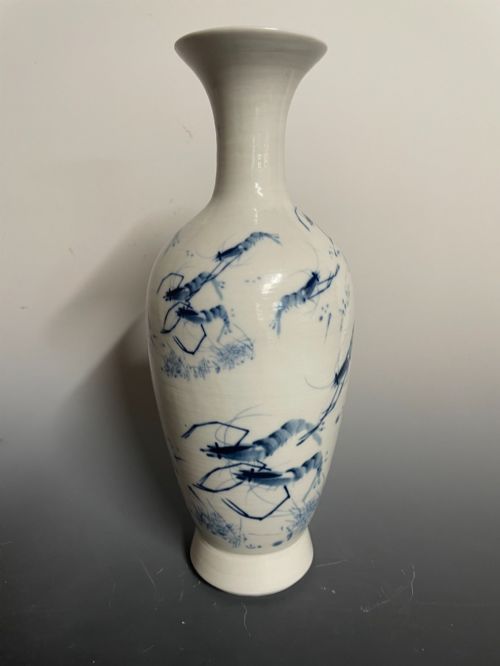
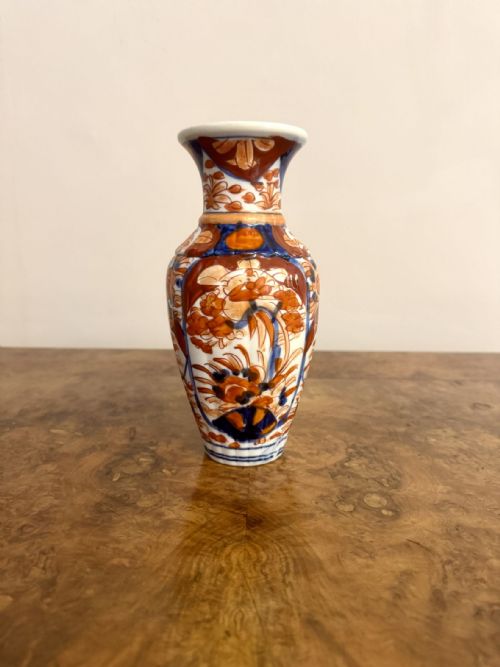
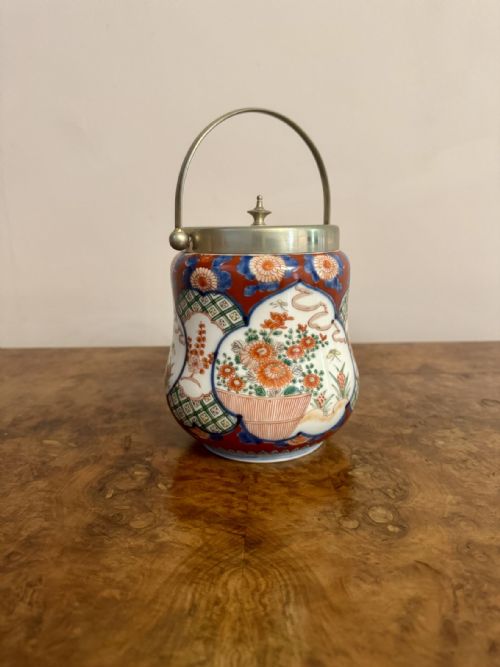
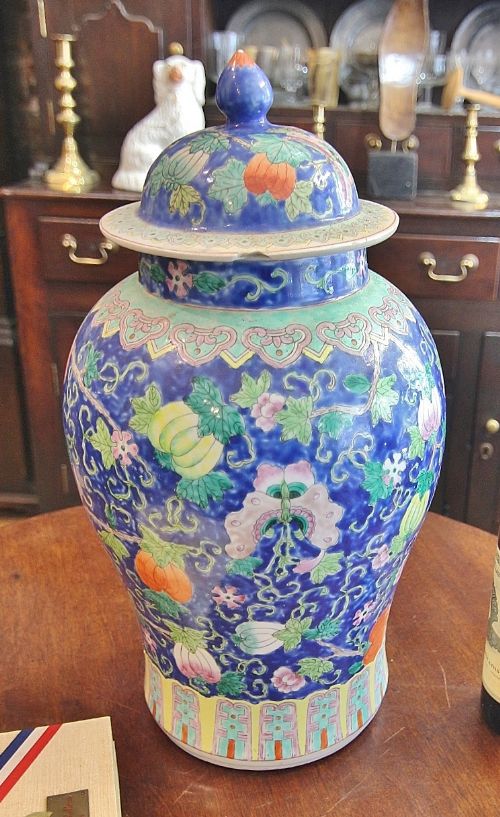
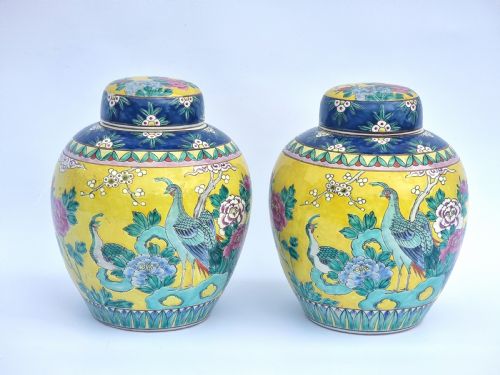
These vintage oriental jar selections encompass porcelain vessels and covered containers spanning the nineteenth century through the early twentieth.
Vintage Oriental Jar
A vintage oriental jar search reveals a diverse selection of ceramic and metal vessels originating from Asian traditions, predominantly Chinese and Japanese workshops. Buyers encounter ginger jars, tea caddies, covered vessels, and large decorative floor pieces created during the nineteenth and early twentieth centuries.
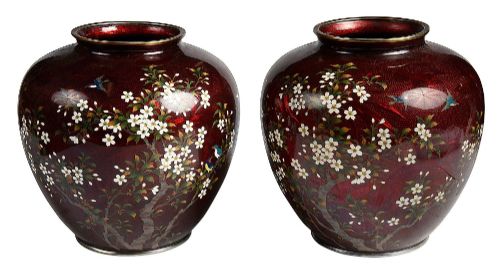
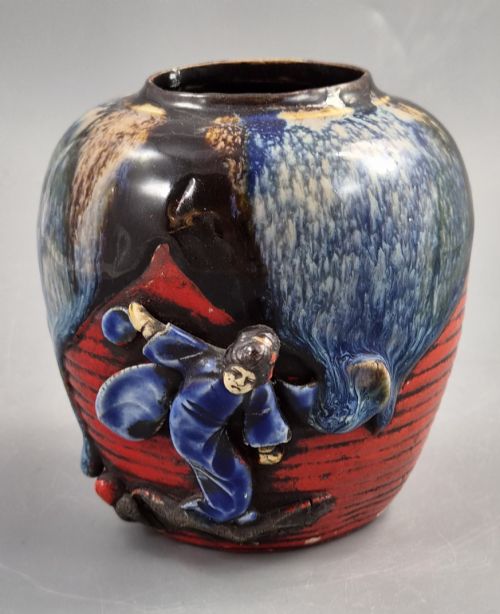
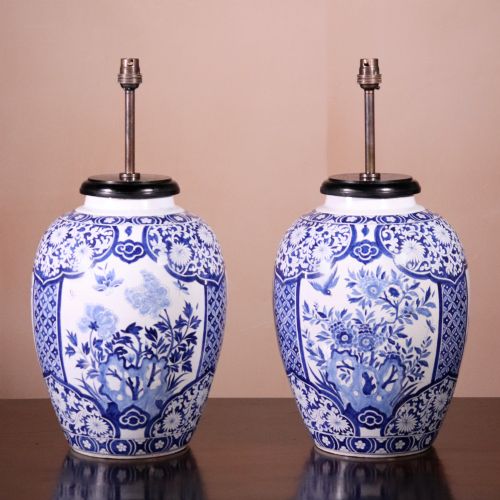
The most common examples on this page are Japanese Imari porcelain jars and Chinese blue and white ginger jars, alongside cloisonné enamel pieces and Satsuma earthenware. Many of these utility items now function as table lamps or decorative display objects within domestic interiors.
How They Were Made
Potters shaped porcelain and earthenware by hand or on the wheel before applying underglaze cobalt blue, enamel polychrome painting, or coloured glazes such as flambé. Artisans often utilised copper wire cells for cloisonné enamel work, filling the compartments with vitreous pastes before firing.
Metal vessels like bronze and brass pieces utilised traditional casting methods, sometimes enhanced with surface patination or gold leaf application. Lacquered wooden boxes relied on layered natural tree sap finishes built up over rigid core materials.
The site listings feature nineteenth-century and early twentieth-century pieces spanning the Meiji, Taishō, and Qing periods, utilising porcelain, cloisonné, brass, and lacquer.
What Varies in Quality
Quality rests in the precision of the hand-painted brushwork, the clarity of the enamel colours, and the crispness of the underlying ceramic or metal form. Superior examples display controlled pigments that remain sharp within their outlines and glazes free from major firing blemishes.
The complexity of the decorative scheme and the reputation of specific production centres or makers heavily influence the standing of a piece. Heavier gauge metalwork in cloisonné and deeply rendered details in Satsuma pottery separate standard commercial output from finer workshop creations.
Kinkozan·Tokyo Taizan·Royal Doulton
The Vintage Oriental Jar Glossary
- Imari
- A style of Japanese porcelain decorated in underglaze blue, iron red, and gold. This distinct palette originated in Arita and gained popularity across European export markets during the nineteenth century.
- Cloisonné
- A metalwork technique where fine wires form raised barriers on a surface to create compartments filled with enamel paste. These vessels are fired multiple times to fuse the glass paste to the metal body.
- Ginger Jar
- A broad-shouldered ceramic container originally designed to store spices and preserves in China. Later export versions often feature flat or domed lids and serve purely decorative roles.
- Satsuma
- An earthenware pottery type from Japan featuring a crackled ivory glaze decorated with intricate polychrome enamel and raised gold details. The style developed substantial following during the Meiji period.
- Famille Rose
- A palette of Chinese porcelain enamels dominated by opaque pink or rose colours introduced during the Qing dynasty. The style encompasses various floral and figural compositions.
Vintage Oriental Jar: Frequently Asked Questions
What is a vintage oriental jar used for?
These vessels originally served practical household functions such as storing tea, ginger, or dry goods in Asian domestic spaces. Over time, many lidded examples transformed into purely decorative ornaments or adapted into wired table lamps.
Collectors today place them on sideboards, mantels, or desks to introduce rich colour and traditional pattern into domestic interiors. Their sturdy construction allows them to remain functional display pieces.
How do I date a Japanese Imari jar?
Dating relies on examining the weight of the porcelain body, the depth of the underglaze blue, and the hue of the iron red enamel. Late nineteenth-century pieces from the Meiji period typically display dense, meticulous hand-painted details and brighter gilding than earlier examples.
Base marks, where present, offer further clues to the firing period and the specific Arita kilns responsible for the output. Stylistic shifts in floral and panel designs also help narrow down the decade of manufacture.
Are these jars waterproof?
Most antique ceramic and metal jars hold water safely, though unglazed earthenware or pieces with repaired cracks require caution. Collectors should inspect the interior glaze coverage before utilising them as flower vases.
Metal vessels such as bronze or brass pieces generally withstand moisture well, provided their interior patination remains stable and free from active corrosion. Lined lacquer boxes, however, should stay away from standing water entirely.
How do I clean an antique cloisonne jar?
Dust the surface gently with a soft, dry brush to prevent abrasive particles from scratching the delicate enamel and wire cells. Avoid chemical cleaners or excessive water immersion, which can damage exposed metal components or old joins.
A slightly damp cloth works for stubborn dust, provided the piece is dried immediately with a soft lint-free cloth afterwards. Regular gentle maintenance preserves the original lustre of both the metal and the glass paste.