





Vintage Onyx Base Figurine
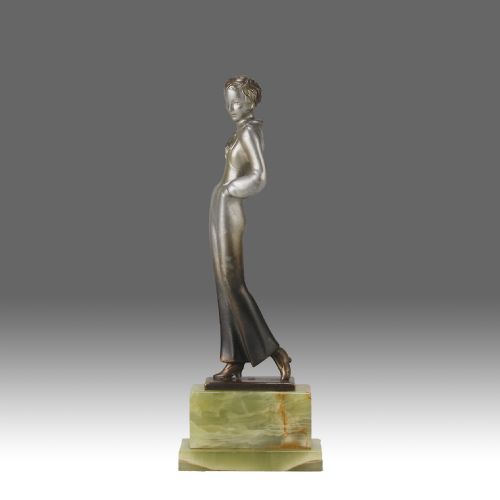
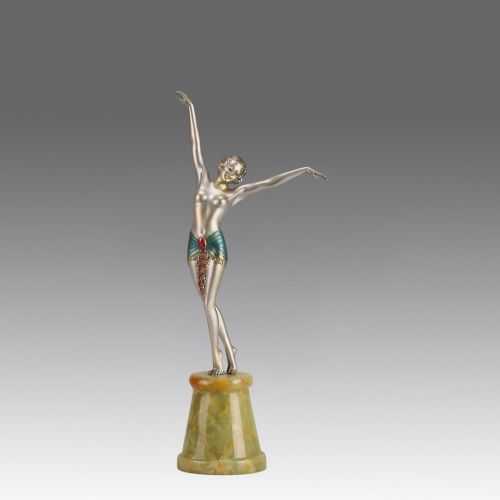
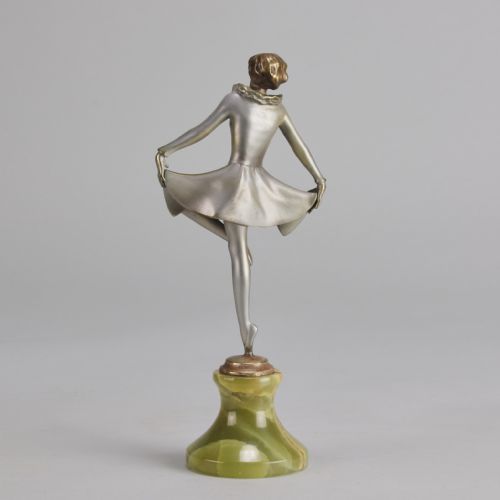
A vintage onyx base figurine brings together heavy stone and cast metal to capture the bold lines of the early twentieth century.
Vintage Onyx Base Figurine
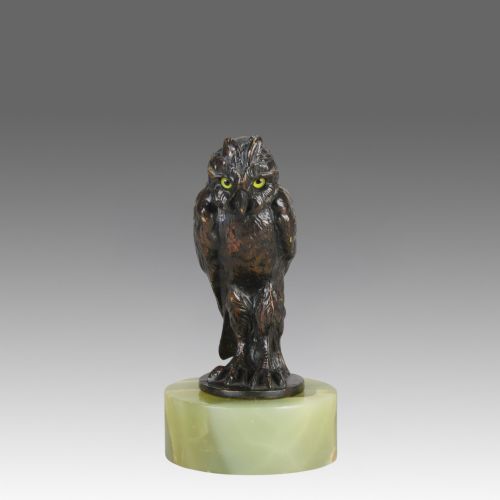
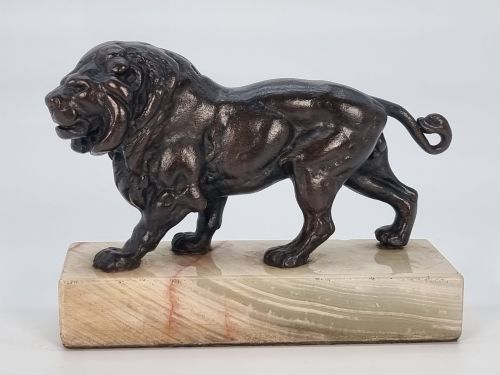
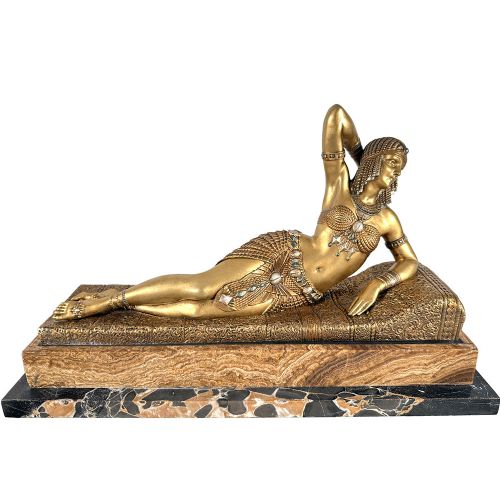
When you search for a vintage onyx base figurine, you encounter sculptural works produced primarily during the early twentieth century, spanning the 1920s and 1930s. The most common examples take the form of dancers, female nudes, and animals mounted onto polished natural stone plinths.
The objects originate from periods defined by the Art Deco movement and Animalier studies. Makers combined cast metals with solid onyx or marble foundations to create sturdy table sculptures and lamps.
Materials and Casting Methods
The construction relies on metals such as bronze, gilt bronze, and spelter, often finished with cold-painted details or patination. Figures were cast and subsequently mounted onto heavy bases cut from onyx or marble.
Selected works incorporate mixed media, utilising carved elements alongside metal casting. The stone plinths provide a dense, contrasting weight that anchors the lighter metal figures above.
The listings on this site span the 1850s to the 1930s, featuring bronze, spelter, onyx, and marble materials.
Distinctions in Quality
The choice and preparation of the mounting stone also separate standard items from finer examples. Uniform polishing and harmonious colour matching between the mineral base and the metal sculpture indicate higher manufacturing standards.
Josef Lorenzl·Demetre Chiparus·Paul Philippe·Pierre Le Faguays·Claire Colinet·Bruno Zach·Marion Willis Stanfield·Geo Maxim
The Vintage Onyx Base Figurine Glossary
- Onyx
- A banded variety of chalcedony used as a dense, polished plinth for mounting figures. It provides a heavy, decorative foundation that contrasts with cast metal.
- Spelter
- A zinc alloy commonly utilised as a substitute for bronze in decorative figures. It accepts patination and paint finishes well.
- Cold-Painted
- A technique where paint is applied to metal without subsequent firing in a kiln. It requires careful preservation to maintain the original pigment.
- Animalier
- A nineteenth and early twentieth-century artistic focus on the realistic portrayal of animals. Studies frequently depict predators and stags.
- Chryselephantine
- A term describing sculptures combining ivory with bronze or other metals. The technique was widely adopted during the Art Deco period.
Vintage Onyx Base Figurine: Frequently Asked Questions
What metals are used in these sculptures?
The listings show pieces cast in bronze, gilt bronze, and spelter. Many examples receive cold-painted finishes or patination to enhance the visual detail.
Certain figures also incorporate mixed materials, combining metal casting with carved elements for decorative effect.
How do I identify an Art Deco piece?
Art Deco objects typically feature streamlined geometric forms, stylised human figures, and subjects related to dance or modern movement. The designs reflect the aesthetic of the 1920s and 1930s.
These sculptures frequently pair patinated metal work with polished mineral bases like onyx or marble to ground the composition.
Where were these figures made?
The available records point to European production centres, with French and Austrian origins specifically noted in the titles. Workshops in Vienna and France produced many of the cold-painted bronzes and spelter studies.
Artists from various nations contributed designs to these continental foundries during the early twentieth century.
How are the figures mounted?
The metal sculptures are secured directly onto solid bases made of onyx or marble. These stone plinths add substantial weight and serve as an integral part of the overall design.
Rectangular and geometric stone cuts dominate the mounting styles seen across the period.