
Vintage Office Filing Drawers
Vintage office filing drawers are practical storage solutions built from robust timbers and metals that bring period character to modern workspaces.
Vintage Office Filing Drawers
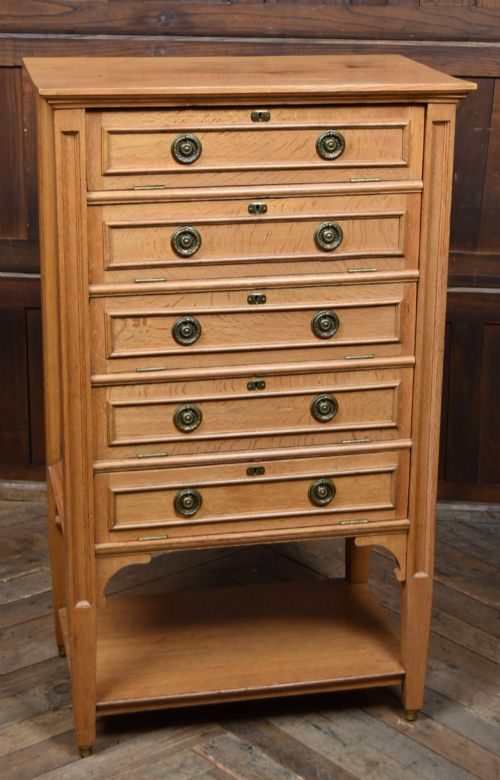
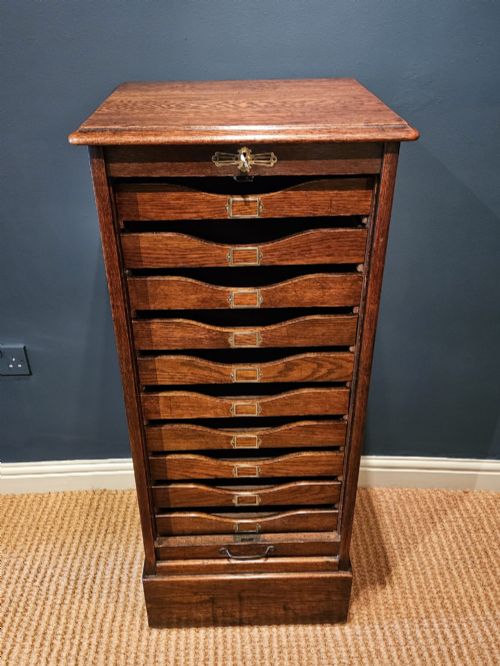
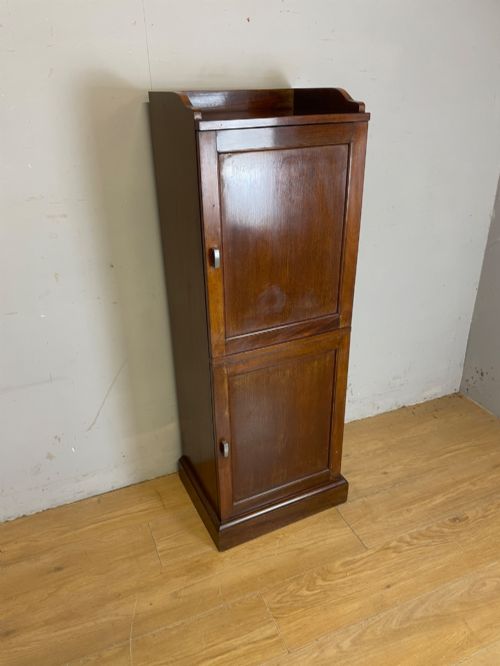
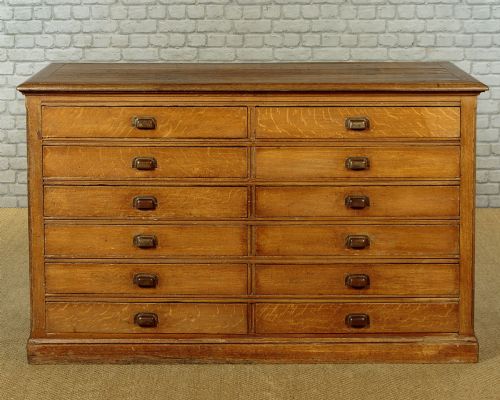
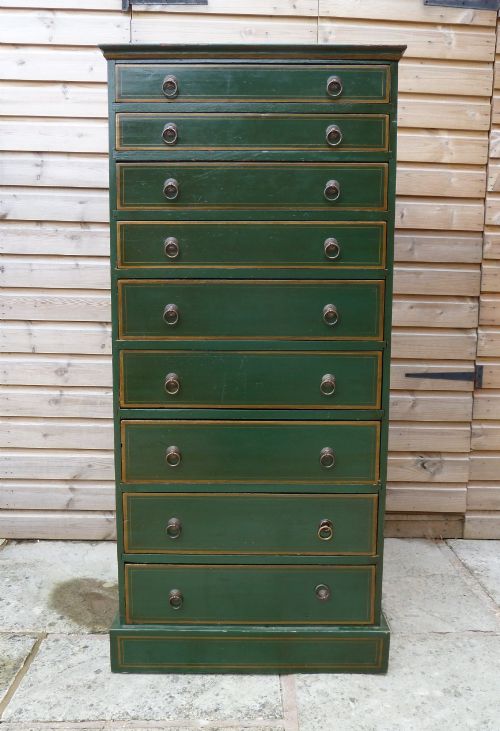
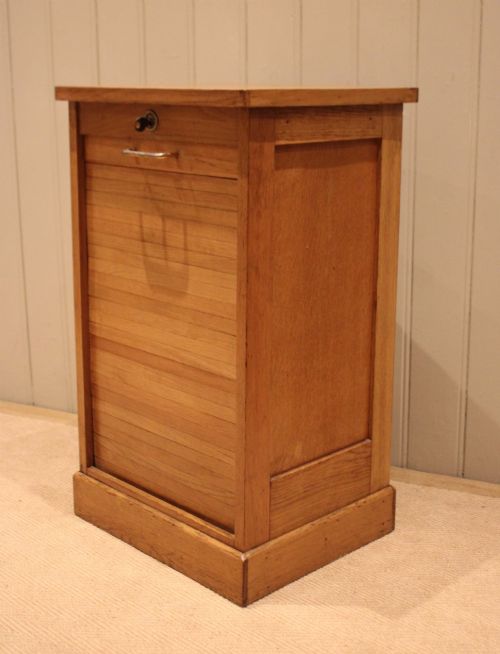
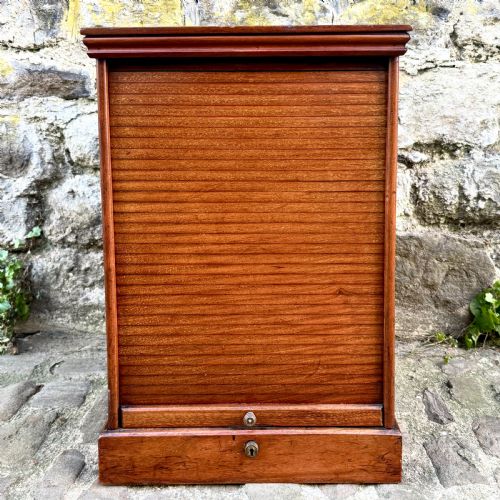
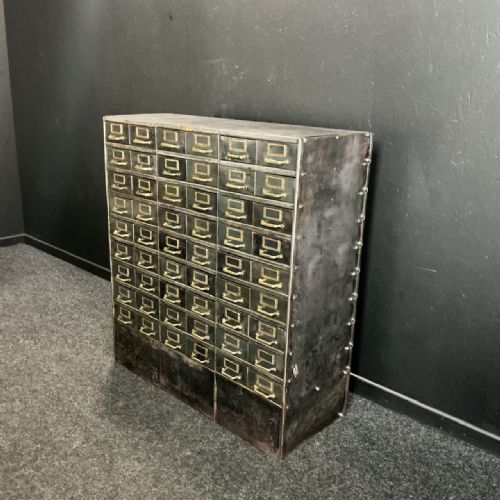
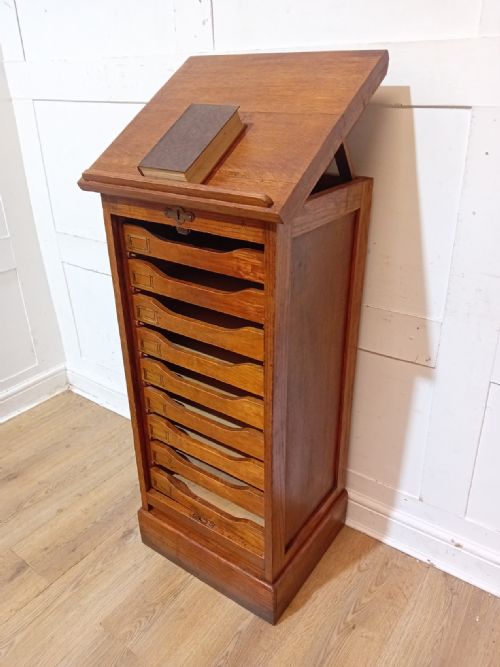
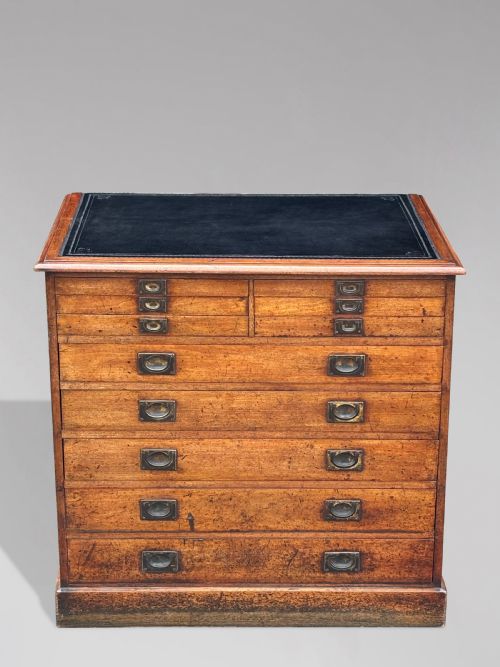
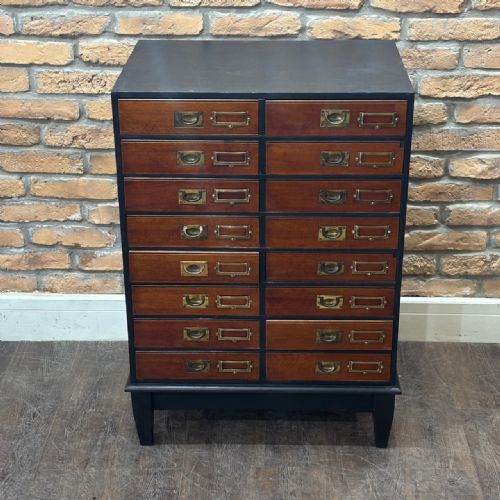
Vintage office filing drawers encompass an array of practical storage units designed for business, library, and workshop use during the nineteenth and early twentieth centuries. These pieces appear as banks of drawers, tambour front cabinets, campaign furniture, and specialised plan chests originating from British, French, and American makers.
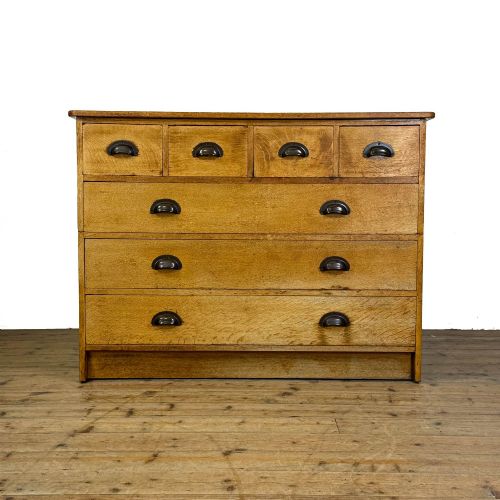
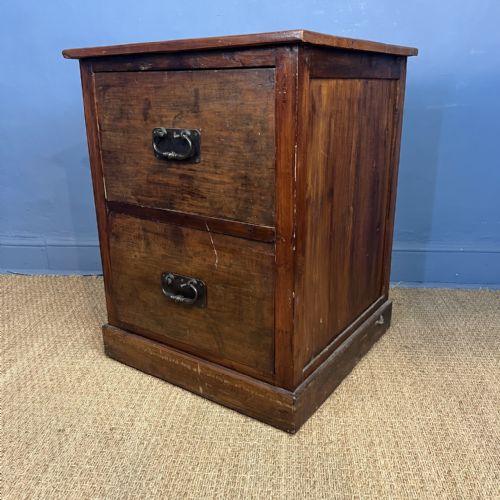
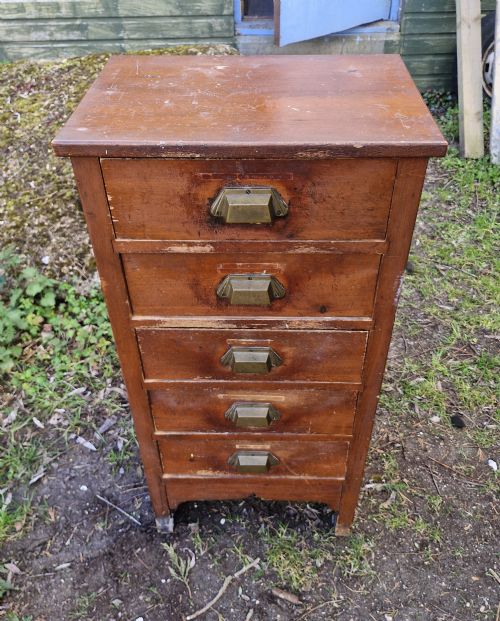
The version most commonly encountered on this page is the oak or mahogany filing cabinet from the Edwardian era or the nineteen-twenties. These range from compact desktop organisers and single column stackers to massive multi-drawer industrial workshop banks and patent letter files.
How they were made
Cabinet makers utilised dense hardwoods such as oak, mahogany, walnut, teak, and rosewood alongside utilitarian softwoods like pine for internal carcases and backing boards. Industrial and campaign pieces integrate durable metals including brass for handles and label holders, iron bracing, and steel mechanisms.
Construction techniques prioritized heavy daily usage, employing sturdy dovetail joints for drawer boxes and solid framing for exterior housings. Tambour doors utilised sliding wooden slats glued to canvas backings, while patent filing systems incorporated specialised internal spring mechanisms and locking mechanisms.
One extraordinary filing cabinet contains sixty-six individual drawers, offering a labyrinth of storage for the thoroughly disorganised.
What varies in quality
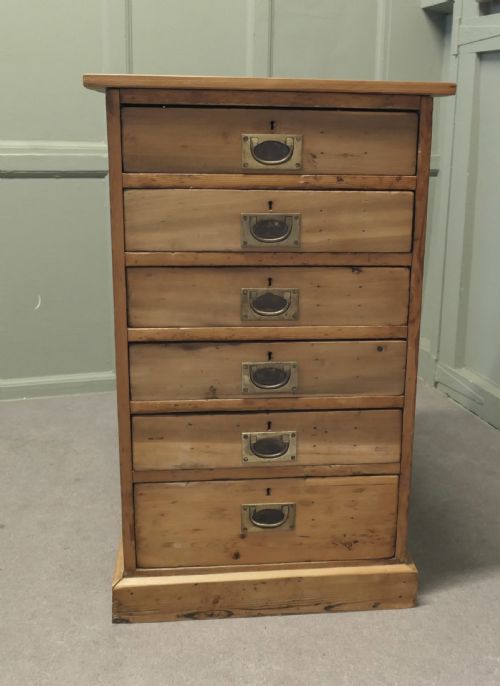
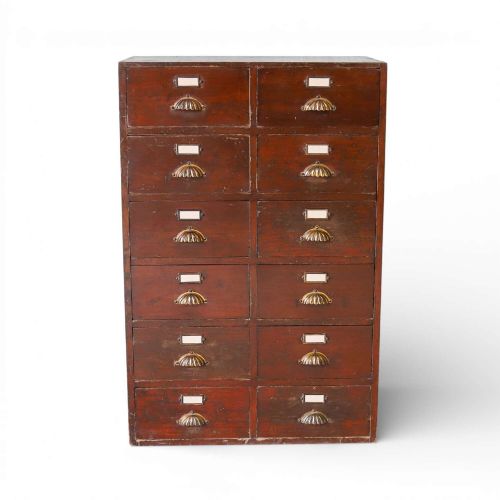
The standard of a piece depends heavily upon the selection of timber and the integrity of its original hardware, such as brass shell pulls and integrated label holders. Pieces constructed from solid mahogany or quarter-sawn oak with intact patent mechanisms sit at the upper end of the scale compared to modified or heavily restored utility pieces.
Design complexity also dictates the tier of the item, distinguishing standard pine office chests from sophisticated French walnut cartonniers featuring leather accents or complex tambour shutter fronts. The presence of maker stamps and original patent markers adds distinct provenance that elevates the construction pedigree.
Maple and Co·Amberg
The Vintage Office Filing Drawers Glossary
- Tambour
- A flexible door or shutter made of narrow wooden slats attached to a canvas backing, allowing it to slide smoothly around a curved track to conceal filing drawers.
- Cartonnier
- A French stationary cabinet or filing case traditionally fitted with multiple horizontal compartments or drawers designed to hold papers and documents.
- Shell pull
- A semi-circular metal handle, usually cast in brass, shaped like a scallop shell that incorporates a slot for paper index labels.
- Plan chest
- A wide, shallow multi-drawer cabinet originally utilised by architects and draftsmen for flat storage of large maps, blueprints, and technical drawings.
- Quarter-sawn
- A method of timber cutting where logs are quartered lengthwise to produce boards with distinctive medullary ray grain patterns that resist warping.
Vintage Office Filing Drawers: Frequently Asked Questions
What documents fit inside these vintage filing drawers?
Most period filing cabinets were designed for historical paper sizes, foolscap documents, or specialised library index cards rather than modern A4 dimensions. Buyers should check internal drawer depths and widths carefully before storing contemporary files.
Certain specialised pieces, such as card indexes and plan chests, offer narrower or wider compartments better suited to specific collections like prints, photographs, or stationery items.
How do I maintain the wood finish on an office cabinet?
Routine maintenance requires only a gentle dusting with a dry, soft cloth to prevent abrasive particles from accumulating on the polished timber surfaces. Applying a traditional beeswax polish periodically nourishes hardwoods like oak and mahogany without building up synthetic residues.
Avoid placing antique wooden furniture in direct sunlight or near central heating sources to prevent the timber from drying out, splitting, or causing tambour doors to jam in their tracks.
How can I identify the period of a filing cabinet?
Dating relies on examining construction methods, timber choices, and hardware styles across different eras from the Victorian period through to the nineteen-thirties. Victorian and Edwardian pieces frequently feature heavier brass handles, solid oak or mahogany construction, and hand-cut dovetails.
Later industrial pieces from the nineteen-twenties and nineteen-thirties often introduce steel elements, simpler lines, and standardised patent mechanisms designed for expanding interwar office systems.
Are tambour doors difficult to operate or repair?
Tambour doors slide within recessed side tracks using fabric-backed wooden slats that require occasional cleaning to ensure smooth travel. Dust and dried old wax can accumulate inside the curved tracks, causing the shutter to stick during operation.
Careful cleaning and waxing of the internal runners usually restores smooth movement, though damaged slats require specialist woodworking expertise to repair properly.