



Vintage Office Desk Lamp
A vintage office desk lamp brings industrial character and focused illumination to a workspace, drawing on designs from the nineteenth and twentieth centuries.
Vintage Office Desk Lamp
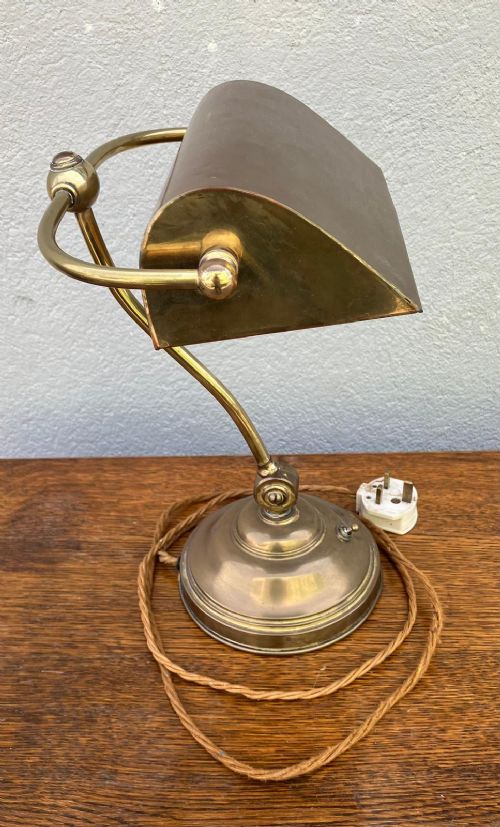
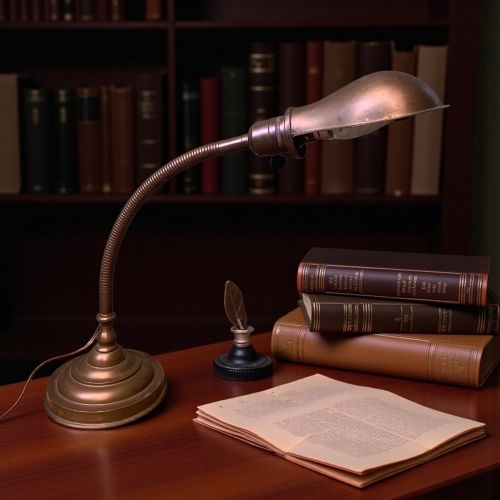
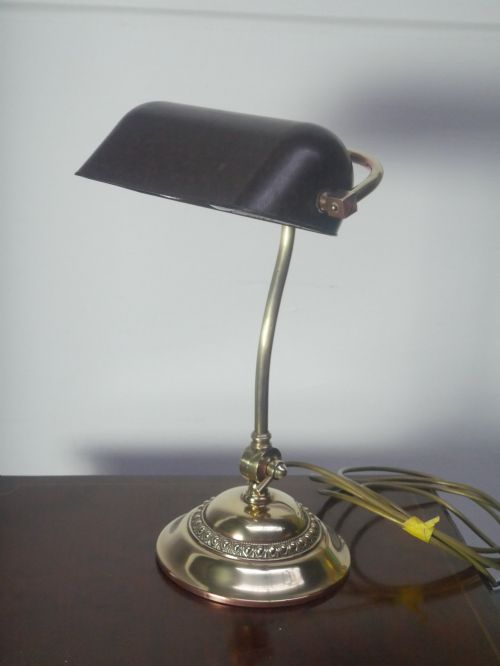
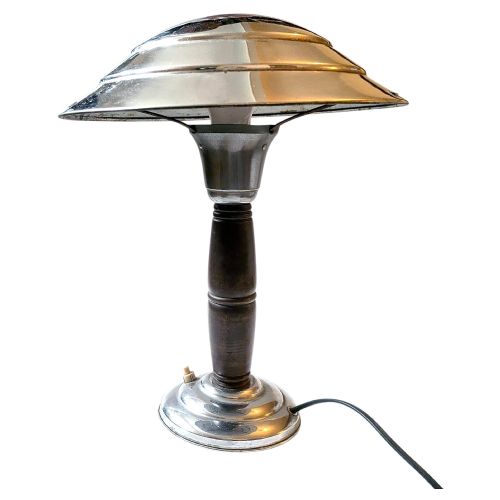
When searching for a vintage office desk lamp, collectors encounter a diverse array of forms spanning from nineteenth-century bronze notary lights to streamlined Art Deco bakelite pieces and modernist chrome creations. These utilitarian objects were designed primarily for task lighting in studies, offices, and administrative spaces, combining practical adjustability with the distinctive aesthetic sensibilities of their respective eras.
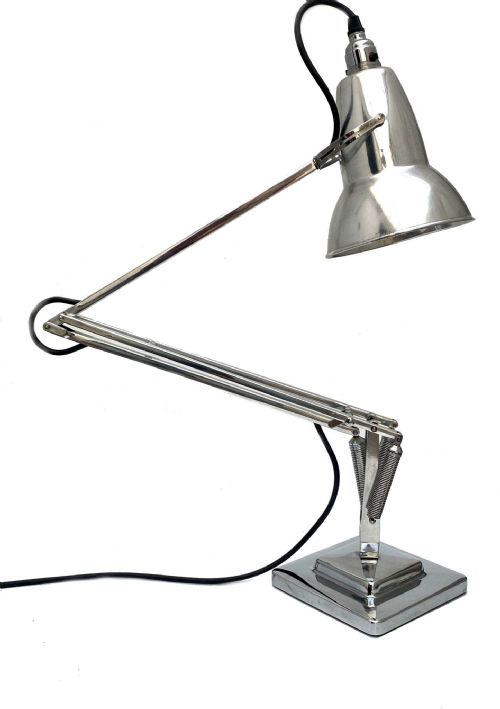
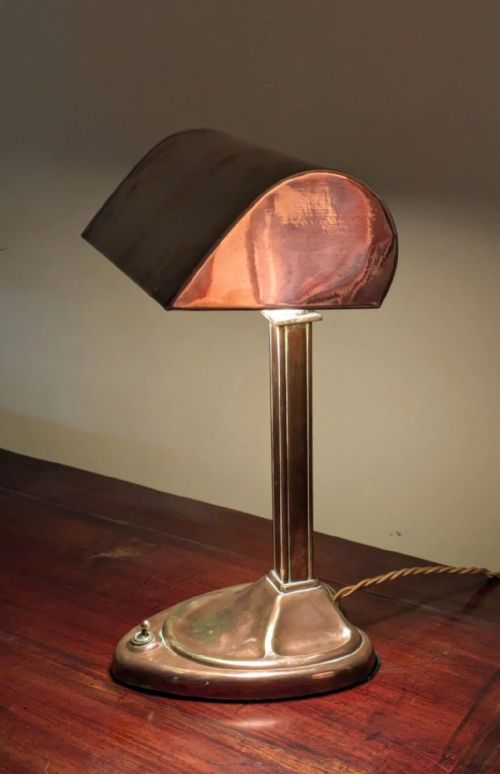
The pieces appearing on this page most frequently date from the 1920s and 1930s, reflecting the robust manufacturing output of the Art Deco, Machine Age, and French Industrial periods. Buyers will discover adjustable bankers lamps, flexible gooseneck designs, and articulated models that demonstrate how lighting technology evolved alongside office culture during the early decades of the twentieth century.
Materials and construction
Makers of a vintage office desk lamp utilised a combination of durable metals and early synthetic materials to achieve both structural rigidity and functional articulation. Brass, copper, and bronze form the heavier traditional bases, whilst later twentieth-century iterations incorporate chrome, steel, and early plastics such as bakelite for a sleeker industrial finish.
Construction techniques relied heavily on adjustable joints, flexible tubing, and weighted bases to direct light precisely where required. Components like glass shades, fabric covers, and toleware accents were integrated to soften the output of the bulb and complete the silhouette of the lamp.
Materials documented across the inventory include brass, metal, glass, chrome, bakelite, fabric, steel, and copper.
Assessment of quality
The standard of a vintage office desk lamp is determined by the integrity of its articulating mechanisms and the purity of its materials. Superior examples retain their original structural balance, allowing smooth adjustment without slipping or requiring external support from modern hardware.
Finer pieces distinguish themselves through the quality of their cast metalwork, original surface patination, and the retention of scarce factory components such as signed shades or marked switches. The employment of premium materials like solid bronze, walnut, macassar ebony, or high-grade bakelite elevates certain models above standard utilitarian production.
Herbert Terry·Eileen Grey·E. Cole·Pirouette·Hawkins
The Vintage Office Desk Lamp Glossary
- Articulated
- Fitted with joints or hinges that allow the lamp arm to move and hold different angles. This movement provides direct control over the direction of the light beam.
- Bakelite
- An early synthetic thermosetting plastic popular in twentieth-century manufacturing. It offered durable electrical insulation and a smooth moulded finish for lamp bases and shades.
- Toleware
- Painted or enamelled metalware, frequently used for lamp shades. It adds a decorative colour finish to the functional metal structure.
- Notary lamp
- A traditional task light style featuring a heavy metal base and an adjustable arm, historically used in legal and administrative offices.
- Machine Age
- A design style from the interwar period celebrating industrial efficiency, clean lines, and utilitarian metal construction.
Vintage Office Desk Lamp: Frequently Asked Questions
How do I choose a vintage office desk lamp?
Consider the scale of your workspace and the specific lighting angle required for your daily tasks. Articulated arms and heavy bases provide the practical stability needed for regular use.
Match the period style of the lamp to your existing interior decor, selecting between brass Edwardian models, industrial chrome designs, or dark wood Art Deco pieces.
What materials were used for these lamps?
Manufacturers relied heavily on metals such as brass, copper, bronze, chrome, and steel to construct the durable frames and weighted bases. Glass, fabric, and early plastics like bakelite frequently appear in the shades and switch housings.
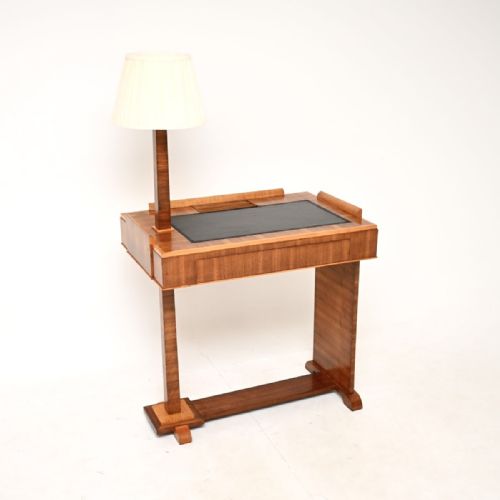
Cabinet woods like walnut and macassar also feature in integrated desk and lamp combinations from the Art Deco period.
How do I date an old desk lamp?
Dating relies on identifying manufacturing materials, electrical components, and stylistic markers associated with specific eras like the Edwardian period or the 1930s Machine Age. Patent marks, maker signatures, and distinct construction methods help establish a chronological timeline.
Comparing the shade shape and switch type to documented examples from the same decade confirms the likely period of origin.
Were these lamps used only in offices?
While originally designed for professional workspaces, studies, and administrative desks, their functional versatility suited them to libraries and domestic reading rooms. The focused task lighting made them ideal for detailed paperwork and reading.
Over time, collectors have introduced these utilitarian objects into modern living spaces as decorative accent pieces.