




Vintage Bakelite Light
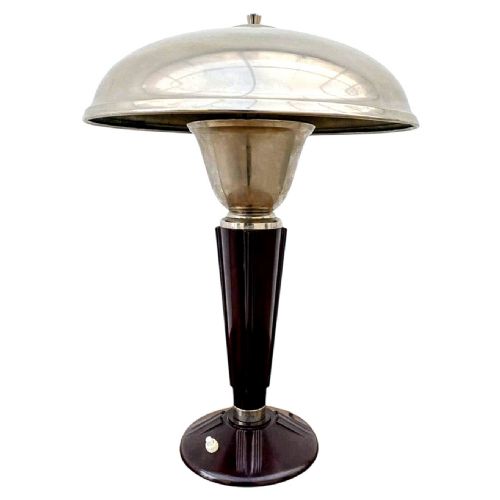
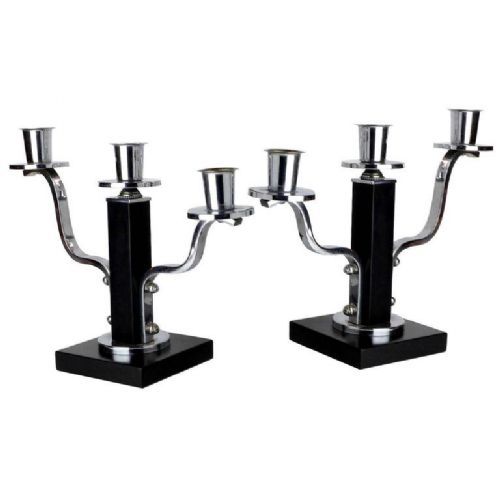
These vintage bakelite light pieces deliver striking Art Deco design, combining early plastics and metals to transform any interior space.
Vintage Bakelite Light
A vintage bakelite light represents the distinctive design language of the 1920 and 1930 periods, focusing heavily on Art Deco and Modernist aesthetic principles. Buyers frequently encounter desk lamps, table lamps, wall lights, and candlesticks originating from France and other European workshops.
The objects combine functional illumination with sculptural forms, such as streamline profiles and two-tone liquorice allsorts colour schemes. These pieces serve as practical desk accessories and decorative wall sconces that anchor a room's decorative scheme.
Materials and construction
Manufacturers utilised early synthetic polymers like bakelite, catalin, and phenolic resins alongside structural metals including chrome, nickel, and plain metal. Glass components frequently feature frosted finishes to diffuse light smoothly across the room.
Moulding and turning techniques shaped the rigid plastic compounds into geometric lamp bases and streamlined housings, while metal elements were polished or plated to contrast with the dark or colourful synthetic bodies.
Listings feature items from the 1920 and 1930 periods, incorporating materials such as bakelite, chrome, glass, metal, frosted glass, nickel, plastic, and catalin.
Assessing the craftsmanship
Quality rests in the precision of the moulding, the crispness of the geometric lines, and the successful integration of metal fittings with brittle synthetic resins. Superior examples exhibit balanced proportions and substantial weight in the base.
The purity of colour in catalin components and the retention of original surface polish distinguish exceptional manufacturing standards from standard utilitarian production.
Eileen Grey·E. Cole·Jumo
The Vintage Bakelite Light Glossary
- Bakelite
- An early thermosetting plastic made from phenol and formaldehyde, prized for its durability and rich dark tones. It revolutionised manufacturing during the early twentieth century.
- Catalin
- A cast phenolic resin that allowed for bright, translucent, and variegated colours unlike standard bakelite. It is commonly found in vibrant decorative objects.
- Streamline
- An aerodynamic design style of the 1930s characterised by curved corners, horizontal lines, and smooth surfaces. This aesthetic influenced desk lamps and domestic appliances.
- Phenolic
- A broad class of synthetic polymers encompassing early plastics used in electrical housings and lamp bases. These materials offer high heat resistance.
- Sconce
- A wall-mounted lighting fixture designed to hold bulbs or candles and direct illumination upwards or outwards. They often appear in matching pairs within domestic interiors.
Vintage Bakelite Light: Frequently Asked Questions
How do I clean a vintage bakelite light?
Wipe the surface gently with a soft, slightly damp cloth to remove accumulated dust without damaging the vintage finish.
Avoid harsh chemical solvents or abrasive scourers, as these substances can permanently scratch or dull the synthetic resin.
Are these lamps safe for modern use?
Many vintage lamps utilise older wiring standards that require professional rewiring to meet contemporary electrical safety regulations.
Consult a qualified electrician to inspect the internal components before connecting the fixture to a mains power supply.
How can I tell the period of a light?
Examine the material composition, fastener types, and design motifs to determine if the object aligns with 1920 or 1930 manufacturing methods.
Art Deco streamline contours and specific synthetic resin types provide reliable chronological markers for these pieces.
Where should I place a wall light?
Mount wall light sconces beside mirrors, along hallway corridors, or flanking architectural focal points to provide balanced ambient illumination.
Ensure the installation height complements the scale of the surrounding furniture and room proportions.