

Retro Table Light
A retro table light brings functional task illumination and period character to a desk or surface through distinctive twentieth-century design.
Retro Table Light
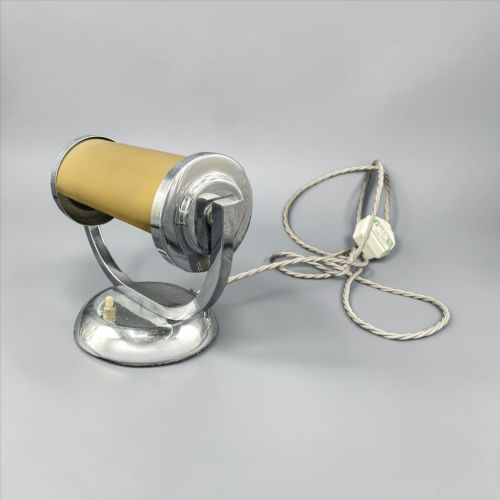
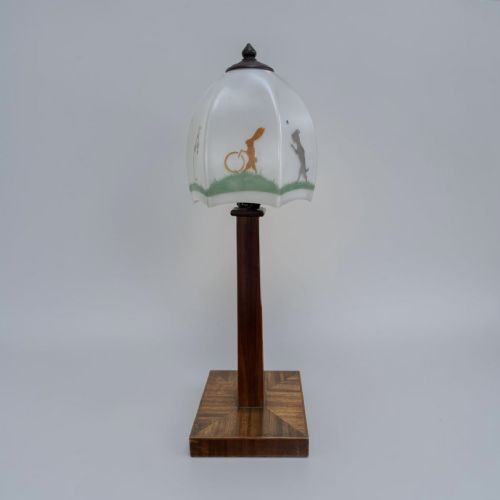
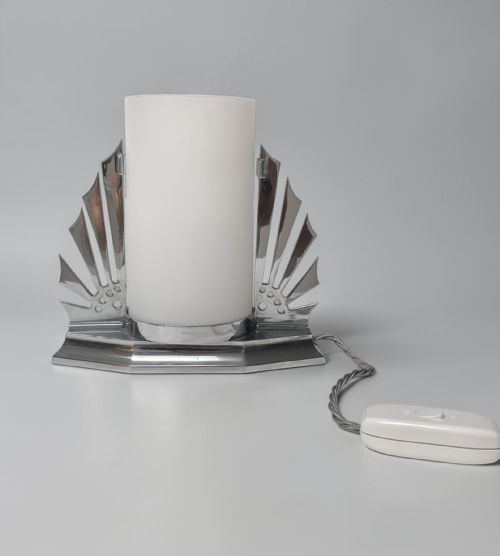
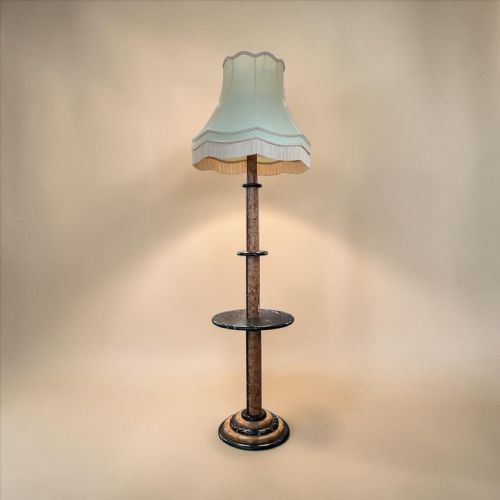
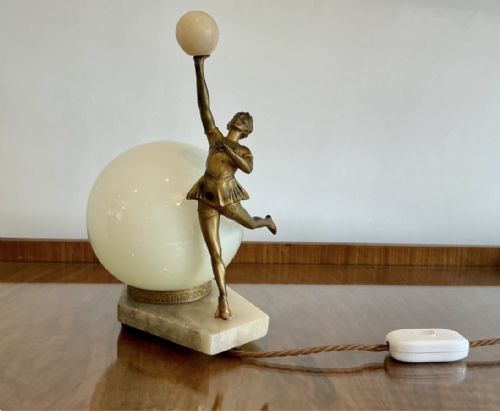
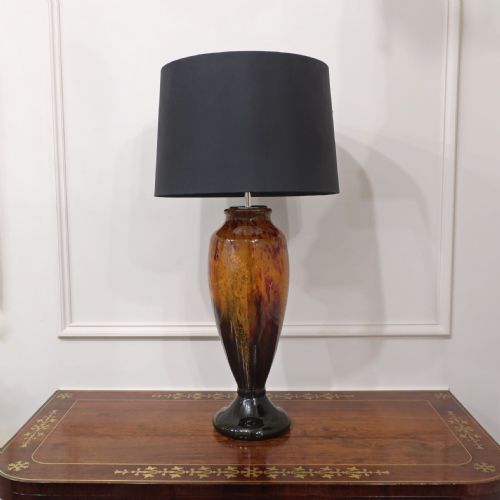
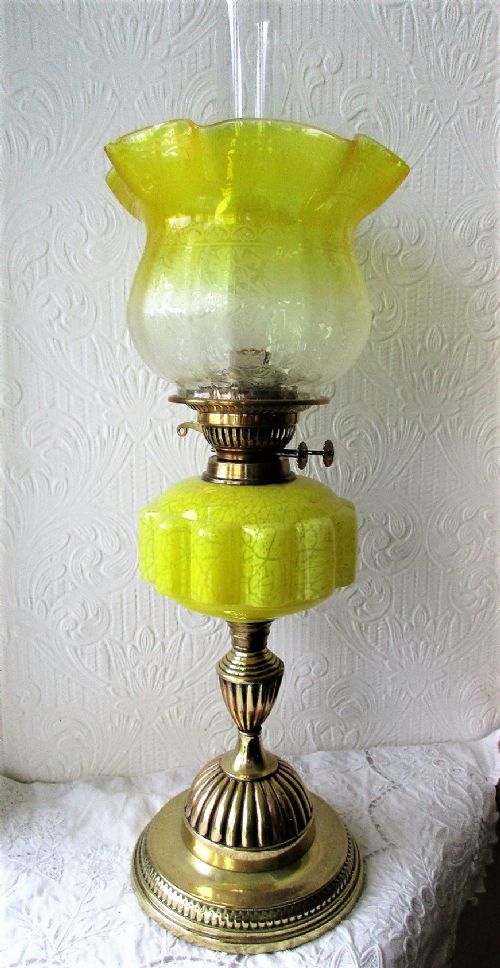
When you search for a retro table light, you encounter desk lamps, oil lamps, and figural sculptures adapted for illumination, spanning periods from the Victorian era through the mid-twentieth century. The selection leans heavily toward nineteen-thirties Art Deco designs alongside earlier nineteenth-century and nineteen-twenty examples.
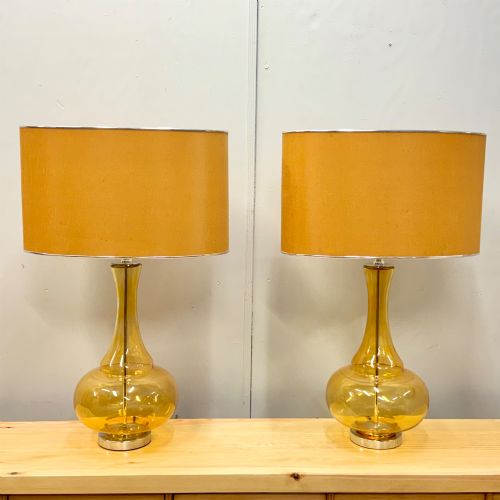
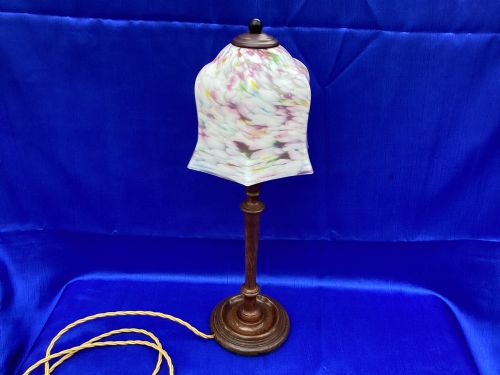
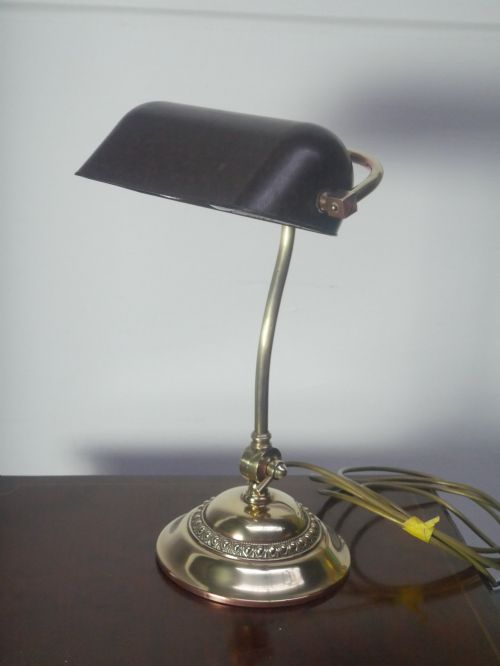
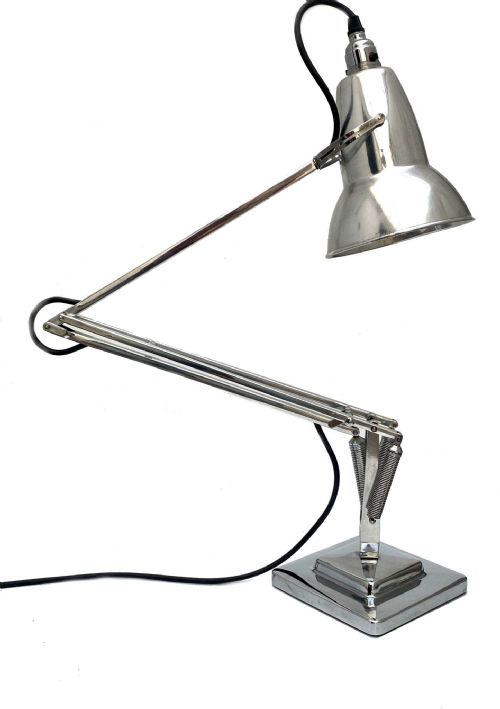
The forms vary widely, taking shape as bankers desk lamps, adjustable anglepoise fixtures, and elaborate figural bases depicting ladies, animals, or modernist geometric motifs. Many incorporate specialised shades made of silk, fabric, or moulded glass to diffuse the light across a workspace or living area.
How they were made
Construction techniques rely on metal casting, turned stone bases, and precision wiring to support articulated joints. Makers utilised specialised moulding for glass shades and celluloid components, ensuring each lamp balanced industrial utility with decorative period aesthetics.
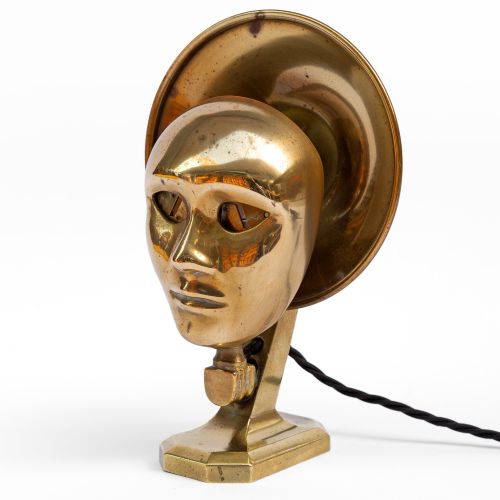
An unusually complete celluloid small table lamp from the nineteen-twenties sits alongside a brass lamp inspired by Fritz Lang's film Metropolis.
What varies in quality
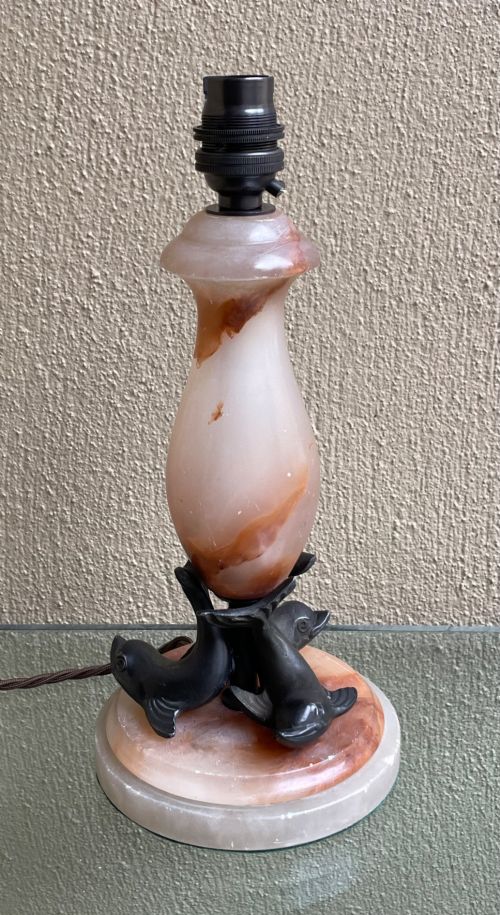
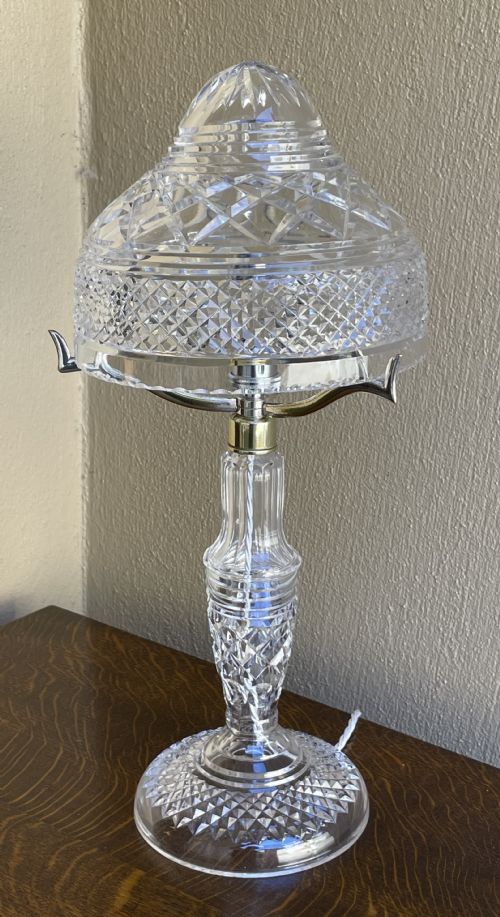
The distinction between standard and superior pieces rests on the integrity of the materials and the completeness of original components, such as specialised shades and maker-specific switches. Heavy cast brass, genuine carved alabaster, and undamaged opaline or cut crystal glass elevate a piece above simpler metal fabrications.
Design ambition also dictates value, moving from utilitarian bankers lamps to sculptural figural bases by notable designers or workshops. Original patination on chrome and brass, alongside intact period wiring methods adapted for modern use, separates everyday survivors from exceptional examples.
Herbert Terry·Eileen Grey·Pirouette·Charles Schneider·Denby Ware
The Retro Table Light Glossary
- Art Deco
- A design style characterised by sleek geometric shapes, stylised figures, and modern industrial materials popular during the interwar period. It dominates many of the lighting forms found in this collection.
- Bakelite
- An early form of synthetic plastic utilised for electrical components, switch housings, and lamp bases during the twentieth century. Its dark, durable finish is a hallmark of period manufacturing.
- Opaline Glass
- A milky, semi-translucent glass that diffuses light softly, frequently moulded into shades and decorative bodies for lamps. It ranges from pure white to subtle pastel tints.
- Alabaster
- A fine-grained, translucent stone carved into smooth urns, bases, and sculptural bodies. It provides a soft glow when illuminated from within or nearby.
- Anglepoise
- A type of balanced mechanical desk lamp utilising springs and adjustable arms to direct illumination precisely where needed. This innovation defined mid-century workspace ergonomics.
Retro Table Light: Frequently Asked Questions
What is a retro table light?
A retro table light is a functional illuminating fixture originating from the twentieth century or earlier, encompassing desk lamps, oil lamps, and figural accent pieces.
These items use materials like brass, chrome, glass, and marble to provide both task lighting and distinct decorative style.
How do I identify an Art Deco lamp?
Art Deco lamps typically feature geometric lines, stylised figural motifs, and materials such as Bakelite, chrome, and mottled or opaline glass.
They reflect the modernist design sensibilities of the nineteen-twenties and nineteen-thirties.
Are these lamps safe for daily use?
Many vintage and antique lamps feature historical wiring that requires inspection or rewiring by a qualified professional before regular domestic use.
Ensuring the electrical components meet modern safety standards allows you to live safely with older fixtures.
How do I style a desk lamp at home?
A desk lamp functions effectively as targeted task lighting on a home office workspace or as an ambient accent light on a sideboard.
Pairing the metal or glass finish with complementary interior decor highlights the period character of the piece.